
In the past, hair was something to be proud of for its strength,
but at some point, the amount falling out gradually
started to increase, and if you can confirm
that about 100 or more strands are being lost per day,
you may begin to wonder whether you are also
experiencing hair loss.
In the past, this condition was limited to problems
seen in middle-aged and older men,
but these days it is considered a social disease
that can affect anyone regardless of gender or age.
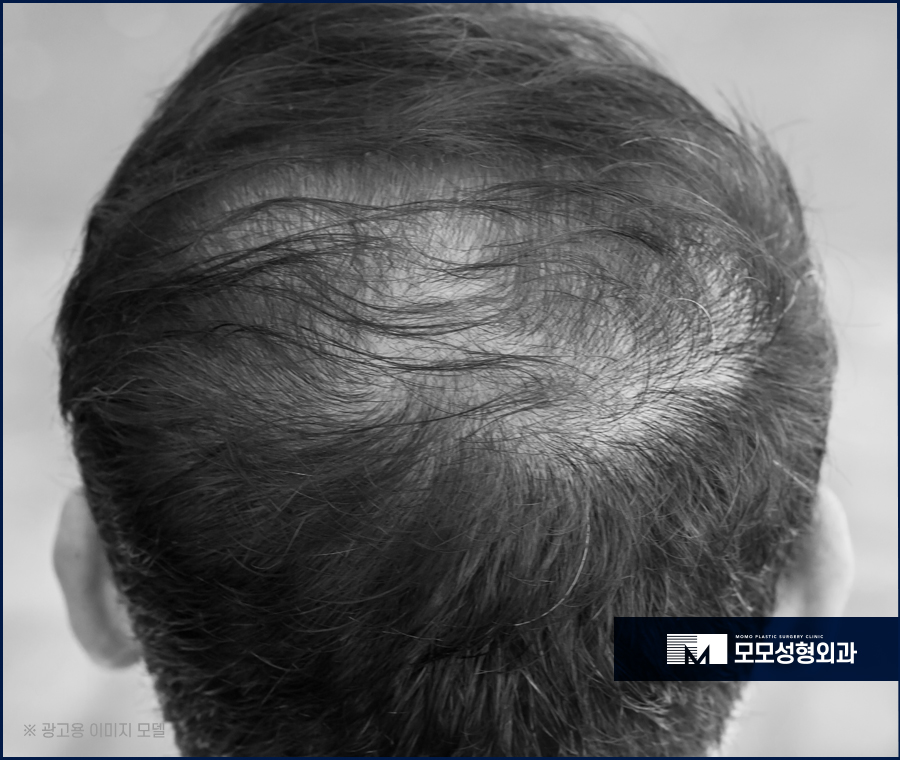
The current number of related patients is estimated
to reach 10 million.
It often occurs due to genetic causes, but because
it can be confirmed through many different factors
other than those, it is advisable to pay attention
to the health management of your hair and scalp
during daily life.
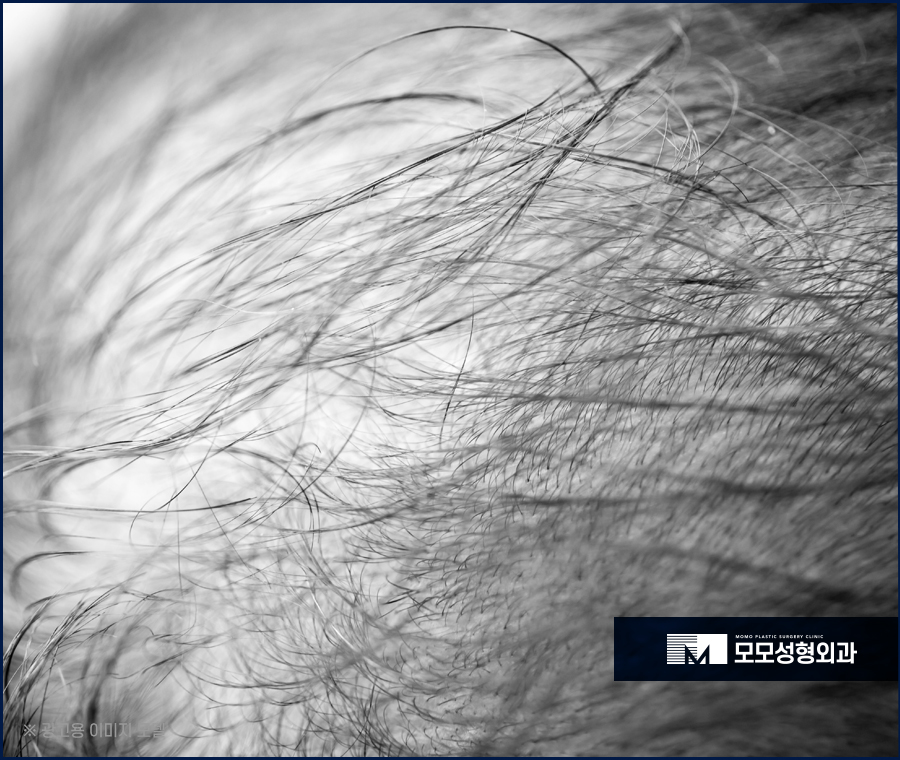
Since prevention in advance is the best approach for any disease,
it is fair to say that hair loss is no different:
if you can prepare ahead of time, taking appropriate
measures is the right thing to do. Of course, even
if you have been consistently managing it in your
own way, a hair-loss condition can still begin.
So if you are troubled by these symptoms and are
under severe stress because of externally changed
appearance, it is important to visit a clinic that
provides focused treatment, receive examination and
diagnosis, and confirm the treatment method that is
right for you.
Among those going through such a process, inquiries
about large-scale hair transplantation are said to be
increasing steadily. In particular, when a procedure
that directly implants natural hair is performed,
the before-and-after change is significant, so it is
attracting the interest of many people. Because the
diagnosis varies depending on the current condition,
the area of loss, and the degree of progression, it is
important to set multiple criteria for clinics that
carry out these procedures, check them carefully, and
make a cautious decision.

If hair loss has progressed to the extent that more
than 5,000 grafts are required for a large-scale hair
transplant, it can greatly affect daily life, social
activities, and interpersonal relationships.
Even in normal natural hair, fewer than 100 strands
fall out per day, but if more than that are being lost
and areas of thinning are gradually appearing, it is
clear that prompt action and appropriate countermeasures
should be discussed with the physician at a relevant
medical institution as soon as possible.
Hair loss is a progressive condition that cannot be
stopped once it begins, so if it is left untreated
without measures being taken early, it can develop
into an uncontrollable and serious situation.
Therefore, it is best to seek help from a dedicated
physician in advance, before the situation arises in
which a large-scale hair transplant must be performed.
However, I think the problem is that many people with
related conditions do not visit a medical institution
and instead rely on folk remedies whose effectiveness
has not been proven. The complacent thought that if
you just leave it alone, it will get better on its own
often causes people to miss the golden time, that is,
the opportunity to respond in time, and leave it untreated.
Even if you take medication that helps hair grow,
it only serves to maintain the current state so that
a large amount of hair does not fall out, and the
effect of folk remedies is also extremely limited.
In this way, many people seem to end up looking into
large-scale hair transplantation with regret after the
symptoms worsen beyond recovery without gaining any
particular benefit.

What can be expected to provide excellent visible improvement
is large-scale hair transplantation, in which one’s own body hair
is transplanted.
As the name suggests, it is a method of moving and
repositioning your existing natural hair, and depending
on whether the back of the head needs to be incised,
it is classified into the incision method and the non-incision method.
The first method mentioned appeared somewhat earlier,
while the second is known to have been researched and
developed much more recently.
The previously introduced incision method involves cutting
the scalp needed for harvesting and obtaining follicles
from that area. Because the scalp is incised, the time
required for the procedure is shortened, which can be
advantageous in cases involving more than 5,000 grafts.
It is also said to be relatively less burdensome in terms
of cost compared with the non-incision method.
However, there is a high possibility of scarring, such as
marks left by suturing on the back of the head, and there
can be associated pressure from pain and similar issues.
In addition, depending on the condition of the scalp or
natural hair, even if a certain area is cut out, there may
be little healthy hair available for use, so this should
be kept in mind.
If hair loss has already progressed significantly, the
overall condition of the hair is also likely to be poor,
so it is judged to be better to undergo the procedure at
a place that can carefully select and supplement the hair.
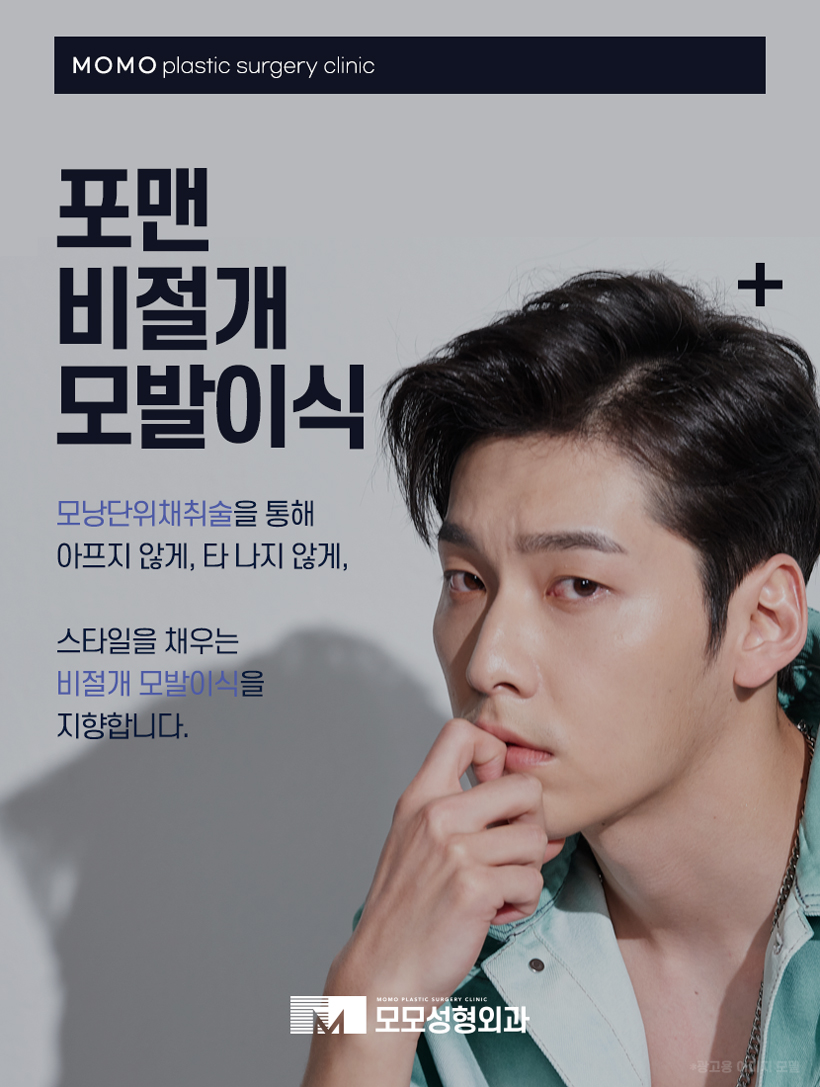
The method carried out in this way is likely the non-incision method.
Because the medical team directly harvests healthy follicles
without cutting the scalp, it is known that more than
5,000 grafts can be implanted in a single procedure on the
same day.
Also, compared with the incision method, more time and
a higher level of skill from the medical team may be required,
and careful attention must be paid from the stage of separating
the follicles. The distribution of natural hair, the extent of
loss, the unique pattern and direction, thickness, density,
and other factors should all be carefully considered according
to the area where the grafts will be placed.

And rather than simply transplanting a large amount, in order
to create a result that later looks like your original hairstyle,
you must make sure that a personal design incorporating all
of these criteria is established and that the procedure is carried
out in sequential steps before making a decision.
In addition, because the scalp is not cut and sutured, it seems
that there is less burden in terms of pain and scarring.
Recovery is also faster as a result, and because the follicles
are selectively harvested, unnecessary damage can be reduced.
Furthermore, since only thick and dense follicles are secured
from areas where future hair loss is possible or from areas
other than those with scars, you do not need to worry about
visible gaps or whether it will stand out.
For that reason, I think it is above all a way to obtain a
natural and abundant result.
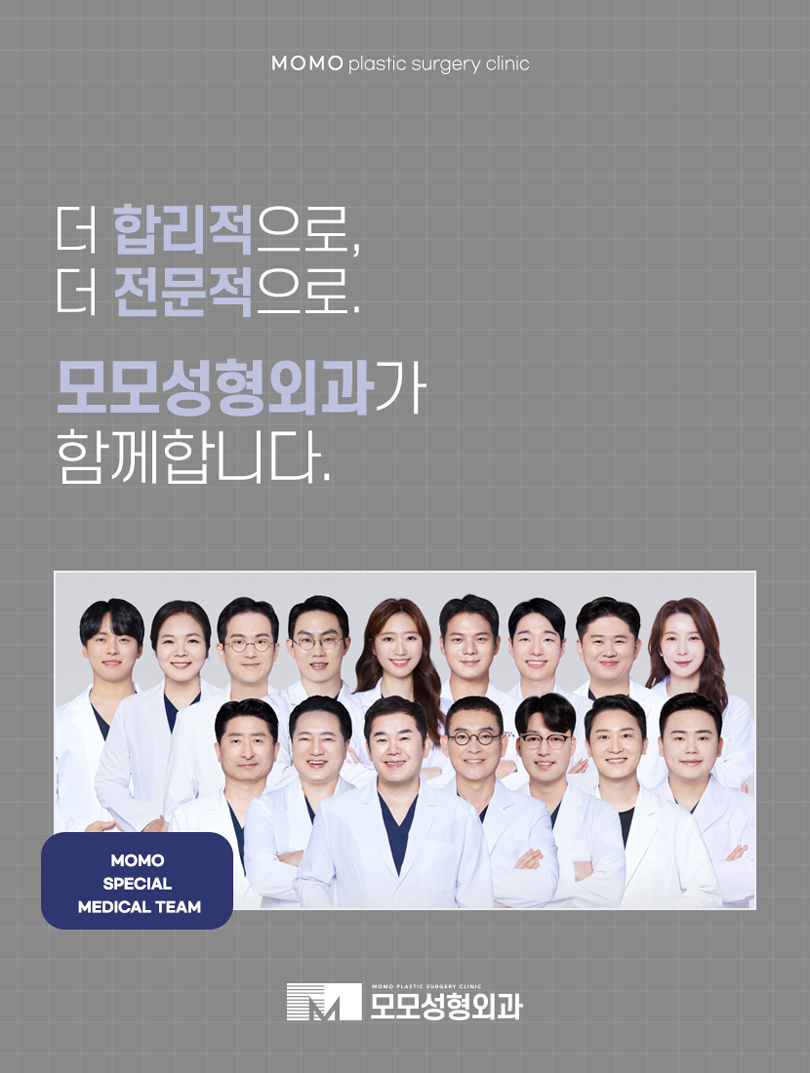
In addition, if you are considering proceeding with a large-scale
hair transplant, I think it is important to check whether the
dedicated physician handles the entire process personally and
proceeds with a sense of responsibility from consultation to
aftercare, and whether they have extensive experience, know-how,
and technique, including cases like this one.