Although the intense summer heat and humidity have eased somewhat,
daytime temperatures have still been approaching 29 to 30 degrees
through the recent start of autumn. During this season, along with
temperature and humidity, strong ultraviolet rays can affect the skin
and various parts of the body, and the environment is also not
suitable for natural hair to grow, so shedding or loss can worsen
and create empty areas. Therefore, it is important to pay attention
so that hair loss does not get any worse.
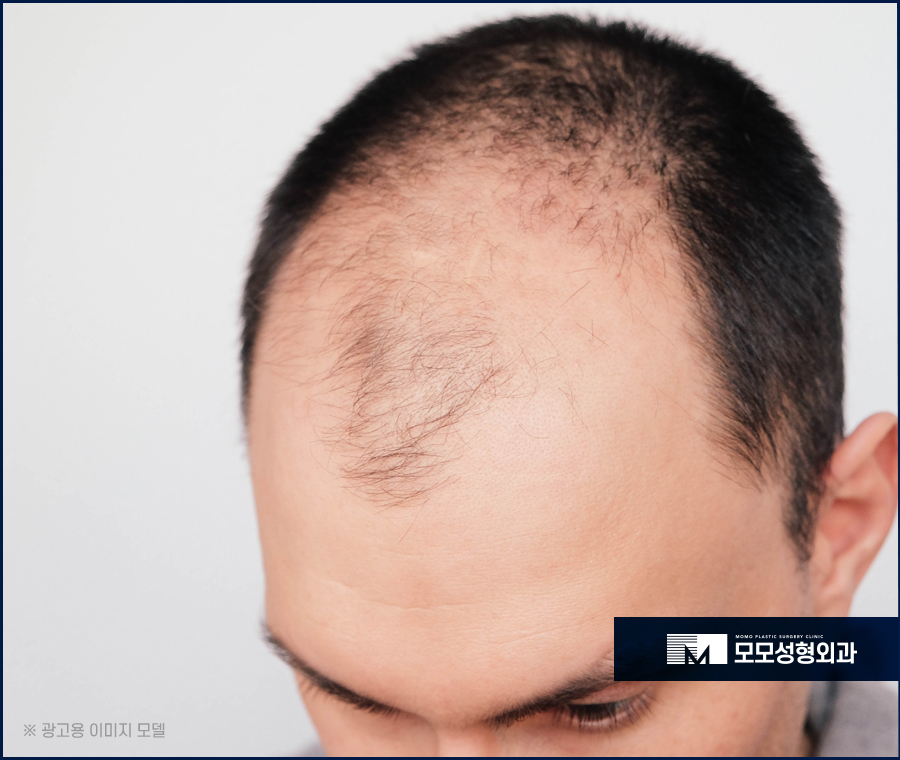
And natural hair, which had been known for its health, can arise for
such environmental reasons and a variety of other factors. If there
is a family member with a related condition, it may appear for genetic
reasons, and increasing numbers of people, regardless of gender or
age, are struggling with hair loss due to various causes such as
hormonal abnormalities, stress from work or school, and irregular
eating habits and lifestyles that are hard to manage amid busy daily
routines.
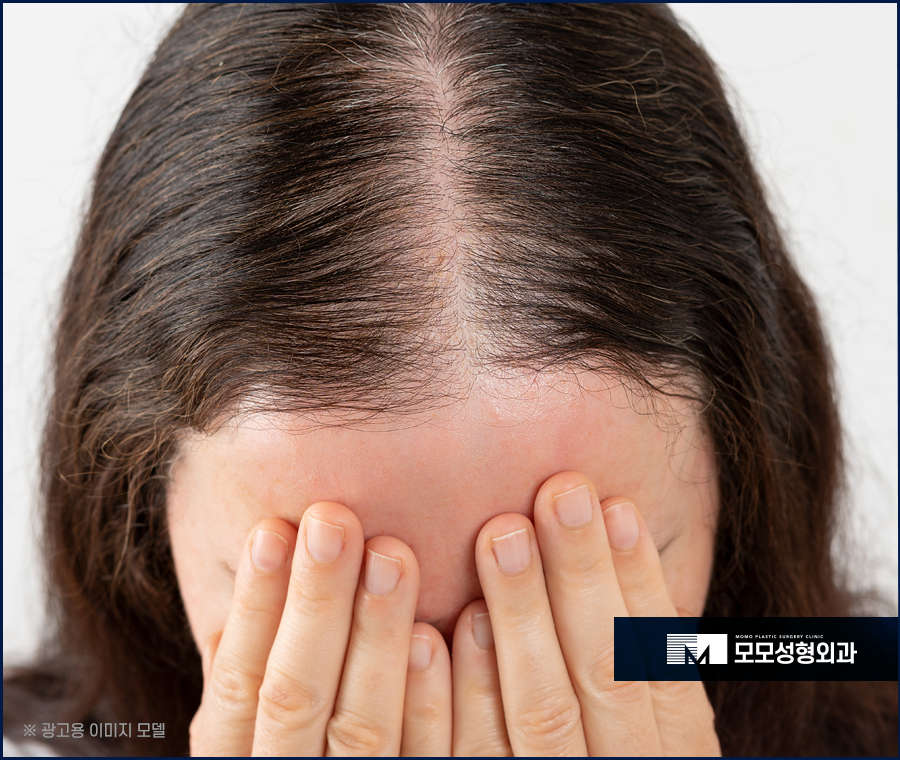
People who are troubled by this condition often try countless
supportive methods themselves in order to bring back the hair that
has been lost. However, although they try such methods, they only
provide temporary effects and fall short of addressing the root cause.
After repeated failures, many people visit a specialized clinic to
ask about the appropriate procedure in order to get satisfactory
results, and there is also considerable demand for advice on questions
such as hair transplant sweating.
If you are considering having the procedure, there are many criteria
that must be considered from multiple angles, so it is not limited to
just one or two questions. If you are thinking about undergoing the
procedure in a season like this, or if you are considering it at all,
you may worry that because the temperature, humidity, and UV index are
high, sweating after a hair transplant might prevent the newly placed
natural hair from settling properly and doing its job. Also, when
having surgery during a season like summer, some people delay it
because they feel it is not the right time. However, if post-procedure
care instructions are followed properly, it is said to be acceptable
to proceed regardless of the season.

The first thing to be careful about is blocking ultraviolet rays and
heat. Although the seasonal conditions may make this difficult to
follow, there can be a big difference in effort and results between
doing so and not doing so. On extremely hot days or days with intense
sunlight, cover the scalp with your hands or a tool so that it is not
affected by ultraviolet rays and heat, and at times it is necessary to
reduce the rising heat sensation by using a parasol or a handheld fan.
This is because the higher the scalp temperature rises, the more the
surgical area may swell or turn red, which can cause pain and
discomfort.
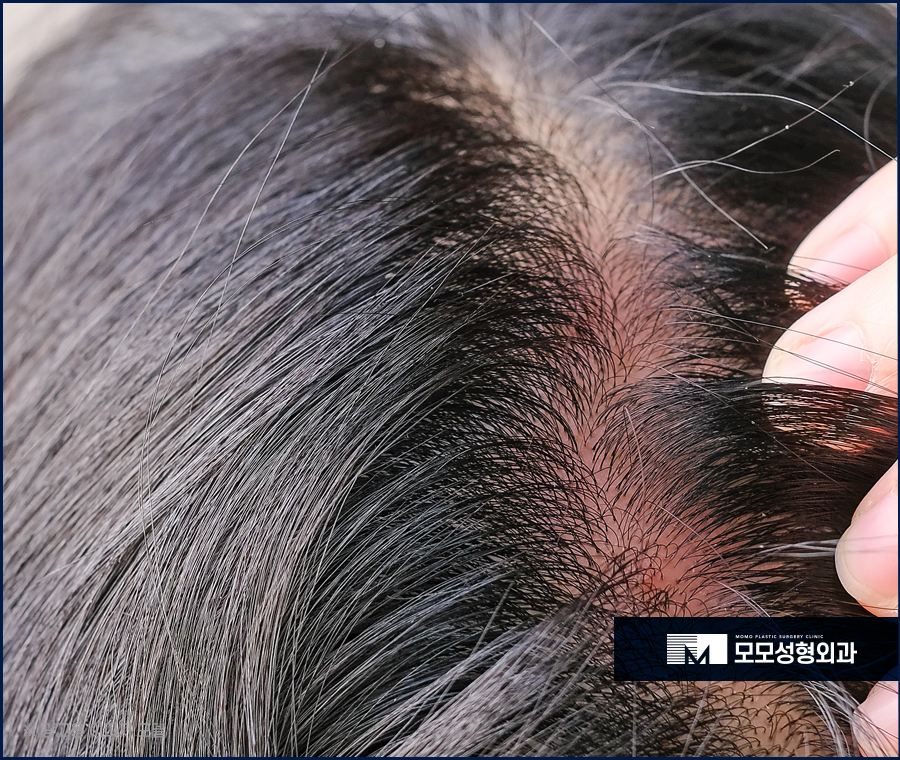
If the surgical area is stimulated carelessly, recovery may become
that much slower, so careful management is important. And if sweating
occurs after a hair transplant, you may wonder whether it will have a
negative effect on the survival rate and whether side effects such as
inflammation of the scalp will follow.
The surgery that implants natural hair is carried out by obtaining
follicles located at the back of the head and transplanting them into
the scalp. Sweat released from outside the scalp can be regarded as
having almost no relation to the survival rate. Also, sweat itself
does not contain bacteria, and since it is a liquid composed of
electrolytes and organic substances, it does not by itself cause a
bacterial infection.
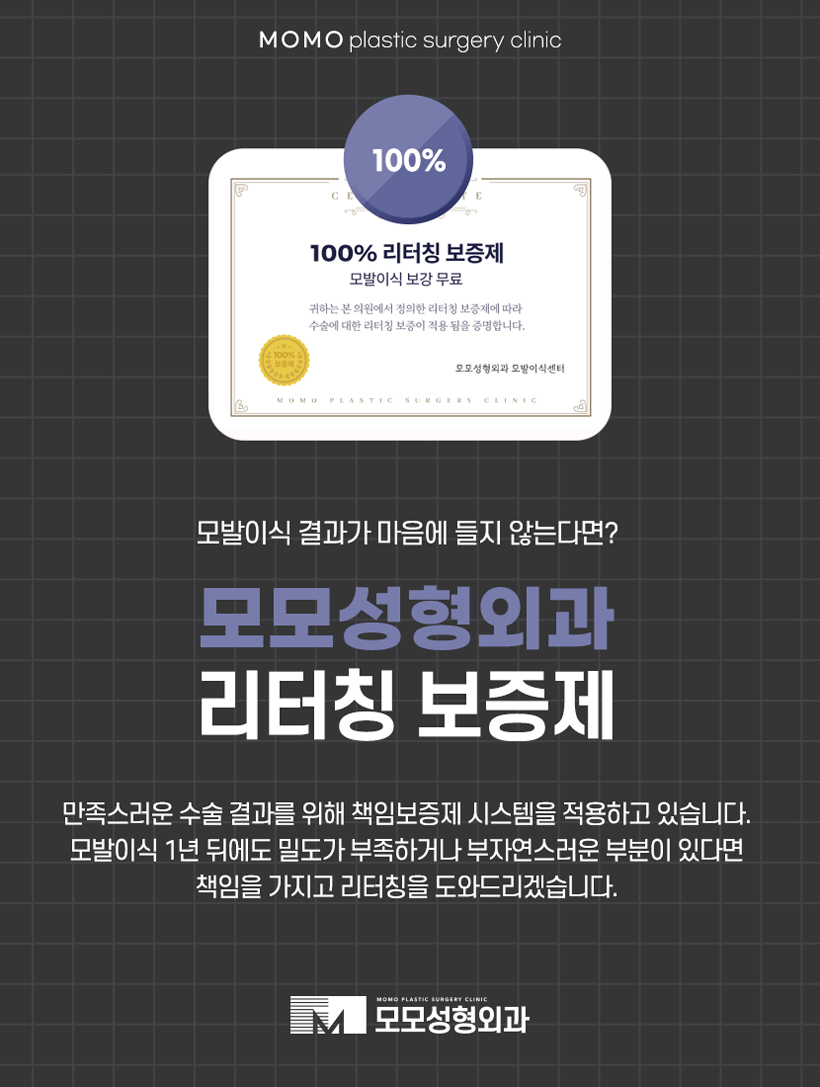
Rather, when temperatures rise in the summer, body temperature also
rises accordingly. At this time, blood vessels expand, blood
circulation becomes smoother, and metabolism becomes more active, so
the wound from the procedure heals faster and new skin grows faster
than in winter. For this reason, there are advantages to undergoing
the procedure in a season like now rather than in winter, which is why
it is recommended.
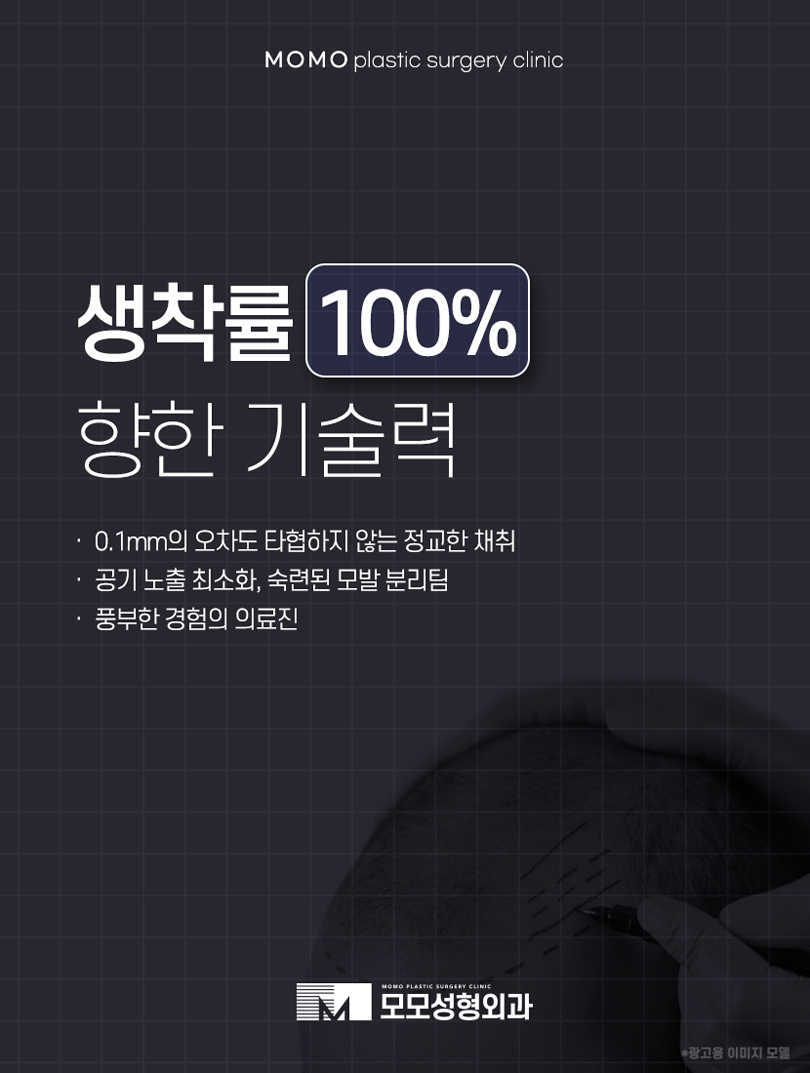
Before implantation, it is of course important to consider factors
such as hair transplant sweating and the survival rate in advance, but
the most important part is to carefully check the current state of
your hair loss and the unique characteristics of your natural hair.
Based on this, by sufficiently examining your face shape, the overall
proportions of your facial features, how you look from multiple
angles, thickness, and density, and by creating a personalized design
and carrying out the procedure through a systematic treatment system,
you will be able to see the natural-looking hair you have been hoping
for once again.
If, without considering these checkpoints, you focus only on
low-cost promotions and ignore the design elements, carrying out the
procedure with a dense look that is not harmonious, you may end up
with a completely opposite result: an artificial and unnatural
hairstyle. In addition, there is a risk that you may need to undergo
revision surgery, so caution is absolutely necessary regarding this
procedure. And to that end, it is important to carefully review and
confirm essential criteria such as whether the clinic and the doctor
you choose have the skill, know-how, and technique developed through
years of experience with a variety of cases, whether the doctor takes
responsibility for both before and after the procedure, and whether
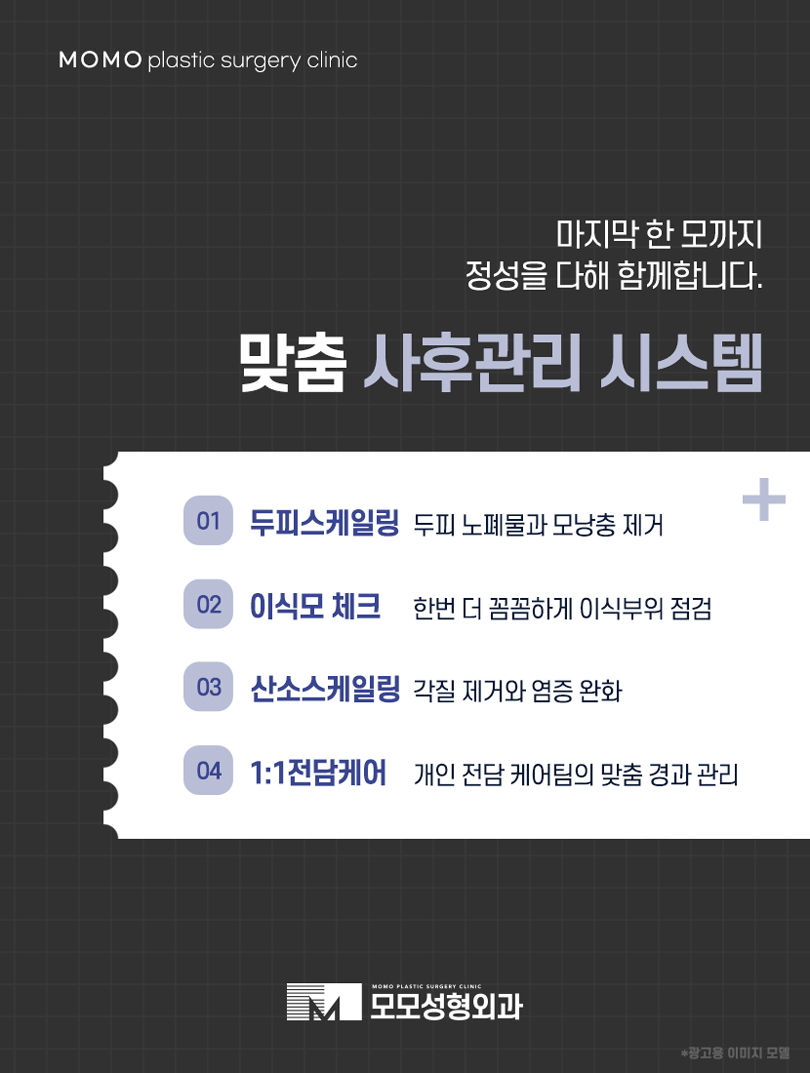
aftercare is provided with detailed, personalized care. These are
solid guidelines that can help you move toward a highly satisfactory
outcome.