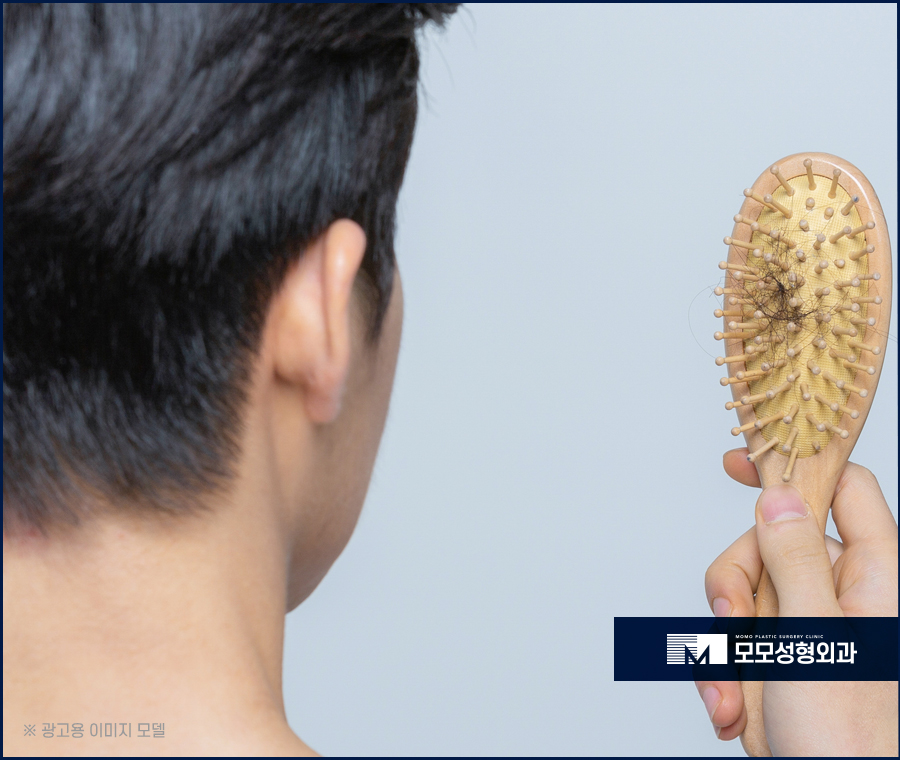
If a large amount of natural hair falls out compared to the average, and as much of an empty area is created, in the past people tended to make various efforts to cover it as much as possible, such as trying specialized makeup products or using wigs or hats. Depending on each person’s tendency, some even felt embarrassed about taking medications or applying treatments to regrow the lost natural hair, and there was also a common perception of postponing treatment for improvement or leaving it untreated without feeling the need to address it.
However, in recent years, there has been a positive trend toward taking active measures and responding to hair loss more proactively than to many other illnesses. This is thought to be largely because modern society has an atmosphere where people are not reluctant to reveal themselves, regardless of youth or age, and because external appearance cannot be neglected when carrying on social life or interpersonal relationships.
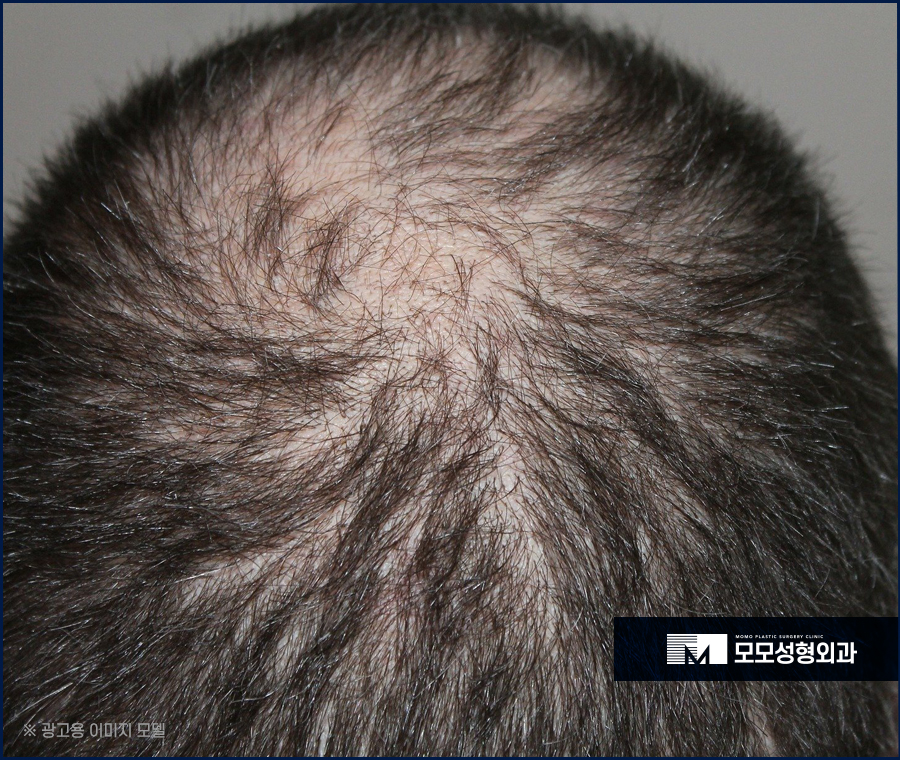
Therefore, if your own natural hair is showing signs of shedding and, after exhausting many methods to make up for it, you feel frustration and disappointment because the results fall far short of expectations, and in the end even your remaining confidence declines, leaving you to struggle through psychological distress, there are many people who are going through such a hard battle. Of course, it does not cause pain or create a problem serious enough to affect bodily functions, but if hair loss leads to severe stress, it is clear that it can place restrictions on social life and interpersonal relationships. As a result, the number of people visiting related clinics, consulting with the doctor about whether there is room for improvement, and asking about hair transplant costs is increasing.
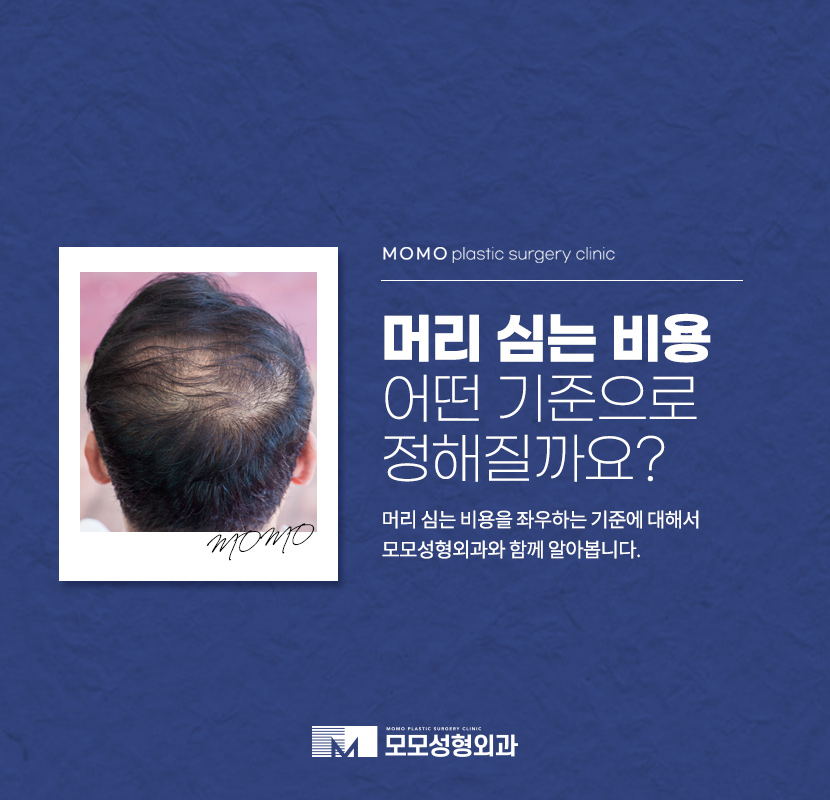
As the name suggests, hair transplant cost can be explained as the amount of money related to the surgical method of implanting hair into the problematic area. In general, it is set at around 3 million KRW to over 9 million KRW, and it can vary depending on how much natural hair will be moved and transplanted. Since there are differences in price, it is only natural that this has an important influence on the choice.
In addition, the monetary aspect of hair transplant cost can differ depending on what method and process are used in the procedure. Before choosing a method, the first thing to consider is understanding the overall condition and cause of each person’s hair loss and carefully examining the characteristics of the existing scalp and hair before deciding on the appropriate approach. And rather than simply rushing to fill the empty spaces on the scalp, the most important thing is to create a result that looks as if it were original, full, healthy hair that had not been transplanted.
Hair transplant cost varies depending on the method used to obtain the hair follicles, and the treatment method is divided accordingly. The first step is the process of collecting the hair follicles that contain the hair, and usually relatively healthy follicles are obtained from the back of the head and sorted before being placed appropriately into the area that has been lost and left empty. At this time, one must decide whether to harvest through incision or non-incision, and each method has its differences.
When looking at hair transplant cost, non-incision is said to be slightly more expensive than incision, and it is worth keeping in mind that it can vary depending on how much hair is needed for the transplant and which clinic performs it. The reason the methods differ is that they affect the process and the resulting outcome.
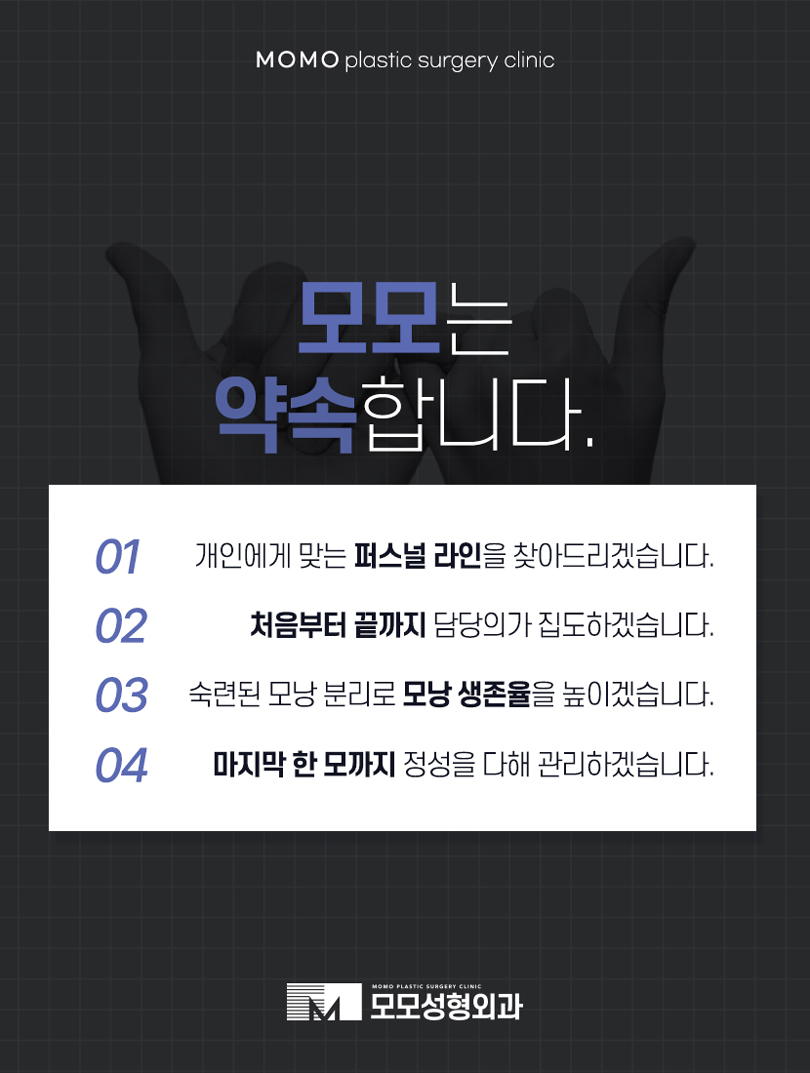
This is because incision involves removing a certain portion of the scalp from the back of the head, whereas non-incision requires the doctor to individually and selectively collect each follicle by hand. Also, if you compare only the time required for the procedure, the latter method requires a much higher level of skill and concentration, which is why hair transplant cost can be higher. Nevertheless, the reason most people consider and choose the non-incision method is thought to be not only because it is an advanced medical technique, but also because of its various advantages. Since it does not involve incision, concerns about pain and marks that may occur after treatment can be reduced. In addition, because the method involves individually selecting and extracting follicles using tools, the marks left by harvesting often fade naturally over time, which can greatly reduce the burden and attract a lot of interest.

It also has the advantage of a relatively fast recovery period, allowing people to resume daily life immediately the next day after the procedure is completed. In addition, while it is important to think sufficiently about the procedural method, another criterion that should be checked is how the necessary amount of hair for transplantation will be designed and implanted. One should consider the current state of hair loss and the basic characteristics of one’s natural hair—such as fine hair, medium hair, and thick hair—then predict the direction of new growth and create a personal design that naturally harmonizes with one’s face shape, features, and overall proportions from multiple angles before deciding whether to proceed. This can be considered the right path to achieving satisfying results.
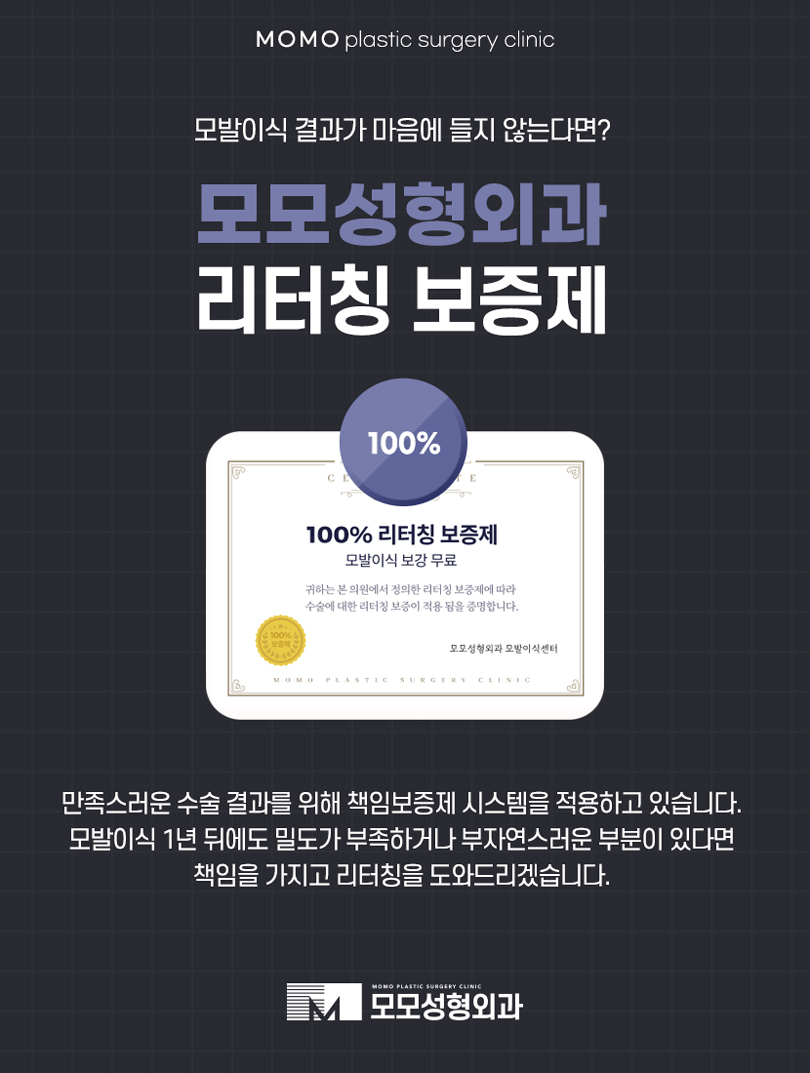
And when considering such a hair transplant, if you have your own desired image or related opinions, you should express them without hesitation, and it is also important to have enough conversation through smooth communication and adjustment. In addition, you should carefully choose while checking essential criteria, such as whether the doctor performing the procedure has many years of experience and the know-how and skill that come with it, and whether they provide meticulous aftercare following the completion of the procedure.