
There are endless ways for women to style their hair.
The overall area can be dyed in a variety of colors and
techniques, and sometimes a perm is tried to create an
elastic curling effect.
Or the hair can be divided into several sections
and braided, or tied up in round shapes and other styles.
Among those methods, one of the most common
styles—and at the same time one that can be surprisingly
difficult to style well—is the ponytail, which gathers the
front section together with the back hair without leaving
any hair out.
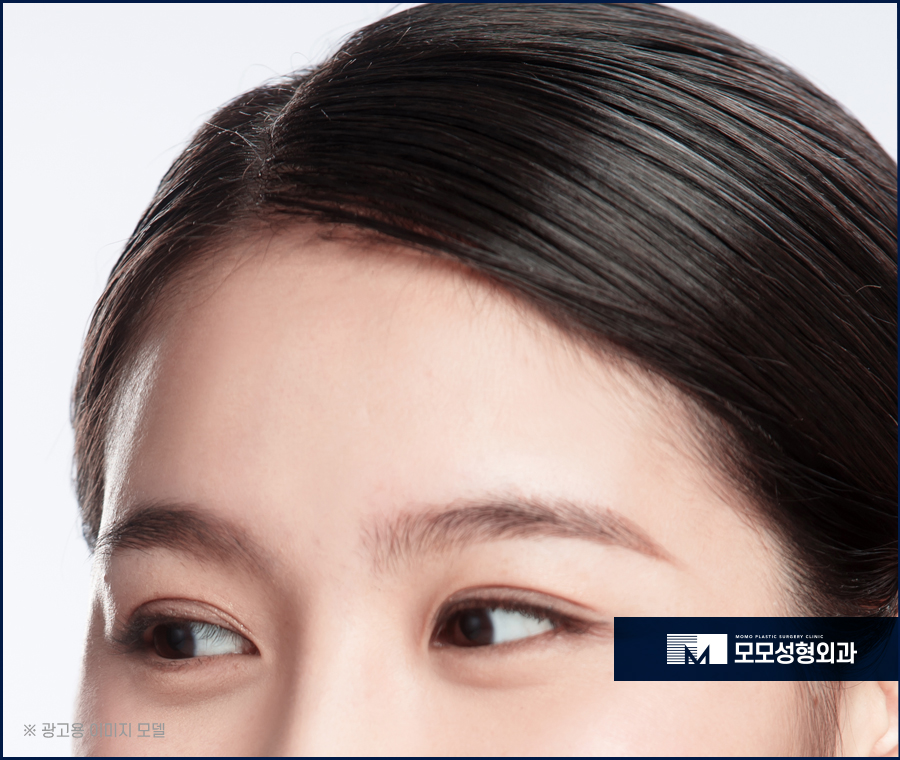
This style clearly reveals the forehead,
but if the head shape and hairline are not neat,
it can be difficult to achieve the desired look perfectly.
If you want to create this style but your forehead and
hairline are uneven and irregular, giving you an unkempt
appearance, or if the area is wider than what suits the
overall proportions of your face, it can draw attention
from others because it is a front-facing area in social
interactions and daily life. This can increase stress in many
ways through concerns about social relationships and a
decrease in confidence.
Women’s hairline hair transplant, which adds density to
areas thought to need improvement by using your own
hair, has become popular and preferred by many people.
It was one of the procedures already in use among
occupations that value a neat and tidy appearance before
it became widely recognized, and in recent years, demand
has increased not only among certain professions but also
among people seeking a way to address complexes about
their outward appearance.
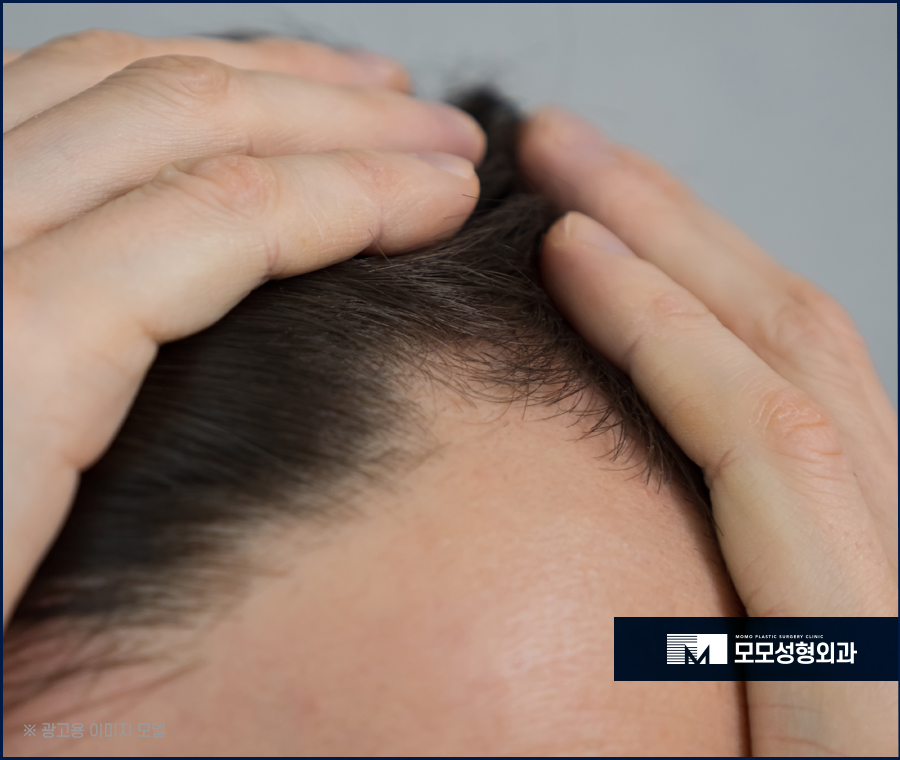
The boundary line connecting the forehead and the hair
may not take up a large portion of the overall facial area,
but differences in its height and length can still create a
distinctly different impression, so it is necessary to take
aesthetic factors seriously.
Therefore, the characteristics of the surrounding natural
hair—such as thickness, density, and direction—must be
fully considered around the area that needs women’s
hairline hair transplant, and a design plan should be
constructed based on those factors in order to maximize
the effect.
These days, as women’s hairline hair transplant has been
getting attention and growing in popularity, the number of
people looking for places that can perform the procedure
at relatively low cost has also increased.
However, if you focus only on this standard and proceed
without careful consideration, it may be difficult to receive
a personalized design for each individual, and you may be
faced with an artificial, unnatural result that looks like a
mass-produced, uniform design.
In such cases, the corrective effect of making it look as if
the area that was originally lacking in hair density never
existed may be relatively reduced. To create a result that
is satisfying from the first attempt, it is important to choose
a clinic that offers a personal design made just for each
individual and that can fill the area satisfactorily with the
minimum necessary number of grafts, even if it costs a bit
more.
The area that requires women’s hairline hair transplant is
different from other areas such as the crown, the back of
the head, or the sides, in that follicles of various thicknesses
and lengths are mixed together in one place.
Because multi-hair follicles, single-hair follicles, and even
very fine vellus hairs all exist together, the natural hair
needed for transplantation may also be collected from
multiple areas in order to prevent the transplanted hairline
from standing out from the existing forehead line and
boundary.
Therefore, when performing women’s hairline hair transplant,
a non-incisional method that is suitable for selectively
harvesting the follicles to be transplanted is said to be highly
preferred.
Because this method involves obtaining follicles one by
one and transplanting them again into the problematic area,
it requires the doctor’s delicate technique.
Since the completeness of the result can depend on the skill
of the doctor performing the procedure, it is advisable to
carefully consider enough before deciding on a clinic for
women’s hairline hair transplant.
Also, to produce results that remain satisfying over time, it
is important to check whether the institution has an
environment that can closely assess the characteristics of
the individual’s scalp and natural hair and carry out the
procedure accordingly.

Although women’s hairline hair transplant usually involves a
smaller amount of transplanted hair than other areas, it
should never be assumed to be a low-difficulty procedure.
The hairline is an important part of the overall facial
impression and image, so it is a task that must be carefully
planned down to the smallest details.
If the design does not suit the face at all, or if too much hair
is transplanted, the outcome may naturally show lower
completeness.
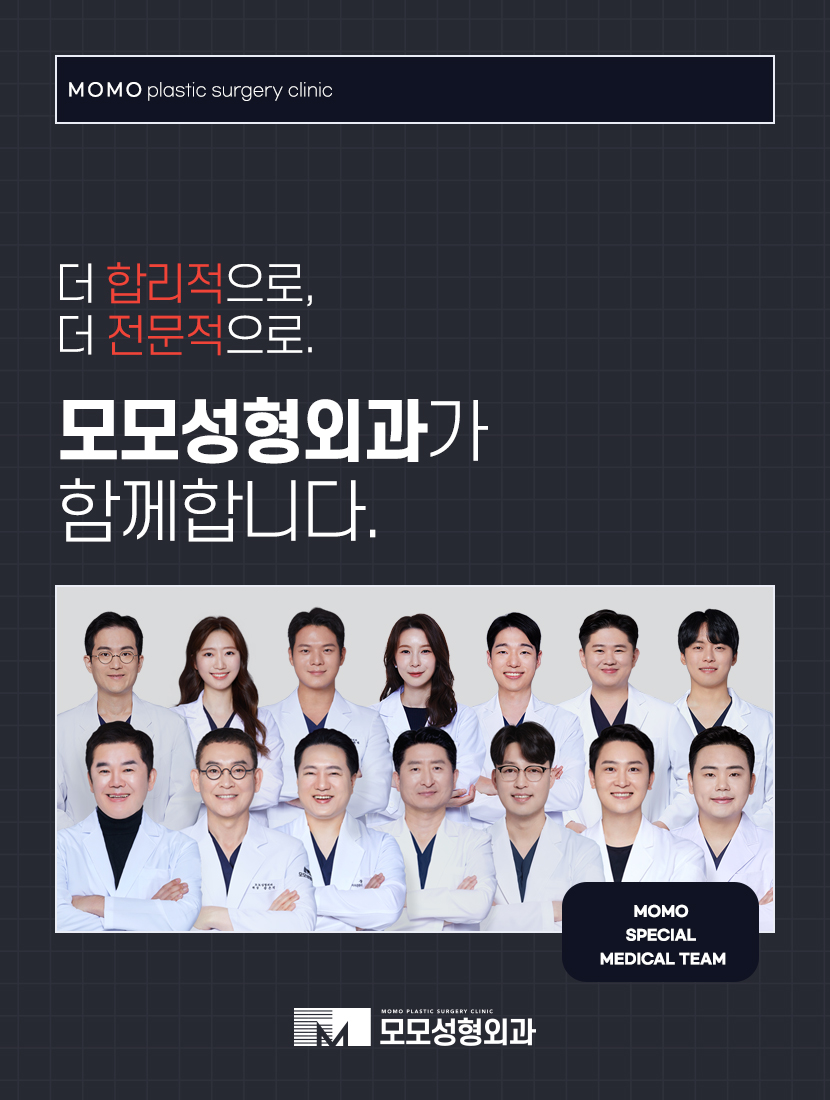
Therefore, if you are planning the procedure or are still
considering it, it would be good to carefully check whether
the institution is one where the doctor in charge, with rich
know-how and excellent skill based on extensive experience
with related cases, takes responsibility for everything from
consultation through the entire process and aftercare before
deciding whether to proceed.
It may be worth keeping in mind that this is the right path
toward achieving the result you want and expect.