Hair that once boasted solid health
may suddenly begin falling out
by more than 100 strands a day,
or thinning may appear naturally
as time passes and age advances.
Sometimes, it can happen even when
a person is still relatively young.
When faced with hair loss, a condition
that is completely unexpected, it can be
disorienting and, at the same time,
become a major concern. In general,
the cause of hair loss has often been
genetic factors stemming from inherited
family history, but in recent years,
with the advancement of modern society
and tendencies that encourage competitive
pressure, people may experience excessive
stress brought on by work, school, and
various other situations, hormonal
imbalances, irregular eating habits and
lifestyles that go unattended in busy daily
routines, and especially for women,
this can occur during pregnancy, childbirth,
and menopause. Hair loss has become a
social issue that can affect anyone,
regardless of gender or age.
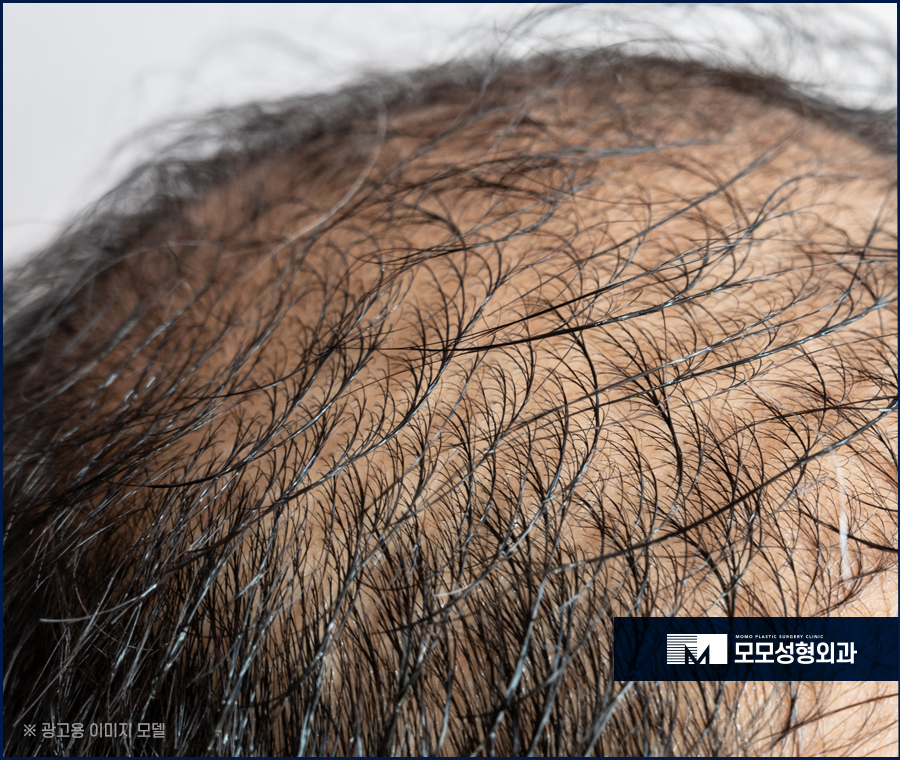
Also, because hair loss is an important
element of appearance, if one must continue
social activities and interpersonal
relationships, the problem of hair loss can
have a negative impact and work against
them. To improve this, people will look into
and try numerous methods. They may use
wigs or special makeup products to cover
it, or, hoping that hair that has already fallen
out will grow back, they may try medicines
or shampoos said to contain such functions.
They struggle to alleviate the condition, but
while these methods may show temporary
improvement, the truth is that they often
have difficulty solving the fundamental cause
that would fully put the concern to rest.
The number of people seeking detailed
consultations at related clinics in pursuit of
clear change is steadily increasing, and many
also ask about swelling after hair transplants
while discussing suitable treatment options.
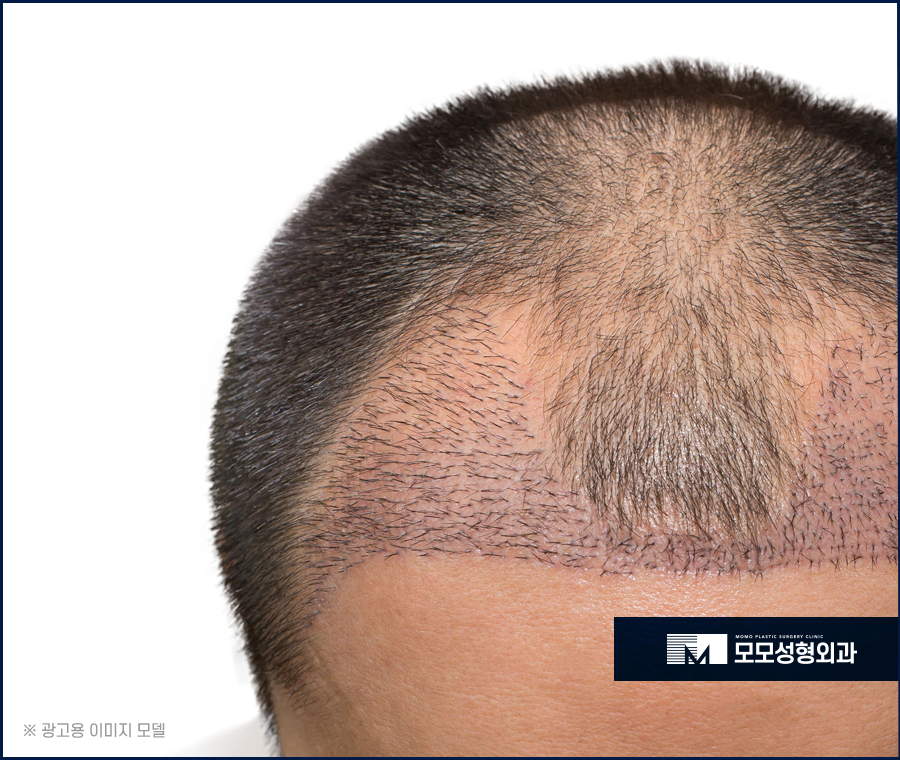
A procedure that extracts follicles from the
healthy occipital area, which has been
relatively less affected by hair loss, and
transplants them into the problematic area
has been receiving attention from people
experiencing hair loss. This procedure is
generally divided into excision and
non-excision methods. The excision method
involves removing a certain section of the
scalp, collecting follicles from that area,
and then implanting them again.
As for the non-excision method, as the name
suggests, it is performed without making an
incision. The doctor directly and individually
selects and harvests follicles, then implants
them into the area affected by hair loss.
This surgical method differs in whether an
incision is made when obtaining follicles,
and the choice of which method to use is
determined according to each person’s
condition and characteristics, so it cannot
simply be said that one is better or worse.
Many people think that the process of
harvesting follicles and transplanting them
requires a considerable amount of recovery
time. However, it does not seem to require
such a long period. In many cases,
sufficient recovery may occur after about
1 to 2 days, and it is thought that it does
not greatly affect the return to daily life.
Also, shampoo may be used a few days after
the procedure. However, since the recovery
period and symptoms such as swelling after
a hair transplant can vary from person to
person, it is important to have a thorough
consultation with the doctor before the
procedure and plan systematically.
 Among these, some people worry about
whether swelling after a hair transplant will
occur, so let us share related information.
This, too, can be considered a symptom with
a high degree of individual variation. For
example, when the procedure is performed
at the same time, swelling symptoms may
not appear at all; on the other hand, it may
become quite severe. The duration of post-
transplant swelling also varies. Usually, it
may subside after about 4 to 7 days after
surgery, but if it lasts longer, it can continue
for up to about 2 weeks. This may occur if
management of the swelling is not properly
performed or because of the characteristics
of the skin. If swelling after a hair transplant
does not subside at all even one week after
the procedure, it would be advisable to visit
the clinic where the procedure was done and
receive detailed consultation about the
progress.
 So, what kinds of methods can be used to
properly relieve swelling after a hair
transplant?
For 2 to 4 days after surgery, swelling may
be somewhat severe. During this period,
rather than lying down and resting, sitting
upright may be helpful, and, as long as it is
not too strenuous, lightly walking around
outside like a stroll and getting a bit of
activity can play a good role in reducing it.
Also, as with ordinary procedures, sleeping
while sitting up would be best, but since
that posture can be uncomfortable, when you
need to lie down to sleep, you should keep
your head slightly elevated so that it can
subside more quickly.

And these symptoms usually may occur on
the forehead, near the area where the
procedure was performed, or above the
eyebrows. Cold compresses can also be a
method, as long as care is taken not to
touch the implanted area. In addition, after
the surgery, there is a graft survival period
during which careful management is needed
so that the transplanted follicles can settle
stably in place. During this period, you must
always be aware of the recommended
precautions and provide consistent, careful
management in order to experience the
satisfying outcome you have been hoping for.