The image and impression one presents to others
can be said to depend on many parts of the body,
but among them, the first thing that comes to mind
is hairstyle. Creating a style that harmonizes with
the overall face and facial features can further
maximize one’s appearance, and it can also help
project a neat and positive image in social life
or interpersonal relationships.
However, to manage and pay attention to such
styling, resilient hair and abundant density must
clearly support it. If one’s natural hair generally
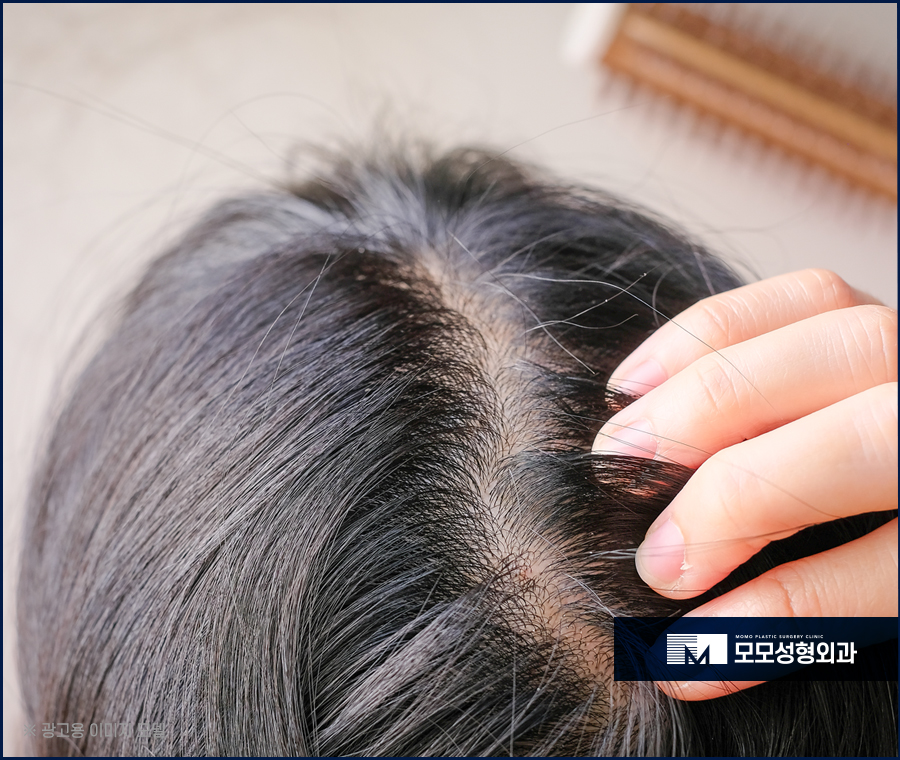
lacks strength and more than 100 hairs fall out in
a day even without any particular activity, or if the
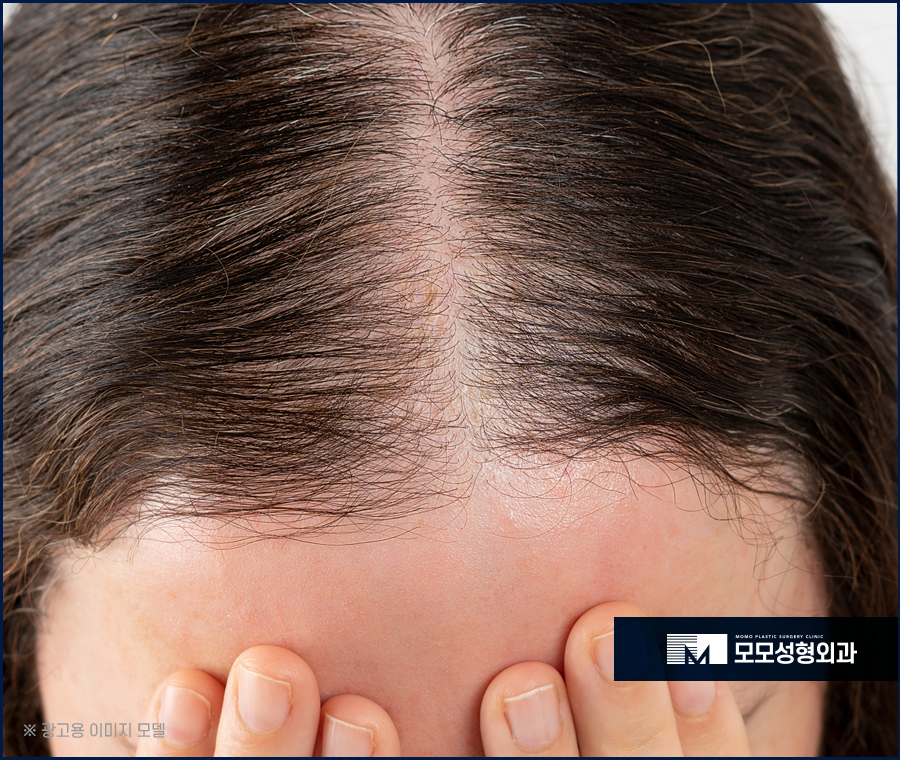
white areas of the scalp are noticeably visible as
a result, it can become a serious source of worry.
When facing situations where one has to carry out
duties due to such hair loss, or meet others or
acquaintances, confidence drops significantly.
As a result, people may become reluctant to meet
others and may experience excessive stress, and in
severe cases, they may also suffer from conditions
such as depression or social avoidance.
Therefore, in an effort to overcome this in their
own way, many have tried a variety of methods,
such as shampoos with functional ingredients that
are said to help hair grow back, partial wigs, and
special makeup products for coverage. However,
after realizing that these only had temporary effects
and were not clear solutions, the number of people
visiting specialized clinics for consultations and
diagnoses for issues such as female part line hair
loss, and then taking appropriate measures, is said
to be steadily increasing.
Female part line hair loss refers to thinning of the
natural hair on both sides along the line formed
when the hair is parted from the forehead to the
crown. As this type of hair loss progresses, the area
with insufficient density expands, and it is said to
develop into a state where the scalp is clearly
visible.
In addition, female part line hair loss is one of the
types often mentioned in female-pattern hair loss.
The hairline tends to be relatively well maintained,
but as hair loss occurs on the crown and within the
scalp, the affected area first becomes noticeable as
hair falls out in a shape resembling a tree.
Then, what causes this type of hair loss symptom?
Although it has not yet been clearly identified, it is
known to be influenced by various factors, and one
of the representative causes is heredity from family
history.
In fact, if you look at the families of people who
have the related condition, it is said that about 50%
of members experience the same condition.
In addition, stress, often called the root of all
diseases, hormonal changes, extreme weight loss,
an unbalanced diet, frequent perms or dyeing, and
various other causes can trigger female part line
hair loss, and these can also become the main
culprit in worsening natural hair loss.
One method that can be tried first to improve
female part line hair loss is using topical products
such as minoxidil. These can slow the progression,
but they cannot completely prevent it, so it was
difficult to obtain satisfying results from such
products alone. There are other methods as well,
but the most suitable direction for clearly filling in
the reduced density seems to be hair transplantation.
After fully understanding one’s current symptoms
and condition of female part line hair loss, an
appropriate method can be selected and carried out.
Hair transplantation is divided into incision and
non-incision methods depending on how the follicles
are obtained and whether an incision is made.
To briefly explain the process of each method,
incision involves removing a certain portion of the
scalp from the back of the head, where the healthy
hair has been relatively less affected by hair loss,
collecting follicles from there, and transplanting
them to the problematic area. Non-incision, as the
name suggests, does not involve removing the scalp;
instead, the doctor directly and selectively collects
the follicles one by one using tools and then
repositions and implants them.

It is difficult to say that one method is better or
worse than the other. It is advisable to carefully
examine each individual’s condition and the
characteristics of their hair in detail, and then
determine the most suitable method that can be
more helpful.
In addition, if you are considering hair transplantation
to address female part line hair loss, one criterion
that must be checked is that because the area of
concern is clearly visible from the front, the
procedure should not focus only on dense packing.
Rather, it should be carried out with a balanced and
delicate density so that it can later be styled to look
natural, as if it were your original hairstyle.

In addition, only by designing a personal style that
includes all aesthetic elements can a harmonious
look be achieved. By smoothly communicating with
the doctor about the face shape, the proportions of
the facial features, the direction and thickness of
the hair as it grows, and the image you want,
designing accordingly and then proceeding with the
appropriate method based on that, a satisfying
outcome can be achieved. It is also important to set
criteria and carefully consider whether the doctor
performing the hair transplant has abundant
experience and ability in related cases, whether their
skill, technique, and know-how are excellent, and
whether they provide attentive, focused care from
the first consultation through the completion of the
surgery, as well as for graft survival rate and post-
operative care, before making a decision.