
In general, when people talk about hair loss,
they often judge it from the perspective that it
mainly occurs in men. However, recently, the
demand for looking into improvement methods
such as female crown hair transplantation has
been increasing, and women now account for a
significant share, comparable to men. According
to the National Disease Concern Statistics data,
as of 2021, the number of people who visited a
clinic for treatment due to a hair-loss-related
disorder was estimated at about 240,000, and
among them, women accounted for over 100,000,
making up about 44% of the total.
The causes of these symptoms are known to be
various. The first factors often mentioned are
genetic issues and hormonal changes. In women,
hormone levels can shift and change due to
physiological fluctuations caused by pregnancy
and childbirth, menopause, and the climacteric.
In addition, excessive dieting, unbalanced
nutritional intake, frequent dyeing or perms, and
stress that continues in various situations such
as work or study can also affect hair-loss
disorders. When hair loss occurs for these
reasons, it can affect daily life such as social
interactions, work life, and interpersonal
relationships. People may lose confidence in how
they appear to others and experience severe
stress, which can in turn be accompanied by
diseases such as depression or social phobia,
causing even greater distress.
Especially in severe cases serious enough to
consider female crown hair transplantation, one
may become even more concerned about the
views of others. Because this area is difficult to
cover with makeup, it is common to use wigs or
hair-building fibers, or even cover it with styling
items such as hats. However, for people in
certain occupations, using these cover-up
products every day may be difficult, so those who
have already made many efforts by trying various
methods choose to undergo this procedure in
order to create a clearly changed appearance.
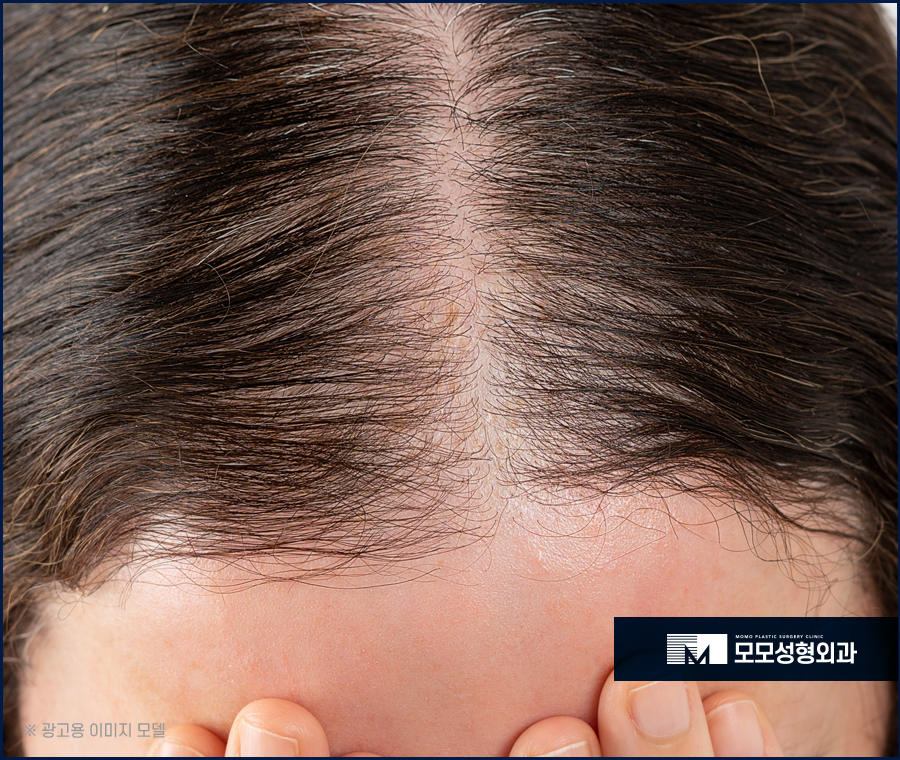
Unlike men, whose hair loss often appears in an
M-shaped pattern centered on the forehead and
hairline, women usually first show symptoms at
the crown area and the part line. In the early
stages, the hair gradually becomes finer, and the
part line slowly widens. As the condition
worsens, the exposed area of the scalp, which
appears white, can become more extensive.
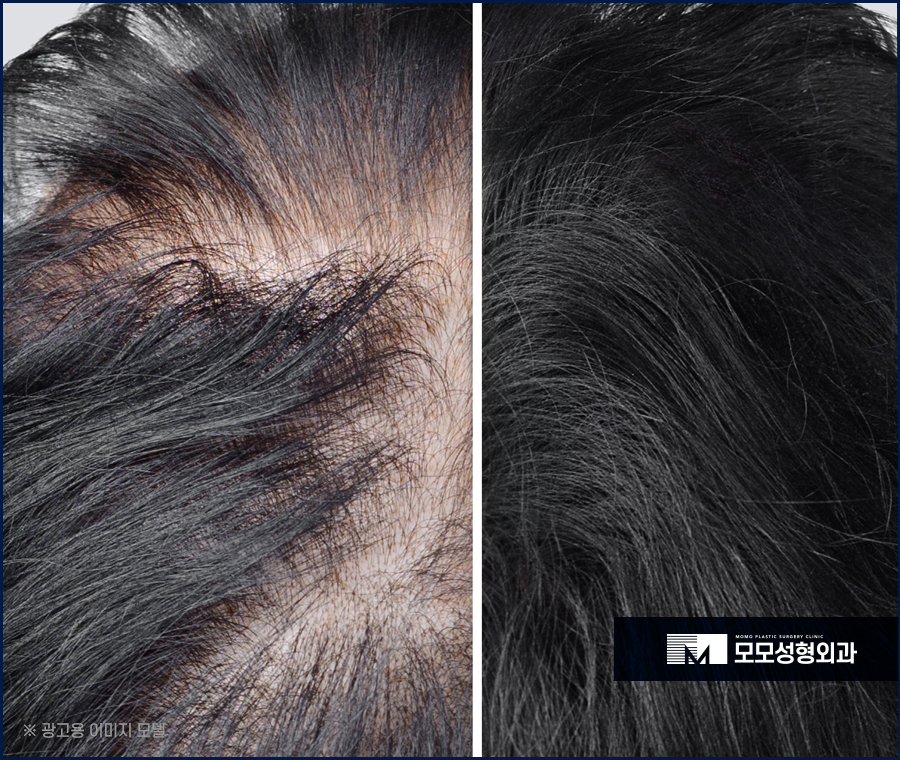
And although it may not be clearly noticeable at
a glance from the front, at some point the skin
on the crown and part line becomes visibly
apparent, making it impossible not to be
concerned. If the volume in that area has sunk
down and the scalp is clearly visible, it can
affect the overall impression and image a person
projects. Not only can it make someone look
older, but because women tend to be especially
sensitive about appearance, it may also lead to
psychological issues. Therefore, hair-loss
treatment is more effective when addressed as
soon as symptoms are observed; the earlier it is
managed, the better the results can be. By
visiting a clinic, receiving a diagnosis suited to
the condition, and undergoing female crown hair
transplantation, worsening of the symptoms can
be prevented.
Female crown hair transplantation is a method
that can restore volume and create a fuller look
in situations where the amount of hair has
gradually decreased and volume has become
insufficient. In particular, it is desirable to place
priority on personal design planning so that a
natural appearance can be created without it
showing when seen from the outside. Criteria to
be included in personal design include the shape
of one’s head and face, the overall balance of
facial features, the direction and density in which
hair grows and falls, and unique characteristics
such as fine baby hair, thin natural hair, ordinary
natural hair, and thicker hair. It is important to
carefully examine these factors and design the
procedure so that it achieves a harmonious
distribution with the existing hairstyle.

Surgical methods are divided into incision and
non-incision types depending on whether an
incision is made. The former refers to removing a
certain section of scalp, collecting the follicles
present in that area, and transplanting them to
the problematic region. The latter is a process in
which the doctor selectively extracts relatively
healthy follicles from the occipital region and
repositions and implants them into the same area.
It is important to keep in mind that the suitable
method may differ for each individual depending
on their hair-loss symptoms and current
condition.

In addition, female crown hair transplantation is
a more delicate and detailed procedure than in
men, so extra caution is needed when choosing a
relevant clinic. In particular, when filling in a
problem area, the area may cover a broad
surface, and in some cases high-density, large-
volume transplantation is needed. For this
reason, it is especially important to determine
whether the doctor performing the procedure has
years of substantial experience, outstanding
aesthetic sense, skill, technique, and know-how,
whether they conduct detailed personalized design
consultations, and whether they provide stable
care with a sense of responsibility from
consultation through post-operative management
while minimizing follicle damage. Above all, it is
most important to choose the clinic carefully
based on these points.