Factors that help gauge a person’s outward image and impression
include the overall appearance of the face and features,
the outward shape of each part of the body, and so on. Based on these factors,
one can roughly judge whether a person has a positive or negative image or impression.
Among the elements that distinguish what is seen on the outside,
the design of a hairstyle also plays an important role. There is even the common saying
that “hair makes the face,” which shows that the way hair is styled can greatly change
a person’s image or impression.
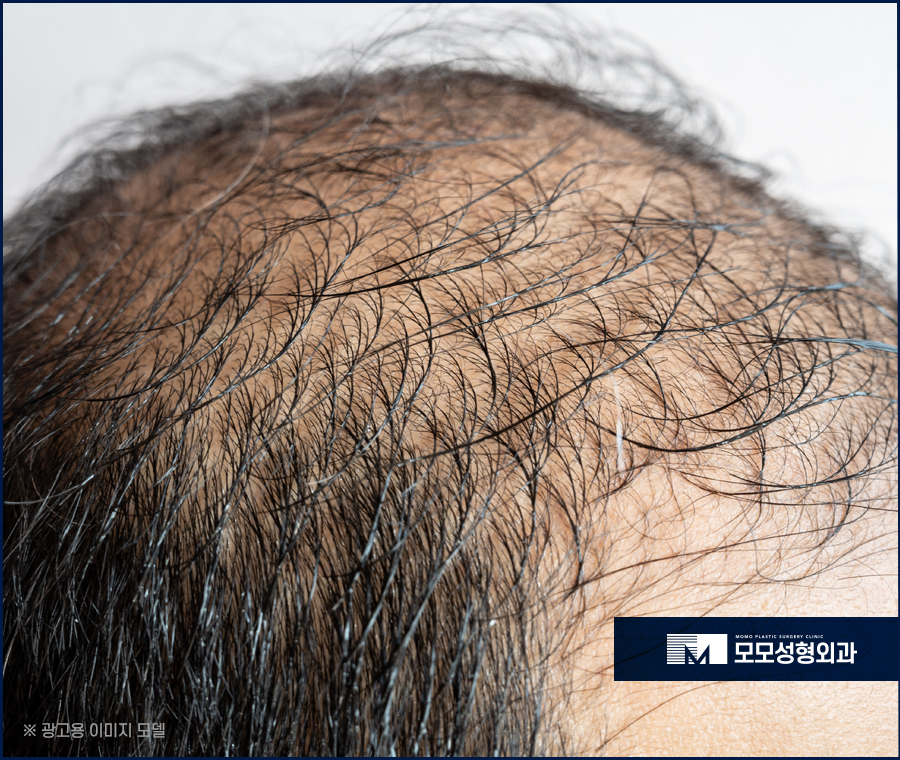
However, if a condition that causes natural hair to fall out appears, the number of hairs
that are shed keeps increasing, the volume noticeably decreases, and even the hairline
begins to change, it is only natural to worry. In particular, more and more people have
recently been visiting specialized clinics because of early signs of M-shaped hair loss.
If this is left unchecked with the thought that it will naturally improve, the affected area
may instead spread to the crown or other areas and worsen. Therefore, it is advisable
to receive an accurate examination of your current condition and take appropriate action.
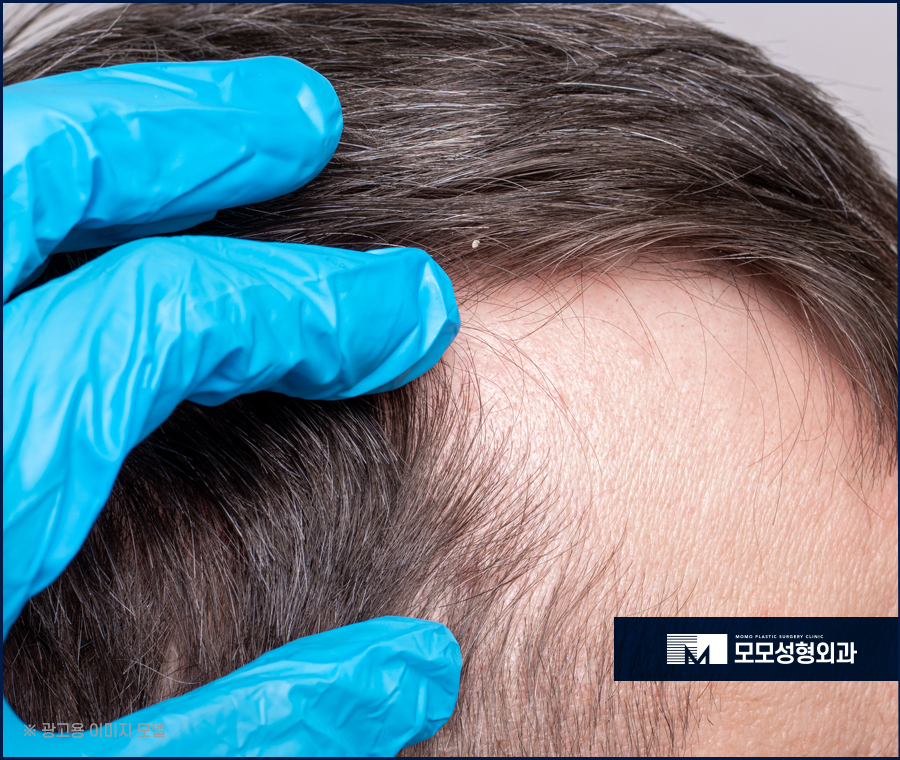
Unlike a type in which natural hair suddenly falls out in a circular pattern,
this type begins gradually as early signs of M-shaped hair loss, making it difficult to
notice directly, and it has the characteristic of progressing quickly. However, the typical
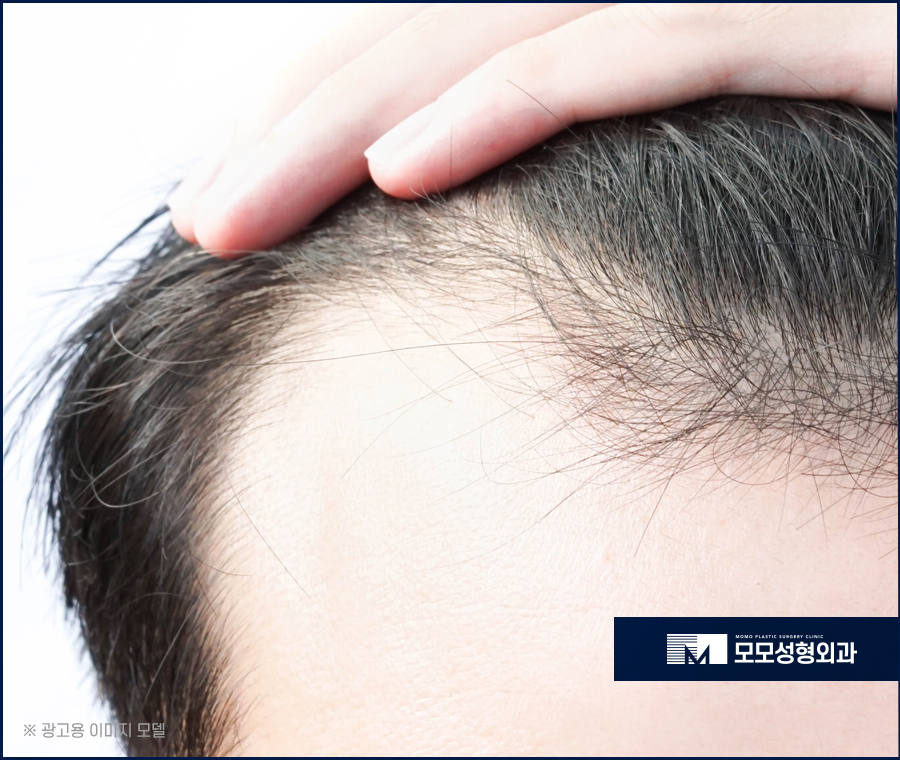
signs that can help you assess it yourself include the hairline receding compared to
before and the forehead appearing wider, especially when both sides are observed in an
alphabet-like shape, or when the surrounding hairs where natural hair is falling out
become progressively thinner and weaker.
Also, if the thickness of natural hair differs and the amount of hair lost becomes more
frequent and greater than before when washing, sleeping and waking up, or brushing,
it can be judged that the process is already underway. And if hair comes out easily
even when pulled with a little force, or if pain appears when massaging the scalp, and
itching, dandruff, or a sudden increase in oiliness occurs, then if you are directly observing
and experiencing these early signs of M-shaped hair loss, it is advisable to visit a medical
institution and receive a thorough diagnosis.
Then what are the factors that cause these early signs of M-shaped hair loss? At present,
modern technology has not clearly identified the cause, but through ongoing research and
analysis, it is inferred to be caused by genetic and environmental factors. It occurs through
the combined action of the genetic factor, which is considered the main cause, and a hormone
called DHT. In the case of genetics, it can be influenced by both the paternal and maternal
sides, and if you carry the relevant gene, the likelihood of developing a hair-loss condition
increases. However, because it may appear relatively inconsistently, there are also cases in
which it does not develop at all.
That is why it is said that it does not appear solely because of genetics; DHT must also
act together for early signs of M-shaped hair loss to occur. Here, DHT refers to a hormone
that affects hair follicles and causes a condition in which hair falls out. It is a substance
converted from the male hormone testosterone, and this hormone is known to shrink hair
follicles and cause a phenomenon called miniaturization, in which natural hair becomes
thinner, weaker, and droops.
In addition, acquired environmental factors such as daily lifestyle and eating habits,
health status, and stress can also be mentioned. Even if your existing hair is thick and
full, if your usual routine or habits are irregular, or if you are under excessive stress from
various situations, a hair-loss condition may progress. If the early signs and type of M-shaped
hair loss are already at a stage where progression has advanced to some extent, improvement
may be slow. Unlike other areas, even if treatment is consistently carried out, restoring the
hair to its previous state may be difficult.
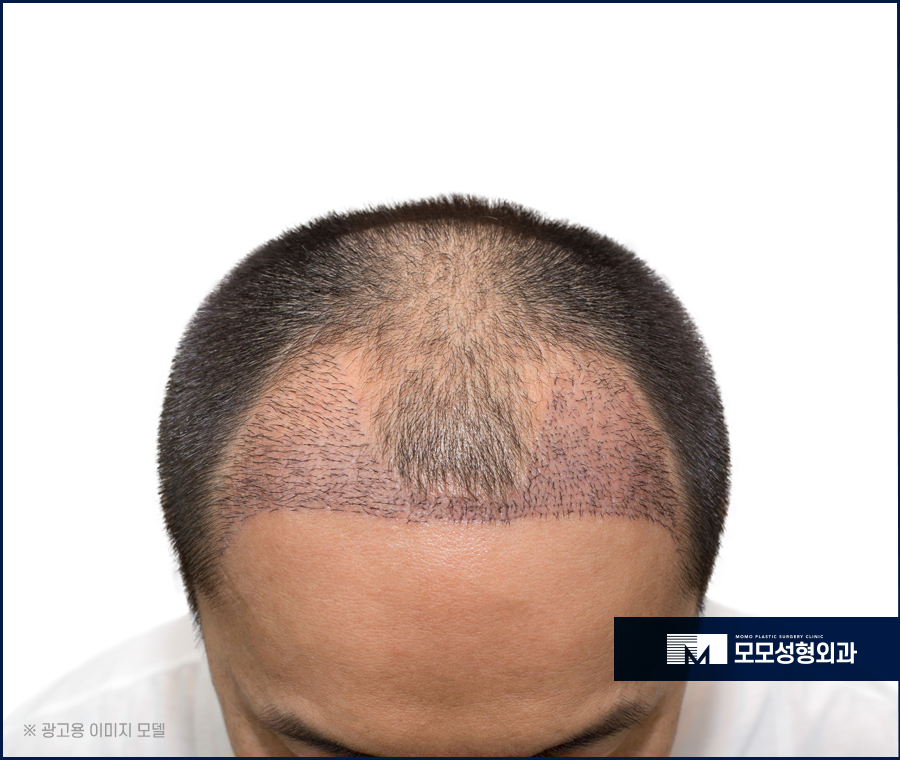
Even if restoration is possible, it may take a very long time to bring the symptoms under
control. That is why it is said that these symptoms should be carefully observed. When the
condition is still in an early stage and has not progressed much, the chances of overcoming
it can be increased through various treatment methods. However, if it has already spread
rapidly and the affected area has widened to the point where it cannot be improved by such
methods, trying hair transplantation can be another option for improvement. Through hair
transplantation, the empty areas can be filled, allowing for natural and satisfying results,
and because the hair used in the procedure is entirely your own natural hair, you may be
able to maintain a full hairstyle for a long time.

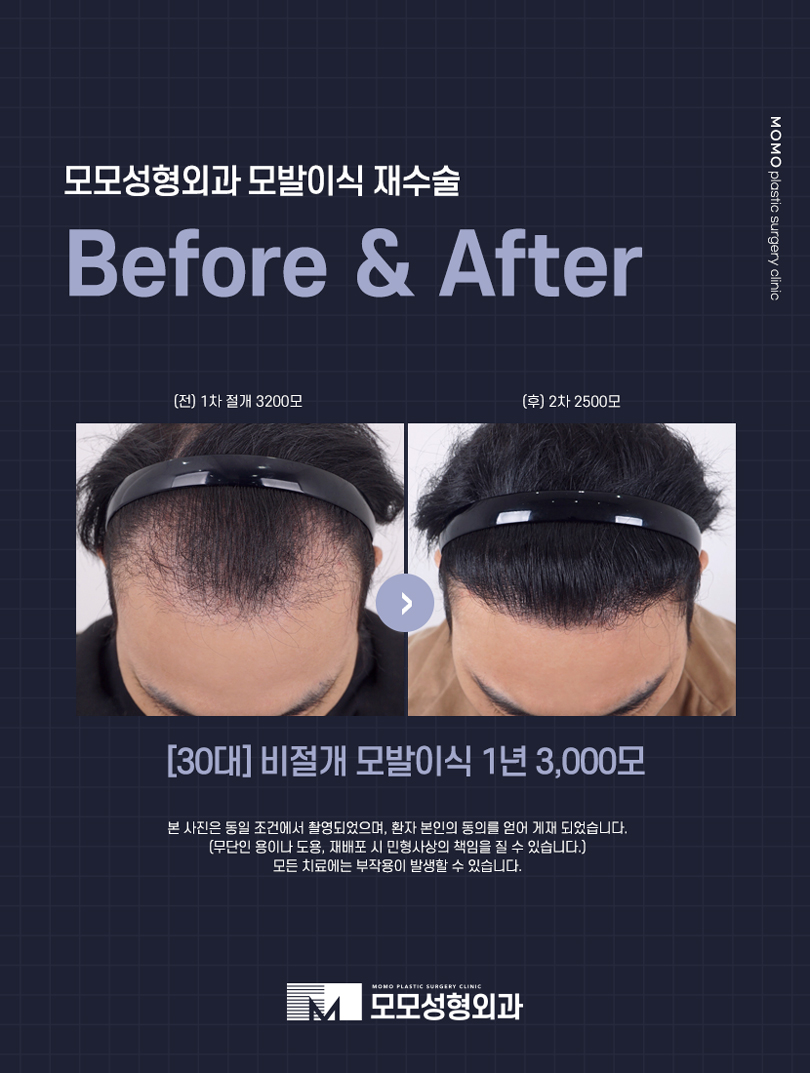
In the case of hair transplantation, depending on whether an incision is made and the amount
of hair needed for transplantation, the appropriate method can be selected between the strip
method and the non-shaven FUE method. Recently, there has been a high demand for the non-shaven
method, which does not require shaving and, without removing a section of the scalp, carefully
extracts relatively healthy hairs from the back of the head and then transplants them into the
desired area. Because it is a method that does not involve incisions, it is less noticeable from
the outside, reducing concerns about scars or wounds, and it also tends to involve less pain,
making it possible to quickly return to daily life soon after the procedure.
In addition, it can be expected that the corresponding graft survival rate is high, allowing you
to anticipate the results you are aiming for. However, before proceeding with such a hair
transplantation, it is essential to check whether the doctor in charge has extensive experience
with various cases over many years, and whether they possess sufficient skill, technique,
and know-how derived from that experience. Also, since the process does not simply end with
filling in hair, it is advisable to examine whether a systematic aftercare system is in place and
to make a decision carefully by setting multiple criteria.