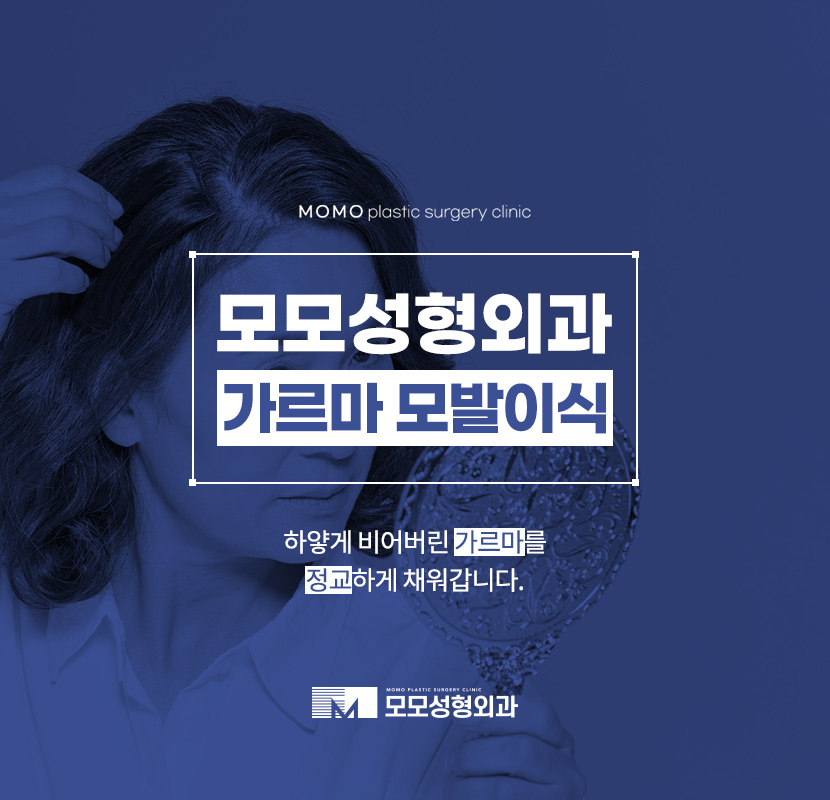
In the past, when we talked about hair loss, it was often seen as a condition that could only happen to middle-aged and older men.
But these days, it is common to see not only men but also women feeling stressed and concerned because of this condition.
And the age at which it occurs is also gradually becoming younger.
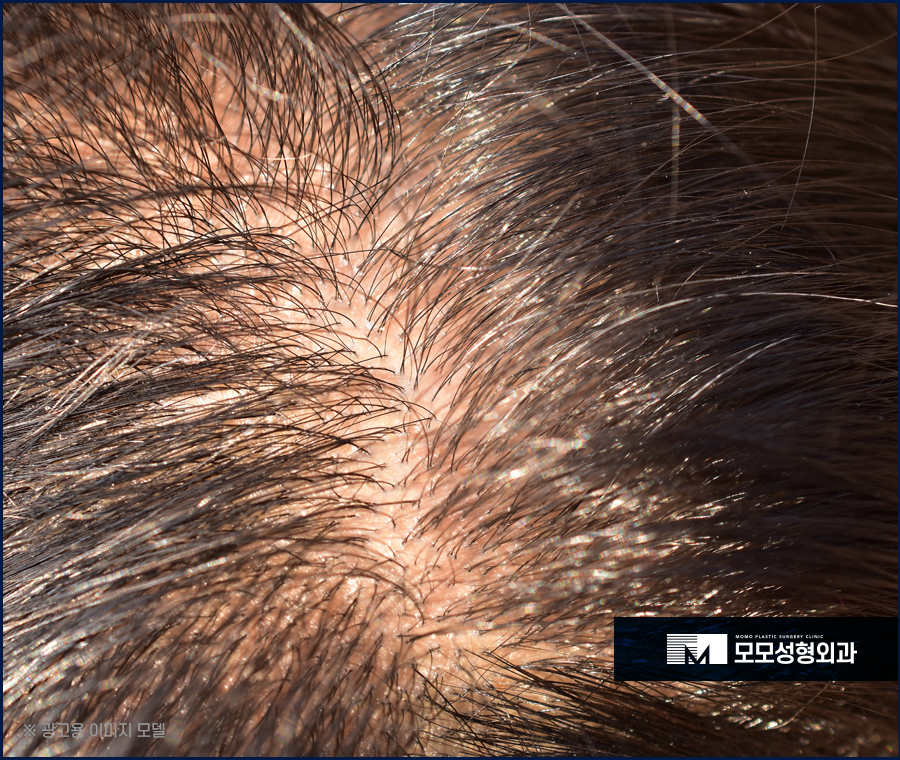
In women, the affected area can also be different, and it may occur in the part line, crown, or bangs area.
Because women tend to be more sensitive than men about their appearance, when a condition like hair loss appears, the desire to recover can become even stronger.
In the case of symptoms that occur in the area where the hair is parted from the forehead to the crown, unlike typical male hair loss, the hairline remains while the condition develops, so it can take a long time to realize that there is a problem.
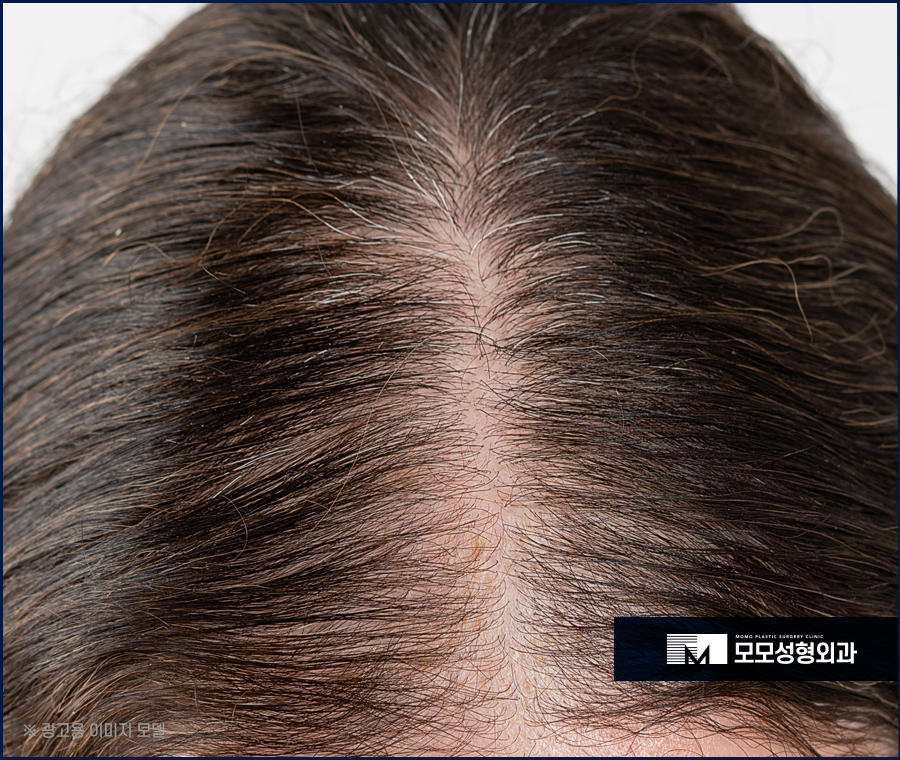
The causes of hair loss can include genetics, and in the case of everyday stress, it can interfere with blood circulation in the scalp, reducing the nutrients that lead to natural hair, which can cause the condition. Irregular habits and other factors can also lead to the condition.
In addition, it can appear due to thyroid-related diseases, excessive weight loss, alcohol or smoking, medication-related problems, or abnormalities in hormone secretion within the body, so the reasons can be varied.
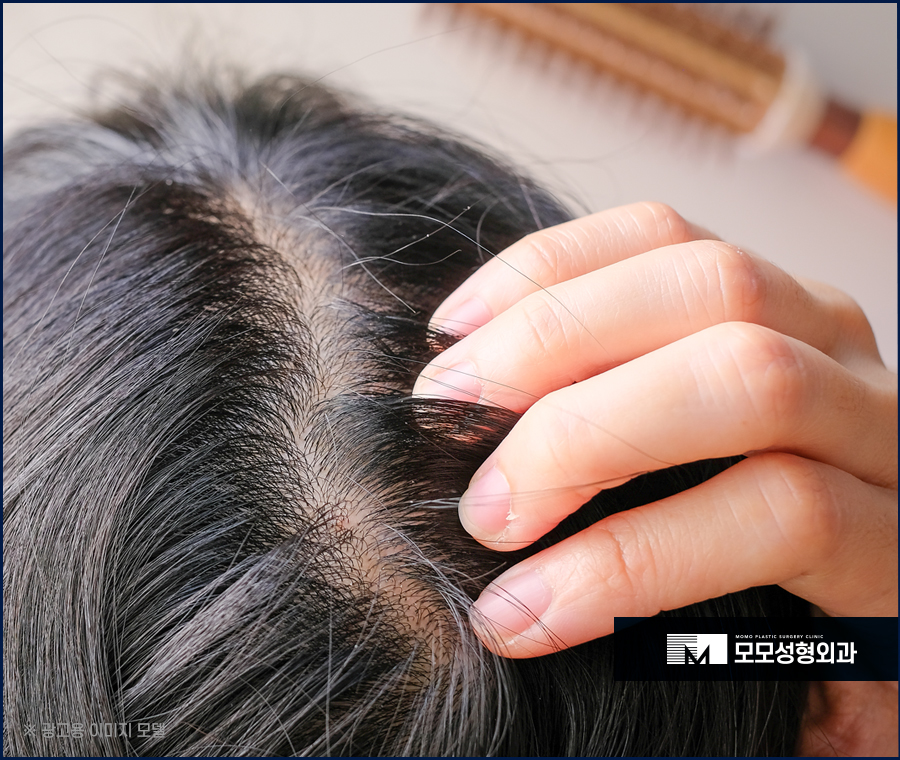
The problem is that as symptoms appear, people naturally become more concerned about the aesthetic aspect, and may wear wigs or go around wearing hats to cover it up. However, this can actually prevent heat from escaping from the head and worsen the problem, so rather than covering it up, it may be better to consider ways to fill in the areas that look white.
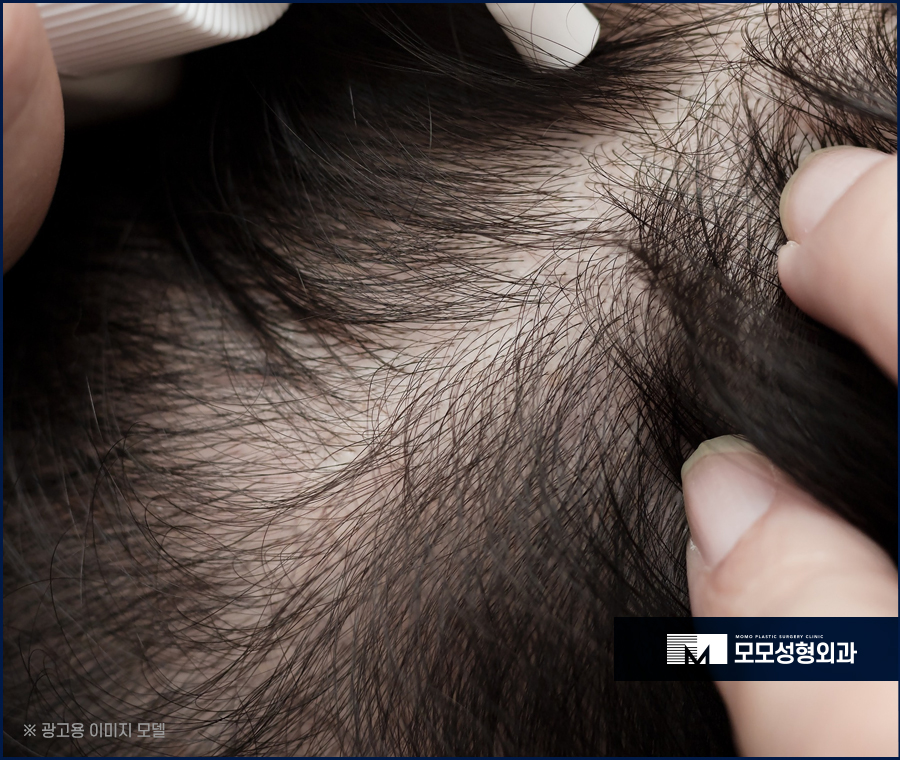
There is also a medication application method, but since it is difficult to achieve a fundamental improvement beyond slowing the rate of spread, filling it in through a hair part transplant may be appropriate.
First, after checking the current condition, a hair part transplant can be performed. The procedure can be classified into excision and non-excision depending on how the follicular tissue is obtained.
Excision involves removing a certain amount of scalp from the occipital area where healthy hair is concentrated, obtaining the tissue, and then implanting it into the desired area.
Non-excision is a method in which the medical team individually extracts and places follicles.
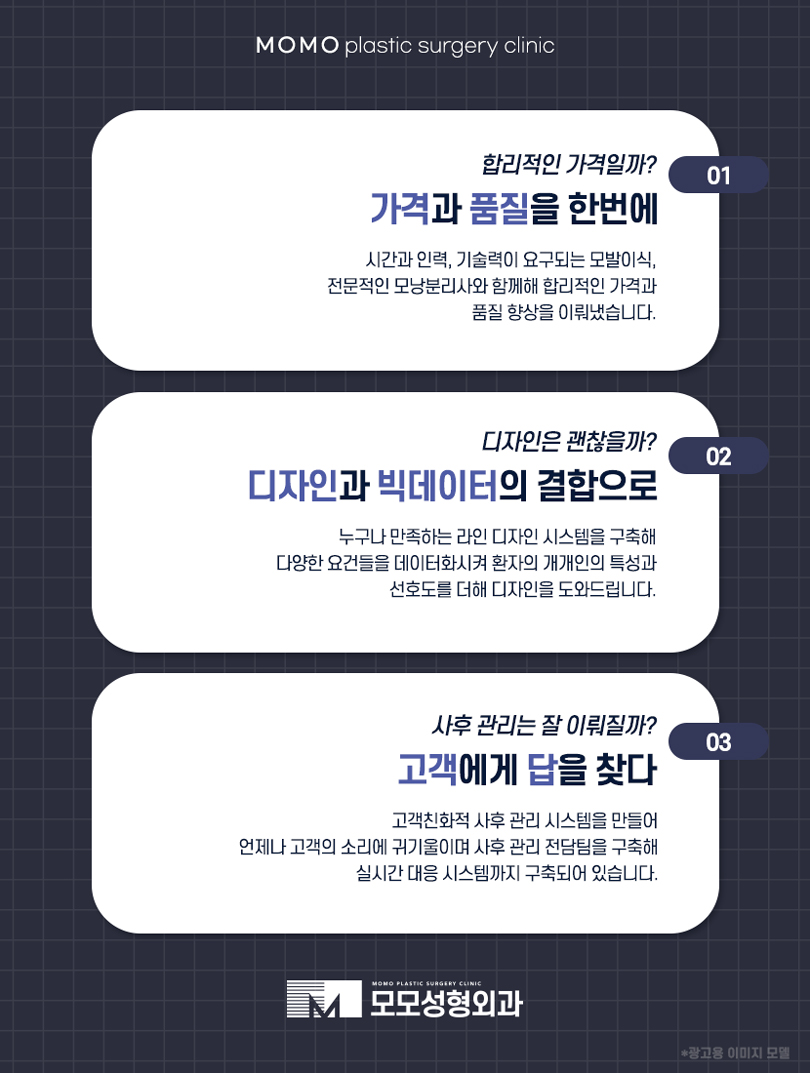
The hair part transplant is performed using the methods described above, and it is difficult to say that one process is better or worse than another; rather, the appropriate method is applied according to the recipient's current condition and the characteristics of their natural hair.
To achieve good results through this procedure, the area being improved is clearly visible to the naked eye when viewed from the front, so rather than thinking only about the density of the natural hair within the scalp, natural harmony with the surrounding area is necessary.
In addition, it is necessary to find and design a personal line design based on an image that suits the recipient in order to achieve natural-looking results through a hair part transplant.
By carefully examining the recipient's face shape, the proportions of their facial features, the direction of the natural hair, and its thickness, and then proceeding with the procedure based on these factors together with the medical team, good outcomes can be expected.

Also, it is important to carefully consider several factors in advance, such as the medical team’s skill, experience, and know-how, the graft survival rate, whether ongoing aftercare is available, and whether the clinic has methods to help ease the fears of those who are worried about pain.
Choosing after considering these elements is a way to fill in the areas that had only been showing white through a hair part transplant and obtain strong, harmonious hair.