After washing your hair as usual every day,
drying it, and brushing it,
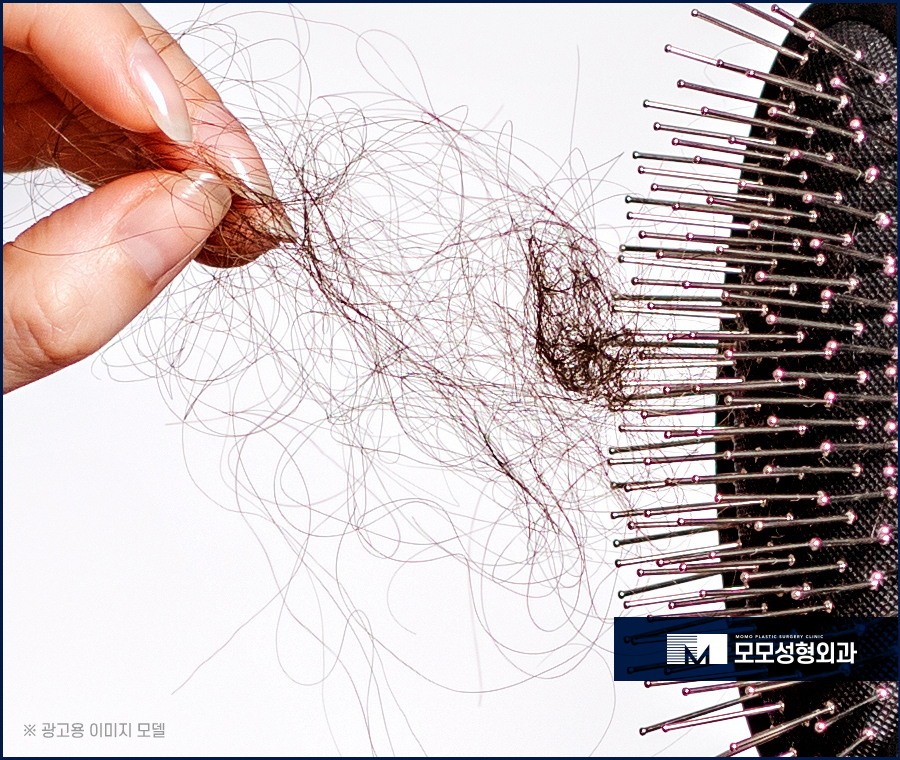
even though you went through your normal routine,
you might absentmindedly count the hairs
that have fallen onto the floor and notice
that, unlike before, quite a large amount has shed
and that the hair feels weaker.
If these unusual signs appear, many people
may wonder whether something is wrong
with their health and feel uncertain
about what steps to take.
As the number of people of all ages and genders
experiencing this type of hair loss condition
continues to rise, the number of people
seeking related information and visiting
Sinsa Station hair loss clinics is also growing.
This is a warning sign for scalp and hair health,
and because it gradually lowers confidence
in one’s appearance and can make social activities
and interpersonal relationships feel burdensome,
it is best to address the troubling areas
as soon as possible.
Above all, the most important thing is to carefully
identify what symptoms are currently appearing,
and then visit a Sinsa Station hair loss clinic
to proceed with appropriate treatment and
supplementary methods.
In the past, it was once thought to be the domain
of middle-aged and older men, but in recent years,
due to various factors, it has become a concern
that no one can feel completely safe from,
regardless of gender or age.
Among the representative causes of hair shedding,
there are genetic factors due to family history,
but these days, it is believed that environmental
factors that develop later in life have a greater effect.
Among these, stress is mentioned first.
For modern people living in a highly advanced society,
this is a very vulnerable factor.
In addition, irregular lifestyle patterns that go
unnoticed because of busy schedules,
nutritionally unbalanced eating habits,
hormonal changes, and various changes in the external environment
are all known to be diverse causes that can trigger
hair loss.
Among people visiting Sinsa Station hair loss clinics these days,
the proportion of women has also increased significantly,
and especially among younger age groups,
the number of people experiencing this condition has risen.
Because they are relatively young and healthy,
if they casually assume that it will naturally heal over time and leave it untreated,
they may instead face irreversible results,
so caution is necessary.
At the early stage of hair shedding symptoms,
people may take medicines that are said to promote hair growth
or use related hair products,
but if used indiscriminately, they can instead have a negative effect
on the scalp and hair and even reach the point
of accelerating the shedding process, so care is needed.

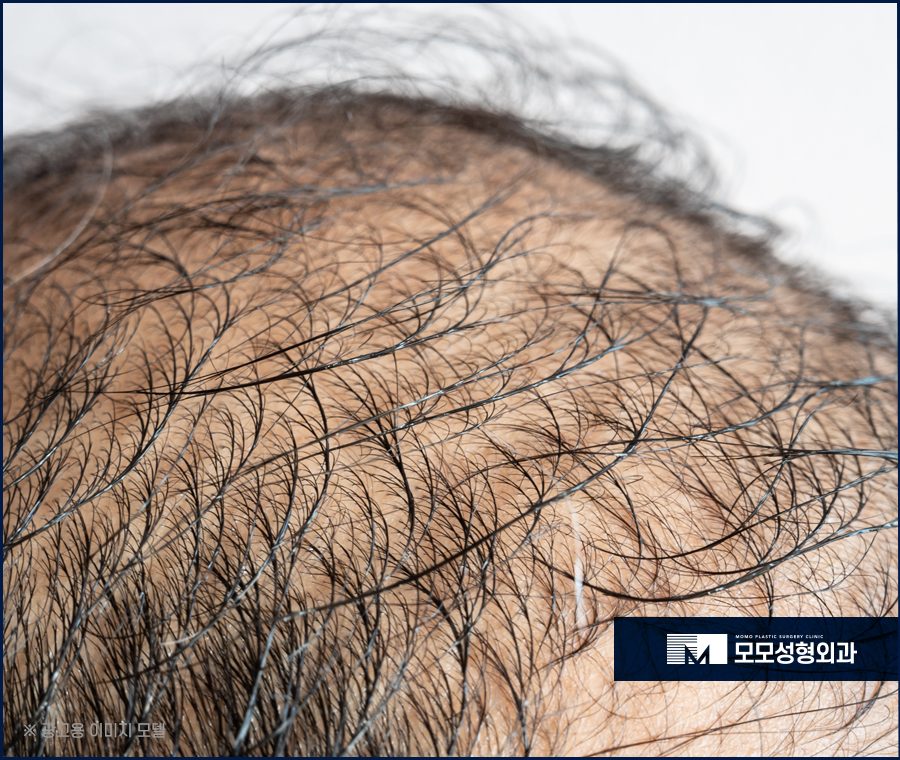
If, after the early stage has passed, the problem areas become so visible
that the hair is sparse in multiple places and the affected area has widened,
some people try to cover it with items such as hats or wigs,
or with dedicated makeup,
but these methods are only temporary and inconvenient,
and they also come with the hassle of having to consider the season.
That is why many people visit Sinsa Station hair loss clinics
to look for a clearly more effective solution.
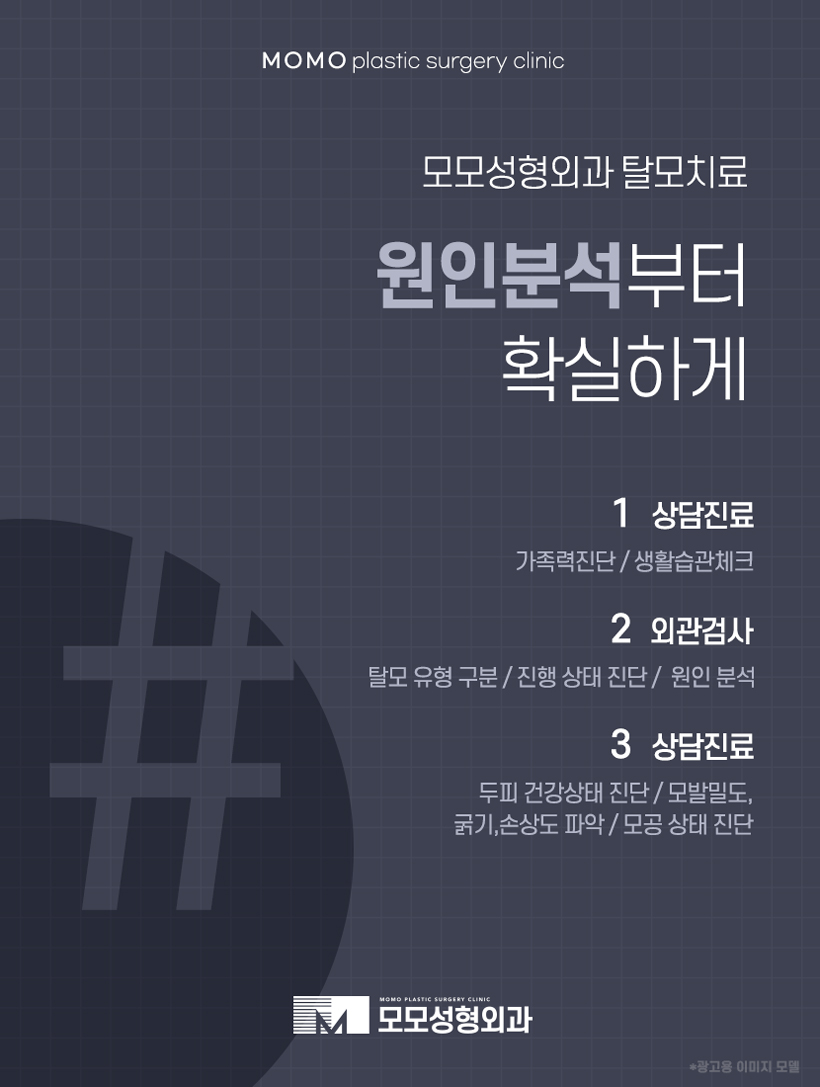
After receiving detailed consultation and diagnosis from the doctor on duty
at the Sinsa Station hair loss clinic,
you can choose a management method suited to the cause of the condition,
the problem area, and the condition of the scalp and hair.
In this way, the treatment method may differ depending on the symptoms
and condition currently shown in each person,
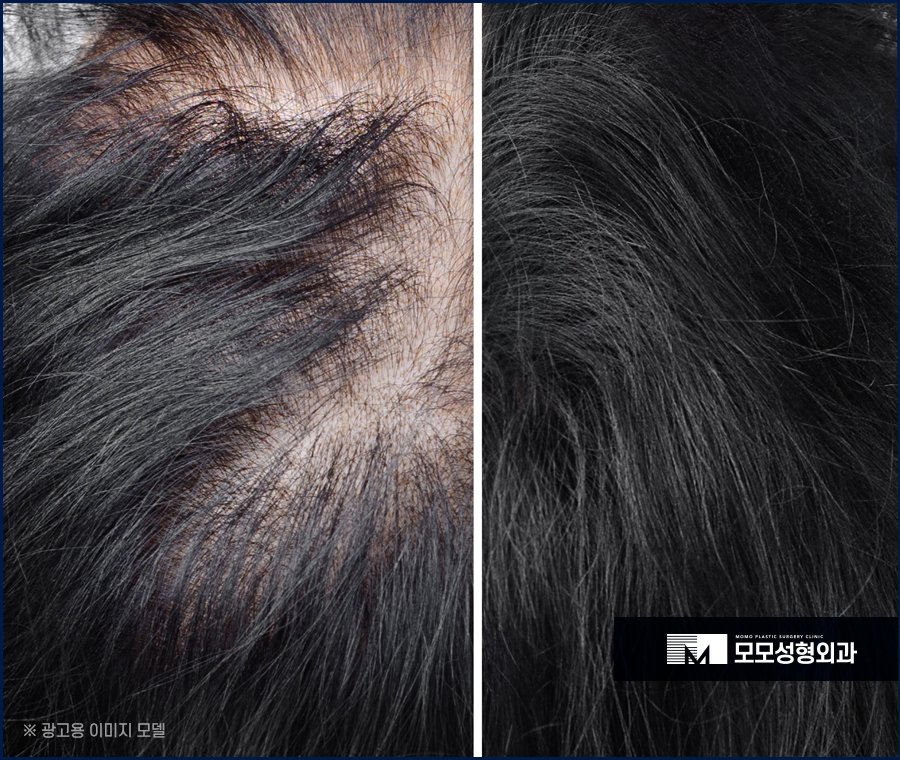
but among the supplementary methods that are receiving a great deal of attention
as a solution that can help create a dramatic and natural-looking original hairstyle,
hair transplantation can be mentioned.

It is known as a management method chosen by many people,
as it shows effective improvement and excellent design.
Hair transplantation is carried out by extracting follicles from the occipital area,
which has relatively good elasticity and healthy hair,
and transplanting them into the problem area where natural hair is lacking
and the scalp is clearly visible.
This process is classified into the incision method and the non-incision method,
depending on whether an incision is made.
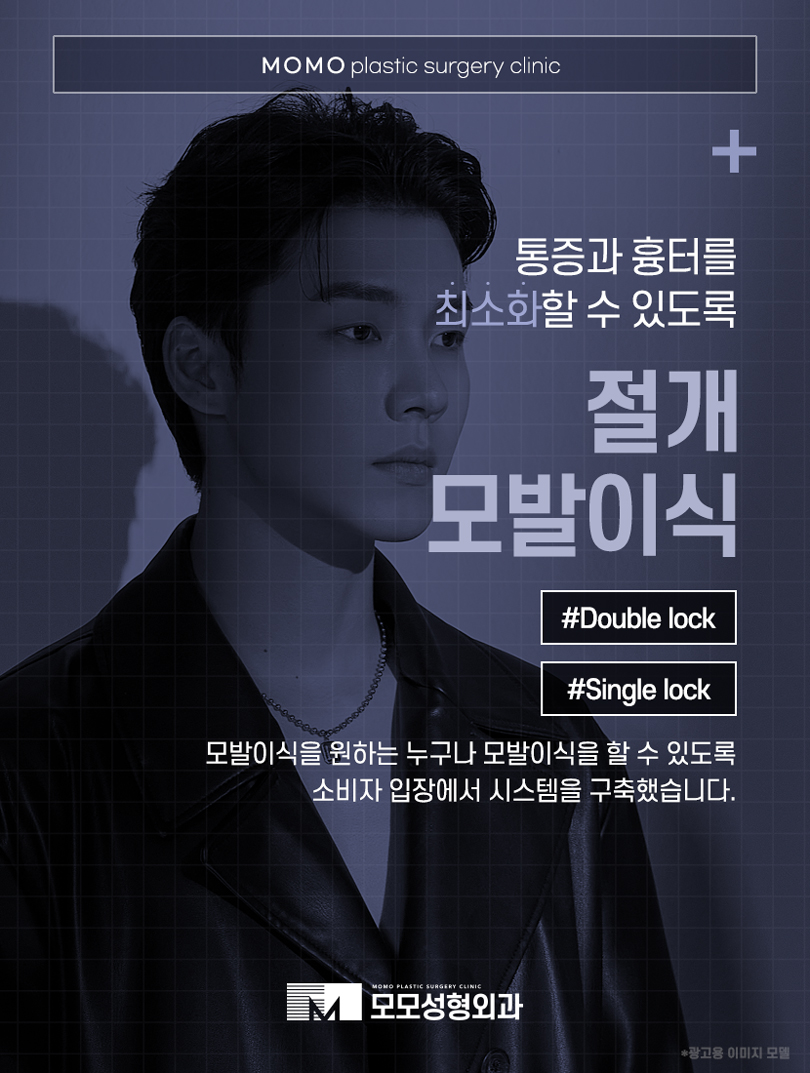
First, in the case of the incision method,
a portion of the scalp is removed from the occipital area,
where the hair has good elasticity and a large amount of natural hair,
and the follicles in that area are then obtained.
It is also known as a method that can collect a large number of follicles at once.
However, because this method requires excision,
a burden regarding scars and wounds is involved,
so it is important to proceed only through a doctor with outstanding skill and expertise.

The non-incision method, which is performed without removing tissue from the occipital area,
collects follicles from the overall area,
so it can minimize visible scarring and may produce results that are not outwardly noticeable.
In addition, because only the amount needed for transplantation is obtained,
it can be an efficient alternative when delicate procedures are required,
such as correcting an M-shaped hairline,
the forehead, or the hairline.
And because no separate recovery period is required,
it has the advantage of allowing a return to a busy daily routine.
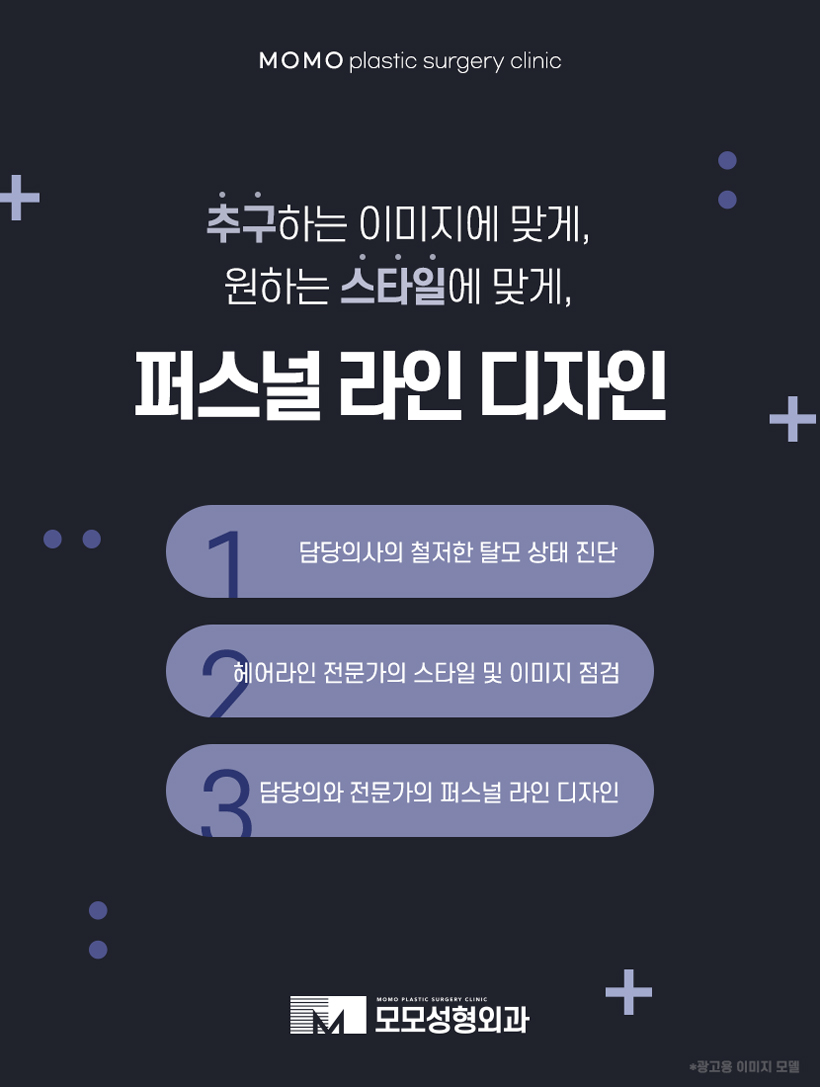
This surgical method provides a natural-looking and excellent improvement effect,
but the necessary method and the difference in graft survival rate may vary
depending on each individual’s scalp condition, cause, and problem area.
Therefore, in order to find the process that is suitable for you,
it is advisable to receive an accurate diagnosis from the doctor at the Sinsa Station hair loss clinic
before proceeding.
It is also important to check whether the doctor has extensive experience
with various cases over many years,
and whether they have sufficient technique and know-how gained from that experience.
Rather than a uniform approach, it is most important to make a careful decision
after establishing several criteria, such as whether they design a personalized plan
according to each person’s characteristics and type,
whether they carry out the process in a systematic order,
and whether they provide meticulous aftercare to ensure stable graft survival.