We are now in an era where the number of people experiencing hair loss symptoms and related conditions has reached 10 million.
It has become a situation in which this is no longer limited to certain people, and anyone can no longer assume they are exempt.
In the past, there was a strong tendency to dismiss it as something that only appeared in middle-aged and older men, but due to the development of a more advanced society, people of all genders and ages are said to suffer from this problem because of not only innate causes but also a variety of acquired factors.
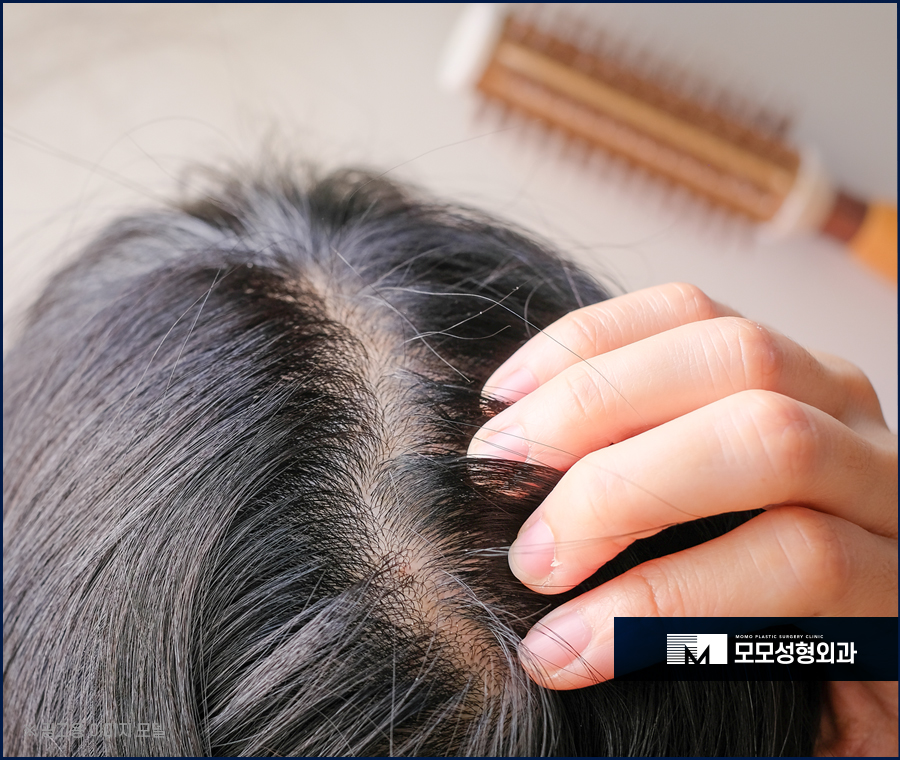
In particular, among younger adults, the number of people visiting related clinics for symptoms such as early-stage crown hair loss in their 20s is steadily increasing.
Even at a relatively young age, if you assume normal hair, losing about 50 to 70 hairs a day is generally not something to worry too much about, but if more than 100 hairs are falling out and the hair is gradually becoming thinner and finer, breaking off, it may mean the condition is progressing, so it may be a good idea to get a consultation.
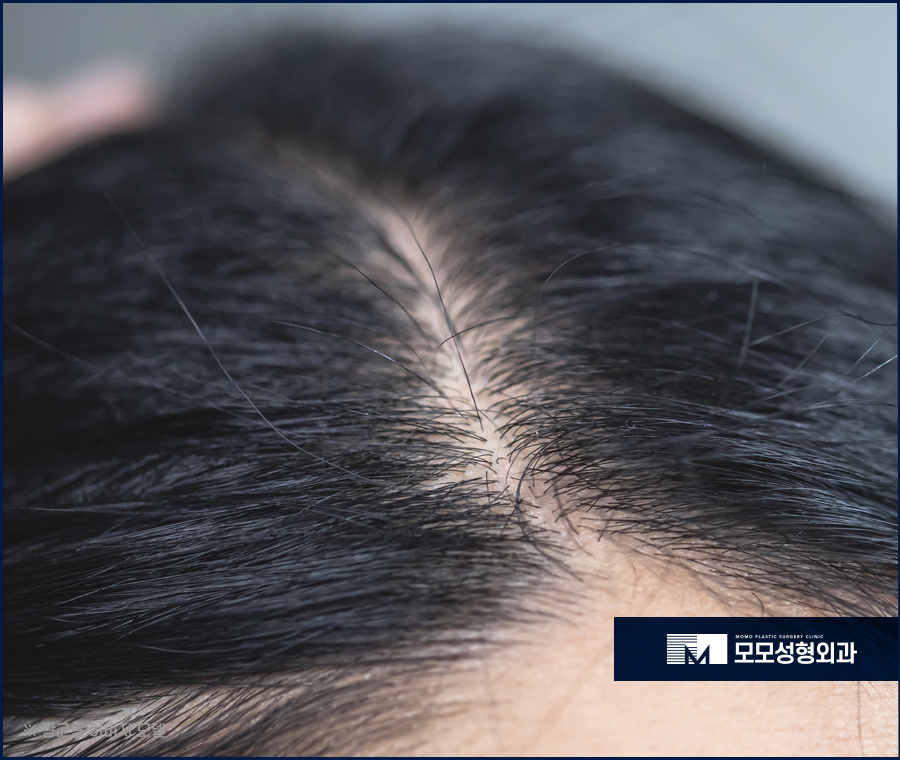
As with other problems, it is important to take appropriate measures as soon as you recognize the signs of early-stage crown hair loss in your 20s.
If treatment is delayed or the condition is carelessly left untreated, the symptoms are more likely to worsen.
It is also recommended to actively identify, at an early stage, what is causing hair loss at a young age.
Representative causes that can lead to early-stage crown hair loss in your 20s include irregular 생활 patterns that may have gone unnoticed because of a busy daily routine, overly Westernized eating habits, extreme dieting and restrictive eating, stress, which is called the root of all illnesses, and hormone secretion.

At the early stage of crown hair loss in your 20s, it is actually difficult to clearly identify the signs.
As mentioned briefly above, it can generally be recognized by symptoms such as the hair on the crown beginning to thin and a difference in thickness appearing between that area and the hair at the back of the head.
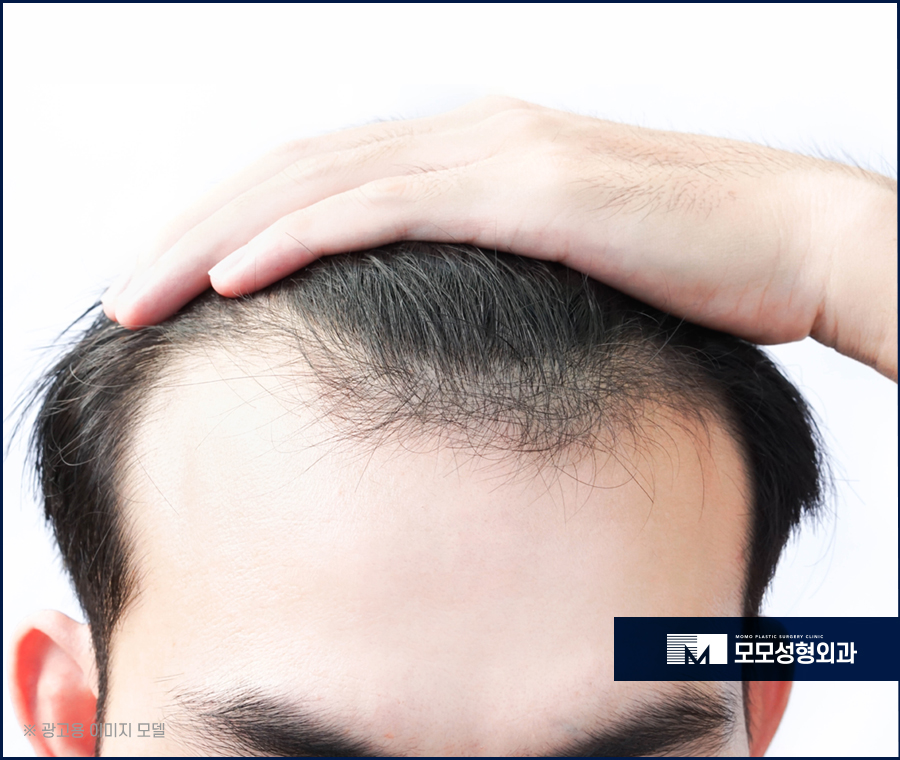
In women, this kind of change is often referred to as an O-shaped pattern, while in men it is referred to as an M-shaped pattern, and it occurs in a form where hair is lost from the forehead area to the crown.
After becoming aware of these symptoms, it is advisable to proceed with treatment sooner rather than later.
You can try a simple hair pull test to see whether you may be in the early stage of crown hair loss in your 20s.
Using your thumb and index finger, gently pull the terminal hairs in the area of concern without too much force; if three or more hairs come out, hair loss may be suspected, and visiting a clinic related to this condition to undergo appropriate tests may be helpful.
After receiving detailed consultation and an accurate diagnosis from the doctor in charge and then trying the selected method, you can work toward regaining your original hairstyle. However, the method currently drawing attention from people who have been worried about early-stage crown hair loss in their 20s is hair transplantation.
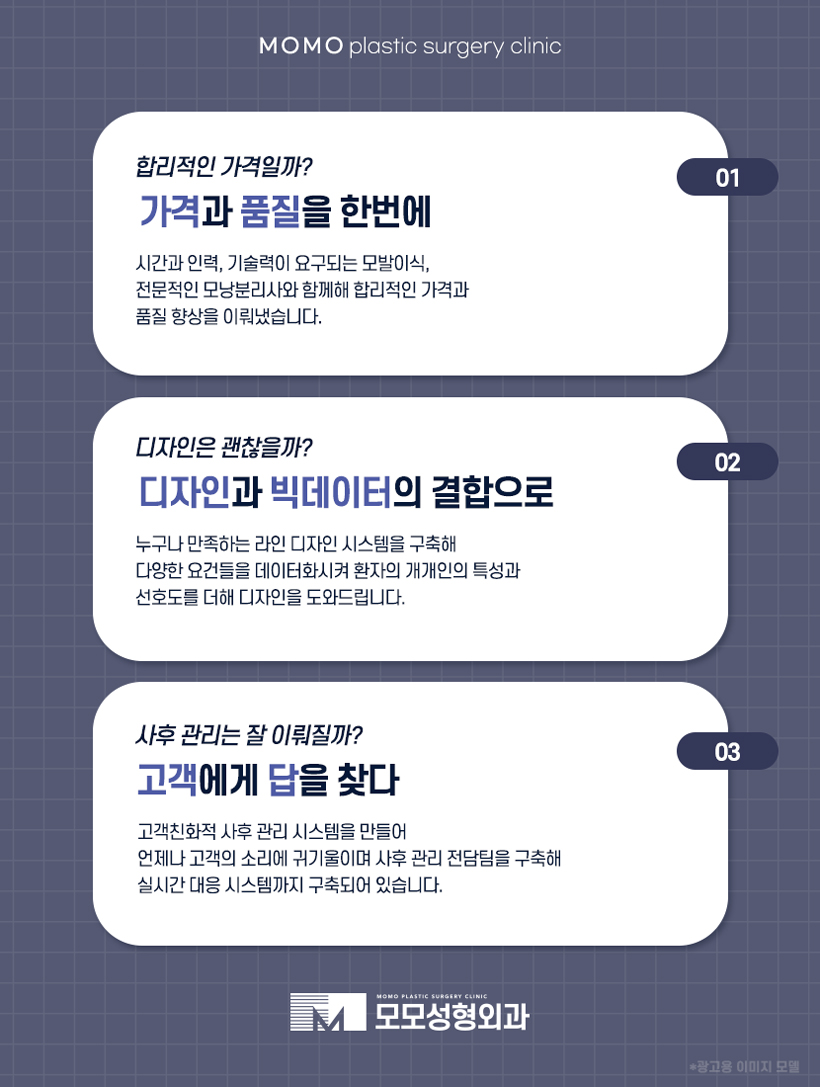
If you are considering supplementing the problematic area through transplantation, it is most important to set multiple criteria and carefully review and consider them before making a decision.
When choosing the clinic and doctor to perform the procedure, you should determine whether they have extensive experience with a wide range of cases over many years, and whether they possess the delicate, precise technique, skill, and know-how that come with that experience.
This is because the process of extracting follicles from the occipital area, where the hair is relatively healthy, and then relocating and transplanting them into the empty areas is by no means simple; it is a highly advanced procedure that requires technical skill.
In addition, the direction, angle, and density of the existing hair must be considered comprehensively.
And factors such as the proportions of your face shape, skull shape, and facial features, as well as the hairline and sideburn range seen from multiple angles, must all be taken into account so that they naturally harmonize with the hair you already have and can be styled to look like your original hairstyle after transplantation.
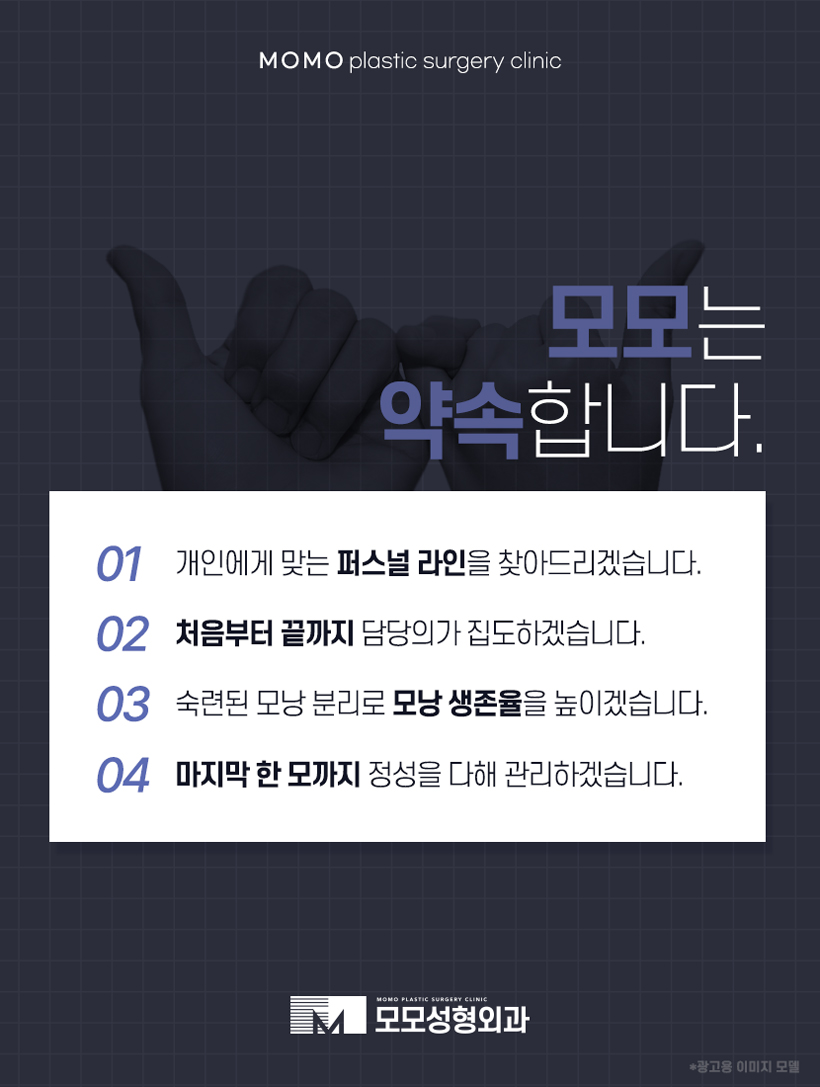
Therefore, it can be said that before proceeding, it is important to carefully and thoroughly examine the aesthetic elements and move forward only after considering a personalized design tailored to each individual.

If you try the procedure without properly establishing these standards and focus only on a promotional low price and packing in a dense appearance, you must keep in mind that you may face artificial, unnatural, and negative results that are completely different from what you expected.
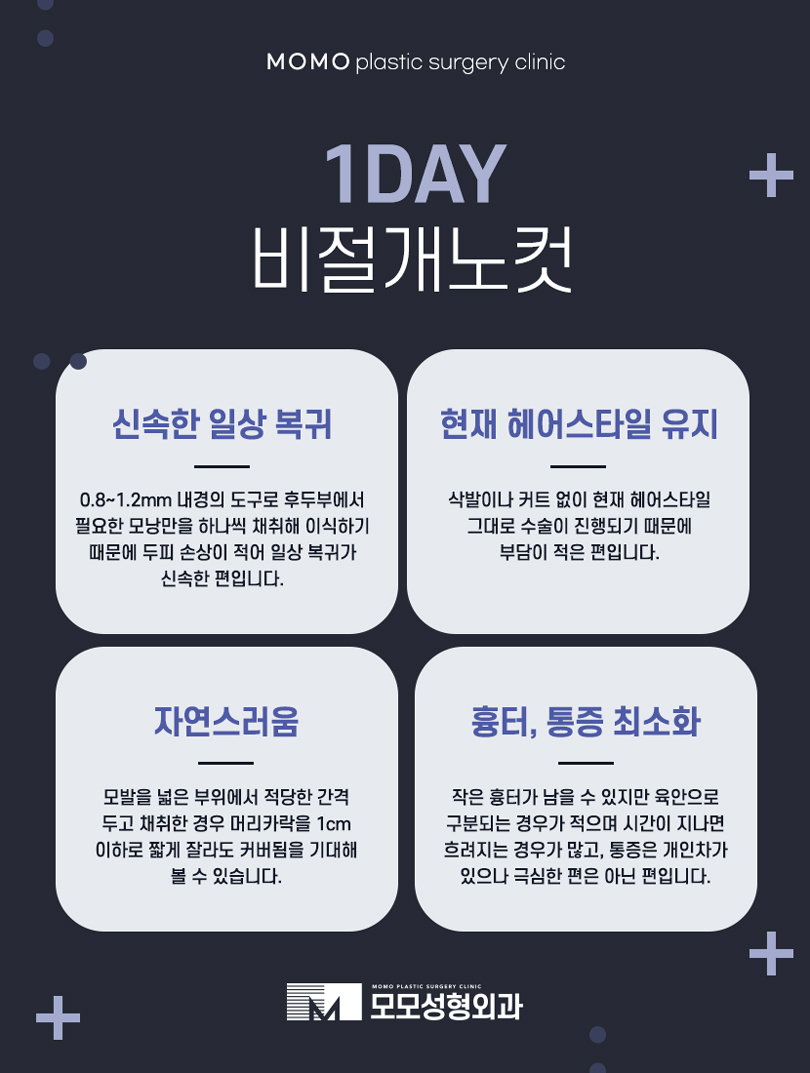
In addition, hair transplantation can be carried out by choosing either the incision or non-incision method depending on the number of terminal hairs needed for the procedure and whether excision is involved.
The incision method involves removing a certain portion of the scalp from the occipital area and transplanting it into the empty space, while the non-incision method does not involve the burden of excision and proceeds by using tools such as an implanter pen, with the doctor personally extracting each follicle one by one and relocating and transplanting them.
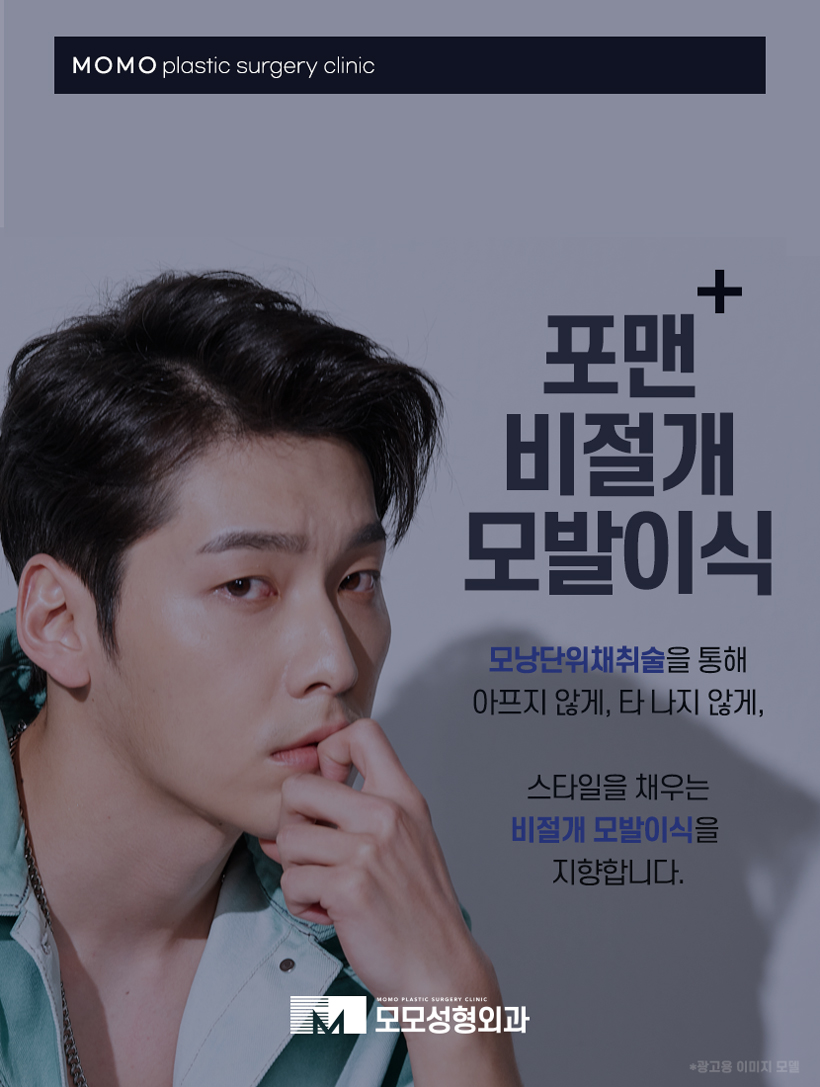
This kind of method is not something to decide on your own; since it is a matter that depends on the current condition and symptoms, it is advisable to receive an accurate diagnosis from the doctor in charge.
If you are struggling with early-stage crown hair loss in your 20s, rather than desperately trying only to hide it and leaving it untreated carelessly, it is important to look for ways to improve it, respond actively, and focus on regaining your original hairstyle.