There are many elements that can create outwardly visible beauty,
and among them, hairstyling is undoubtedly one of the most important
parts. In addition, in recent years, hair that can be styled in a wide
variety of ways to keep up with rapidly changing trends and fashions
has come to be seen as an advantage. However, if the amount of hair
is insufficient, if it looks less voluminous, or if there are empty
patches here and there, it can become very difficult to create these
styles. As a result, once-confident self-esteem can decline, and even
ordinary daily life can become extremely stressful.
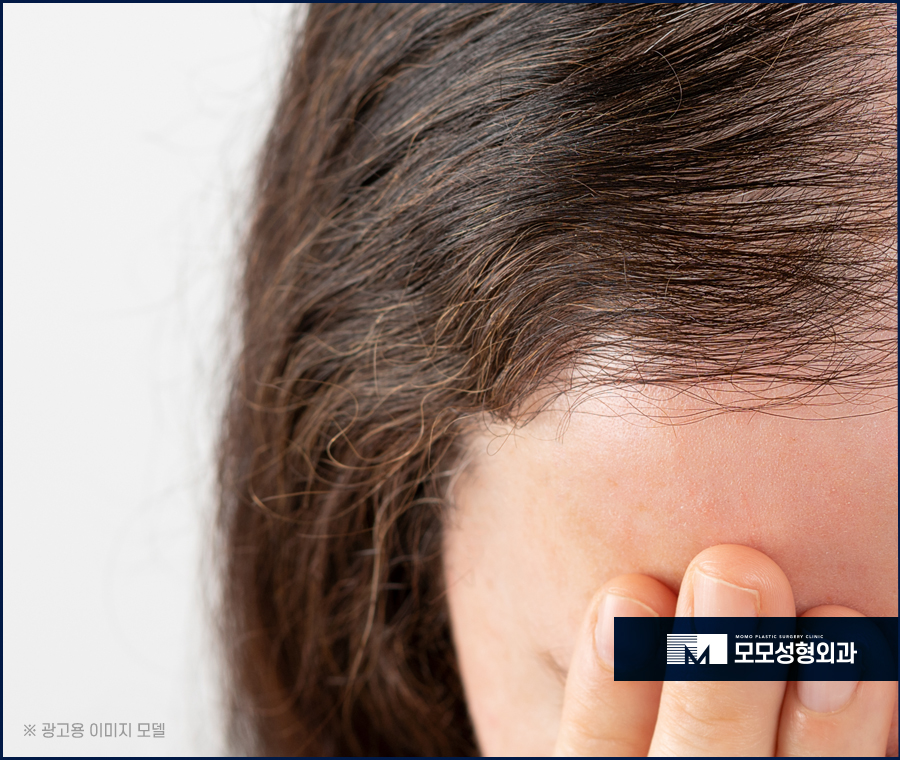
Stress, often described as the root of all illness, can in turn become
a cause of hair loss again, creating a vicious cycle. In particular,
if these symptoms appear at a young age, they can deepen one’s worries
even more. For those who have worked hard at their studies and made
numerous efforts to get a job at the place they wanted, but then
experienced a drop in confidence about their appearance because of hair
loss before an interview, seeking a solution that can help create a
cleaner and more polished impression is what female hairline hair
transplant is said to provide.
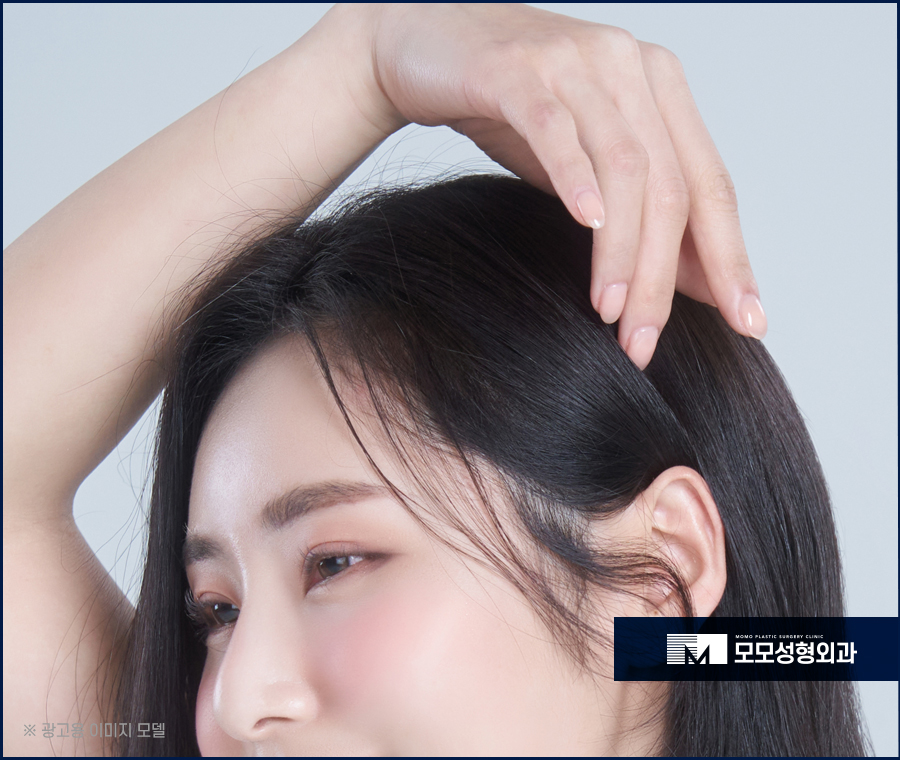
When the bangs are lifted and the forehead is exposed, the boundaries
on both sides may appear empty in an M-shape, or may look untidy due
to an uneven shape, giving the impression of an unkempt appearance and
even affecting the overall face shape. The causes of hair loss in women
can be broadly divided into three categories. In cases where hair falls
out in a circular pattern, stress is the biggest factor. Hair follicles
and hair, which play an important role in the production of natural
hair, repeat a growth cycle, and hair loss is known to occur when the
stem cells in the follicles remain in the resting phase and do not
regenerate.
When stress continues to take a toll, a substance called cortisol is
produced, which prolongs this resting phase and prevents natural hair
from growing. Hair can also fall out due to hormonal changes caused by
menopause. As this stage begins, the level of male hormones can become
relatively higher, causing sebum production on the scalp to decrease,
which leads to dryness and gradual thinning of natural hair. In
addition, due to the influence of DHT, which is often cited as a major
cause of hair loss, the likelihood of female-pattern hair loss was high.
If a young woman experiences these symptoms, one may consider a natural
hair shedding condition caused by nutritional deficiency. When dietary
intake is adjusted for dieting with weight loss as the goal, essential
nutrients may be lacking, and in that case it can become difficult for
natural hair to be produced and grow, so it is important to maintain a
balanced diet.
If hair loss occurs for these reasons, people will naturally make many
efforts in response. Even if you try methods such as using shampoos
with functional ingredients or applying dedicated medications, if only
temporary effects are seen and there is no noticeable improvement,
you may consider female hairline hair transplant. After a thorough
consultation and diagnosis with the doctor regarding your symptoms,
condition, and hair characteristics, you can choose between incision
and non-incision methods depending on the required number of grafts
and whether tissue removal is needed. Since the appropriate approach
can differ from person to person, it is desirable to choose by
considering the differences, advantages, and disadvantages of each
method.
Through female hairline hair transplant, a wide and high forehead can
be made to look narrower, the empty M-shaped areas can be filled in
naturally to create the effect of a smaller face, and by placing the
grafts slightly forward of the cheekbone area on the sides, it can help
create a three-dimensional smaller-looking face. It can also be
carefully expressed, including the sideburns that suit the overall look
without making it appear excessive.
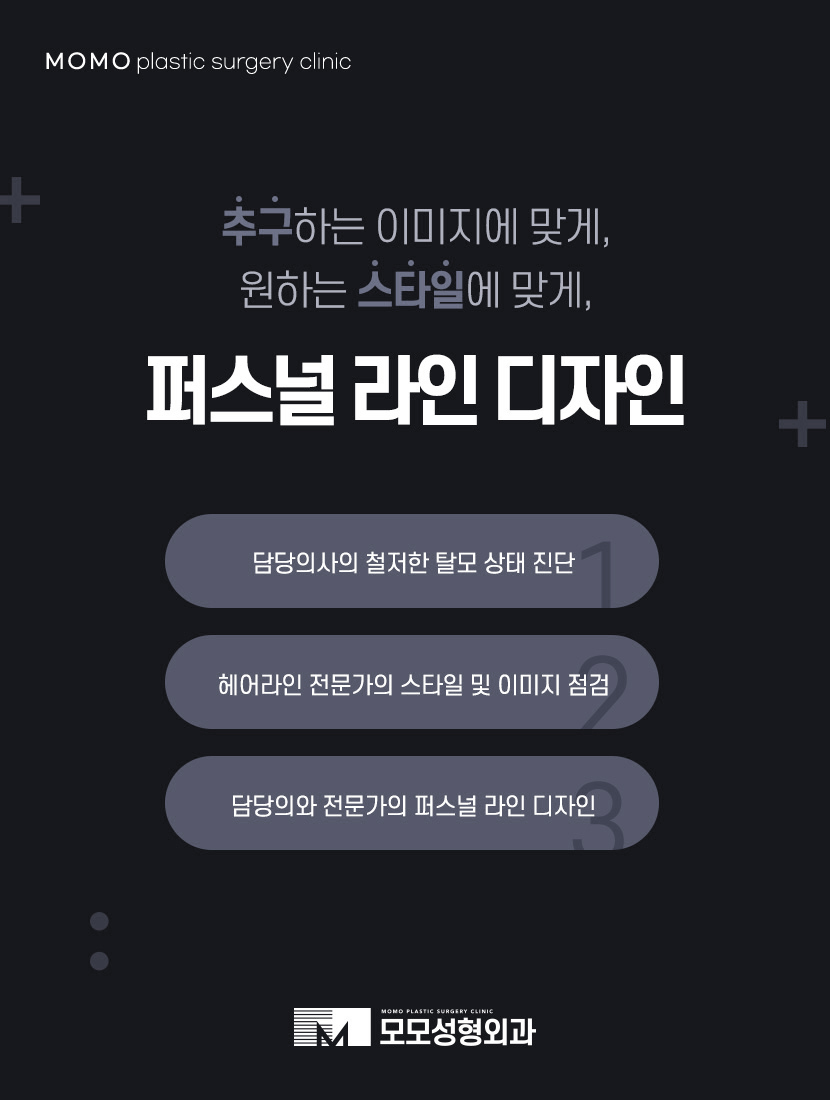
Above all, an important standard in female hairline hair transplant is
that each person has different features and facial characteristics, so
the surgery should be performed after clearly establishing a personal
design plan that incorporates all of these elements. In particular,
for women, it is thought best to make the most of their natural charm
by highlighting a forehead line with soft curves, delicate baby hairs,
and fine sideburns of thin terminal hair.
In addition, for those with an M-shaped forehead, angular features,
or a wide and asymmetrical forehead, female hairline hair transplant
can lead to more satisfying results. When creating the design, it is
also important to check whether both the front and side proportions are
considered together. To efficiently fill in the empty space of the
face, the forehead should not look disproportionately narrow, and a
design that includes the harmony of the overall facial proportions and
boundaries, as well as the side area, which can be said to be a key
element of an image suited to the gender, should sufficiently consider
the proportions of the facial features so that the face does not look
wide. Then, after the procedure, creating various hairstyles as desired
will not feel burdensome, and confidence can be regained once again.
In addition, with female hairline hair transplant, even the smallest
detail can make a big difference in the outcome. It is important to
divide the hair into stages, from thin, fine baby hairs to thicker
natural hair, and proceed while considering the direction and angle of
the hair in each area, as well as the existing density. It is also
desirable for the area from the hairline to the back to blend together
naturally without any artificial feeling. On the other hand, if the
grafts are placed too densely, it can unintentionally lead to unnatural
and awkward results, so this should definitely be kept in mind.
In addition, in order to achieve results that meet expectations, it is
important to carefully and thoroughly examine the clinic and doctor
performing the female hairline hair transplant. Key criteria should be
checked comprehensively, such as whether they approach a wide range of
hair loss cases based on years of rich experience, whether they have
outstanding technical skill, proficiency, and know-how built from that,
and whether a systematic aftercare system is applied so that the
implanted hair can settle stably after the surgery is completed. This
should become an opportunity to regain your natural fullness and a
beautiful hairstyle once again.