Hairstyle is known to have a very 큰 influence, enough to judge how a person appears on the outside.
That is why many people want and hope for neat, tidy hair with abundant volume. In addition, there are also people who are willing to invest generously to enhance and maintain their charm by trying different colors or various techniques such as waves or perms.
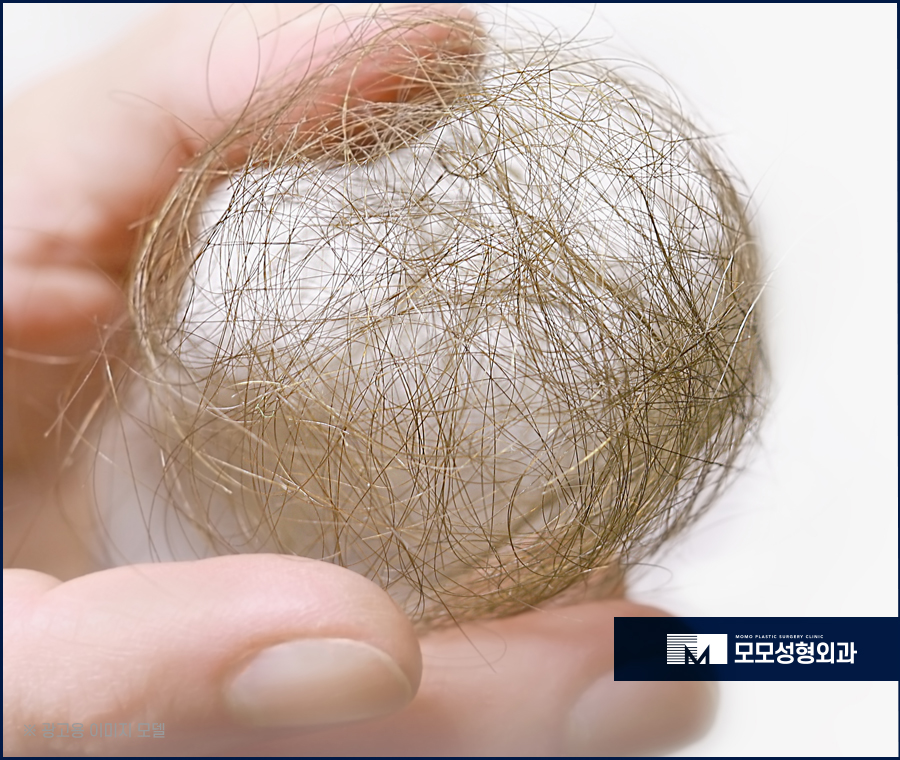
However, due to the influence of a family member who has a condition that causes hair to fall out and be lost, some people inherit genetic factors, or experience stress from excessive work or study, irregular 생활 patterns, unbalanced eating habits, hormonal changes, and other acquired issues. When such problems cause natural hair to suddenly weaken and thin out, leaving patches where the scalp is visibly exposed and hair volume is insufficient, extreme worry can keep them up at night. Their once-confident self-esteem gradually decreases, making it difficult to relate to others and becoming a major obstacle to maintaining a smooth social life.
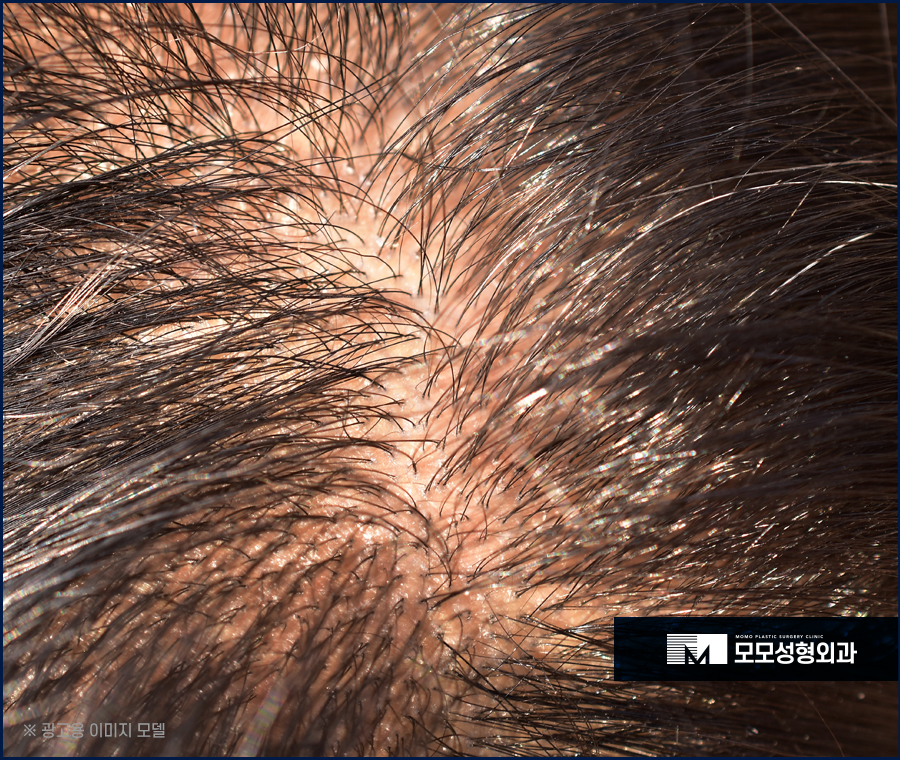
Moreover, when these problems arise, they can lead to situations where the existing symptoms expand into psychological or physical issues. For that reason, people made efforts to obtain and apply information that might help from the internet or related communities in order to improve the situation even a little.
They tried many methods, such as using shampoos or supplements containing functions that could help lost hair grow again, and sometimes covering it with wigs or dedicated makeup products. However, these countermeasures would seem effective for a while and then quickly reveal their limitations, leaving the problem unresolved and only adding to their distress.
With this frustrating feeling, more and more people are visiting related clinics to look for a way to move beyond the root problem and asking about non-incisional hair transplant cost information during consultations. In the case of hair loss, it is said to be a condition that progresses very quickly from the time it begins to appear, so it falls into the category of diseases that require active identification of the cause and an appropriate response. Otherwise, the areas where hair has fallen out can rapidly increase and the condition can worsen. Therefore, along with proper measures, one should also plan in a direction that seeks alternatives to improve the various problems caused by reduced hair volume. Since surgery that implants one's own natural hair is also one of the solutions that can correct the defect, it may be only natural that fear and pressure become obstacles when making a decision.
So, to reduce psychological pressure while also getting help with the practical concern of non-incisional hair transplant cost, you will diligently look for a clinic.
The first thing that should be considered in order to achieve satisfying results is carefully examining the type of hair loss you are experiencing and your overall condition. Although there are many cases these days regardless of gender or age, the proportion is still higher in men than in women. Hair loss occurs in various forms depending on each gender, and in particular, the common M-shaped hair loss, which accounts for about 80% of men, is said to be caused by genetic factors and the influence of male hormones.

You may try treatment using medication, but if it delivers lower satisfaction than expected and takes a long time to recover, leaving you troubled by appearance concerns because of sparse hair and hairstyle issues in the meantime, it may be a good option to compare incision-based surgery, non-incisional hair transplant cost, and other available methods carefully before proceeding. If the incision method focuses on the reasonable side, the non-incisional method places greater emphasis on a harmonious expression that can show delicacy and naturalness. The incision method, which was mainly used in the past, involves removing a certain area of the back of the head, which is relatively less affected by hair loss and does not fall out easily, harvesting healthy follicles, and then suturing the area again.
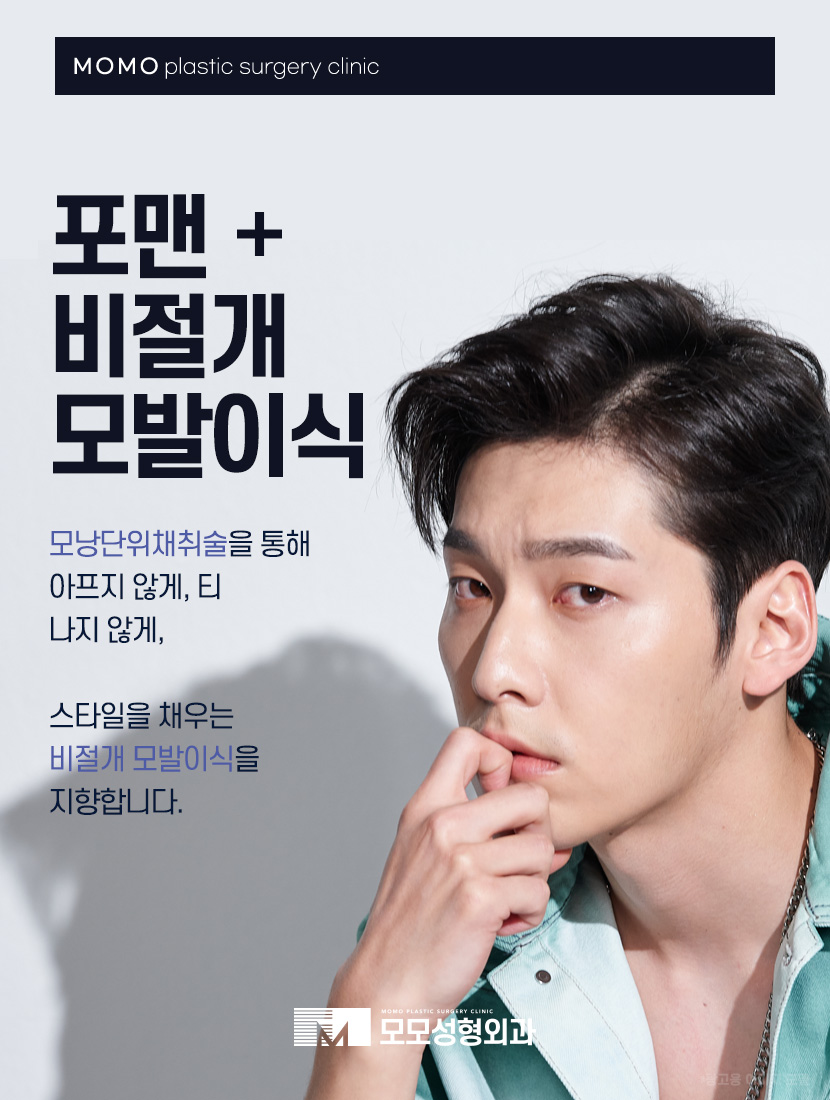
It has the advantage of being able to efficiently transplant a large amount of natural hair into empty areas, but it is difficult to avoid issues such as scarring, recovery time, and pain. Perhaps for that reason, many people these days tend to prefer the non-incisional method, which alleviates these inconveniences.

Also, when choosing a method, non-incisional hair transplant cost can play a major role, but because the areas causing concern have a large impact on appearance, it is wise to decide in a direction that minimizes marks as much as possible and enhances aesthetics while looking natural, as if it were your existing style.
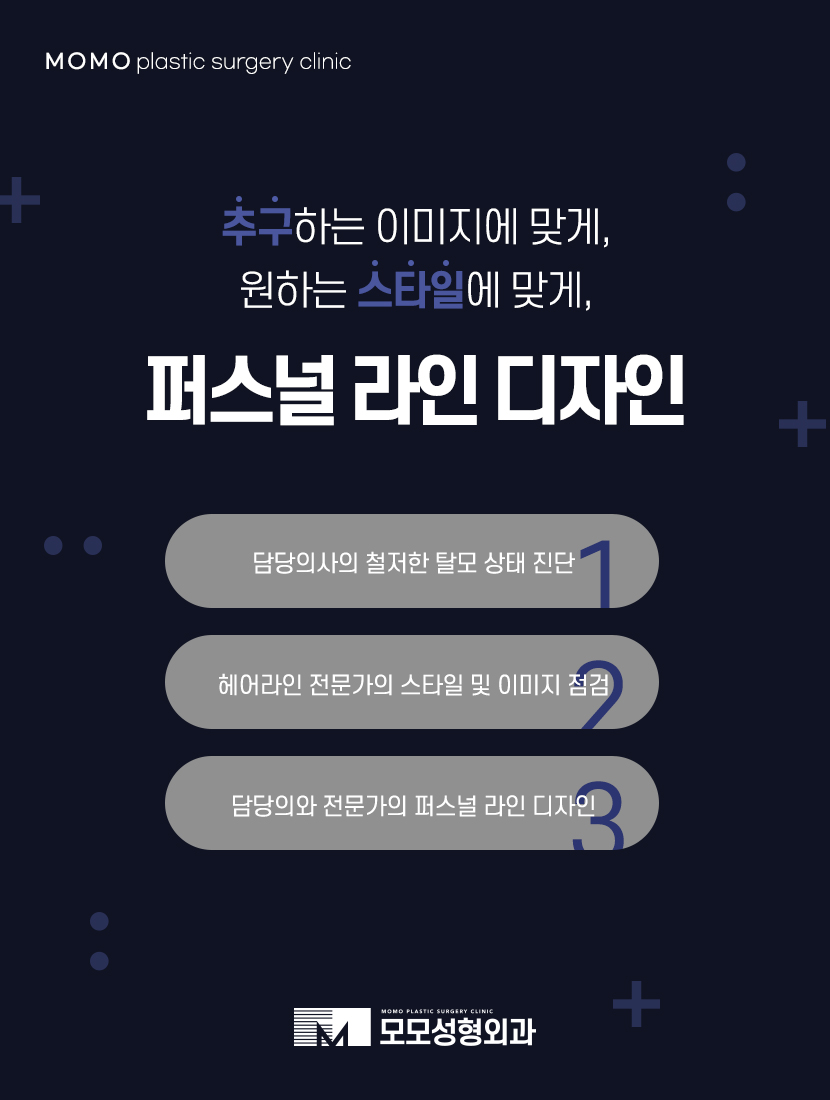
Only when a personal design that does not look awkward is carefully created and carried out by considering the overall proportions of your face shape, head shape, and features, as well as the direction, thickness, and density of your natural hair growth from multiple angles, can you create a prognosis that leads to the desired results. The non-incisional hair transplant cost that many people are interested in is generally measured in the range of about 1 million won to over 8 million won, and it can vary depending on the characteristics of each person's natural hair, the amount needed for implantation, and the harvesting method. The exact amount may differ according to each person's situation and needs, so it is advisable to check clearly through a consultation with the doctor in charge.
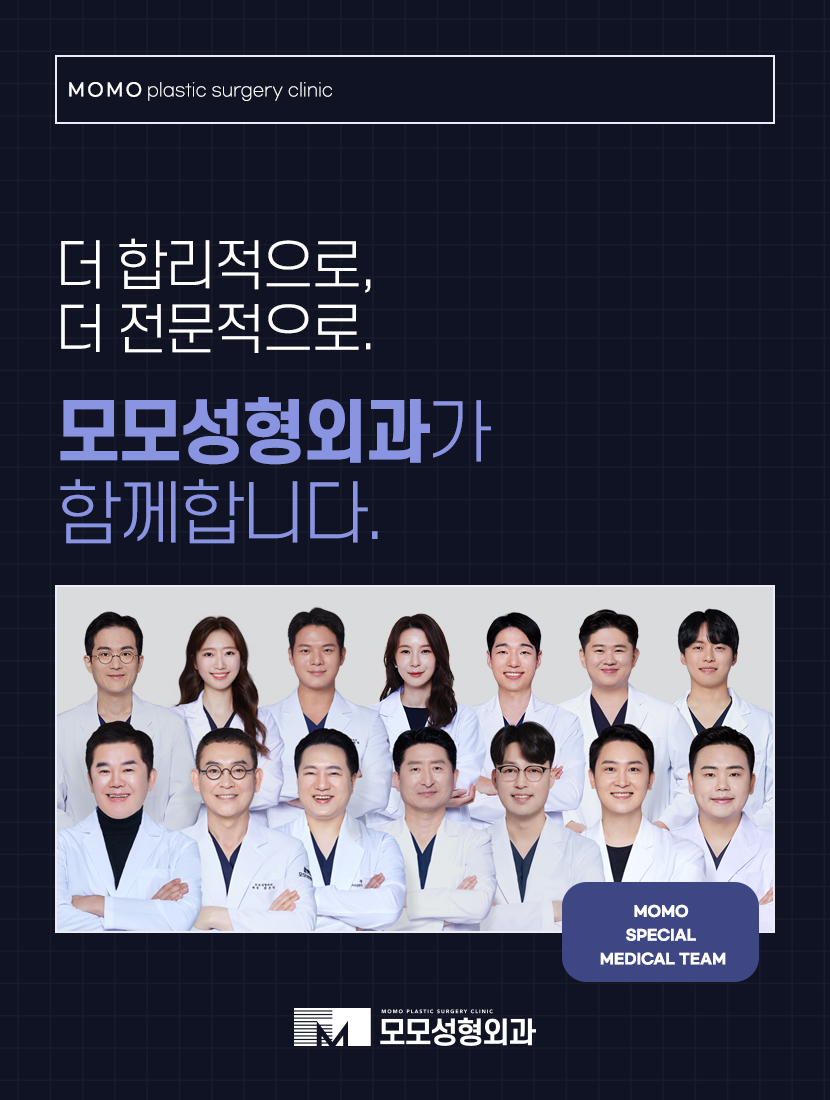
Also, if you only look for the lowest price and focus solely on that, you should keep in mind that if the procedure is carried out without a careful and thorough examination process, you may end up with an artificial and awkward result that leaves you dissatisfied. Therefore, in order to achieve a prognosis that matches your expectations at a reasonable non-incisional hair transplant cost, it is necessary to establish important standards and thoroughly assess whether the doctor at the clinic has abundant experience from many cases over many years, outstanding delicate technique and skill, proficiency, and know-how, as well as a systematic aftercare system provided for a stable graft survival rate, before proceeding carefully and thoughtfully.