In the past, looking at it from a historical perspective,
the main age group complaining of hair loss
a disorder was mostly middle-aged people in their
40s and 50s.
At that time, because medical technology for
various related treatment methods had not yet
developed as much as it has now, many people
used wigs or products such as black hair fibers
sprinkled on the affected area or applied to
cover visible cosmetic shortcomings. However, in
recent years, among those experiencing this
condition, there is no distinction by gender, and
it has expanded widely even to younger age groups
in their 20s and 30s. As a result, the scale of the
related market has grown significantly, and research
and technological development in this area continue
to advance.
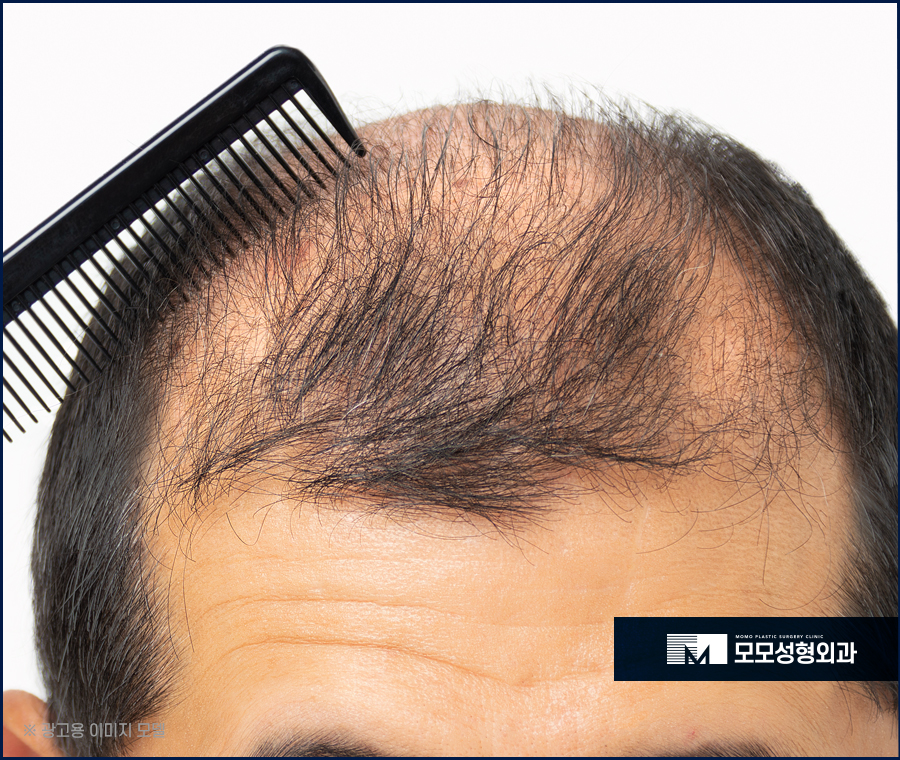
However, if this is your first time experiencing
symptoms of hair loss and shedding, there are not
many people who immediately consider trying a
procedure. In general, they search for information
online and make many efforts to improve the issue
by trying dietary approaches or hair products that
they can use on their own. Even so, if the areas
that have fallen out and become sparse continue
to spread widely and these methods no longer
yield satisfying results, at that point they will
begin to seriously consider medical help.
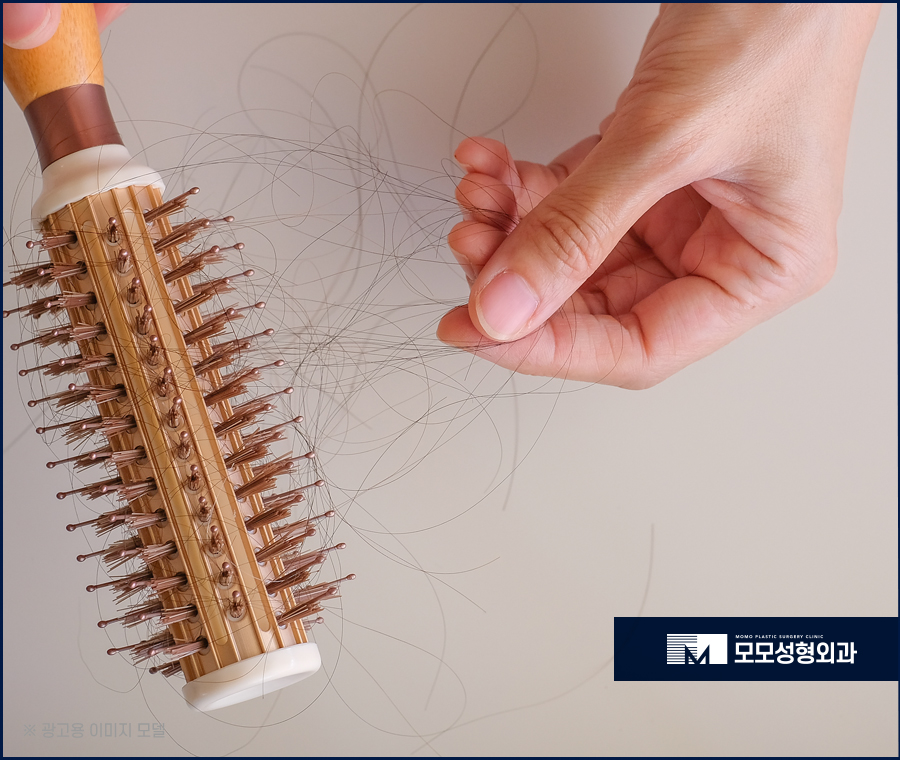
However, because hair transplant prices are not
considered low, it is natural to feel burdened.
In addition, concerns about pain, whether scars
will remain, and whether recovery time will be
needed for this procedure so that work or daily
life may be affected will also arise.

In particular, simply taking medication or applying
products does not fundamentally eliminate the cause
of hair loss, so there are many people who choose
this option for ultimate treatment as well.
As the name suggests, this procedure means extracting
relatively healthy hair follicles from an area of
concern where there is no hair and transplanting
them. Since the amount to be transplanted and the
design are determined according to the current
condition, it can address various types of hair
loss disorders. Recently, it has also attracted the
interest of people who want to improve their
appearance further by evenly and smoothly rearranging
the hairline for cosmetic purposes.
Therefore, if you are considering undergoing this
process in order to experience a satisfying positive
change, it is only natural that you may have questions
and inquire about the criteria used to determine
hair transplant prices.
Hair transplant prices can first vary depending on
the area that must be implanted.
Just as each person’s facial features and personality
are all different, the extent of hair loss also differs
from person to person. For example, in cases of hair
loss at the crown, one case may still retain a certain
amount of natural hair with only a slightly visible
scalp, while another may already have lost much
of the hair and be fully exposed. These are different
situations, so the amount and method of implantation
will also differ according to the appropriate condition.

In addition, depending on the type of hair loss,
the rate of progression, the condition of the
natural hair, the elasticity of the scalp in the
area from which hair is harvested, and the age at
the current time, the scope, amount, and hair
transplant price required to carry out the implantation
will inevitably vary from person to person. Since
there can be a difference of about 1 million to
3 million won or more between institutions, it is
important to have detailed consultations with the
responsible doctor at the relevant clinic, communicate
smoothly, and determine through an accurate diagnosis
the amount and cost needed for the transplantation
that is appropriate for you.
Another criterion used to determine hair transplant
prices is the difference in the method used to
harvest the follicles. This is broadly divided into
incision and non-incision methods. The incision method
involves removing a section of the scalp, separating
it into follicular units, and implanting them, then
suturing the ends of the excised area together.
Because this method requires excision, there may
be concerns about scalp tightness, pain, the possibility
of scarring after the procedure, and recovery time.
However, it has the advantage of allowing a large
number of grafts to be implanted relative to the
time required for the procedure.
The non-incision method uses a circular tool called
a punch with an inner diameter of 0.8 to 1.2 mm
to harvest the follicles. Compared with the former
method, it causes less pain and is not visibly
detectable because it is covered by existing hair,
so daily life can be resumed immediately from the
next day. However, it may be helpful to note that
because the harvesting and implanting stages are
performed at the same time to minimize the period
in which the follicles are exposed to the outside,
the procedure takes a long time.

As such, depending on the method used, the incision
method may be somewhat less expensive than the
non-incision method, but the method applied can
vary according to each person’s condition. And even
if the cost is on the higher side, that does not
necessarily mean the results will be more satisfying.
Rather, it can differ depending on whether the
responsible doctor has a high level of understanding
of this procedure, has extensive experience with
various related cases, and possesses excellent
technical skill, proficiency, and know-how built
from that experience.
The cost is one important criterion, but it is also
important to carefully check the points above.
In addition, to achieve the stable graft survival
rate that is considered a key factor in this solution,
it is necessary to thoroughly examine whether the
aftercare program provided by the clinic is being
systematically carried out.