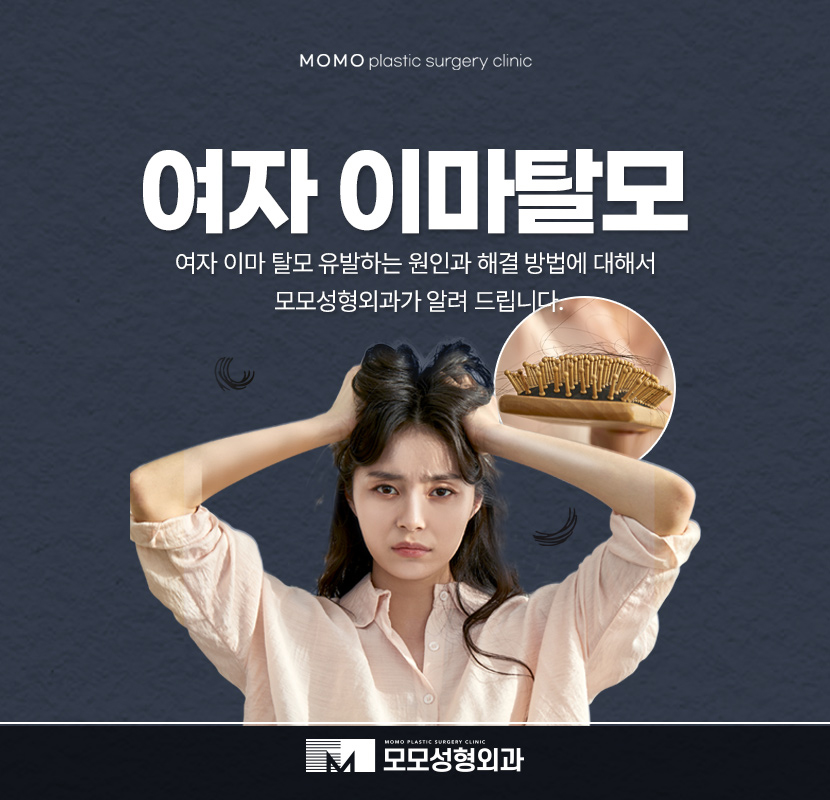
The symptoms of hair loss along the front hairline
have generally been thought of as a problem that
mainly affects men. Many people used to think
this way, and although it is a relatively common
condition, it can also occur in women, even if the
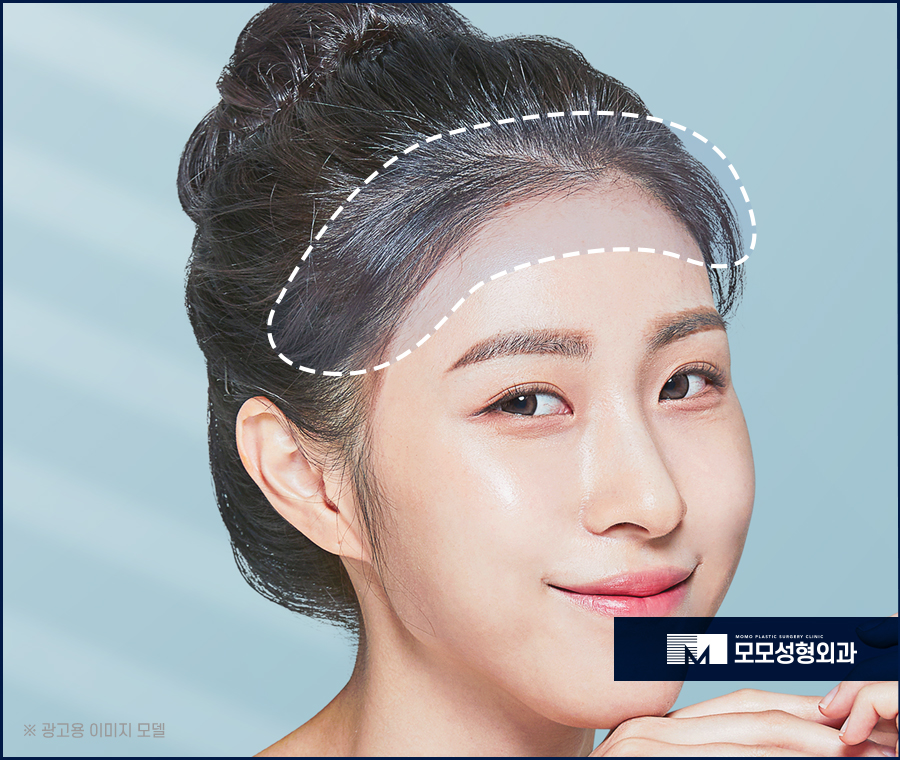
number of cases is smaller. And if you look at
women’s hairstyles, the front hairline is often
emphasized, so when the condition develops, it
can become even more noticeable and lead to
severe stress.
�
�
As a result, many people try to gather various
pieces of information and make a lot of effort to
recover on their own, but there are many cases
where they do not get the results they expected.
If it is left untreated, female forehead hair loss
can worsen further than before, so it is important
to visit a place where you can get help right away
to receive a detailed examination and the proper
treatment matched to your condition.
�
�
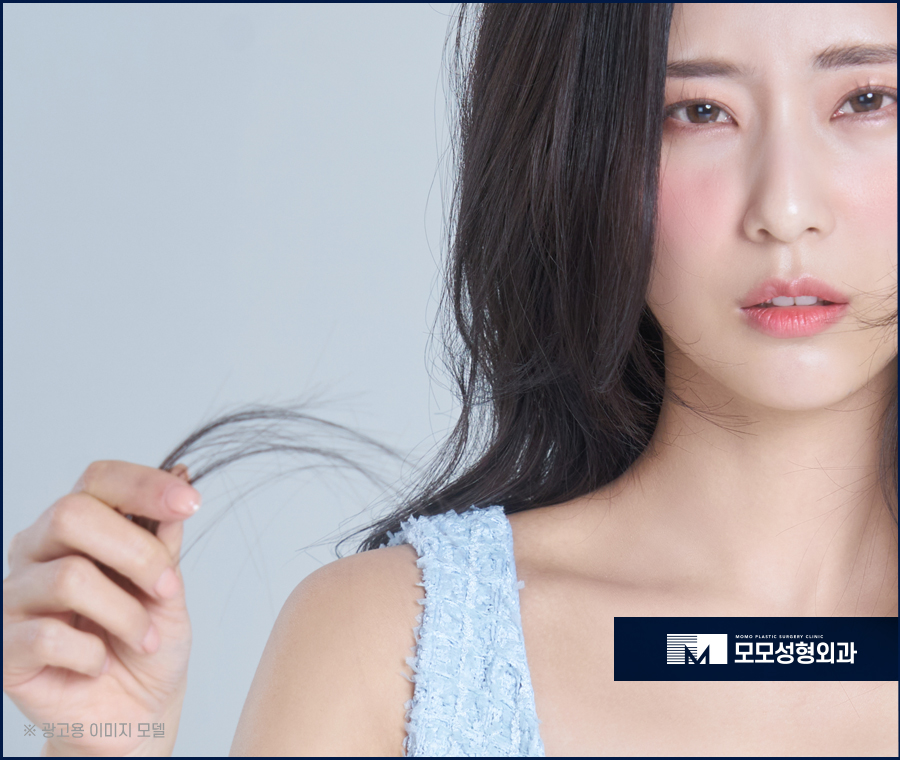
Compared with other areas, symptoms like female
forehead hair loss involve not only hair shedding
but also weakening of the hair roots’ function,
so if there is a way to improve it, it is important
to receive treatment as soon as possible. It is
difficult for hair to regenerate in the area where
it has fallen out, and if this happens repeatedly,
it may spread beyond the forehead to other areas.
That is why improving it quickly is important, and
it is also important to pay attention to the causes
that trigger it.
�
�
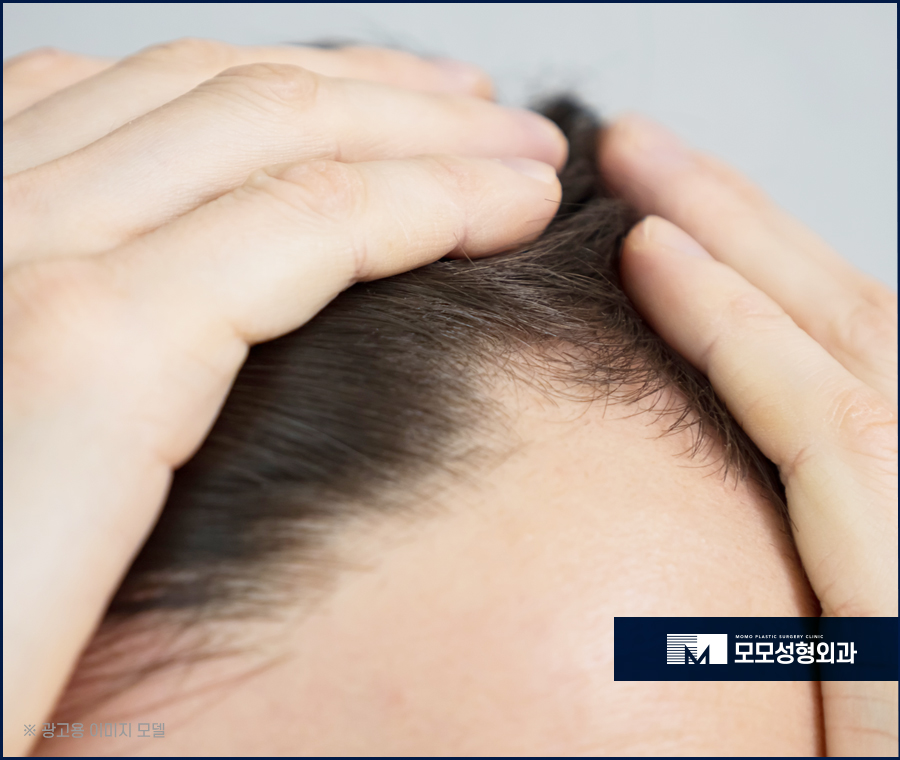
Looking at the causes of this female forehead hair
loss, the first is hats. Many people wear hats for
their own style, but hats that are too tight can
cause strong irritation to the scalp, and problems
can arise where the edges come into contact with
the hair. In addition, pulling the hair tightly back
and tying it up can cause the surrounding tissue
to shed as well, affecting the function that creates
natural hair. If you continue doing similar things,
the hair may gradually weaken and eventually fall
out.
�
�
Even in women, male hormones are secreted, but
because female hormones make up a larger amount,
problems caused by that component generally do
not occur. However, if you have a gene that can
cause this problem from birth, symptoms of female
forehead hair loss can appear. Also, if there is a
problem with the system that regulates hormones
and male hormones become more abundant, this
issue can arise.
When symptoms appear due to these causes, they
can have a negative effect on mental well-being,
leading not only to lowered self-confidence but
also to excessive stress and problems in relationships
with others. For those who find it difficult to see
effects with general methods, many people look
into transplantation procedures and consider
taking action.
�
�
As an improvement option, it can be broadly
divided into incision and non-incision methods.
These days, many people look into the non-incision
approach because it tends to be less painful and
has a shorter recovery time. Incision involves
removing as much of the occipital scalp as needed
and then obtaining hair, while non-incision is a
process of extracting and transplanting follicles
one by one. Since each has different advantages
and characteristics, it is difficult to say that one
method is better than the other. Because the
suitable approach varies depending on the situation,
it is better to carefully diagnose the affected area
and decide on the procedure that fits the condition.
�
�
Another point to consider for female forehead hair
loss is creating a natural appearance. If you undergo
a procedure simply to fill the area without considering
this, you may end up with an awkward look and
need additional treatment. Therefore, it is important
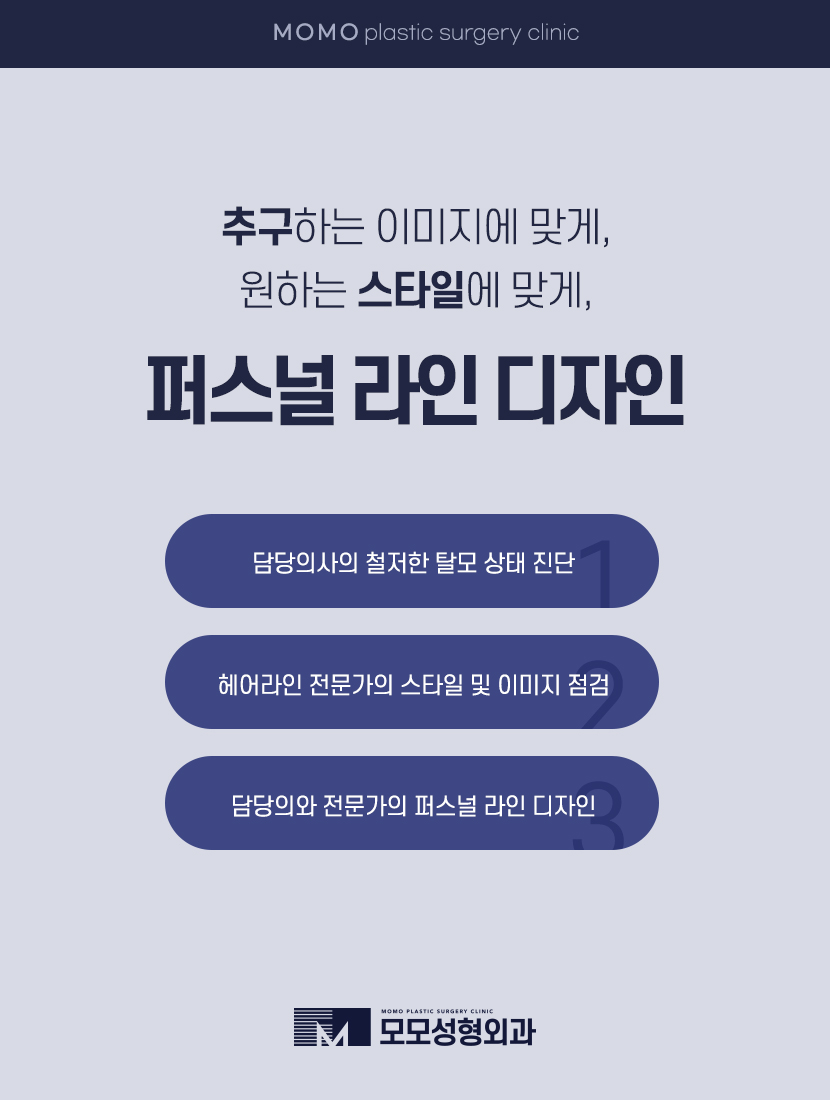
to design a personalized line by considering various
factors such as your style, image, and hair characteristics,
and to proceed based on that design. And because
the final result depends on the graft survival rate,
it may be best to avoid habits or actions that could
cause problems during the period after transplantation
while the grafts are taking root.
�
�
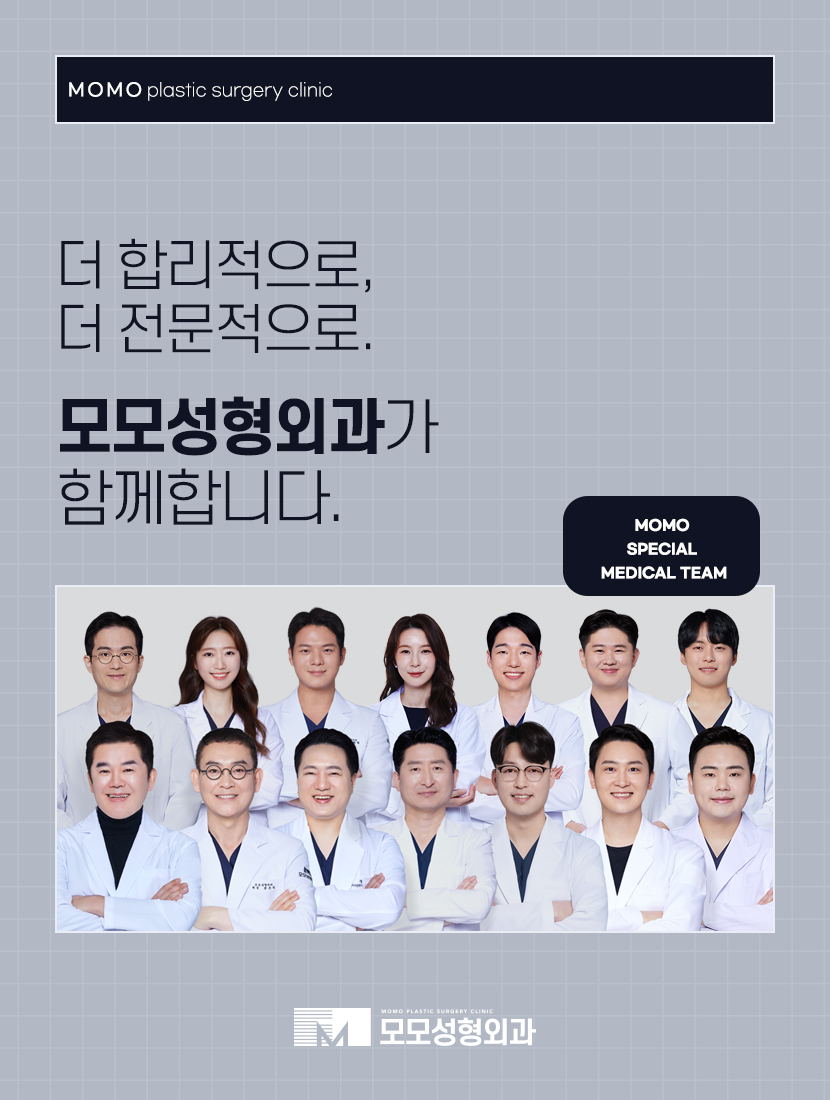
For high satisfaction and a good prognosis, please
keep in mind that it can be a desirable approach to
proceed with the appropriate process for you through
detailed consultation and diagnosis based on the
capabilities, experience, and know-how of the medical
team in charge.
�