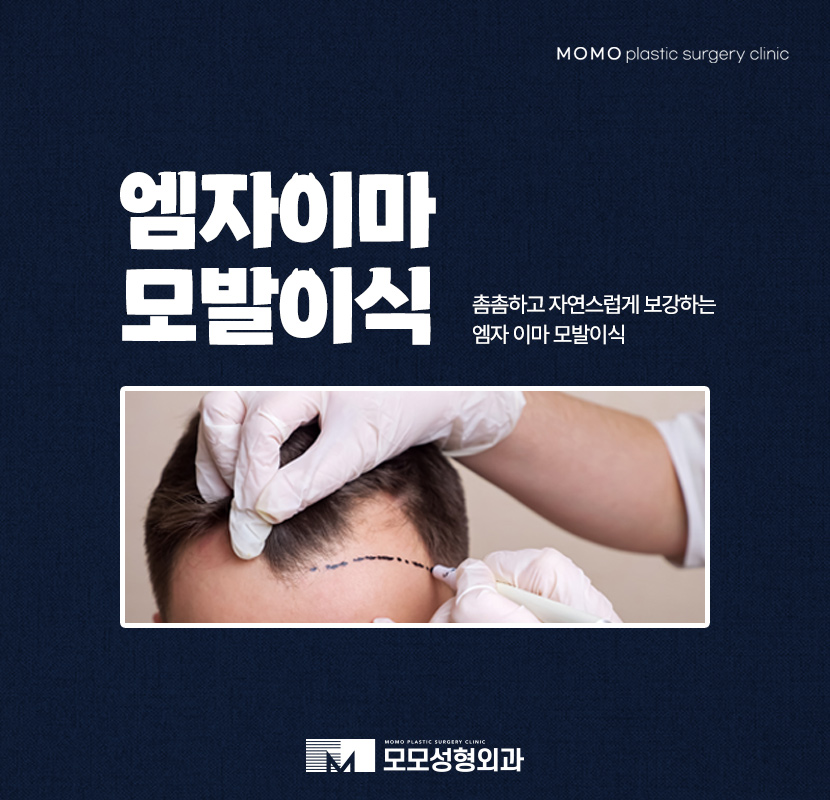
Did you know that hair loss is considered one of the social illnesses that troubles modern people living in this highly advanced era and makes life difficult in many ways? Recently, regardless of gender or age, the number of people who are troubled by the symptom of hair continuing to fall out and be lost—hair being one of the elements that makes up appearance and is responsible for hairstyles—has exceeded 10 million, showing that the problem has become quite serious.
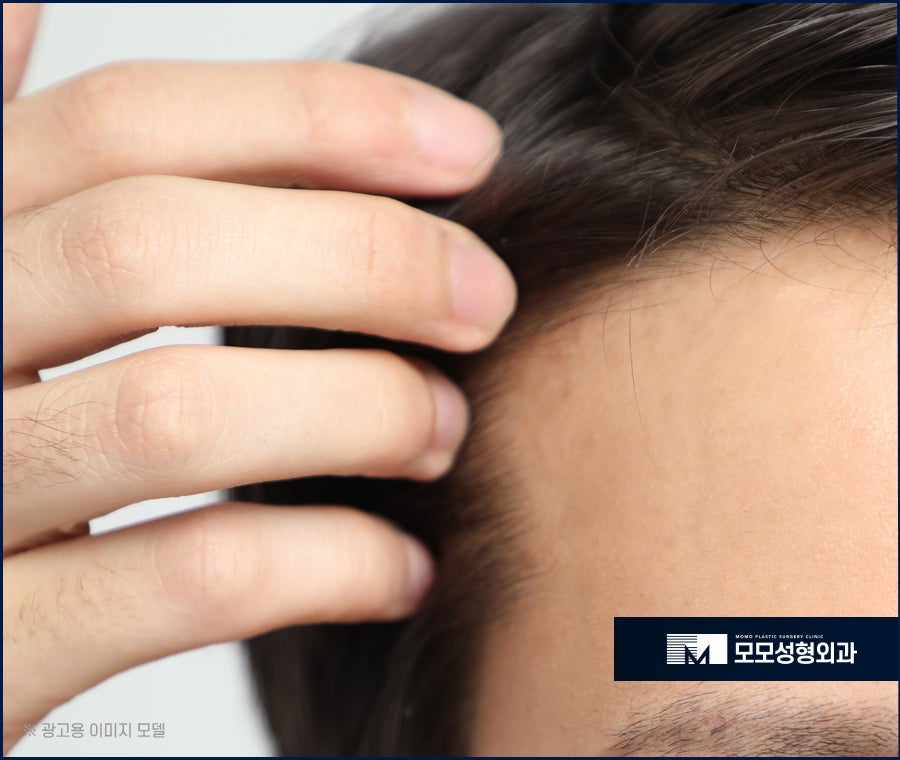
The causes of this condition are typically said to include genetic factors due to family history and stress that causes physical or mental strain in various situations. In addition, many people are said to experience the condition due to acquired and environmental factors such as irregular lifestyle patterns, westernized eating habits that lack balance, and repeated changes like excessive hair coloring and perm procedures. There are also cases where people do not recognize their own symptoms despite having hair loss, and instead end up facing a worsening condition.
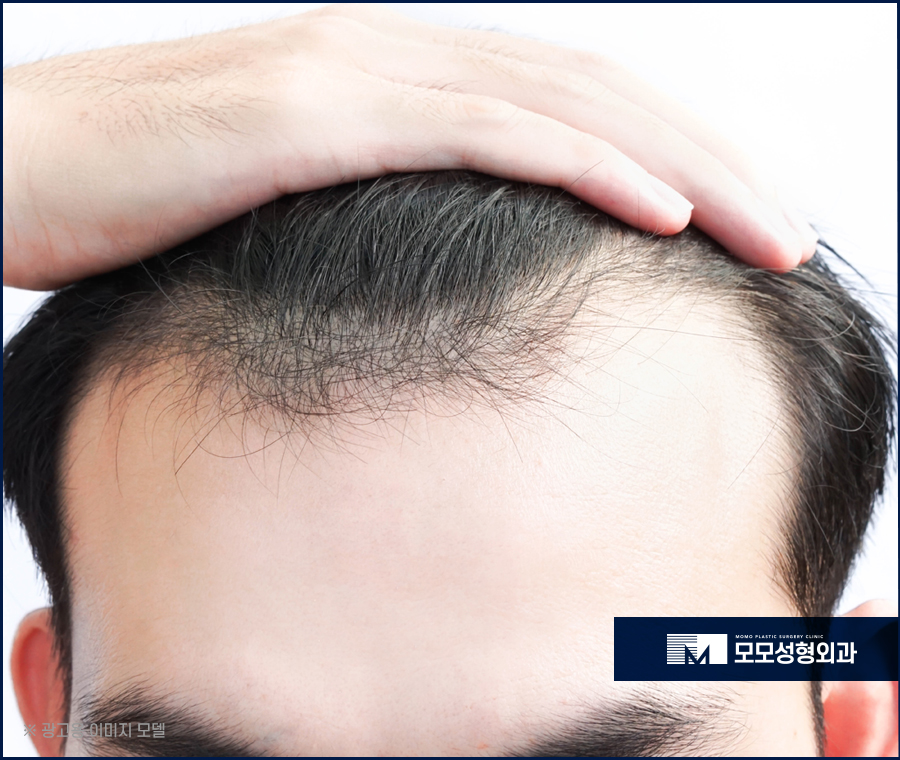
Especially if these symptoms appear as an M-shaped hairline, the desire to resolve them clearly will likely be even greater. If you have this type of hair loss, you are more likely to look older than your actual age, and your confidence in your appearance drops significantly, so it can have a considerable impact on social life, daily life, and interpersonal relationships.
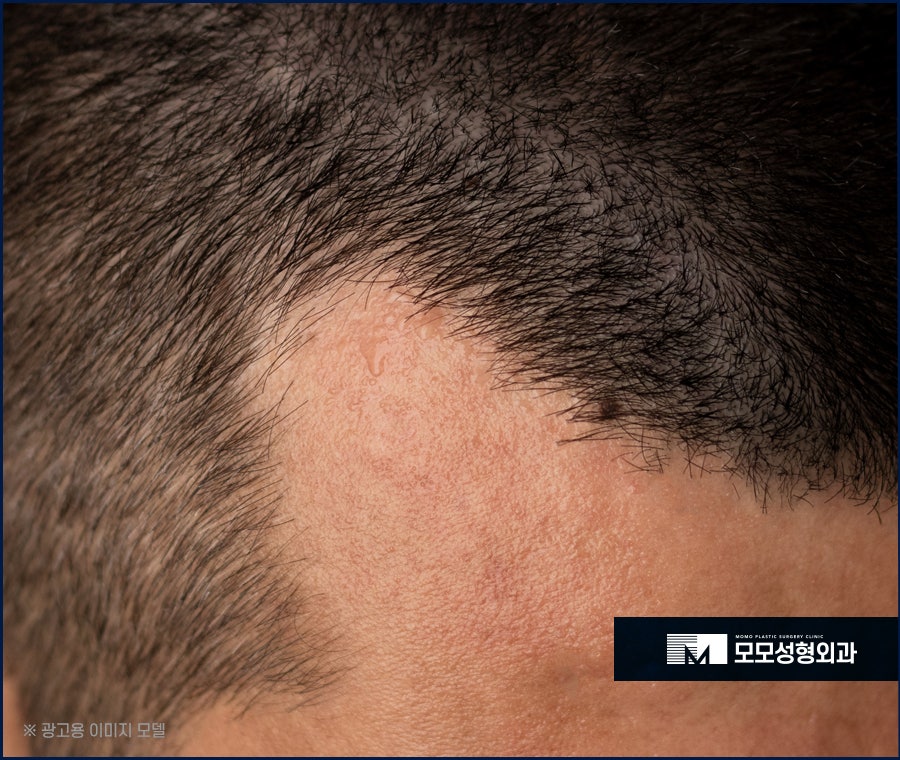
To improve this appearance as much as possible, people often put in effort and time to manage it carefully. They may take shampoos or prescribed medicines that contain functional ingredients that help promote the regeneration of lost hair, and sometimes use partial wigs to cover it up. However, these methods only provide somewhat temporary effects, and it was difficult to see hair actually growing in the empty areas they desperately hoped to fill. Even when trying scalp tattooing, it is simply a matter of applying color, and makeup has the same limitation in the end: it must be used every day, which is inconvenient, and it can be difficult to escape an unnatural look that does not blend well.
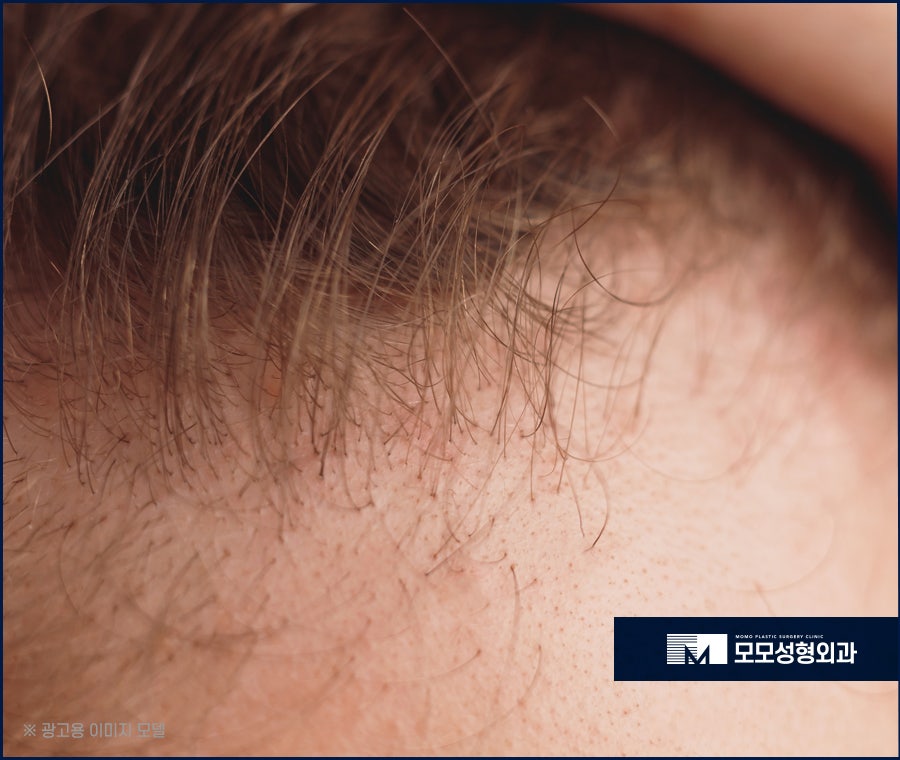
Therefore, one may think that hair transplantation, which densely fills in an M-shaped hairline and naturally reinforces it, could be helpful. If you supplement it through this method, follicles from your own scalp are transplanted, and new hair grows there, which can help you regain your own natural hair. However, the idea of needing surgery may create a vague sense of burden, but since it is regarded as a turning point that starts a new life after the days of suffering from hair loss, and because it plays such an important role, if you are 고민해보고 있다면 it is important to carefully consider various factors and make a quick decision.
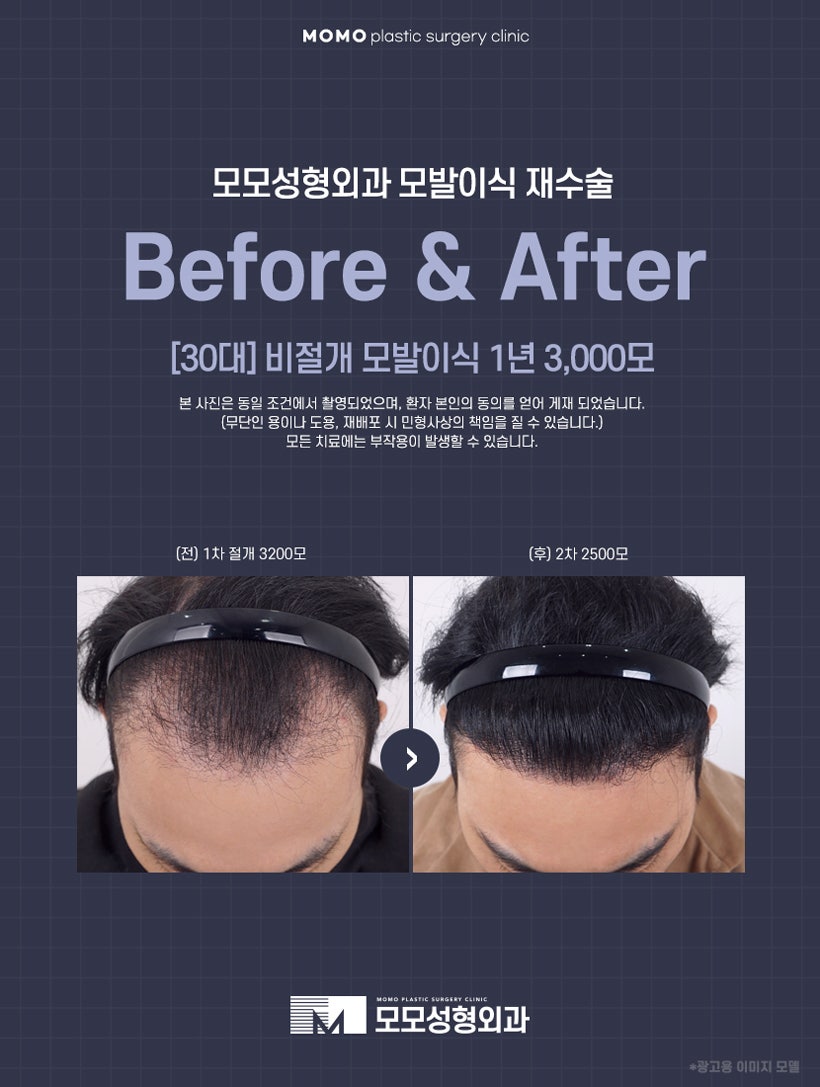
It is said that there are broadly two ways to treat an M-shaped hairline: the incision method, which has been used widely for a long time, and the non-incision method, which is currently preferred by most people. The detailed approach differs because each person’s symptoms and characteristics are all different. The biggest difference is whether or not a portion of the scalp is removed. If part of the scalp is excised, scarring is inevitable, so if that is a concern or causes 부담감, choosing the non-incision method can be one improvement option.
As a solution that further addresses the unavoidable drawbacks of the incision method, it does not require excision, so the likelihood of leaving scars is low. Another advantage is that the pain is not severe, allowing a return to daily life right away. The method used to overcome an M-shaped hairline is a highly advanced surgical technique that requires the selective extraction of each follicle one by one, and in order to produce results that match expectations, the practitioner’s skill is paramount.
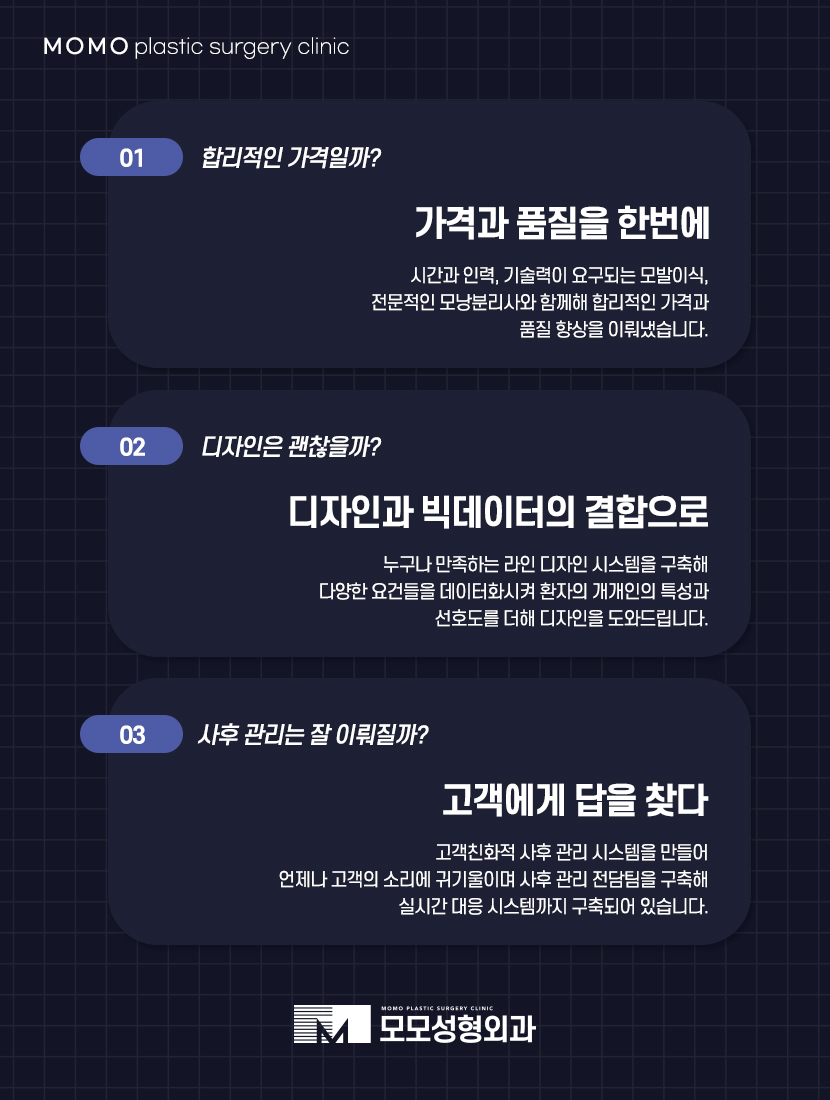
Because each hair differs in length, thickness, and direction of growth, they must be distinguished and stored and used at the optimal temperature. To prevent damage before transplantation, they are kept in an appropriate environment, and if follicles that have undergone this process are transplanted, the survival rate can also be increased. In addition, to achieve a satisfying outcome, it can be a positive direction to address worries about an M-shaped hairline by choosing a clinic that is properly equipped with the devices and equipment used in the surgical process, has years of direct experience with a wide range of related cases and abundant experience, and has a practitioner with excellent technical ability, skill, and know-how.
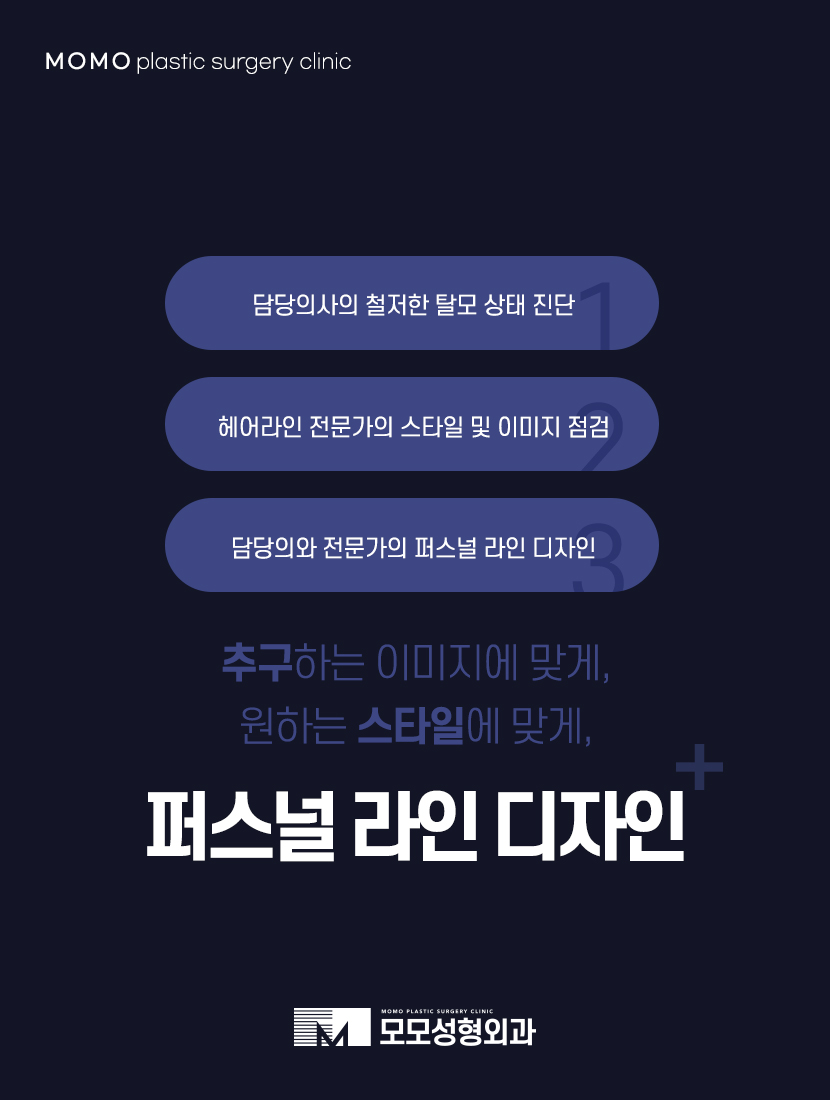
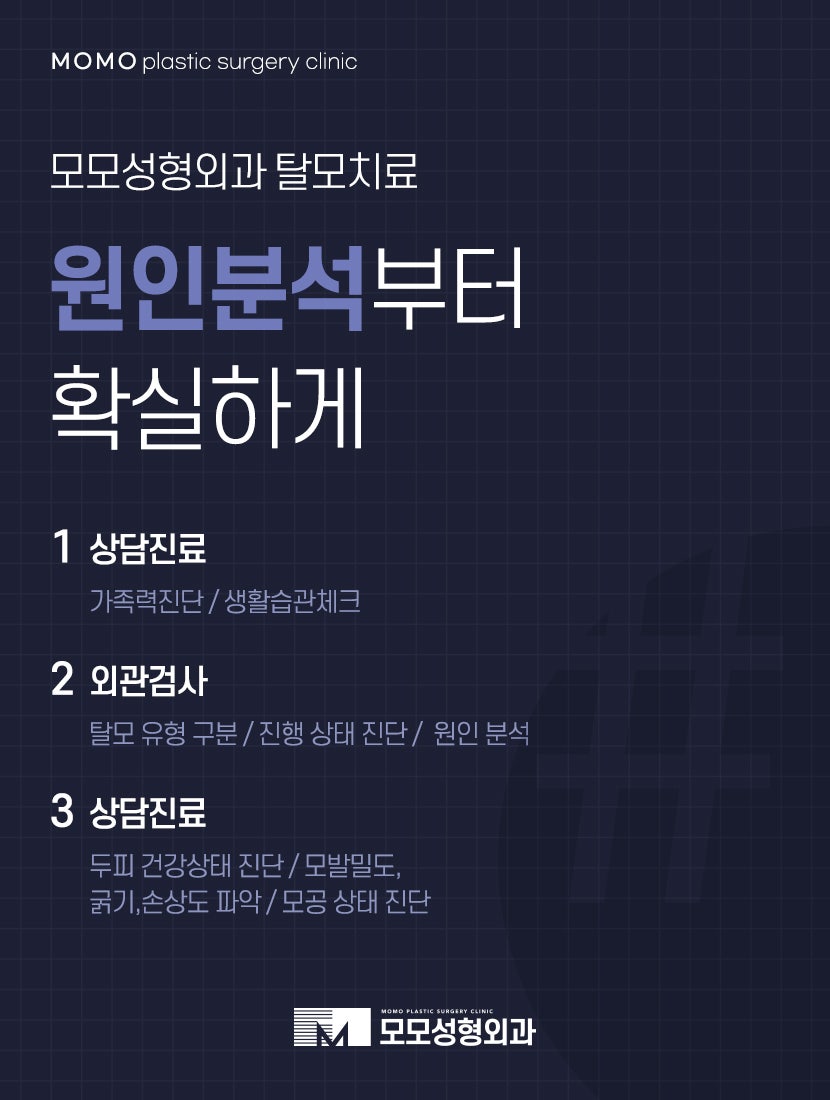
For that reason, it is important to have a detailed consultation with the practitioner about your M-shaped hairline symptoms and the various characteristics of your existing hair. In addition, when designing a personal plan based on that consultation and diagnosis, smooth communication is necessary so that you can convey your desired needs accurately, and only then can you achieve an ideal hairstyle outcome.
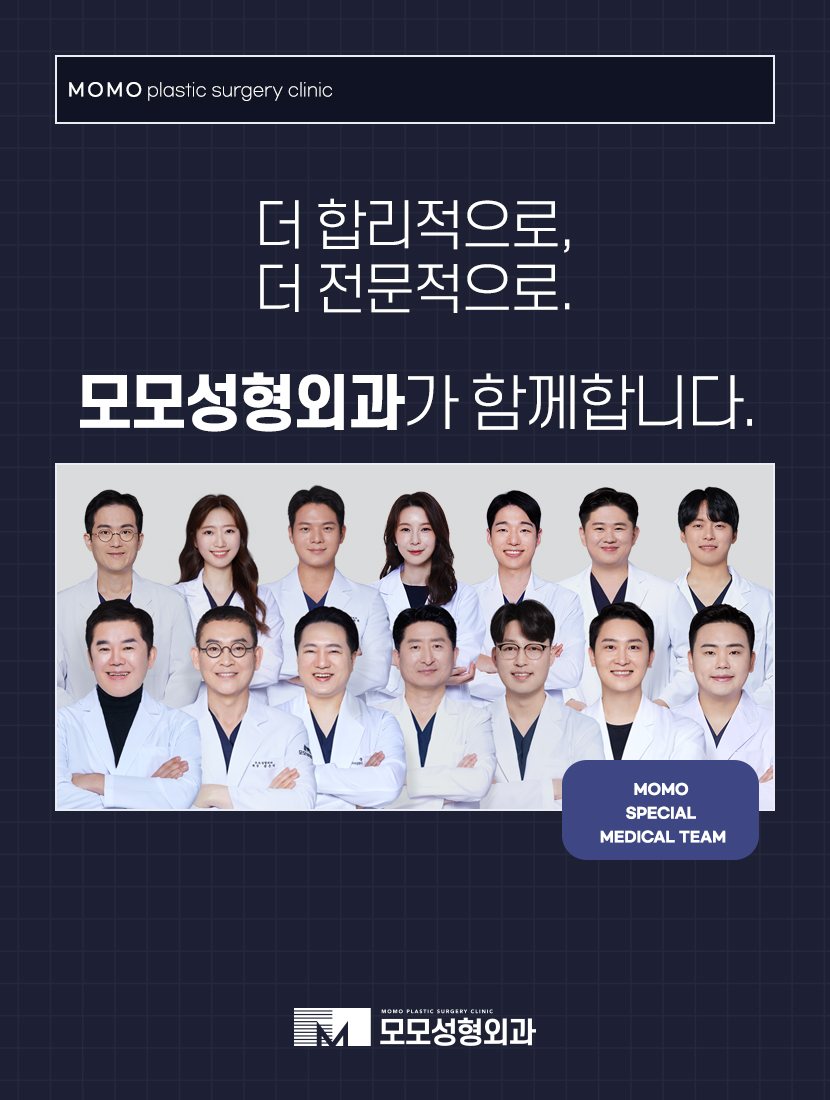
In addition, to ensure stable graft survival—also regarded as a key factor in the hair transplantation process carried out to overcome this concern—it is desirable to actively make use of your own steady efforts and the clinic’s aftercare system, always keep in mind and follow the precautions provided so that the transplanted follicles settle properly and new hair can grow fully, and maintain a neat and stylish hairstyle for a long time.