When hair keeps falling out and you find it piling up here and there, or when the scalp becomes clearly visible and empty patches appear in places, it can be an extremely stressful experience in itself. So, in an effort to prevent these symptoms from spreading further or getting worse, many people search widely for various methods and try applying them, but they realize that these only provide temporary effects and are not enough to improve the underlying cause. After learning about the procedure that places natural hair back onto their own scalp, making a decision, and putting it into action, it seems many people do so.
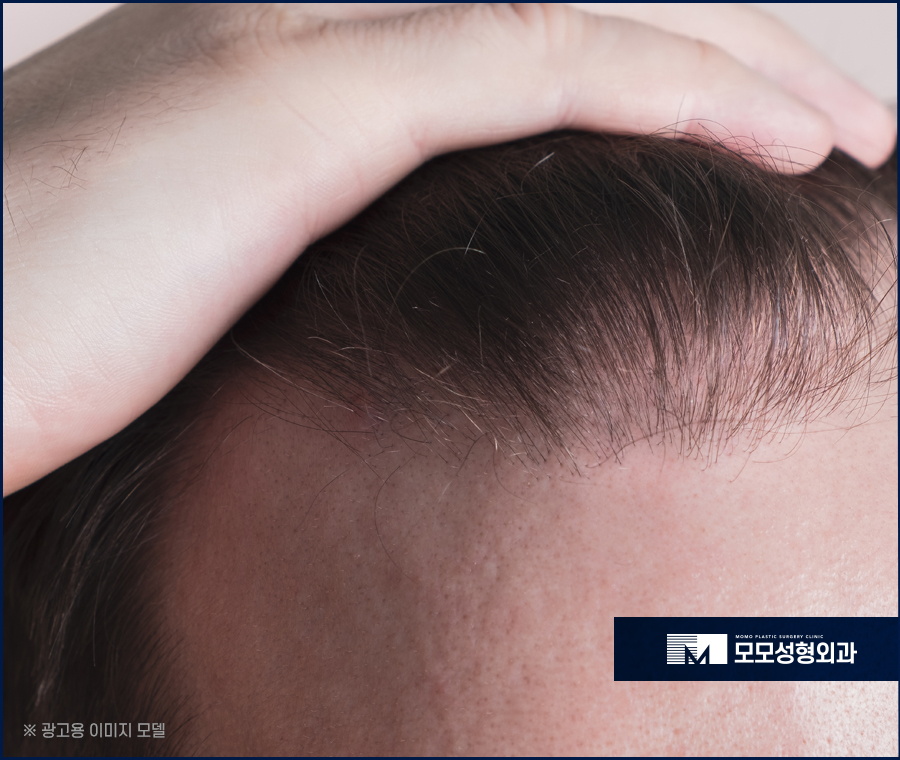
Right after the procedure, seeing one’s changed appearance can feel genuinely rewarding. However, after these changes begin, even with one’s own efforts to manage things carefully, there are cases where, one month after hair transplantation, people feel that hair is repeatedly falling out against their intentions and become anxious and worried.
Although they may have looked into the procedure in detail and even knew that such symptoms could occur, when the situation actually happens, they tend to feel vaguely concerned.
However, contrary to the worry and anxiety people may feel, hair shedding one month after hair transplantation can be considered a normal symptom. Therefore, it is recommended not to panic or worry about it. Generally, for about two weeks after the procedure, caution is advised so that the transplanted follicles can settle stably and grow. So even if you were always careful in your actions, if the hair you worked hard to transplant falls out again, you may wonder why it is shedding once more despite your careful management.
This period is usually called the shedding phase, and it can also be described as a resting period before the hair falls out and then begins to grow again.
The one-month hair transplantation symptoms can be said to be a natural phenomenon that everyone goes through after the procedure. Although there are individual differences, it is known to follow a similar pattern for most people, and after the two-week graft-taking period has passed, symptoms may begin to appear gradually. Also, from week 2 to month 3, hair falls out, and from month 4 to 6, fine hair begins to grow again.
As mentioned above, the time and amount of shedding and new growth vary from person to person, so while many people may see most of their natural hair grow in between 6 and 8 months and confirm satisfying results, some cases still go through the shedding and regrowth process during the same period.
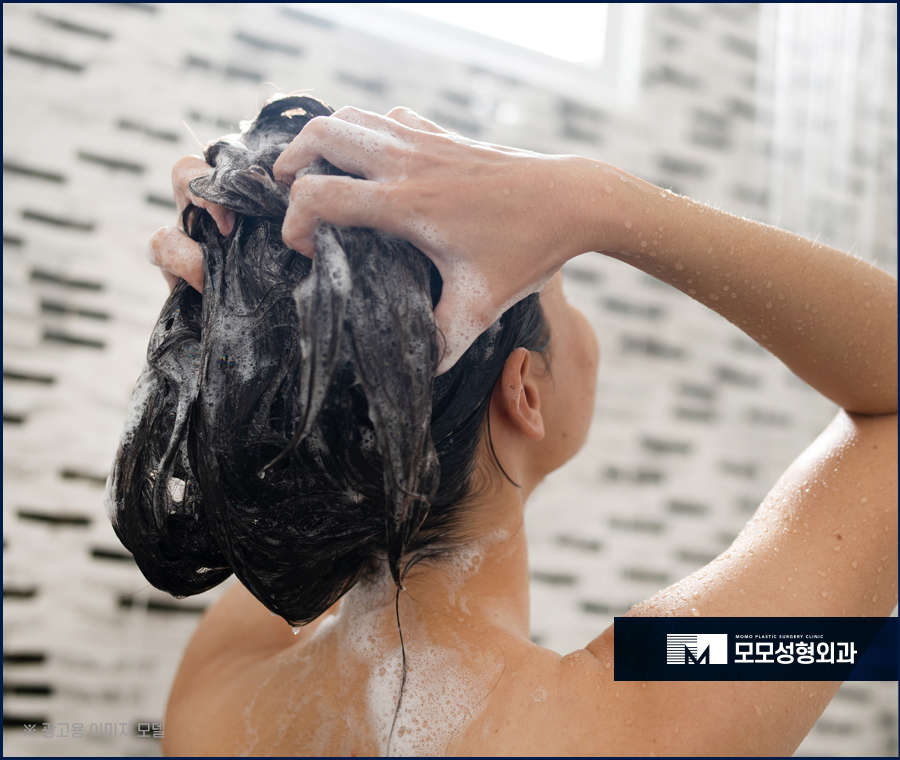
As such, the timing and amount of shedding differ from case to case, and it would be best to understand that this is unrelated to the harvesting method or the shedding phase. Then, if hair begins to fall out one month after hair transplantation, how should you take care of it? During the graft-taking period, you should always be careful not to give strong stimulation to the transplanted area. When shampooing, it is helpful to proceed by placing foam on the area and letting it rinse away naturally under lukewarm running water.
Also, after two weeks have passed, it is advisable to gently rub with your fingertips to remove any scabs or flakes that come off. When one month has passed after hair transplantation, you are informed that it is okay to shampoo by rubbing more vigorously. To prevent sebum, bacteria, or other substances from remaining or accumulating inside the skin, it is good to wash while massaging and rubbing well.
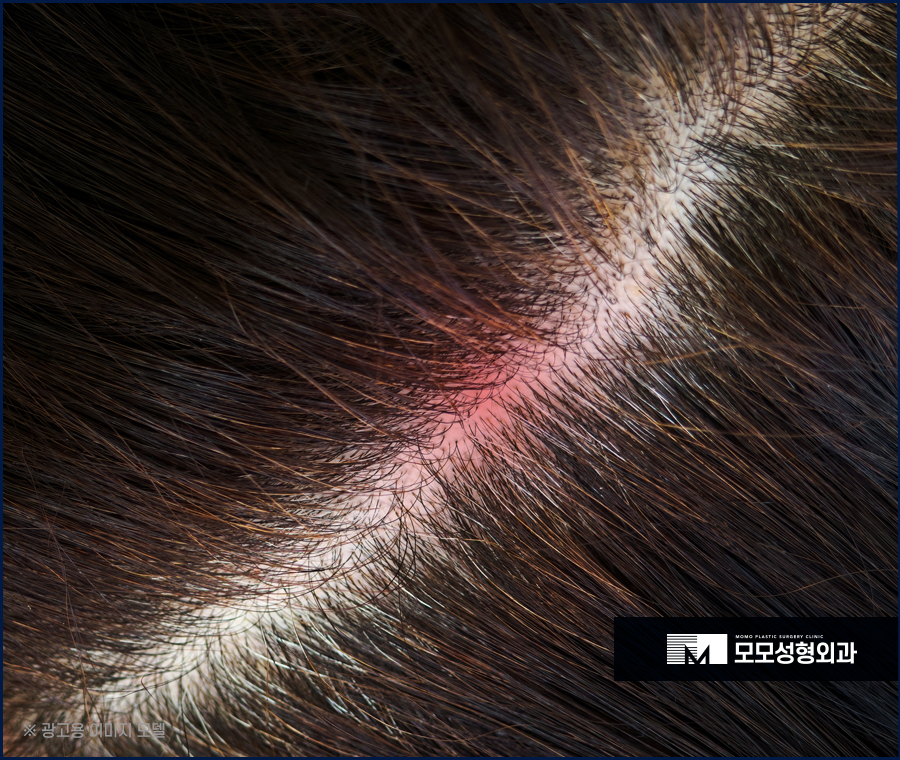
In addition, one month after hair transplantation, pimples or folliculitis may appear. These symptoms can appear on the scalp during the process of hair shedding and regrowth. These pimples may disappear naturally during shampooing or daily life, but if they do not subside and continue to remain, they may turn into scar tissue and may spread into acne that swells around the area.
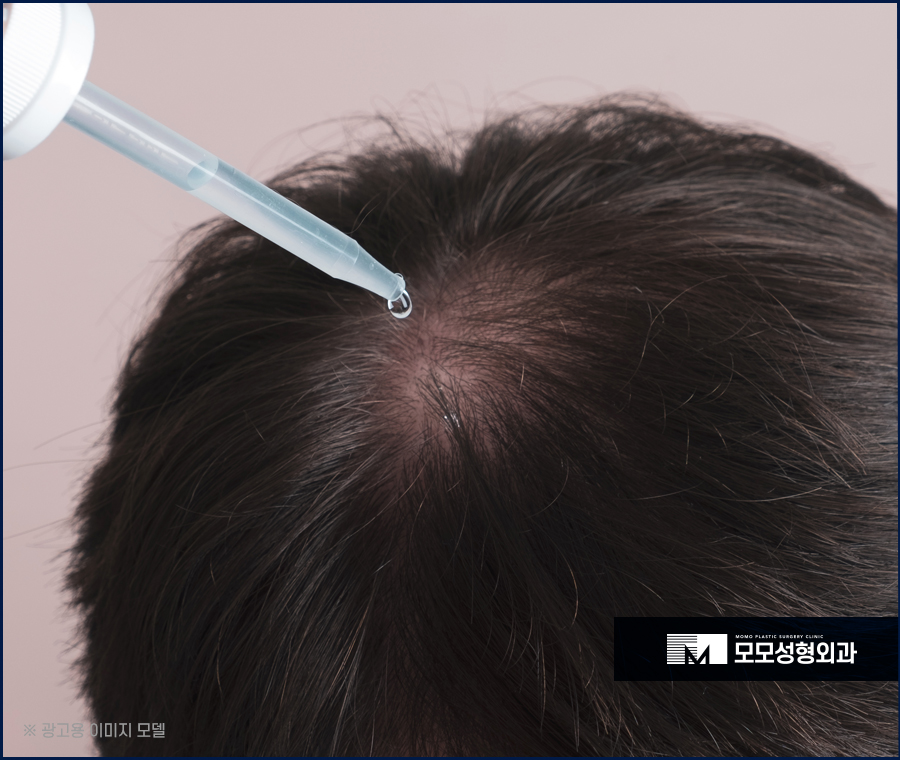
In such cases, it is best not to ignore them and instead visit the clinic to receive appropriate treatment or use the right prescribed medication. You may worry that these changes will affect the outcome of the procedure and feel anxious. However, if grafting has been completed stably, it is said that these symptoms do not affect the result regardless of how much natural hair has shed. Therefore, rather than being overly concerned, it is better to focus on 충분한 rest and a balanced nutritional intake. When observing the one-month progress after hair transplantation, things to watch out for in daily life include symptoms such as flaking on the affected area, swelling, itching, and a tingling sensation, and you may touch or feel the area without realizing it.
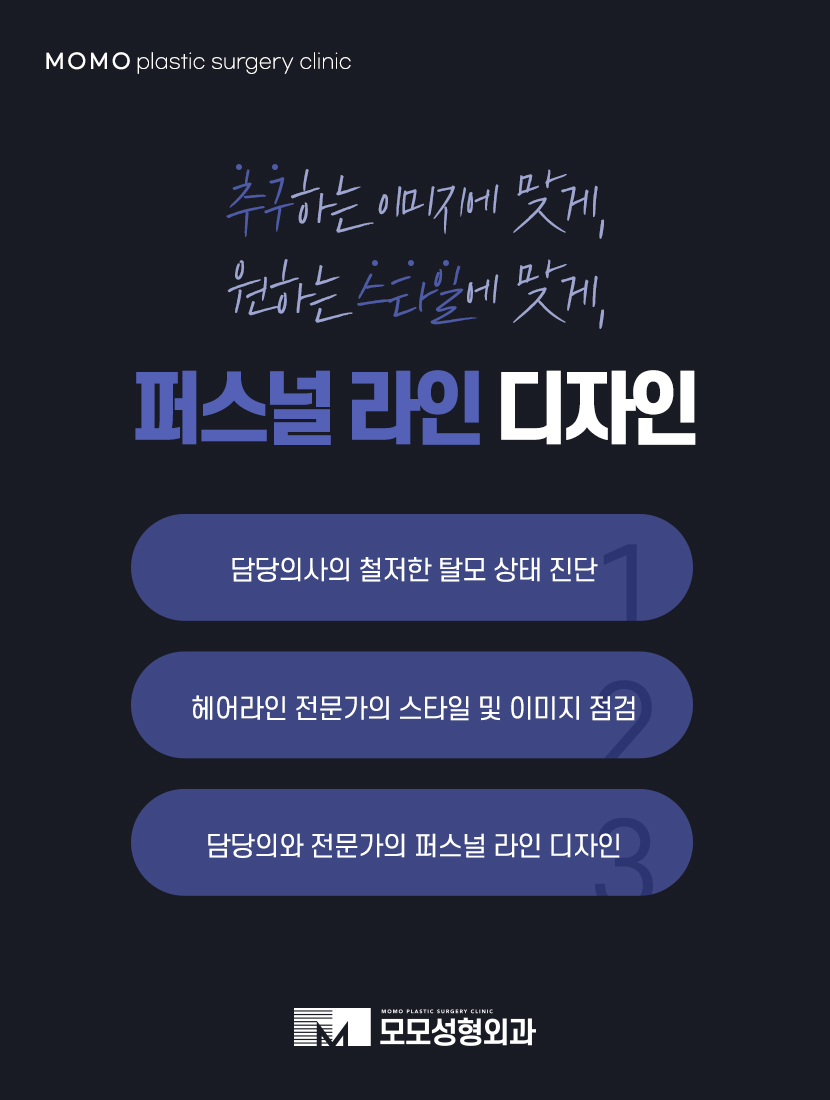
Even though it may seem like a minor action, it can cause inflammation and interfere with grafting, so it is best to avoid these kinds of stimulating behaviors. Also, in order to achieve the satisfying outcome you expect, it is important to carefully choose the clinic before proceeding, have a thorough consultation with the doctor in charge who has extensive related experience and cases and excellent techniques and know-how, establish a systematic plan, create a personal design that suits you, and carefully choose the appropriate method.

In addition, you should continue to care for it through your own ongoing efforts, ask whether the clinic provides any programs, actively make use of the aftercare system accordingly, and if any abnormal reactions appear, promptly communicate with the doctor, receive a thorough diagnosis, and take appropriate measures. Only then can you move closer to achieving a full and elastic hairstyle.