Anyone, from birth and growth onward,
inevitably grows older as time passes, and
as aging gradually progresses, various aging
phenomena naturally occur across the body.
Even just looking at outward appearance,
the skin loses elasticity and develops
large and small wrinkles.
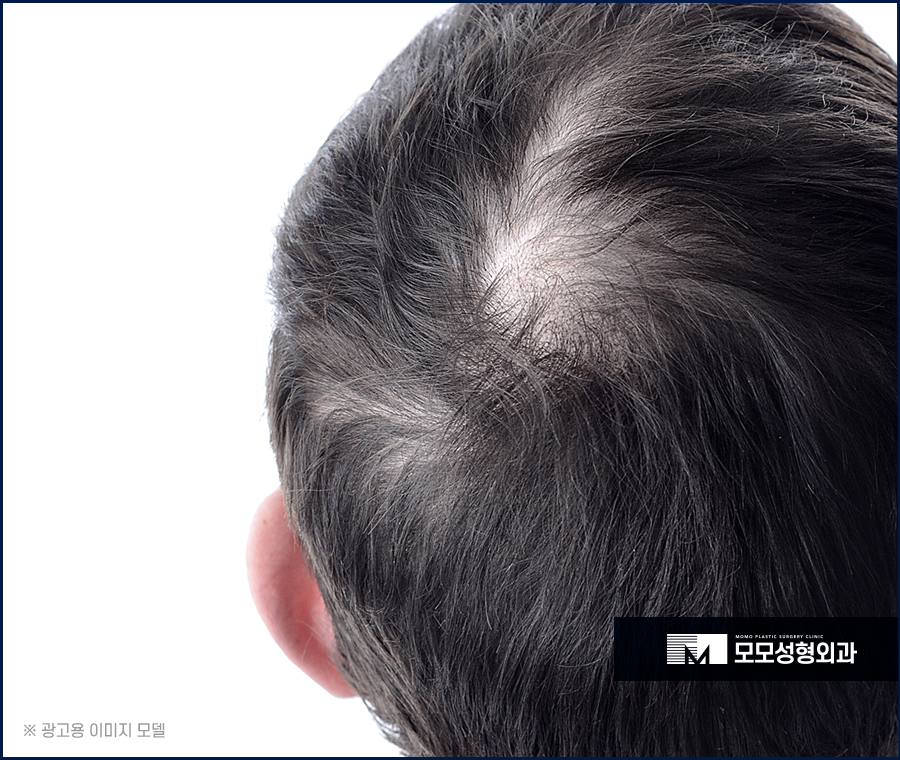
In addition, some people notice that their
hair becomes thinner and, as a result,
the amount of hair decreases, leading them
to wonder whether these symptoms mean they
have the hair loss condition they have only
heard about. In the past, it was mainly
seen in middle-aged and older men, but
recently it has become a social condition
that causes concern and worry for many
people regardless of gender or age group.
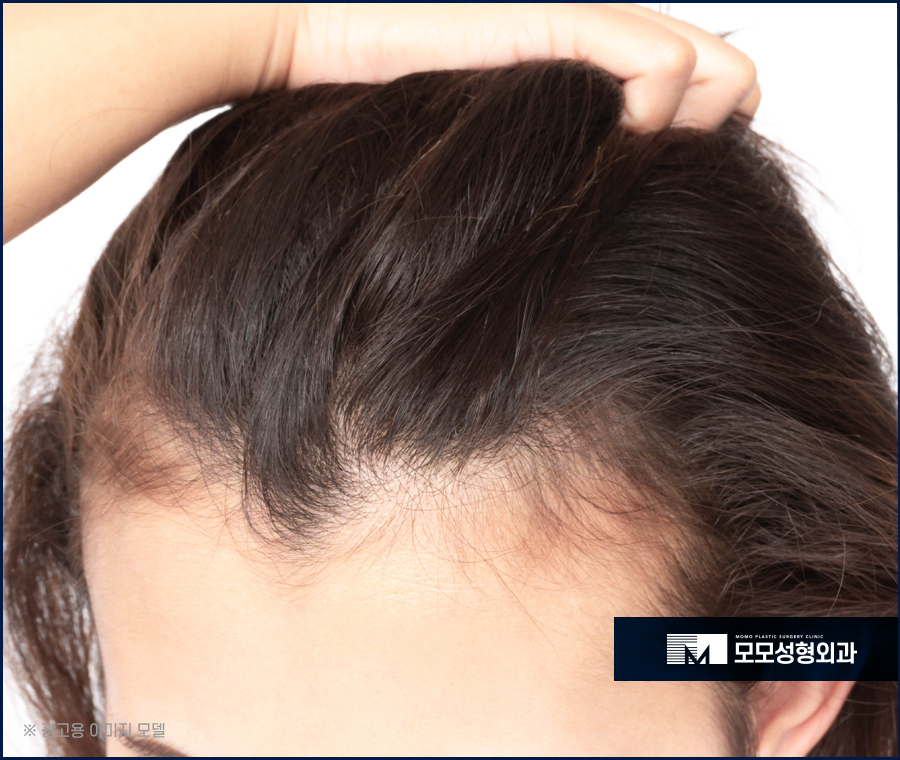
Representative causes include genetic factors
and stress, which occurs in various situations
and affects both the body and the mind. In
addition, irregular lifestyle patterns,
unbalanced eating habits, and repeated
overuse of hair procedures such as dyeing
and perming are also said to be acquired
factors that can cause a condition that
leads to hair loss. When these symptoms
appear, it would be desirable to visit a
clinic and consider countermeasures that can
improve the situation, but most people first
try to find various methods and information
they can use on their own and make an
effort to try them directly. However, such
coping methods, contrary to expectations,
only provide temporary effects and made it
difficult to reach a stage where the root
cause could be solved and improvement could
be achieved.
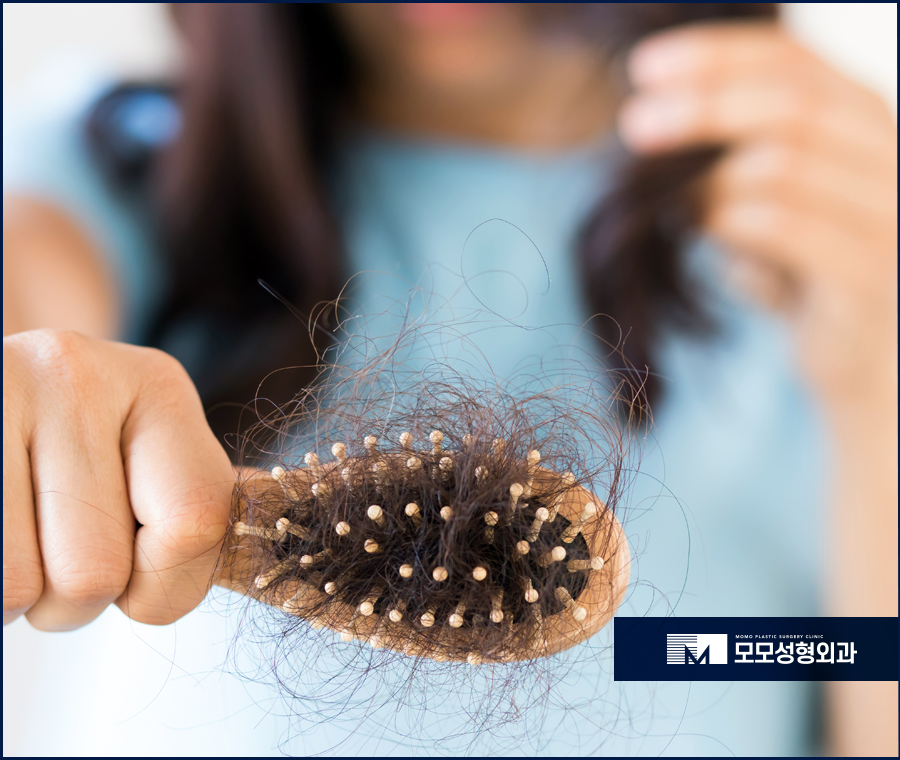
People who have gone through such a difficult
time have recently been said to prefer
medical methods in order to obtain clear
results. After understanding one’s current
condition and characteristics in detail and
creating a design, the procedure is carried
out according to a systematic plan, and after
receiving sufficient consultation and cautions
about possible situations that may arise
afterward, some people find that, by the time
two months have passed since the hair
transplant, the changes that occur may not
feel very positive, even though they had been
mentally prepared for them in advance.

For those experiencing hair loss, each strand
of hair is precious, so if the carefully
transplanted natural hair falls out, it can
lead to great concern, deep anxiety, and a
sense of loss. First, the swelling and redness
observed in the early stage mostly disappear,
and the wounds or scars in the implanted area
gradually begin to settle down. The skin
shows signs of recovering to a stable state,
but continuous aftercare is needed for full
recovery. And around two months after the
hair transplant, the so-called "dark period"
can occur.

You may wonder why this period occurs and
whether there is any way to prevent it from
appearing at all. It would be nice if the
transplanted hair could stay securely in
place and grow diligently, but our hair
follicles repeatedly follow their own unique
cycle. Generally, this is divided into three
or four stages: the growth phase, the
regression phase, the resting phase, and the
shedding phase. Hair grows for about 2 to 10
years and then falls out through the
regression and resting phases. It is this
characteristic of the cycle that can affect
the period after two months from the hair
transplant.

The procedure being attempted ultimately
requires the process of moving hair follicles,
and during the harvesting stage, changes in
the environment where the follicles grow and
the stress involved can inevitably affect the
cycle. Because of this effect, they enter the
regression and resting phases, and if
sufficient nutrient supply is not provided
smoothly, they may become even weaker and
more fragile, causing the hair to break.
Therefore, around two months after the hair
transplant, the dark period can be said to
begin.
The resting phase differs from person to
person and is generally varied, lasting from
4 to 5 weeks to 3 to 4 months, and hair that
goes through the dark period begins to grow
again as early as 1 to 4 months later. It is
known that this dark period does not occur
only after this surgery; related hair loss can
also occur after significant illness, such as
overly strict dieting or diseases that can
affect the hair follicle growth cycle.
It would be good if we could prevent these
symptoms from appearing, but it is said that
there is still no way to take measures to keep
the transplanted natural hair from falling out
after two months following the hair transplant.
However, if the proper process has been
followed and stable graft survival is being
shown, it can be said that, as this period
passes, the amount of hair that falls out,
whether much or little, does not play a major
role in the outcome.
Of course, watching precious natural hair fall
out can make anyone worry and feel depressed,
but if you set aside your greater concerns for
a while and wait with a positive mindset over
a suitable period of time, you will be able
to see your hair gradually growing again. For
that reason, rather than focusing only on the
symptoms that appear around two months after
a hair transplant, it may be more appropriate
to maintain a balanced intake of nutrients and
get enough rest.
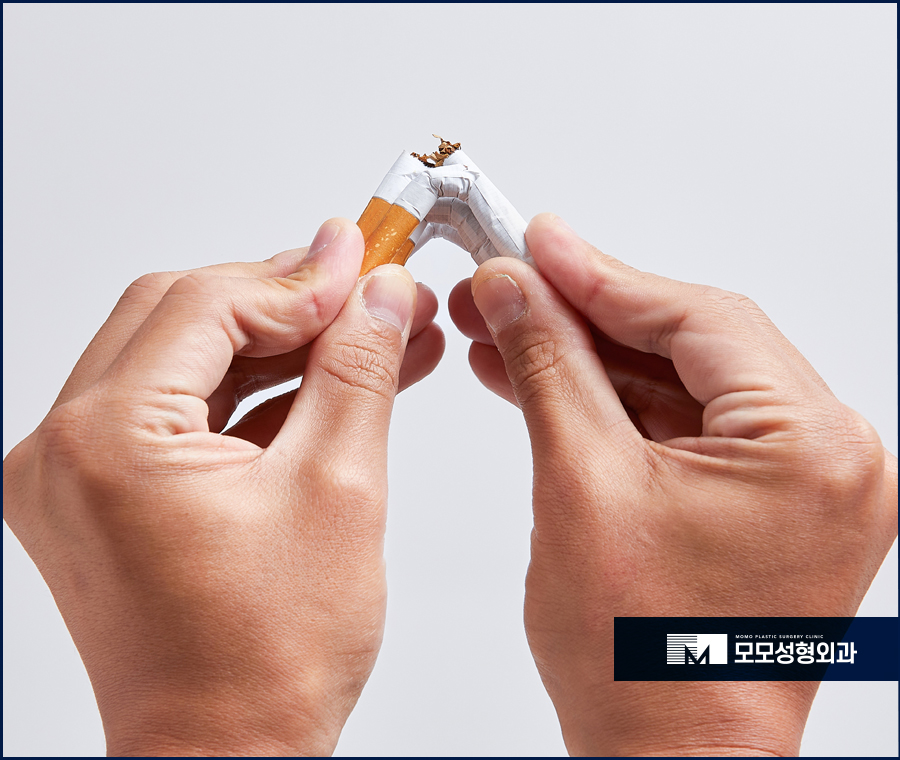
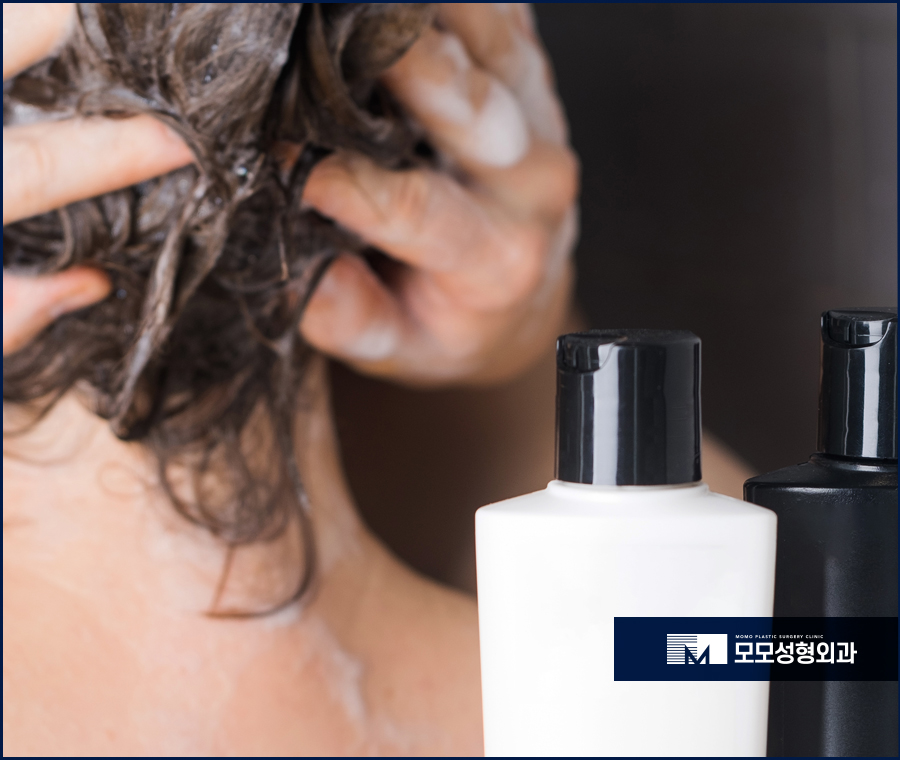
Also, when you reach this stage, you can
usually use your regular shampoo. However,
because the implanted area is not yet fully
stable, it is better to wash it using a
product that is gentle and can sufficiently
provide nutrients. Moderate exercise is fine,
but it is helpful to avoid excessive activity
or actions that cause a lot of sweating, and
alcohol consumption and smoking can have a
less-than-ideal effect on the growth of
natural hair, so it is advisable to refrain
from them as much as possible.

Since treatment does not end with a single
attempt, it is important to visit the clinic
periodically and have the doctor check the
condition of the transplanted area and the
symptoms being shown. Through this, you can
monitor the current status of hair growth and,
if necessary, proceed with additional care or
treatment.