Did you know that symptoms of hair shedding or loss are influenced not only by the hair’s natural growth cycle, but also by seasonal characteristics?
If you are already experiencing this kind of shedding, each strand of hair is likely to feel especially precious.
At this point, as autumn has begun and winter is just around the corner, it is said to be a less welcome season for people with hair loss.
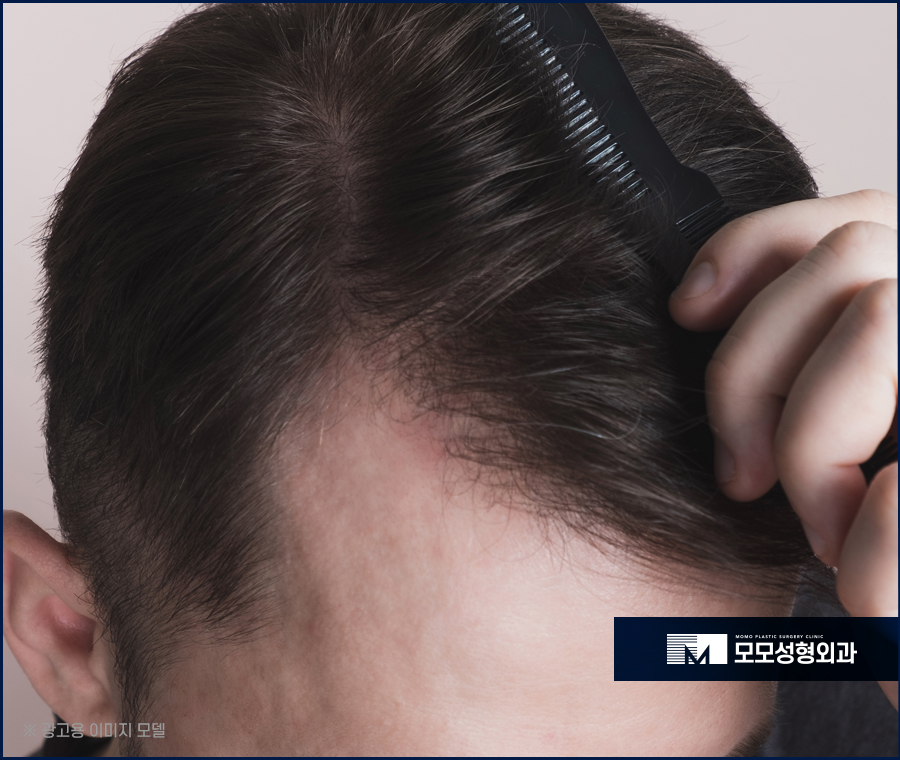
This is because in autumn, the secretion of the male hormone androgen becomes more active, making hair shedding symptoms worse, and in winter, dry weather tends to cause more scalp-related conditions such as dandruff and seborrheic dermatitis. In addition, according to the National Health Insurance Service, the number of people with hair loss in Korea has already exceeded 10 million, and according to the Health Insurance Review and Assessment Service, the number of people who visited clinics for diseases involving hair shedding and loss increased from 210,000 in 2016 to 230,000 as of 2020.
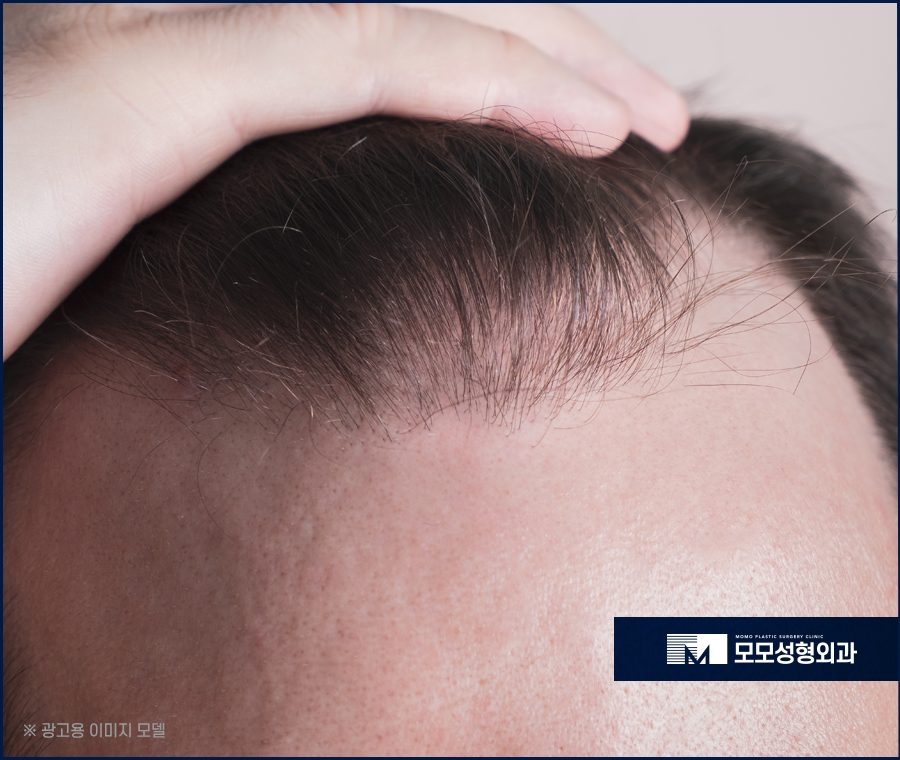
Hair loss is a progressive condition in which symptoms gradually worsen over time once they begin, so it is very important to take appropriate measures as soon as it is detected. Representative causes of these symptoms include hereditary factors due to family history, as well as various acquired causes such as excessive stress, nutritional imbalance, irregular lifestyle habits or patterns, and seasonal changes.
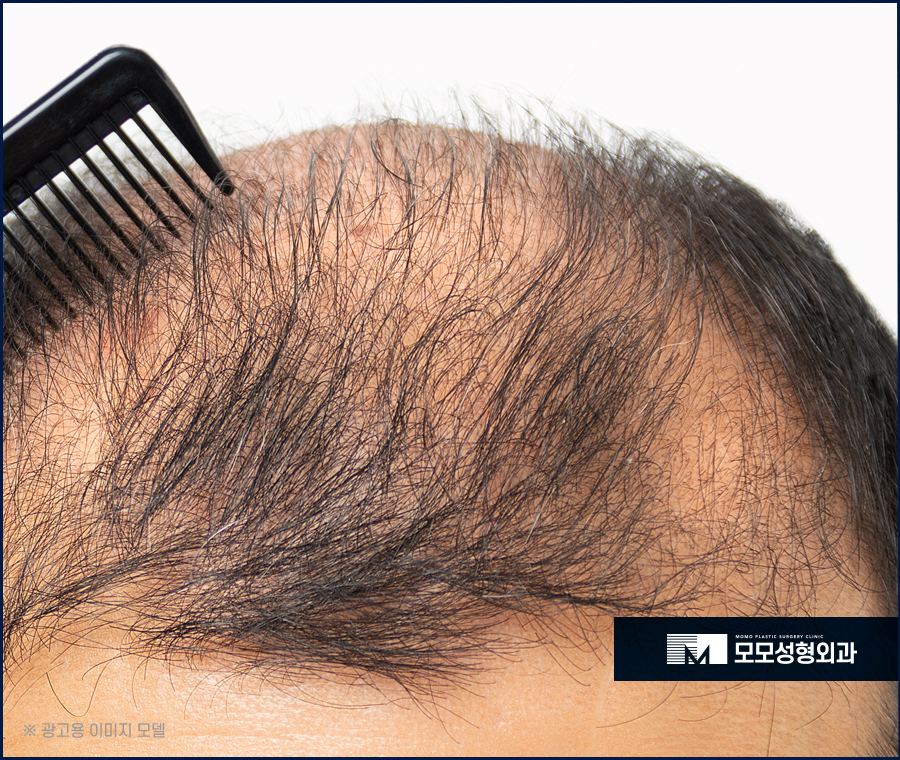
It would be great if this type of natural hair loss condition could be prevented, but there is no fundamental way to prevent it. Therefore, to reduce or improve these symptoms, it is important to consider the right method that is appropriate for you.
Recently, the option favored by people seeking such a method is a surgical procedure that removes healthy follicles from one’s own body and transplants them to the area where problems have occurred.
However, to try this, it is advisable to carefully consider and proceed based on several criteria.
You should look into the overall process of the related method, the price, and the possible situations that may arise after the procedure, such as pain from incisional hair transplant surgery, in detail before moving forward.
Some people may understandably feel worried and anxious because it is a surgical field. Then, to explain how the related case is carried out, the first step is to check each individual’s hair loss status and overall scalp health, determine the area and range to be implanted, and decide which parts must be transplanted and what density is needed.
Then, a local anesthetic process is performed in order to remove a certain section of the scalp.
After that, the area is excised and sutured to finish the procedure.
Because anesthesia is used at this time, there is no separate pain or discomfort during the procedure, and the follicles are then harvested from the removed scalp.

Because there is a difference in the surgical method between the non-incisional technique, which does not include an excision process, and the pain level of incisional hair transplant surgery, there may be some difference in the degree of pain.
In addition, since some people worry that the pain will be severe and therefore prefer the non-incisional method if they need to resume daily life immediately from the day after the procedure, there is also such a tendency.
However, because this method involves direct excision using tools, after the procedure is completed you may feel a pulling pain in the scalp for about a week.
In this situation, if you take the pain medication prescribed by the clinic properly, the pain will quickly subside, and it is only a mild level of pain that does not interfere with daily life, commuting, or work, so there is no need to worry.
If the area affected by hair loss is wide and a large amount must be harvested, the excision site will naturally become larger, so the level of pain may differ from person to person. However, it does not last for a long time, and in such cases, getting enough rest for a day or two can help. In addition, whether it is the non-incisional method or any other method, there can definitely be individual differences in pain from incisional hair transplant surgery, and there may also be differences in the recovery period required.
The more follicles are obtained, the longer the recovery period may be.
In particular, in the case of pain from incisional hair transplant surgery, as mentioned above, if many grafts are harvested, the excision area also becomes wider, so it generally takes about two weeks for the sutured area to heal, and it is important to manage it carefully so that the finished area is not irritated. During the recommended two-week period, it is especially important because this is a crucial time when the key factor for this solution, the engraftment rate, is determined, so avoiding alcohol and smoking is essential, and it would be helpful to refrain from strenuous activity for the time being.
In addition, there are individual differences in pain from incisional hair transplant surgery and in the recovery period. If you understand and consistently follow the precautions and aftercare recommended by the clinic after the procedure, you will be able to see satisfactory results as much as the considerable effort and time you invested.
If the pain does not go away or continues even after a certain period has passed since the procedure, rather than thinking, “It will probably disappear naturally if I wait a little longer,” or hesitating, it is advisable to visit the clinic and receive an accurate and thorough diagnosis and examination from the doctor in charge, and then take measures that can help improve the situation.