It is sometimes described as a personal choice based on individual preference,
and as a medium that allows a brief sense of relaxation
in a busy daily life.
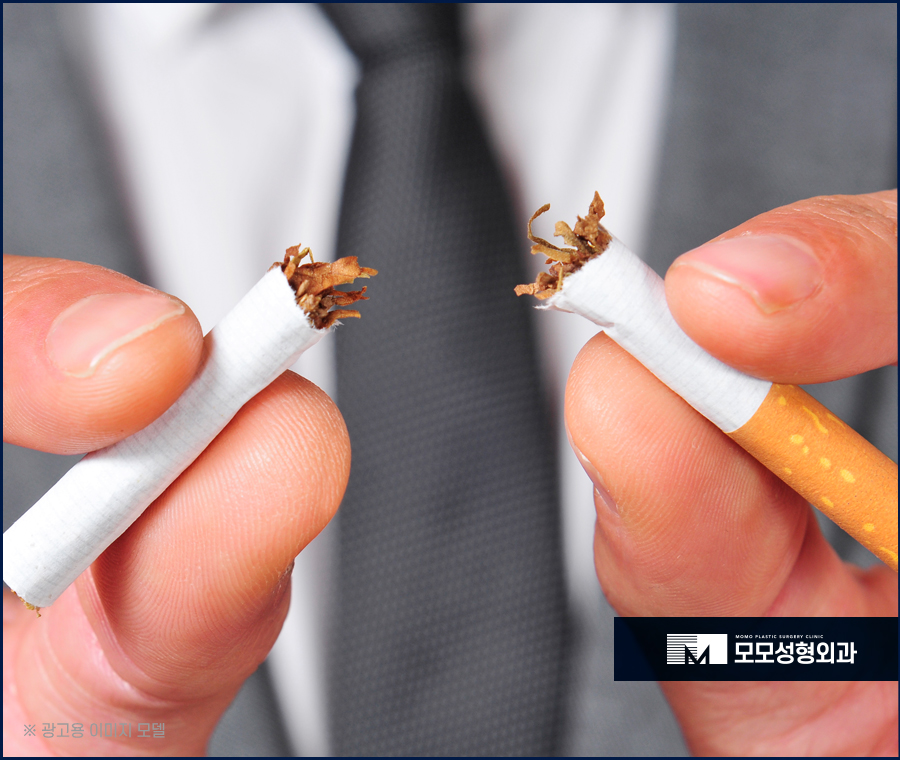
That is, the habit of smoking cigarettes.
Some people maintain a lifetime of never smoking,
while others say it is truly difficult to quit once they have started.
Those who enjoy it may say that through this behavior,
they can relieve the excessive stress accumulated each day
and release negative psychological factors.
For people who have never experienced it firsthand,
this may be an unfamiliar emotion and feeling.
However, among people who have such a habit,
if hair loss develops due to hereditary factors from family history,
stress, which is also called the root of all illness,
irregular lifestyle patterns, and unbalanced eating habits,
then this could become an even more serious issue
that raises greater concern.
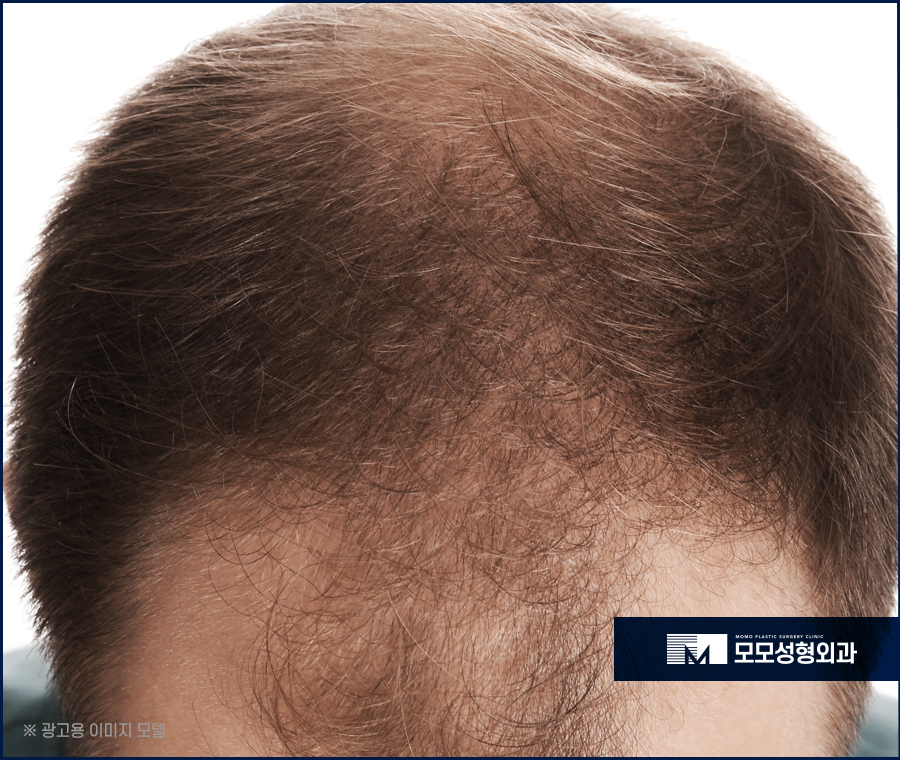
This is because once this type of hair loss disease begins in earnest,
it is difficult to naturally return to the original state,
and although it may start with a relatively small area at first,
if timely and active measures are not taken,
it can expand into a larger bald area.
It is a progressive disease.
However, after noticing these symptoms,
most people tend to try methods they can do themselves
or folk remedies rather than visiting a related clinic first.
They may try shampoos available on the market that contain functional ingredients said to help regrow lost hair,
apply related hair products,
or sometimes take prescribed medication.
When going out, they may endure discomfort and try makeup on the affected area,
or make efforts to cover it as much as possible with items such as hats.
However, while these methods may have had temporary effects,
they were not enough to resolve the fundamental main cause.
Despite spending a great deal of time and effort in the past,
many people accept that their condition has not improved,
visit a clinic, and consult with the doctor to receive medical help,
inquiring about precautions such as smoking after a hair transplant.
Some people may look at their current hairstyle, with less hair and visible sparse areas,
and wonder whether surgery is truly necessary and whether they absolutely must quit smoking.
If that is the case, it may be helpful to look at the information shared here.
Cigarette smoke contains carcinogens and causes not only hair loss but also cancer, respiratory diseases, and cardiovascular disease.

Each cigarette contains about 0.1 to 2 mg of nicotine, which also has a negative effect on the scalp and the health environment of natural hair,
and can be said to be an indirect cause of hair loss.
In addition, the basis for promoting hair loss is that reactive oxygen species increase,
oxygen supply to the scalp becomes insufficient,
vitamin C is destroyed,
scalp aging is triggered,
and, in addition, the activity of DHT, which promotes hair loss, increases.
The more cigarettes one smokes, the more reactive oxygen species continue to increase,
which narrows the blood vessels in the scalp, blocks pores, and attacks hair follicles,
so it is by no means beneficial.
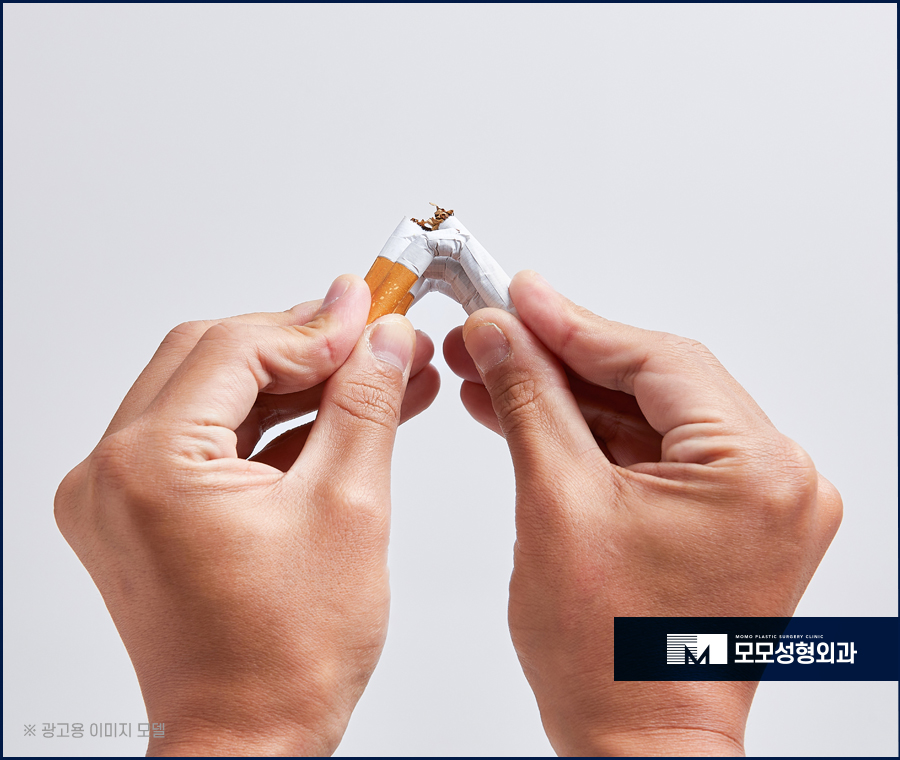
That is why it is said that smoking should be avoided after a hair transplant,
and it is helpful to stop smoking for about 3 to 4 days before the procedure.
It is also advisable to refrain from smoking for about 2 weeks,
which is the period during which the implanted follicles stabilize their engraftment.
The overall process of the related procedure involves harvesting relatively healthy hair from the area where hair has been lost and transplanting it anew.
In this way, our bodies become busy supplying nutrients to the newly implanted natural hair.
Beneficial components are sent to the treated area,
and nearby capillaries also begin moving to provide nutrients.
Because this process continues for about 5 days to a week after the procedure,
it is important to take care during this period.
Of course, recovery speed differs from person to person,
but this is why it is recommended not to smoke after a hair transplant for at least 10 days and up to 2 weeks.
When you are given such a recommended period and cautions to follow,
you may feel stressed by trying to quit suddenly.
However, since stress is not very beneficial for hair loss,
rather than trying to stop smoking after the hair transplant,
it may be helpful to have enough time in advance before the surgery and adjust the amount appropriately.
In addition, although the transplanted hair does not easily fall out,
it is no exaggeration to say that maintaining satisfying results for a long time and preventing further hair loss depends on consistent care and how well you follow healthy and regular lifestyle habits.
Also, in addition to smoking after a hair transplant, another point to be careful about is getting enough rest afterward.
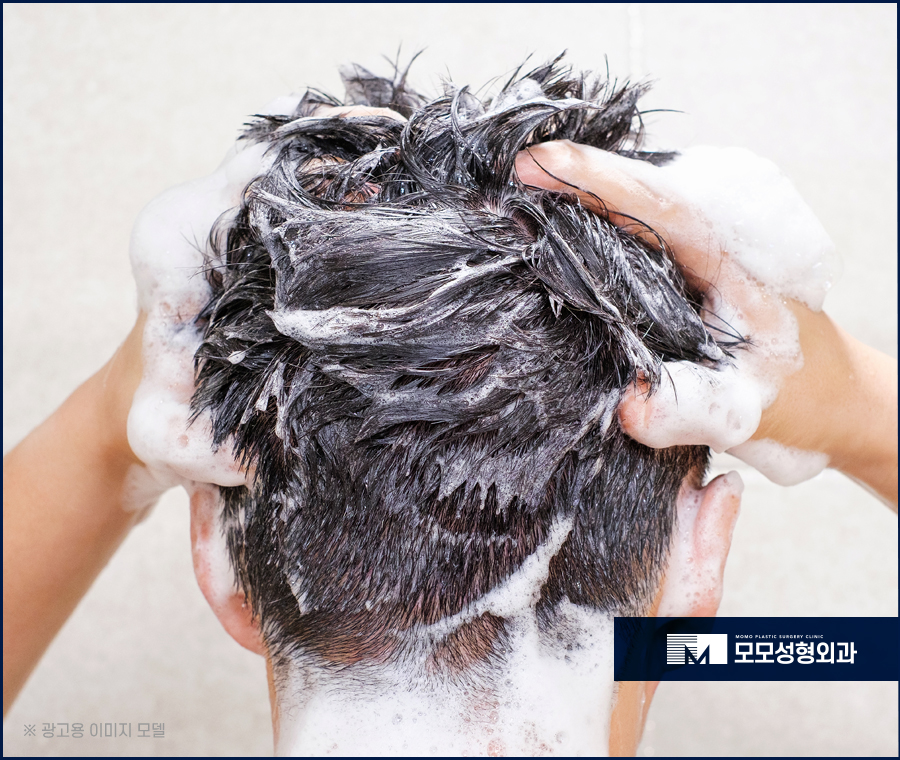
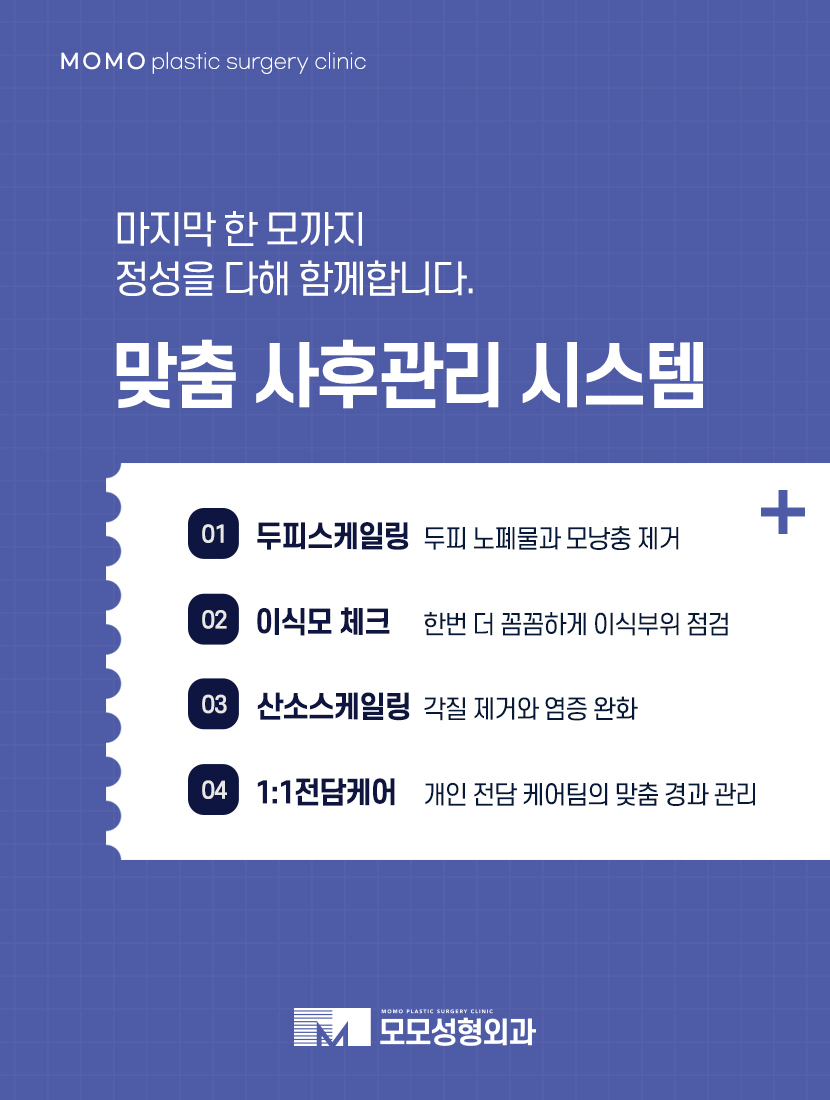
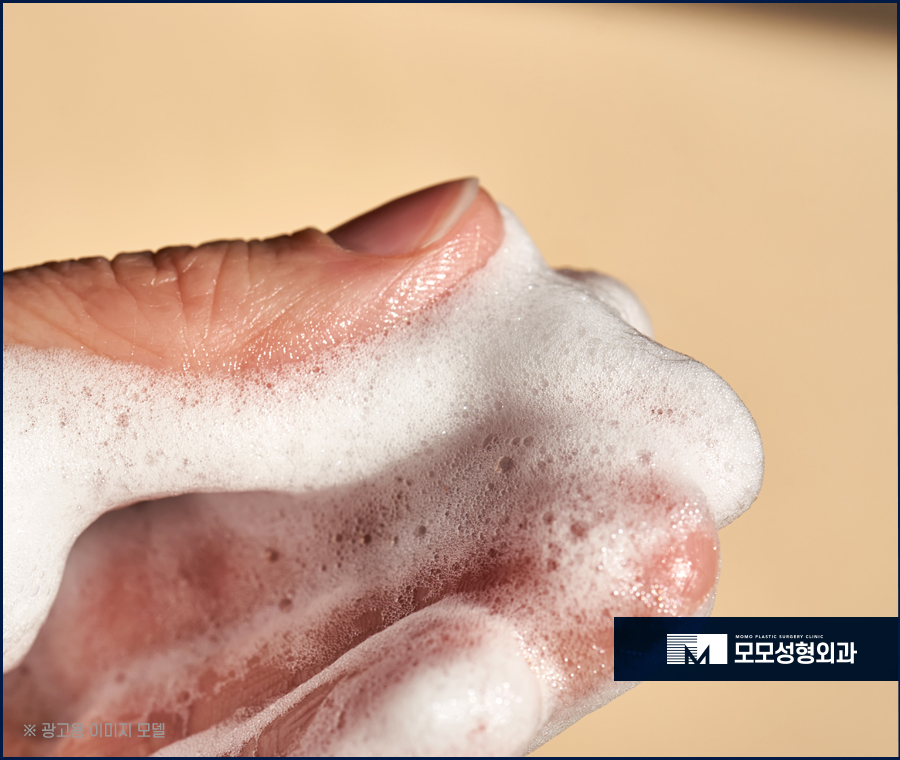
It is important not to stimulate the treated area by touching it, so when about 3 days have passed, washing with shampoo becomes possible.
At that time, it is best to put shampoo on the back of the head, create foam, lightly leave it in place, and then gently and carefully wash it with softly running water.

If the area is exposed to waste matter or secretions for a long time,
sebum may not be secreted smoothly,
which increases the risk of inflammation and may reduce the engraftment rate.
If possible, daily washing is recommended.
If you have understood these precautions and continued to follow them consistently,
but abnormal reactions still do not go away and persist,
rather than assuming they will improve on their own,
it is advisable to visit the clinic immediately,
consult the doctor in detail about the current situation,
and actively try appropriate measures.