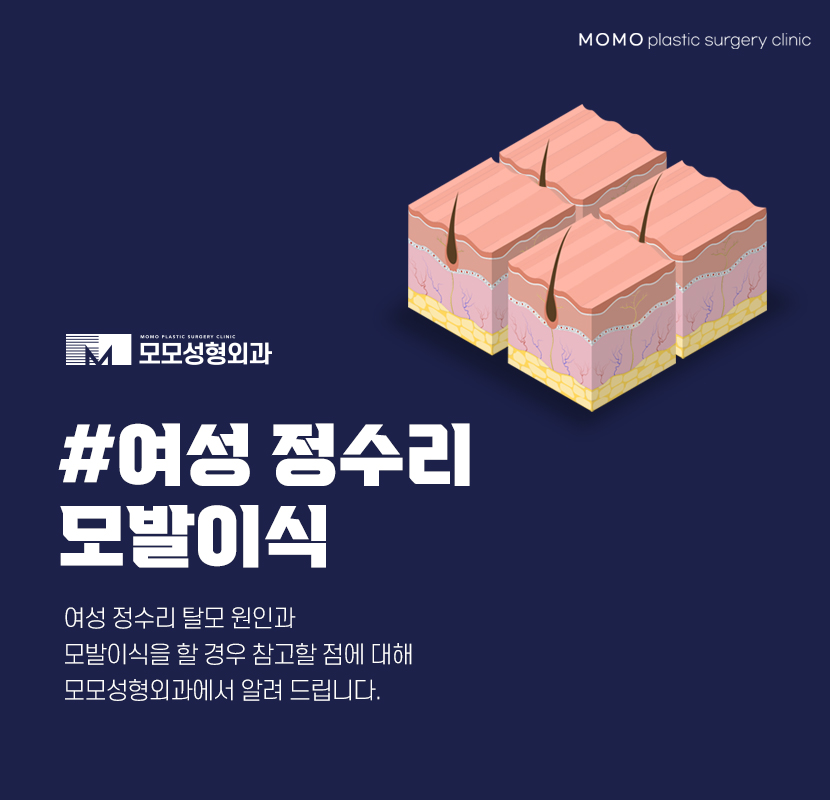
It is said that Korea has reached an era in which ten million people are experiencing hair loss, making this not just a problem that appears only in middle-aged men, but a concern for the majority of people. In particular, more women have recently been looking for ways to improve the health of their hair.
According to the National Interest Disease Statistics data, as of 2021, the number of people who visited clinics and received appropriate treatment for a condition that causes hair loss was estimated at about 240,000.

Among them, women accounted for about 44%, exceeding 100,000 people. As such, the causes of hair loss are very diverse, and representative examples include genetic factors and hormonal changes. In the case of women, hormone levels can change due to physiological fluctuations such as pregnancy and childbirth, as well as menopause and postmenopause.
In addition, along with external factors that place stress on the hair, such as nutritional imbalance, excessive dieting, irregular 생활패턴, and frequent hairstyle changes like dyeing and perms, severe stress caused by various situations such as school or work is also known to have a major influence on conditions that cause hair loss.
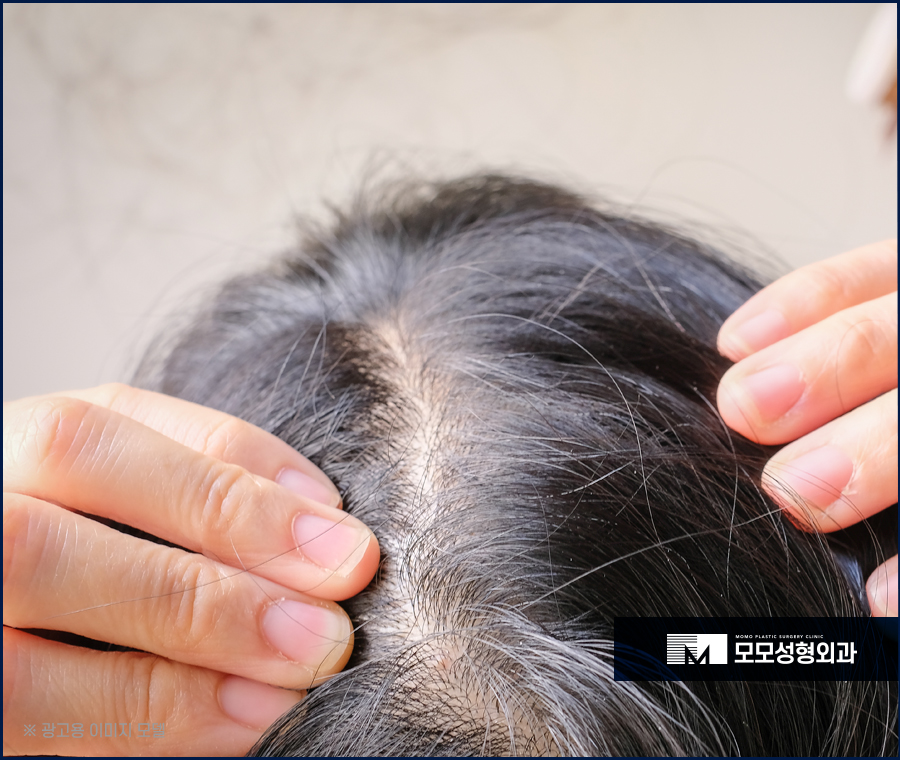
If these concerns arise, they can greatly affect everyday life, including social interaction, personal relationships, and work life. When others can see a hairstyle and appearance that look sparse and lacking in hair volume, self-confidence can drop dramatically, which can further increase stress and, in severe cases, lead to psychological conditions such as depression or social anxiety, causing even greater distress. In particular, if the situation has become serious enough to consider female crown hair transplantation, concern about strangers' eyes may become even stronger. Because this area is difficult to cover with makeup, it is common to conceal it using items such as wigs, hair fibers, or hats.
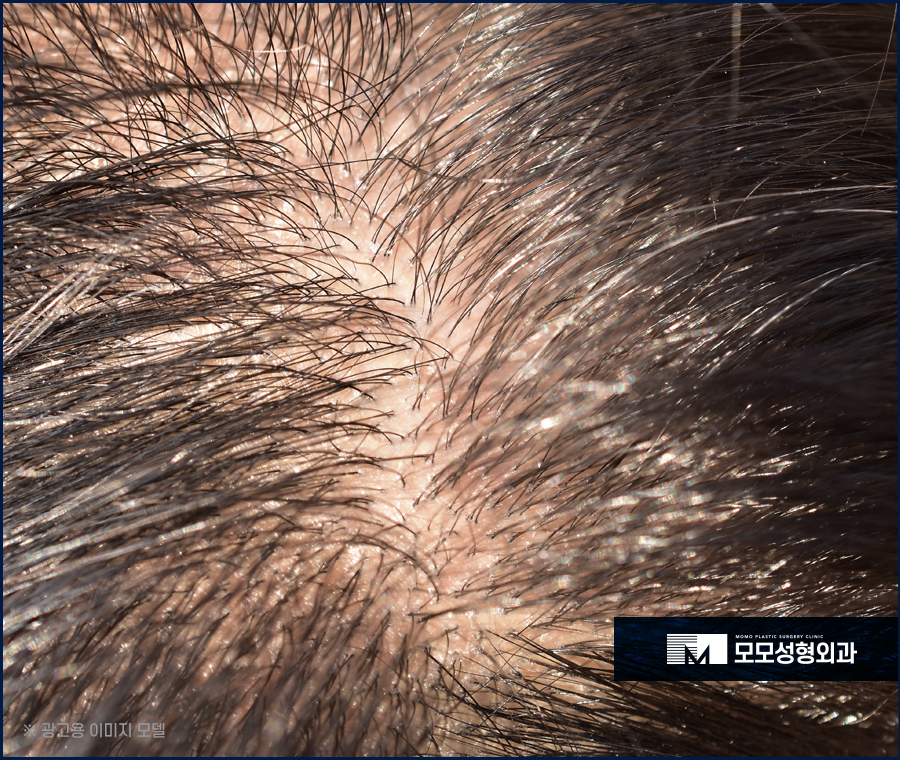
However, for people in certain occupations, using these cover-up products every day may not be suitable, so they may have to use various methods and make many efforts. Even so, there are many people who pursue female crown hair transplantation with the hope of a permanent outcome and a noticeable change in appearance, and through these efforts and the process, they hope to move in a positive direction by regaining their appearance and lost confidence.
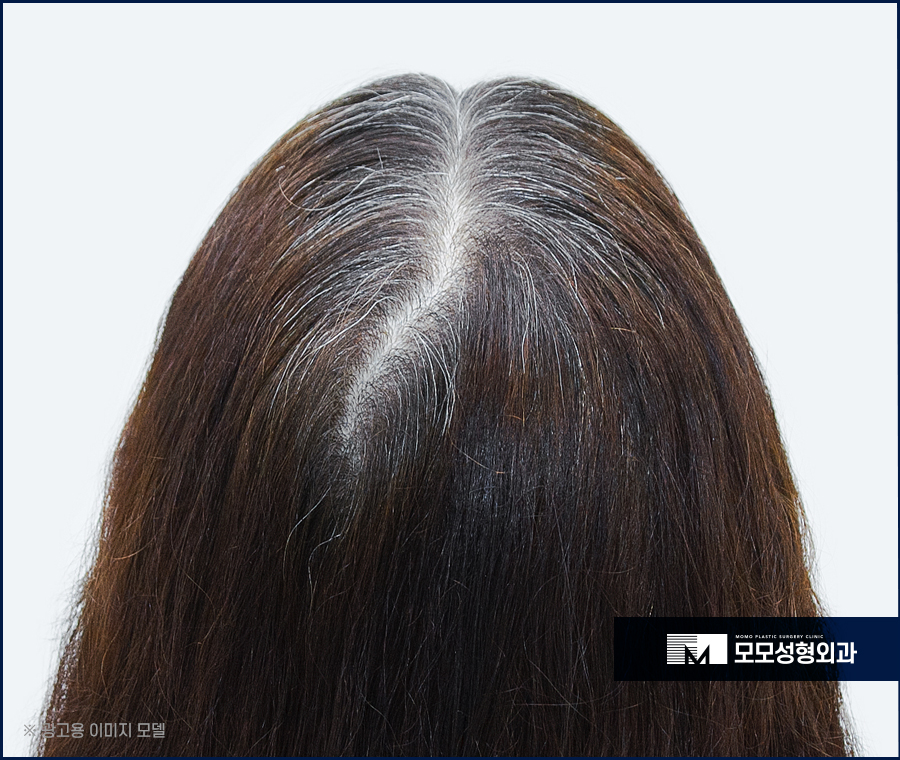
Unlike men, female hair loss is more often observed at the top of the head or along the part line rather than appearing in an M-shaped pattern centered on the forehead and hairline. In the early stages, the hair gradually becomes thinner, and the part line gradually widens. As the condition worsens, the area of exposed scalp becomes broader and takes on a whitish appearance.
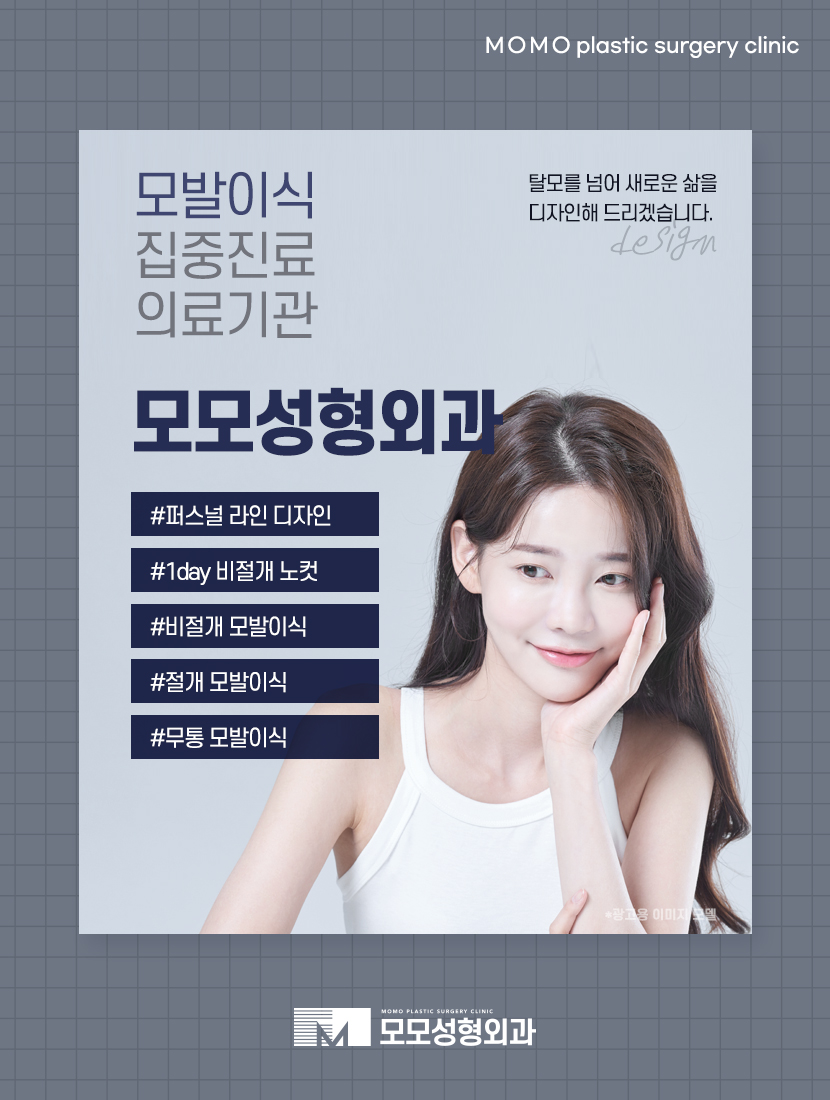
It may be difficult to notice from the front, but at some point the scalp at the crown and part line becomes clearly visible to the naked eye, drawing attention and potentially becoming a serious problem. If the hair in that area lacks overall volume and the scalp is clearly visible, it can affect one's overall appearance, image, and impression. This not only makes one look older, but can also trigger psychological issues, especially given that women tend to be sensitive about visible areas. Therefore, if hair loss symptoms are recognized early, it is advisable to take action immediately.
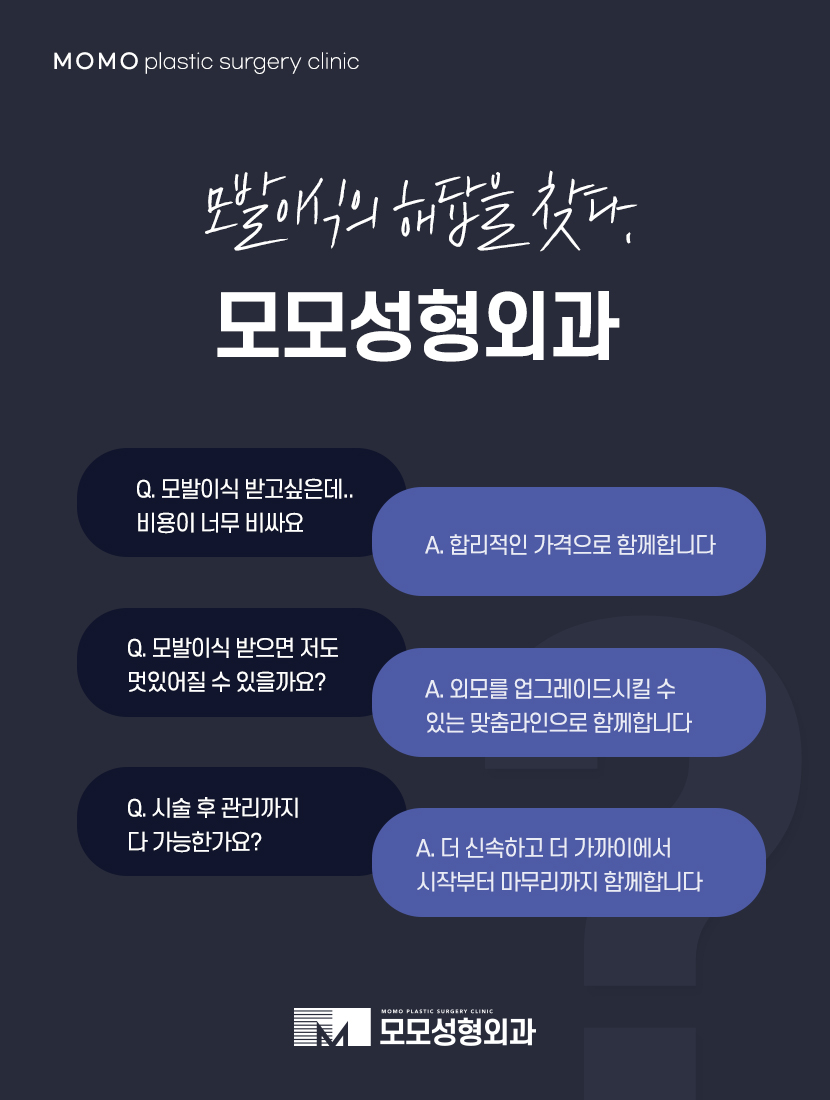
The faster the response, the more effective the results, so if you receive counseling and a diagnosis appropriate to your condition and then proceed with a solution such as female crown hair transplantation, you may be able to prevent the symptoms from worsening. The key is a solution that restores volume in a situation where hair density is gradually decreasing and the lack of volume makes the hair look thin, allowing for a fuller style again.
In particular, when it is visible from the outside, it is important to proceed so that it blends naturally with the existing hair without appearing artificial or awkward.
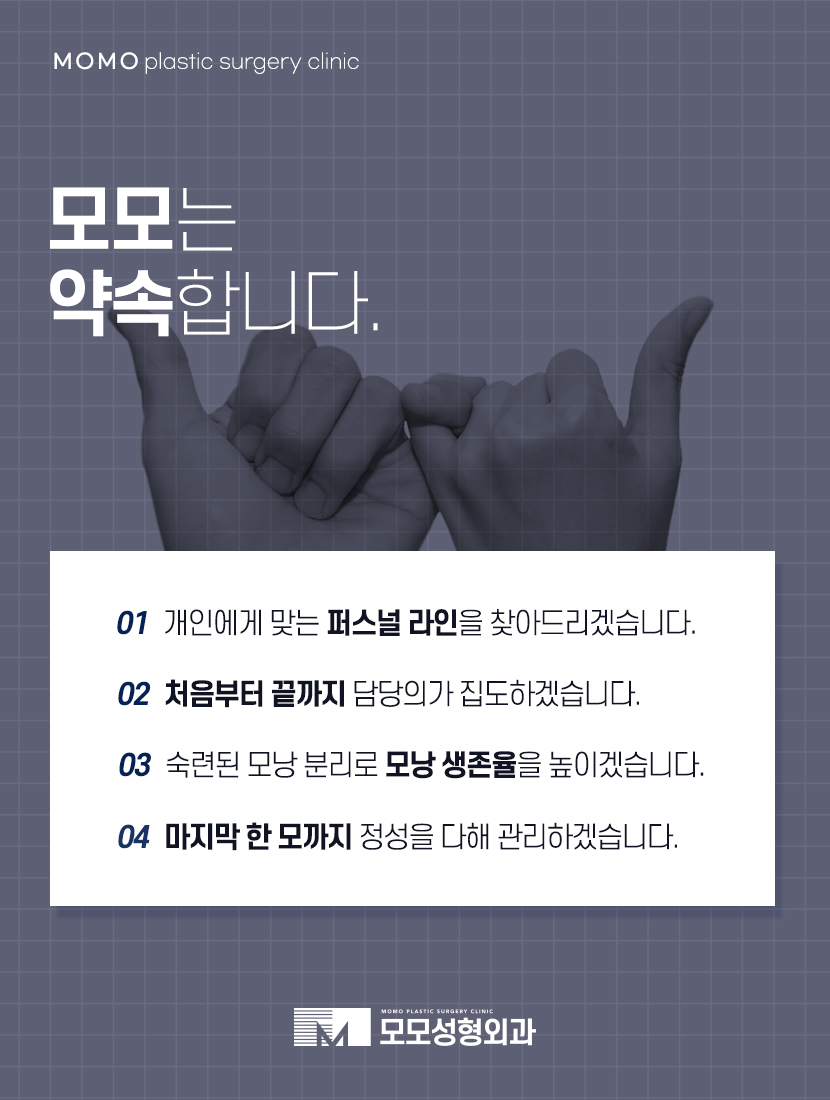
To do this, it is essential to focus on a personal design plan tailored to each individual. The overall shape of the head and face, the proportions of the facial features within it, the growth direction and density of the existing natural hair, and the characteristics of the hair already present, such as fine strands and medium- to thick-textured hair, must all be taken into account. After carefully analyzing these factors, the plan should be systematically established. Through this aesthetic composition, maintaining a harmonious distribution with the existing hairstyle while performing female crown hair transplantation is considered the most important part.
The methods that can be applied to female crown hair transplantation are broadly divided into two solutions: strip harvesting and non-shaven extraction. The strip method involves removing a portion of the scalp, extracting the follicles within that area, and transplanting them to the problem area. The non-shaven method involves selectively collecting healthy follicles from an area that has been relatively less affected by hair loss and then implanting them back into the problematic area.
Because the appropriate approach may differ depending on one's current symptoms and condition, it is advisable to work with the doctor in charge and fully consider one's characteristics and situation before deciding on the most suitable surgical method.
In addition, female crown hair transplantation requires a more precise and delicate approach than in men, making it a difficult, high-level procedure. For this reason, great caution is needed when choosing a related clinic.
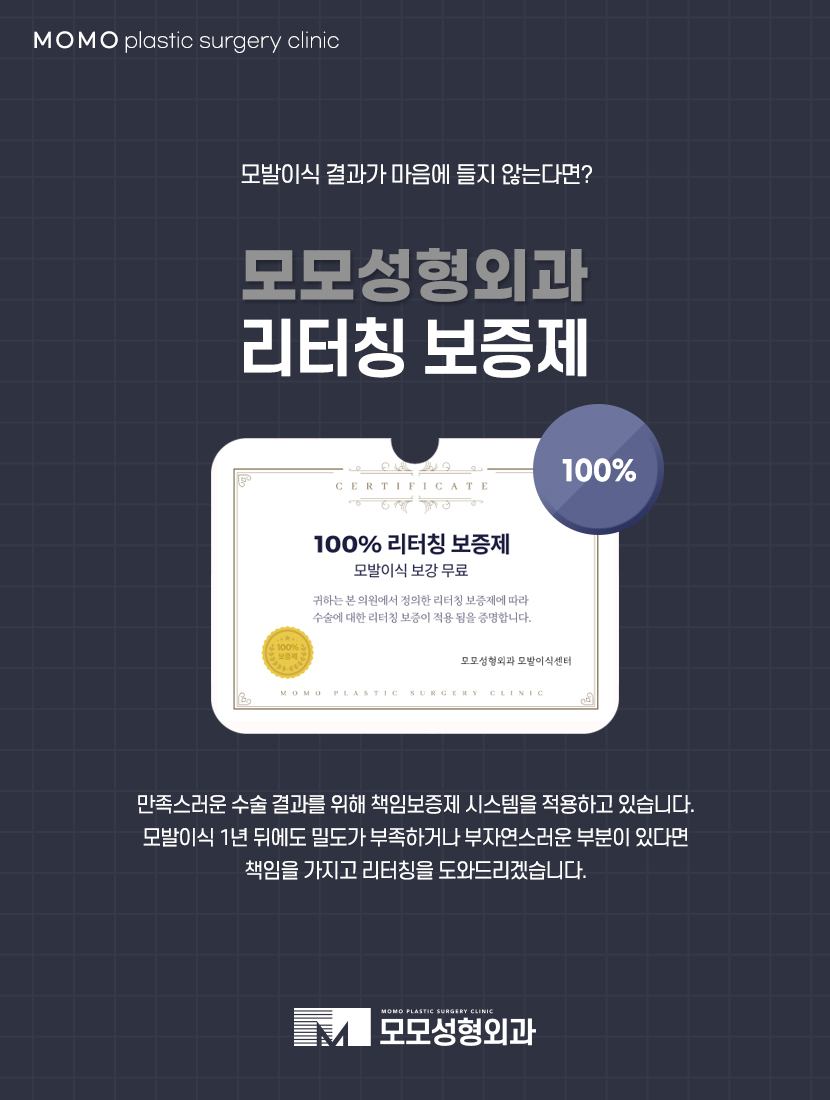
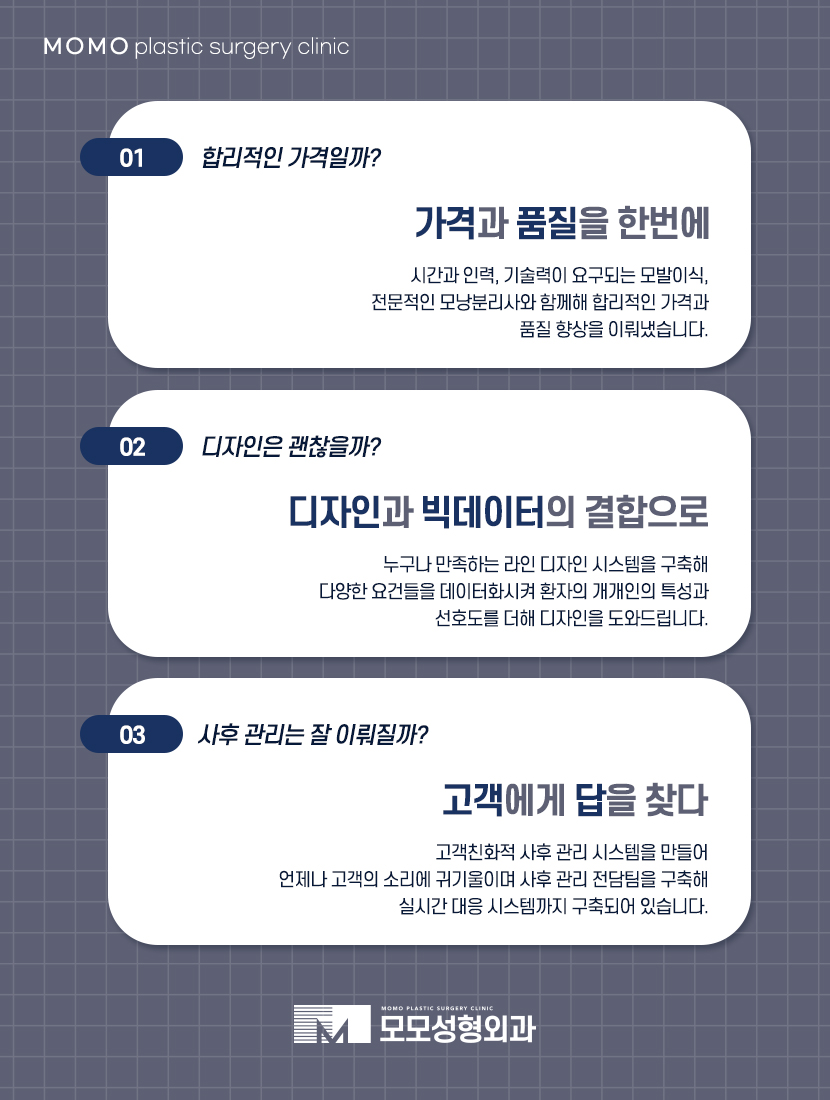
Depending on the extent of hair loss, there may be cases where high-density, large-volume procedures are required, so it is important to check whether the doctor performing the procedure has extensive experience and numerous cases over the years, as well as excellent aesthetic sense, technique, and know-how. In addition, in order to create a satisfying outcome together, it is advisable to carefully evaluate important criteria such as whether they provide detailed consultations on the design and solution through smooth communication, and whether they responsibly and actively manage the aftercare system provided for stable graft survival, before making a careful decision and proceeding.