As autumn shifts into full winter, temperature differences can change so abruptly
that the weather becomes quite erratic. For that reason,
it is important to pay attention to lowered immunity and health
management during this season. A period in which temperatures
rise and then fall, and humidity is not constant,
is what we call a seasonal transition period. Getting through times like this without losing resilience
is important not only for overall
physical health, but also for the condition of the skin and
scalp.
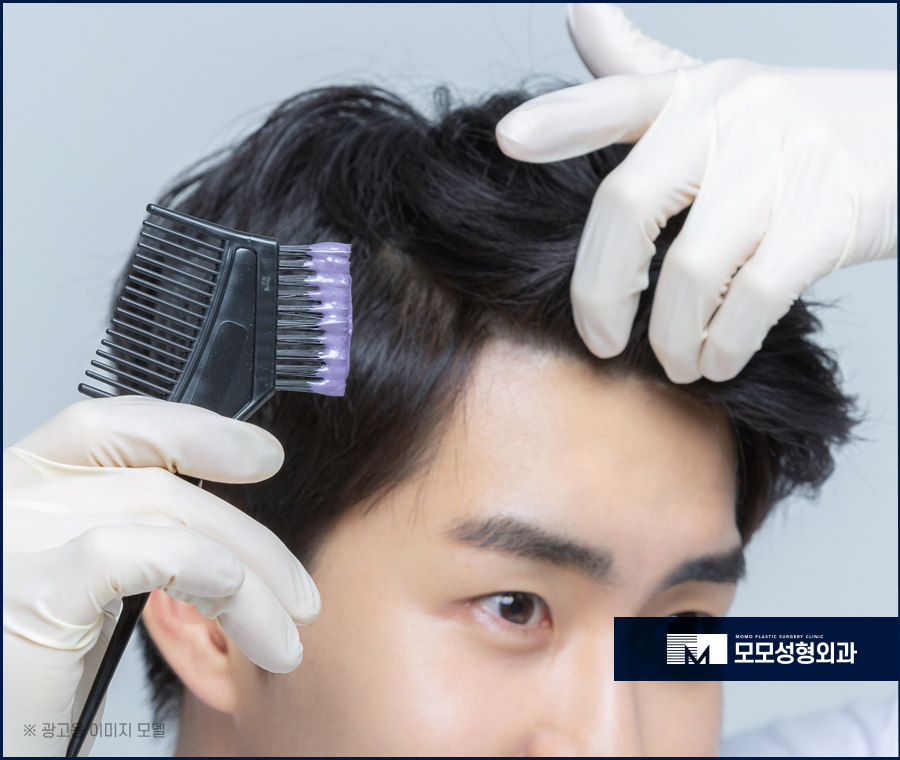
Sometimes, while doing a routine like
washing and brushing your hair, or even when
unconsciously touching the area around your hair,
you may suddenly feel pain. If this is pain
that did not exist at all before,
such a sudden symptom can naturally make you worry
that something may be wrong with your health. Pain in the skin covering the head
should not be taken lightly, and because pain itself
occurs due to a problem caused by
the reason the scalp hurts,
it is better not to simply leave it alone or ignore it,
but to carefully identify why the pain has appeared and
try to improve it accordingly.
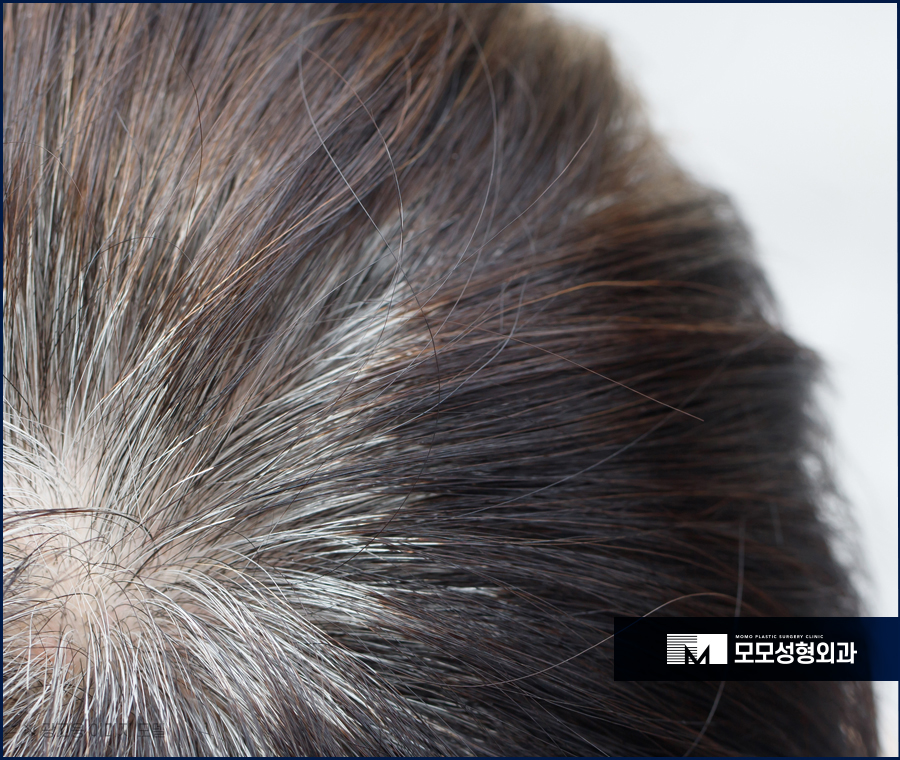
In particular, if you leave the pain felt in this area
with the careless thought that it will naturally get better,
there are quite many cases in which it can lead to
hair loss, so after carefully looking into the reasons
for a painful scalp, if the pain is at a level that requires action,
it is a good idea to visit a related clinic
for detailed consultation and diagnosis. That can become
a step that helps stop your condition from changing
in an undesirable direction.
There are many different reasons why the scalp hurts. Among them, the first
common example is the habit of tying the hair up. This is especially
a cause often complained of by people with long
hairstyles. When you tie the hair tightly into a ponytail with strong force,
the hair roots can bend, which creates tension
and may cause ongoing damage.
As a result, smooth blood circulation to the hair roots
becomes difficult, and nutrient supply also does not
occur properly, creating a vicious cycle that can lead to
hair loss.
Also, a painful scalp can occur when excessive
stimulation causes inflammation. This may appear due to severe friction,
overproduction of sebum, or strong ultraviolet rays. In addition,
if you use the wrong shampoo for your hair type
or are in a state where metabolism is not smooth due to
nutritional deficiency, dandruff can increase and you may feel relatively mild
itchiness and pain.
In addition, even when frequently using hair-related products such as wax, gel,
or conditioner, if they do not suit your type,
they can cause inflammation and pain. When the skin
dries out, its barrier function that protects it from external
irritation becomes weaker and it becomes more sensitive,
so even a small impact can be painful. Also, when peripheral nerves are
compressed, a tingling pain may be felt,
which can be suspected as a symptom called scalp neuralgia. Therefore, if the top of the head,
the back of the head, or the area behind the ears hurts continuously,
try stretching, and if the reason the scalp hurts is related to this,
you should definitely visit a related clinic,
identify the symptoms being shown, and receive an accurate diagnosis.
Stress, also called the root of all illnesses,
can affect the head as well. If this causes blood vessels to constrict,
blood flow can decrease along with it, which may lead to pain.
Even when you normally keep yourself clean for hygiene reasons,
this kind of problem can still occur. And if you have an unbalanced diet
or a偏一-sided eating habit, and your hormone balance is disrupted,
it is also important to keep in mind that this too is highly likely to have an effect. When sleep time is insufficient due to a busy daily life
and fatigue accumulates, swelling can occur,
which may become a problem that causes hair loss due to the reason the scalp hurts,
so relieving accumulated fatigue and stress in an appropriate way
can be helpful.

Then, what methods can help reduce this discomfort even a little,
and what kinds of care can you practice in daily life?
In fact, removing the causes that trigger such symptoms
is the right direction. Basically, it is important to build the right habit of
keeping the skin sufficiently moisturized so it does not dry out, and after washing your hair,
to dry it completely at an appropriate temperature.
Also, if you have a sensitive skin type, reducing the frequency of dyeing or hair procedures
and minimizing unnecessary irritation can be one helpful method.
However, even if you are making steady efforts and practicing care consistently,
if the reason the scalp hurts does not improve
and you continue to suffer, it is important to visit the relevant institution as soon as possible,
carefully identify the causes that are not improving,
and actively carry out appropriate measures for your condition and symptoms.
This may become an opportunity to stop, even by one step,
the progression from simple pain to a hair loss disorder.