Basically, in social life, relationships with others,
and daily life,
hair is not just an aesthetic element,
but plays an important role.
It would not be an exaggeration to say that it does. It is not only responsible for one side of a person’s outward appearance,
but can also influence their impression
and image.
If you have a full and elastic hairstyle,
you can radiate a bright, neat, and attractive image,
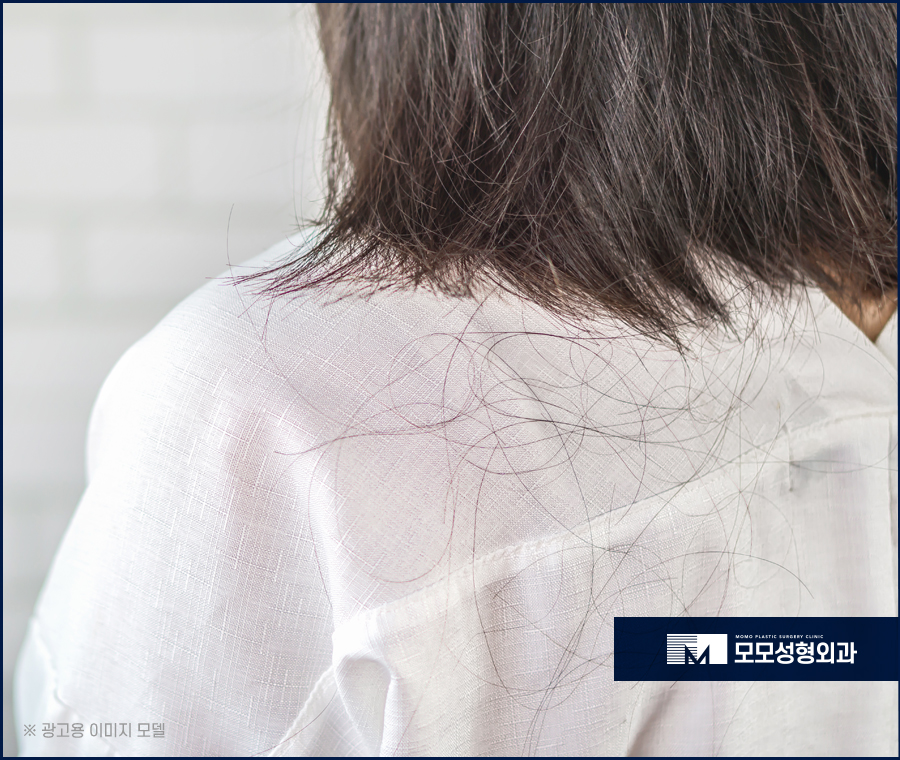
whereas if hair is lost in patches
and the scalp becomes visible,
this can reduce quality of life,
and the appearance-related issue can become a complex,
causing once-confident self-esteem to drop without end,
and may even turn into depression
or social anxiety, where a person becomes reluctant
to face others.
In addition, people with this condition
used to be limited to middle-aged and older men in the past,
but these days it is said to have become a disease
that can occur in both men and women.
It is said that the proportion of people affected
accounts for about 1/4 to 1/5 of the entire population
in South Korea.
As confirmed by these statistics,
hair loss is now no longer a problem
that can be defined only by genetic factors,
since it may come to us at any time.
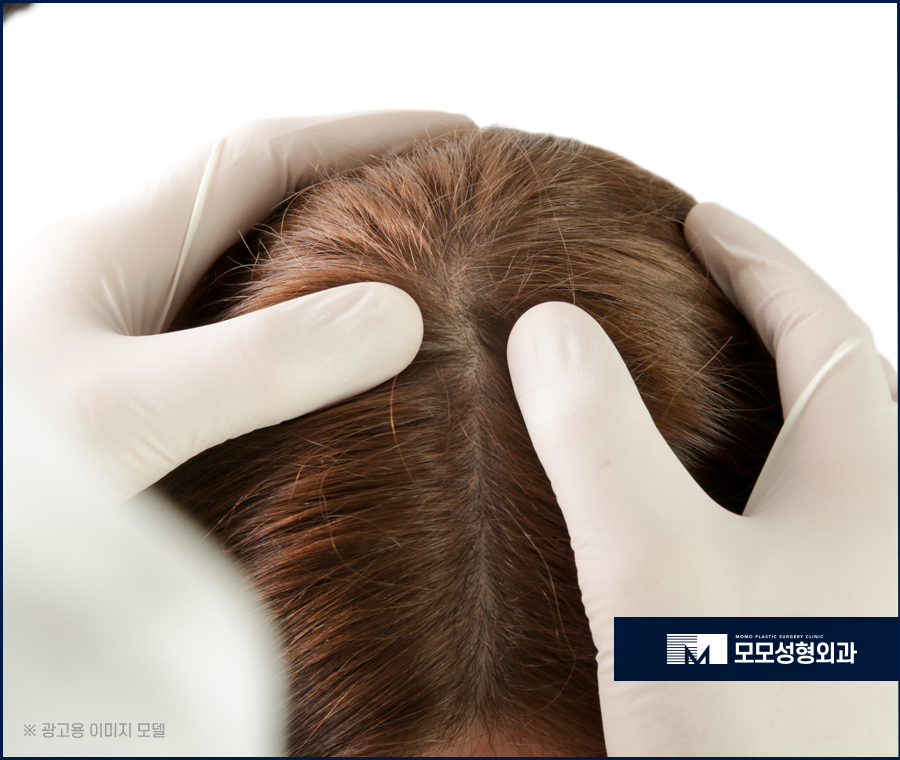
Therefore, if you currently suspect a condition
such as female temple hair loss,
or if it has already progressed to some extent
and is spreading widely,
do not leave it alone with the complacent thought
that it will naturally recover on its own.
Instead, it is best to find a relevant clinic
and seek ways to improve it as a priority.
 So then, what are the causes of female temple hair loss?
As mentioned earlier, genetic factors due to family history
can of course be considered a representative cause.
In general, many people know that men mainly experience
natural hair shedding symptoms because of this factor.
However, regardless of gender, if you have inherited genetics,
there is a difference in that women are more influenced
by the maternal side, so the probability is somewhat lower
than that of men.
So then, what are the causes of female temple hair loss?
As mentioned earlier, genetic factors due to family history
can of course be considered a representative cause.
In general, many people know that men mainly experience
natural hair shedding symptoms because of this factor.
However, regardless of gender, if you have inherited genetics,
there is a difference in that women are more influenced
by the maternal side, so the probability is somewhat lower
than that of men.
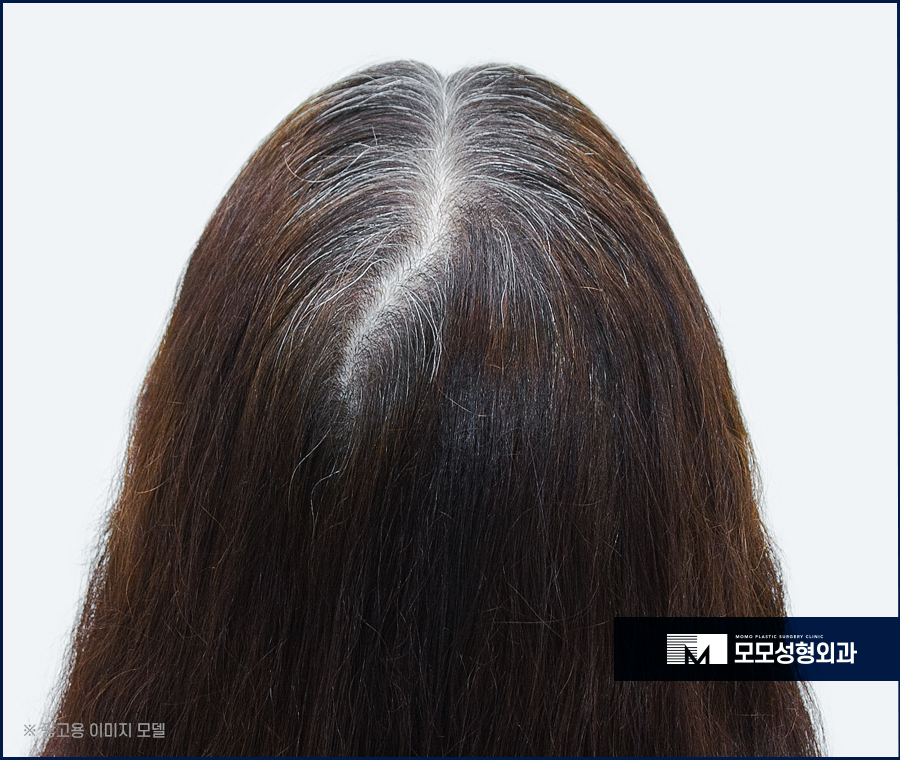
However, because the likelihood of such genetic factors
appearing differs depending on one’s usual physical condition,
women should not feel completely reassured.
It is advisable to pay attention to managing your condition.
In addition, factors that affect female forehead hair loss include
failing to get enough sleep due to an irregular lifestyle
pattern in a busy daily routine,
and continuing to not consume essential nutrients evenly
because of excessive weight loss.
This can cause not only side-hair shedding symptoms
but also hair loss of all types.
Also, in the case of female temple hair loss,
it can occur due to hormonal changes caused by pregnancy,
childbirth, and menopause.
And compared with men, women tend to have less physical strength
and be more vulnerable to stress, so their immunity declines,
the balance of the autonomic nervous system becomes disrupted,
and blood circulation does not proceed smoothly.
As a result, heat can stagnate in the scalp,
which may trigger symptoms.
Therefore, it is important to carefully consult the relevant clinic
and doctor about your current condition,
and to take appropriate measures through an accurate diagnosis
so that it can be improved.

Usually, it is not common for this type of condition
to occur in the early stages.
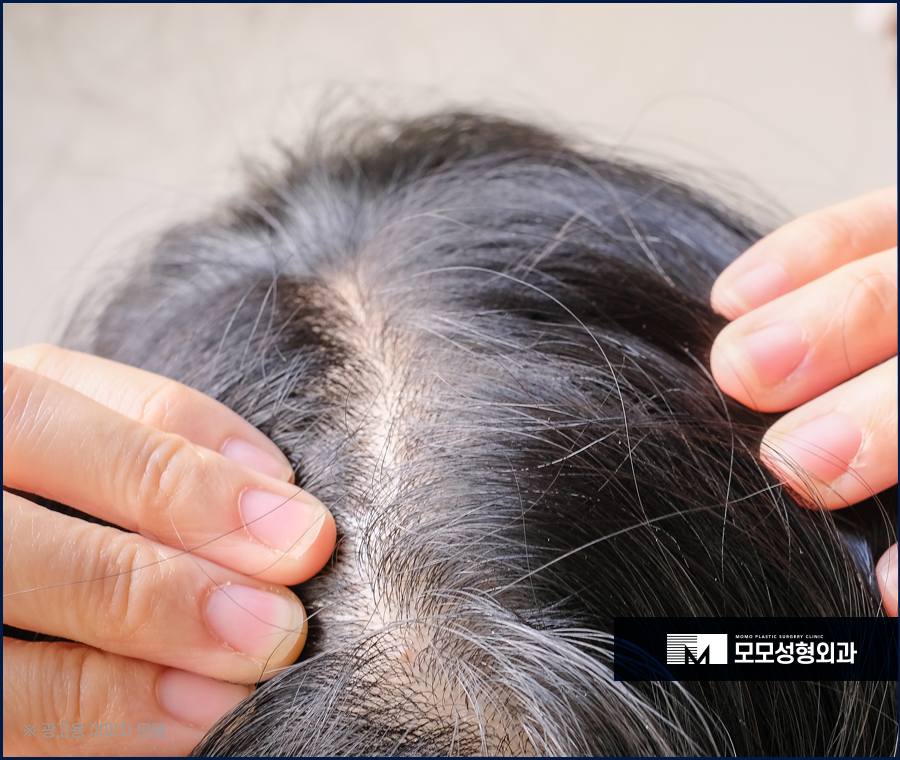
At this time, the part line or crown gradually becomes thinner,
and if the amount of hair falling out per day exceeds 100 strands,
or if at some point you begin to feel itching overall,
or if touching the sides causes stinging or pain,
or if white flakes are visible,
or if breakouts appear,
you should consider the possibility.
If these symptoms appear to be prolonged,
it is good to keep in mind that natural hair will gradually lose strength,
break easily, and in more severe cases,
it may reach a state where hair no longer grows.
As a result, it can develop into a larger-area condition
that expands further from female temple hair loss.
Because easy-to-access preventive measures alone
make it difficult to enjoy any improving effect,
a prompt and proactive response is needed.
It is important to choose the right direction
that can clearly improve these symptoms.
Correcting one’s usual bad habits and following appropriate methods
may help, but pursuing hair transplantation,
which can show clear results, can also be one solution.
Also, because the concern is female temple hair loss,
if transplantation is introduced after carefully considering aesthetic elements
and planning a personal design by closely assessing one’s unique head shape,
face shape, the proportions of facial features,
the lines extending to the sides,
and the thickness and density of fine and thick natural hair included within them,
it will be much closer to the possibility of achieving a natural hairstyle
that harmonizes with the existing hair.
Depending on the amount of grafts needed for the procedure,
this may proceed as either an incision or non-incision solution,
and the method chosen after diagnosing the scalp
and the current condition of the natural hair may differ.

In addition, if you are considering such a solution,
there is an important standard that must be carefully considered.
It is important to actively communicate the needs you are seeking
to the doctor performing the hair transplantation
so that the design can be created smoothly.
To build the image you want as closely as possible,
you should carefully check whether the doctor has abundant experience
and cases related to the solution,
strong knowledge and understanding,
outstanding design aesthetics,
and the appropriate technique, skill, and know-how.
It is advisable to make a decision only after being extremely cautious.