As the years pass one by one, people naturally grow older. Along with that, aging begins to appear in major and minor ways throughout the body, which was once healthy and strong. Among those signs, many people seem to have a slight bias toward hair loss and shedding. In the past, there was a dominant tendency to think that such symptoms were something reserved for middle-aged or older men who were already advanced in age, and that this was because genes that cause hair loss appear more often in men. However, that tendency is now a thing of the past. These days, it can occur to anyone regardless of age or gender, and according to related statistics, more than 2 out of every 10 people are experiencing hair loss, making it a very common disease or social illness.
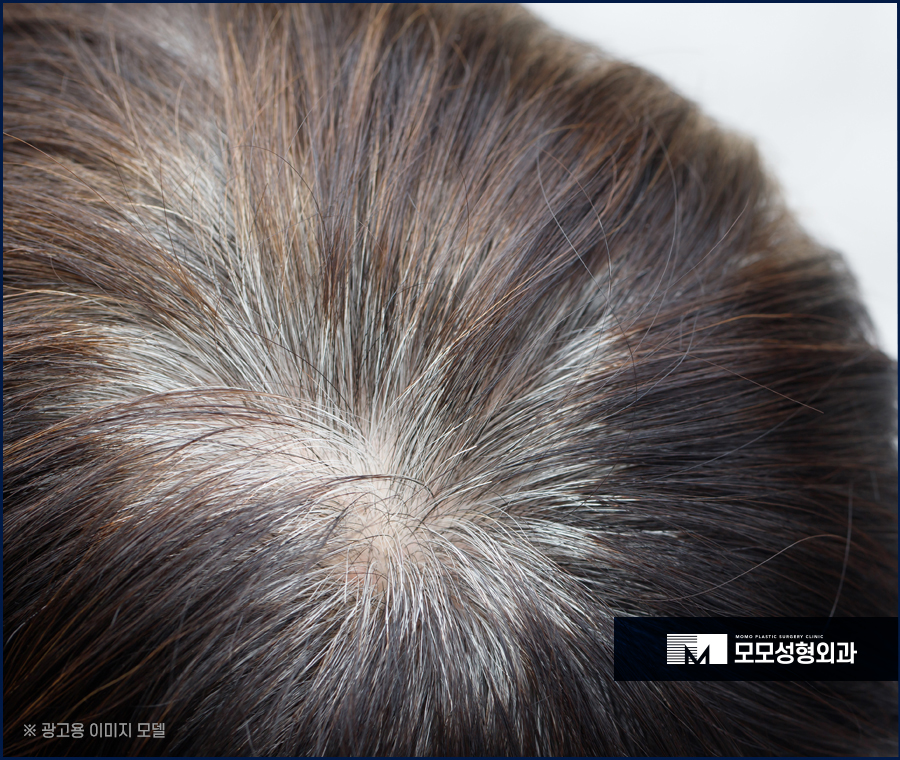
The causes that can lead to hair loss are known to be very diverse. The most representative cause can be said to be genetic factors, but cases are increasing due to environmental and acquired factors such as hormonal changes, excessive stress arising in various situations such as work or study due to the advancement of modern society, and irregular daily routines and unbalanced eating habits caused by busy lives.
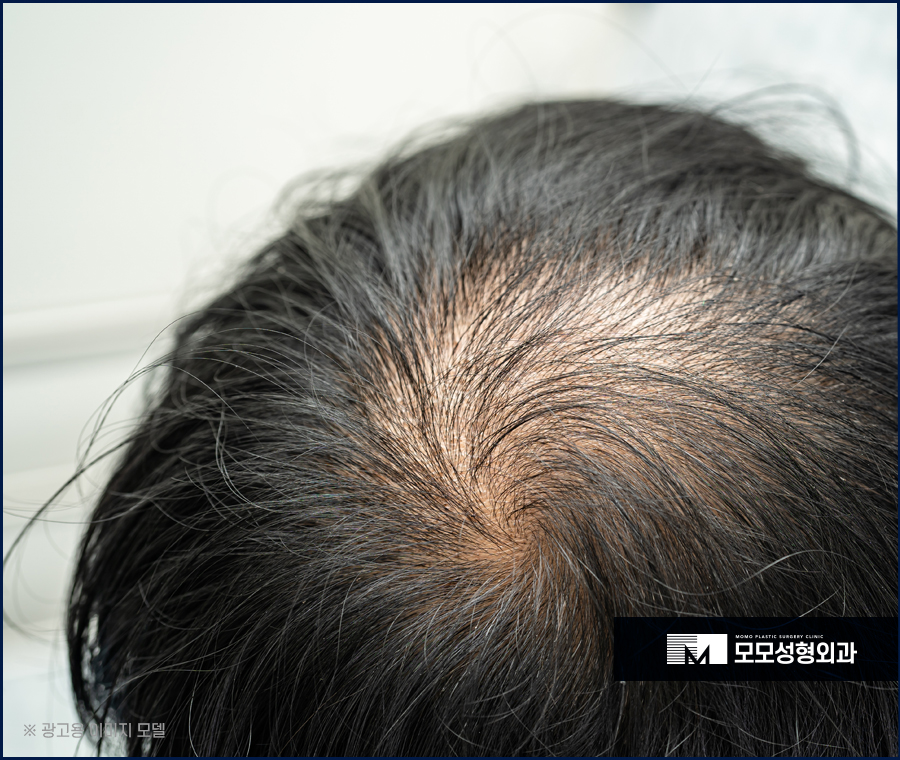
For that reason, when people discover this problem, they try various methods on their own and put in a great deal of time and effort to improve it, but there was only temporary effectiveness, and it was difficult to address the fundamental cause. Also, in the case of hair loss, since it is a progressive disease that gradually accelerates, symptoms can worsen in a short period of time and, if mishandled, can cause severe pain and distress. So rather than struggling alone and wondering how to manage it, it is important to visit a related clinic and receive detailed consultation and diagnosis with a doctor who has both skill and experience.
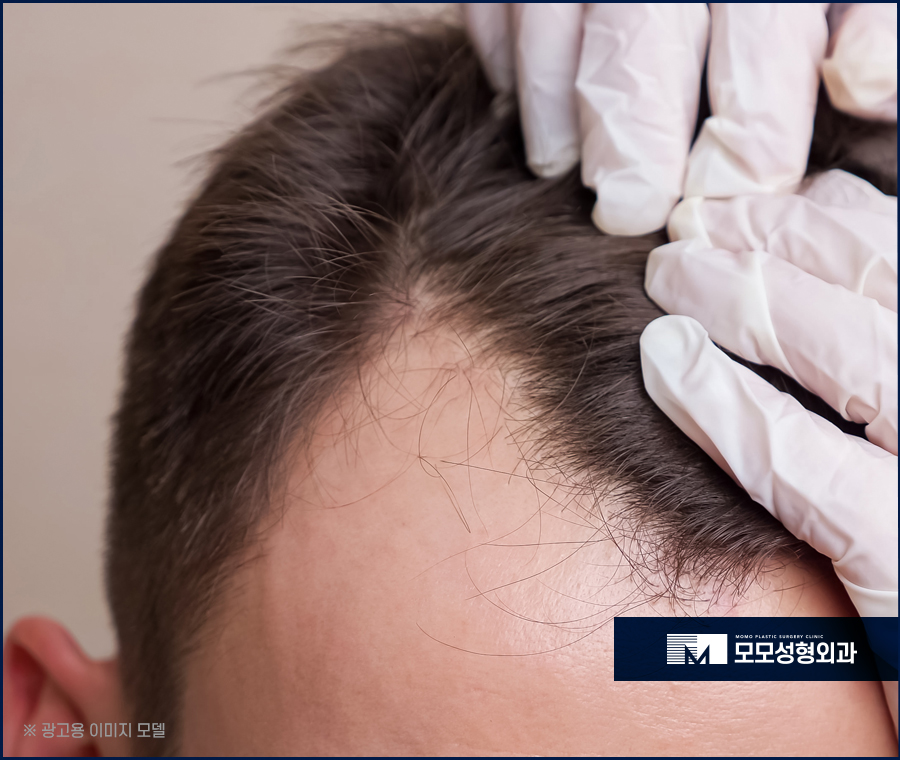
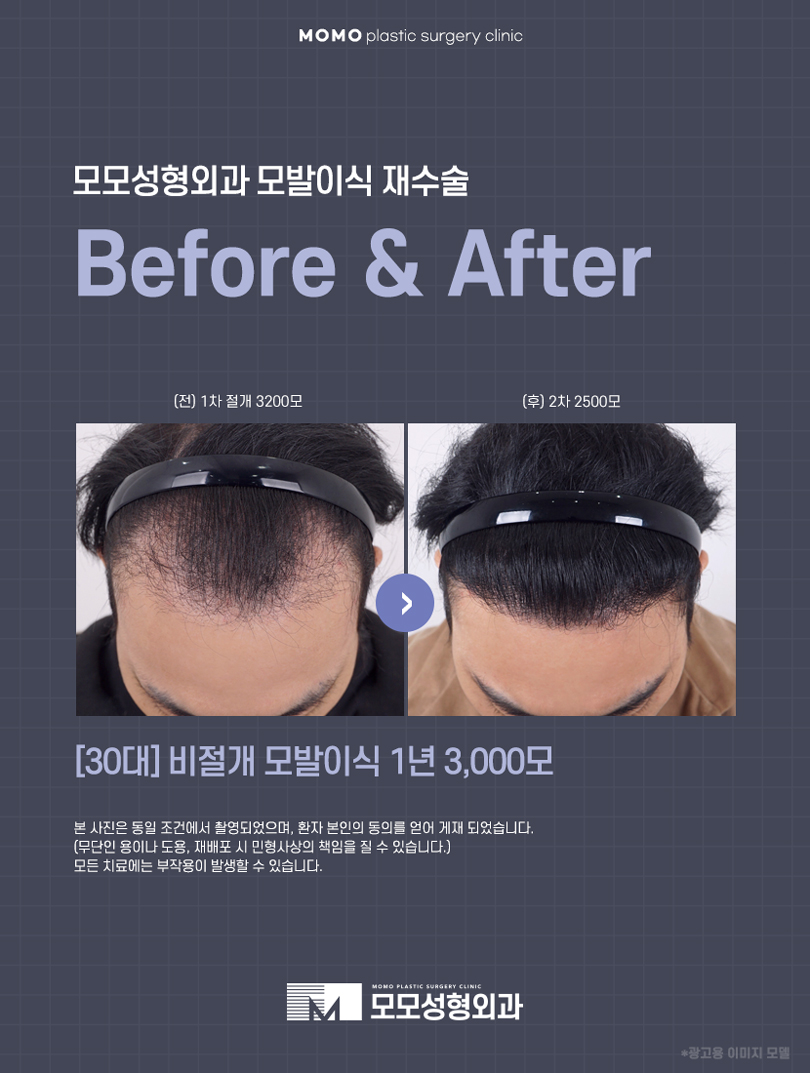
And if the disease is progressing and additional reinforcement is needed, it would be advisable to take active measures through hair transplant revision surgery so that lost confidence and a full hairstyle can be realized again.
Because this solution is performed for the purpose of permanently taking hair from the back of the head, which is less affected by hair loss, the natural hair in that area is not provided in unlimited amounts, as if governed by an immutable law. In the process of discussing things during consultation, the amount and density needed for implantation must be carefully considered. And since hair transplant revision surgery itself is a case where hair must be obtained separately again, it is not advisable to proceed with the solution after making a simple judgment such as, for example, we used this much the first time, so taking this much more should not be a problem.
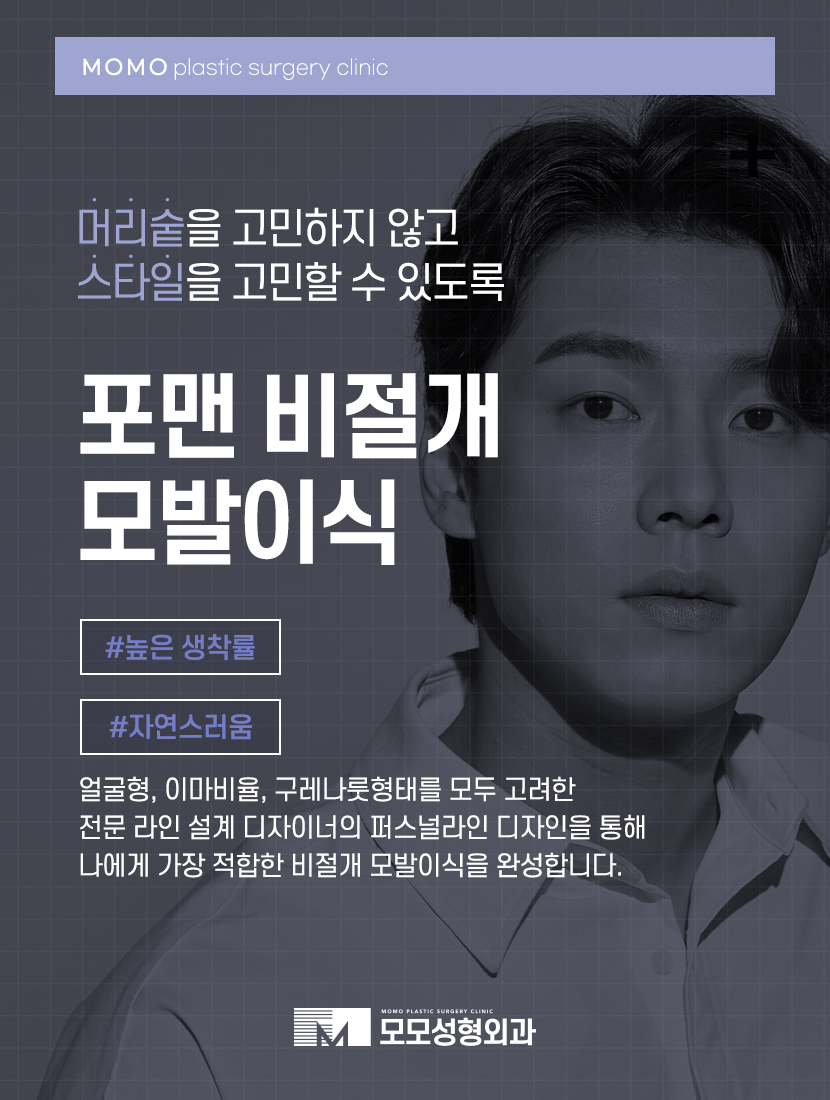
To avoid repeating mistakes, the first criteria that must be identified when planning hair transplant revision surgery should be carefully considered, including the hairstyle the person usually wears, the preferred hair length, thickness and direction, and density. At this stage, it is important to make sure to go through a step of closely checking whether hair loss is currently progressing through consultation with the doctor.

It is also said that the healing response and the person's age are important factors in hair transplant revision surgery. This is because if someone is relatively young, there is a higher possibility that hair shedding symptoms may occur again after the solution, so it can be said that deciding the amount of hair needed for implantation while anticipating future circumstances is the right choice. In addition, it is important to clarify the direction of the additional procedure desired. If there were areas that felt unsatisfactory and you have clear needs and standards for how you would like those areas improved, you must communicate them properly through smooth and sufficient communication with the doctor so that satisfying results that meet your expectations can be created together.
For example, you might want the shape to change from the existing line, or want the center part to come down a little lower, or if the design itself is satisfactory but the density of the hair in the transplanted area is low and looks sparse, you might want to fill it in more. This can be described as drawing up specific plans and an overall image.
In this way, before choosing hair transplant revision surgery, the process of clearly shaping the direction you are pursuing is the most important part in carrying out a second procedure. And just like all medical surgeries, additional revision procedures are more demanding and difficult.

Likewise, in hair transplant revision surgery, filling in areas that are ambiguously covered and making them full again can actually be more difficult to plan than a state with nothing at all, so repeatedly carrying out such a solution requires even more advanced technique. Because a clear covering result must be achieved with the condition of a minimal amount of implantation, there are many situations in which the part that must be realized has to be carefully considered. In order to make the boundary between the already transplanted hair, the existing hair, and the newly transplanted hair disappear, it is important to choose a clinic with abundant experience and cases related to this solution, as well as high levels of knowledge and understanding.
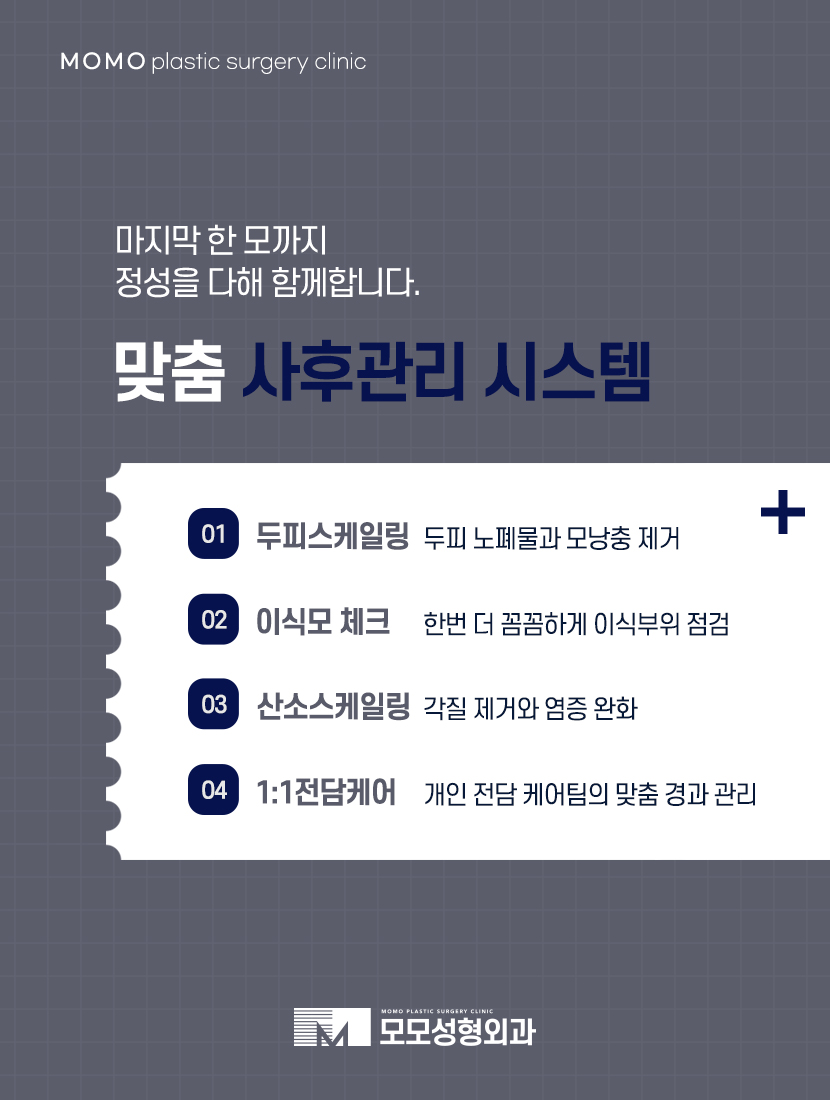
In addition, we hope that by discussing in detail the problematic symptoms and condition with a doctor who is exceptionally equipped with delicate and meticulous technical skill and experienced know-how, you will be able to find the right direction and once again face a confident, abundant result instead of the appearance of having been caught up in excessive worry and deep loss for a long time.