
Stress, often called the root of all illness,
can gradually build up and cause various
problems in our bodies. Since it is also not
good for our health, it is important to look
for ways to release it rather than letting it
accumulate. It can also be a good idea to
find your own way to relieve stress.

Stress and fatigue that build up as daily life
continues can cause various changes in the
body's nerves and hormones, and among
them, they can also have a negative effect on
hair. If problems such as the blood vessels
leading to the scalp contracting occur due to
this issue, the blood volume will naturally
decrease gradually, reducing the supply of
various components and oxygen needed for
hair growth, which can lead to problems.
In addition, stress can interfere with the
secretion of growth hormone, causing natural
hair growth to stop. As a result, the condition
of the scalp can worsen and the amount of
hair loss may increase.
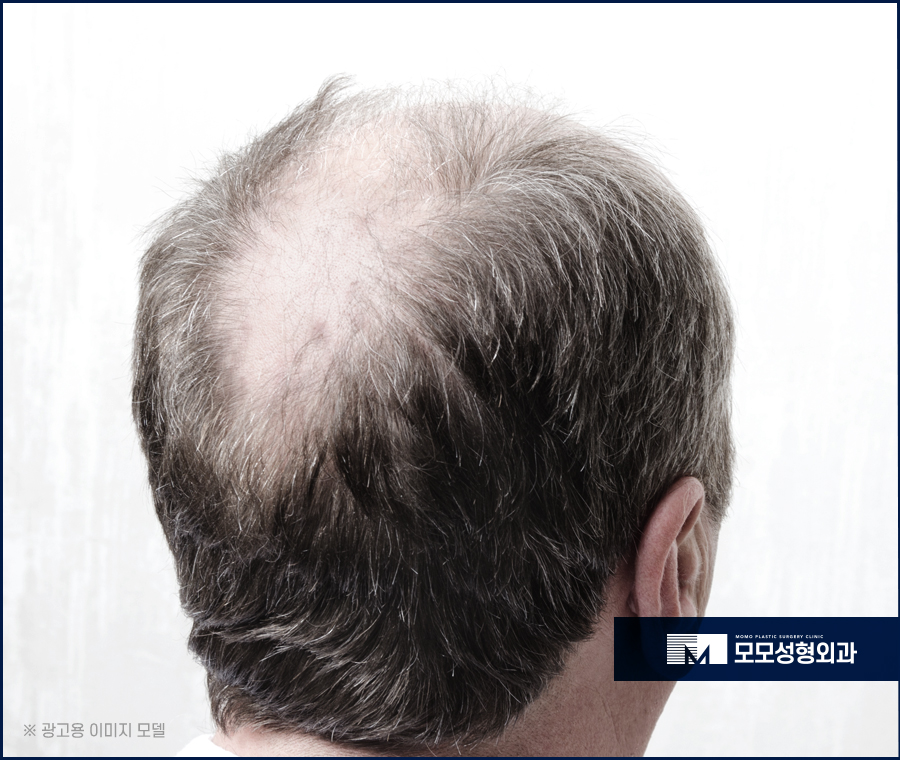
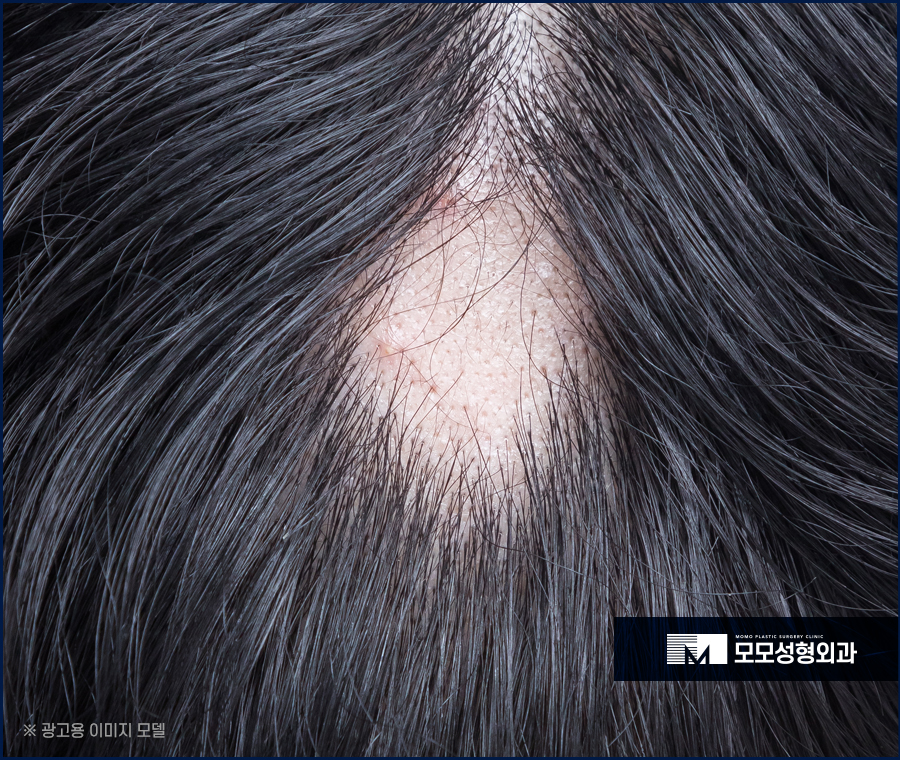
Among the hair loss conditions that occur in
this way, one that many people experience is
alopecia areata. It can appear in one area of
the head or in various areas as clearly
defined circular or oval patches. In general,
it can appear with various symptoms, ranging
from a small coin-shaped patch to more
widespread loss, including body hair.
In the early stages of alopecia areata, the
functional problems of the hair and scalp
have not yet worsened significantly. So if you
respond without missing the timing, it does
not take much time to restore the scalp and
natural hair, and the treatment effect can also
be good. Therefore, it is important to know
what symptoms to look for and pay attention
to whether any appear in your own case.
First, there are several symptoms that can
appear in the early stages of alopecia areata,
so let’s look at them one by one. If you feel
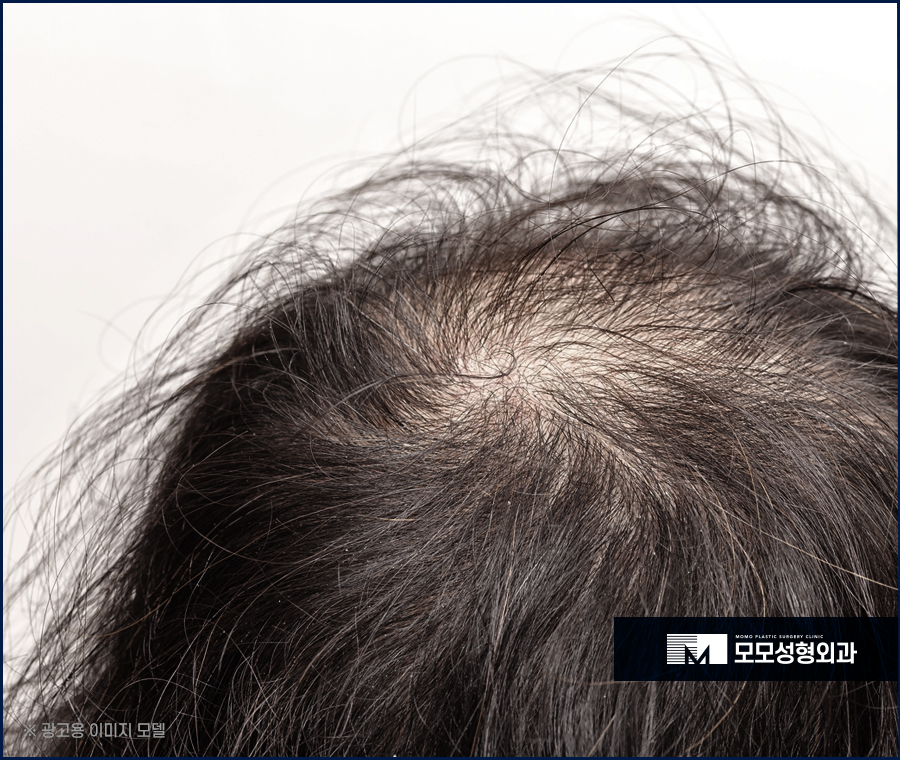
that your hair is becoming thinner than before,
that can be considered one of the symptoms.

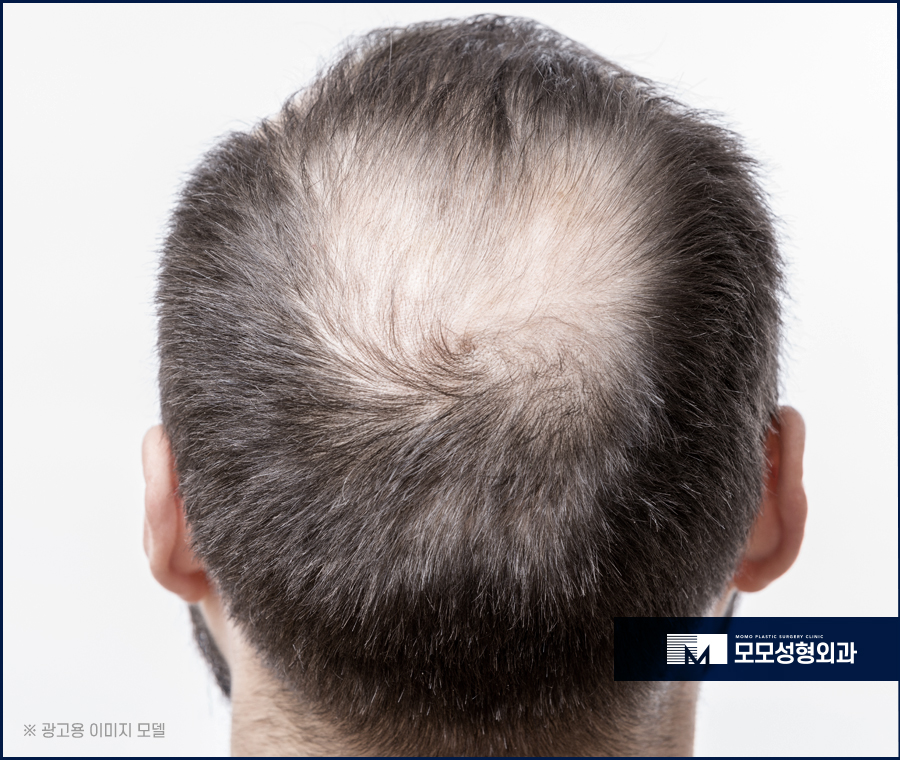
Usually, when the condition progresses, the
thickness of natural hair in the front area or
around the crown may become thinner and
its strength may decrease. During this period,
the hair does not stop growing entirely, but
compared with before, it gradually becomes
thinner, and later it may lead to a stage where
hair no longer grows.
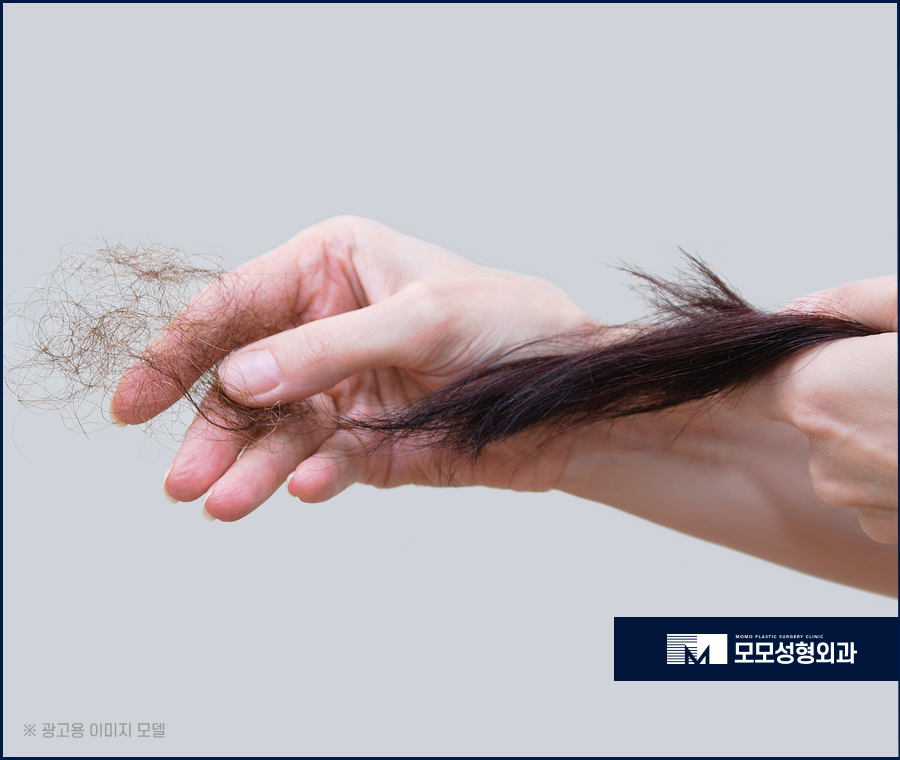
In general, even healthy people lose about
60 to 70 hairs a day, and it is normal for old
tissues to fall out and new hair to grow in
their place. However, if more than 100 hairs
continue to fall out steadily rather than just
temporarily and the amount seems high, it is
necessary to suspect early symptoms of
alopecia areata. In addition, if you notice that
natural hair falls out weakly when washing
your hair, you should get a checkup.

It can also be caused by inflammatory
diseases that develop along with dandruff.
These can affect pores or other tissues and
lead to conditions such as seborrheic
dermatitis or folliculitis. People with dry
scalps may also experience itching, dandruff,
or a dry feeling, and this can be one of the
early symptoms of alopecia areata, so it is
best to examine it carefully.

The causes of these problems may be
congenital, but they can also occur later in
life, so early alopecia areata can happen fairly
often. Rather than worrying alone and missing
the timing, it may be better to visit a clinic
and receive appropriate care. If a lot of time
has passed and the symptoms have spread to
other areas, using transplantation as a
treatment option can also be very helpful.

This method can improve problems that appear
in a specific area by harvesting hair follicles
from the back of the head and transplanting
them to the desired area. In general, it can be
classified into incision and non-incision
methods. Since each has its own features, it is
important to find and proceed with a plan that
fits your current condition through a detailed
examination. This can help improve the stress
caused by these symptoms and maintain a
confident hairstyle.