The main causes that lead to a condition in which hair falls out and is lost
are typically cited as genetic factors due to family history,
but acquired factors such as accumulated stress that is not relieved,
overwork stemming from excessive work and
studies, irregular lifestyle patterns or eating habits, and
hormonal changes may also continue to occur
and, as repeated exposure increases,
these symptoms can appear more easily.
In particular, during winter, when daylight hours
are shorter, natural hair shedding tends to become
especially severe. When there is a lack of sunlight,
it can negatively affect vitamin D synthesis and blood circulation.
As a result, if nourishment is not sufficiently supplied
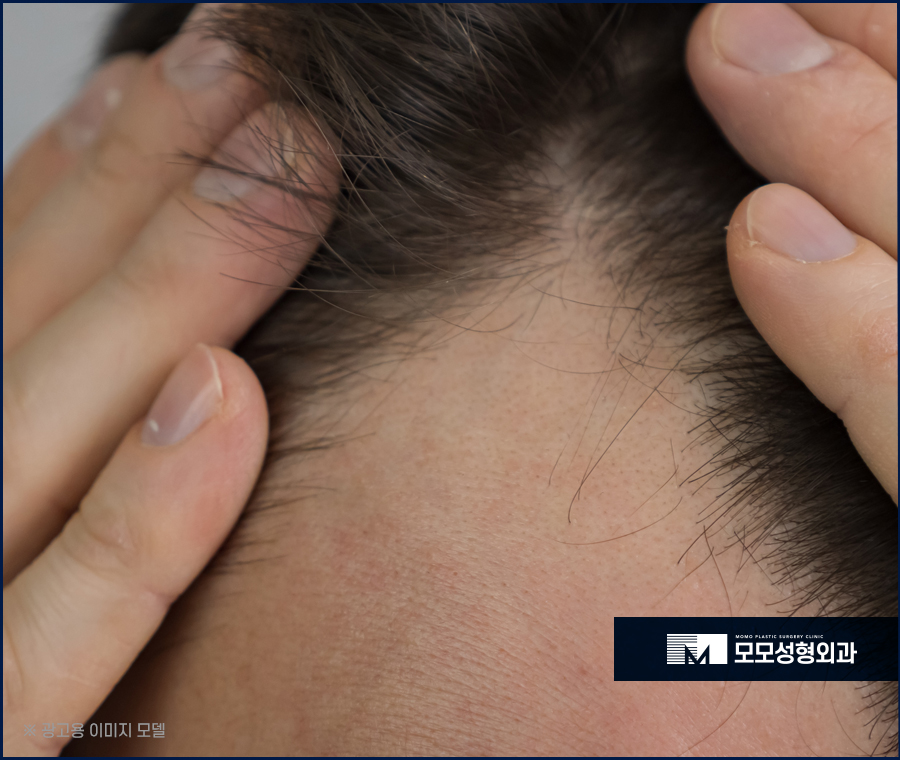
to the hair overall, an M-shaped shedding pattern
can more easily develop.
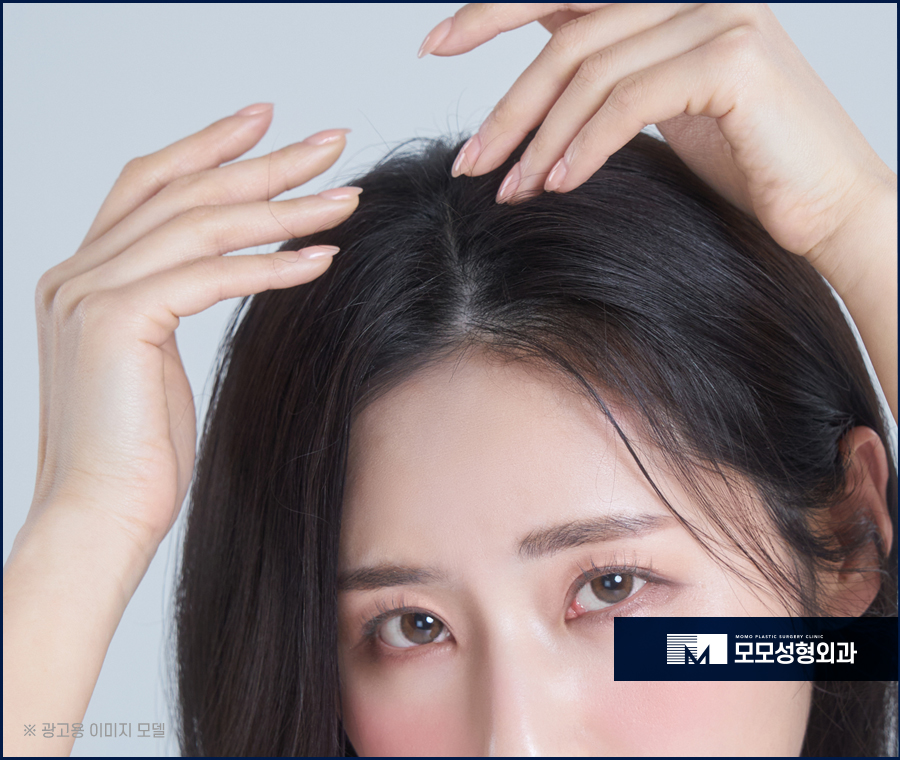
Symptoms of this shape are often
considered something that appears only in men,
but these days, the number of people who are deeply
worried and distressed about female M-shaped hair loss
is increasing.
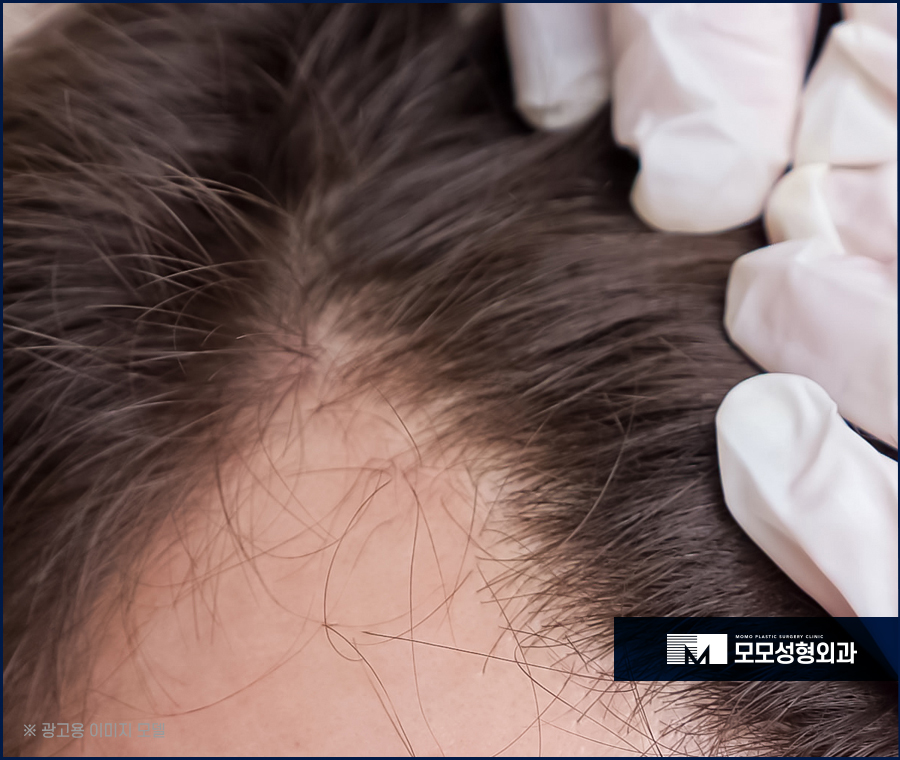
If this kind of problem occurs in men,
it would be enough to become a major complex,
especially in terms of outward appearance,
the impression one gives, or one’s image; and surely
those experiencing female M-shaped hair loss
may have the same feelings and thoughts. In many cases,
when a person begins to experience natural hair shedding
that did not exist before, they seek out various ways that may help,
from folk remedies to functional products, medicines, and supplements,
making many attempts and efforts to improve the condition
so that hair can grow again.
However, once female M-shaped hair loss begins,
it is a progressive condition in which the range of symptoms
tends to expand over time, so active efforts to address the
underlying cause should come first. Therefore, if you learn in advance
how to prevent a problem with these characteristics,
and keep that knowledge in mind, you can be prepared to respond
quickly in the event of an emergency and move into a full solution.
If hair loss has not yet progressed and is at an extremely early stage,
you can help prevent it by correcting your daily habits. First,
it is good to keep the scalp clean at all times. Avoid products
that contain large amounts of chemical ingredients, and use
shampoo and rinse products suited to your own hair type. It is
advisable to wash thoroughly, rinsing several times so that no residue
remains on the scalp. The temperature of the water used should be
lukewarm, and when drying, it is better to use moderately cool air
rather than hot air so that the scalp and natural hair are dried completely.
This can help protect hair health.
Also, when brushing hair, it is better to use a brush with rounded tips
and gently comb it so the hair does not tangle. In addition,
hairstyles that tie the hair tightly can place excessive stress on the scalp,
so it is best to be careful, and frequent procedures such as
various color changes and perms should also be avoided.
And when hair loss is already progressing to some extent,
covering it with items such as hats or wigs can instead obstruct
blood circulation in the scalp, so it is important to allow ventilation
to flow smoothly. In addition, if you are under stress, which is often
called the root of all illness, and are not able to relieve it properly,
it is most important to regulate your body and mind, full of stress,
through exercise, walks, or hobby activities that you usually enjoy or find interesting.
It is also advisable to get enough rest and sleep,
and to improve your condition by eating a diet made up of essential nutrients
that help not only scalp and hair health but also overall bodily balance.
Then, what is the best way to respond when signs of female M-shaped hair loss
begin to appear or are already progressing to some extent?
The proper approach is to correctly identify the cause of hair loss
and carry out customized care according to your current symptoms and condition.
In addition, undergoing a solution such as hair transplantation,
which can bring about the most noticeable change, may also be one way to respond.
Hair transplantation, which can fundamentally address female M-shaped hair loss,
is performed at the boundary between the forehead and the hairline where the problem is occurring.
This type of hairline transplantation is a solution in which the characteristics of the existing natural hair,
the harmony with the facial features and face shape, and the various shapes of the forehead are all carefully examined from multiple angles,
and then personally designed to suit each individual before being transplanted into the area of concern.
Hair transplantation is broadly divided into incision and non-incision methods.
Depending on the degree and speed of the hair-loss condition,
the transplant area, density distribution, design, and the number of follicles that can be harvested
are applied differently for each individual. After a detailed consultation with the patient and an accurate diagnosis,
the doctor must choose the method suitable for the scalp condition in order to increase follicle survival rates and expect natural outcomes.
Also, if you are planning to pursue this kind of help, it may be a good idea to carefully consider it only after checking
whether the clinic and doctor handling the procedure have years of relevant experience and cases,
and whether they possess excellent aesthetic sense, technique, and know-how with great delicacy and thoroughness.

In addition, if female M-shaped hair loss is left unattended without taking any measures,
there is a sufficient possibility that it will worsen beyond the existing state and reach a situation that cannot be handled,
so rather than simply worrying and fretting, it is better to seek the help of a specialist or visit a medical institution
to closely examine your current condition and receive care accordingly.
This can help you move beyond a long-standing difficult situation
and enter a stage where you can once again transform into a neat, clean, and full style.