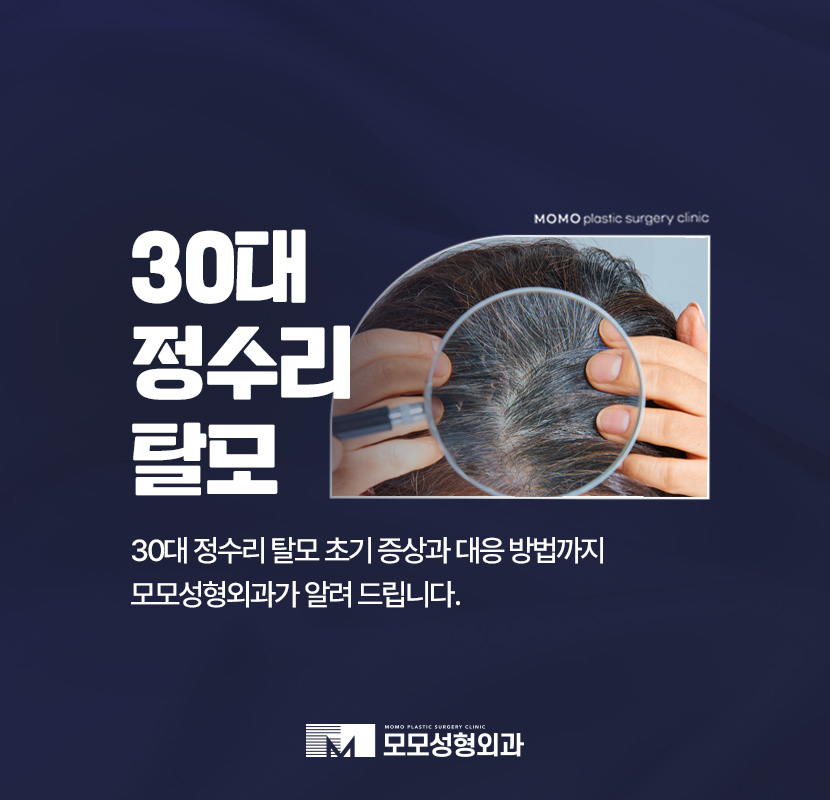
Compared with the past, as time goes on,
the number of people experiencing hair loss
has been increasing rapidly.
This reality shows that natural hair shedding is no
longer limited to men alone, but can occur at any time
due to genetic or acquired causes.
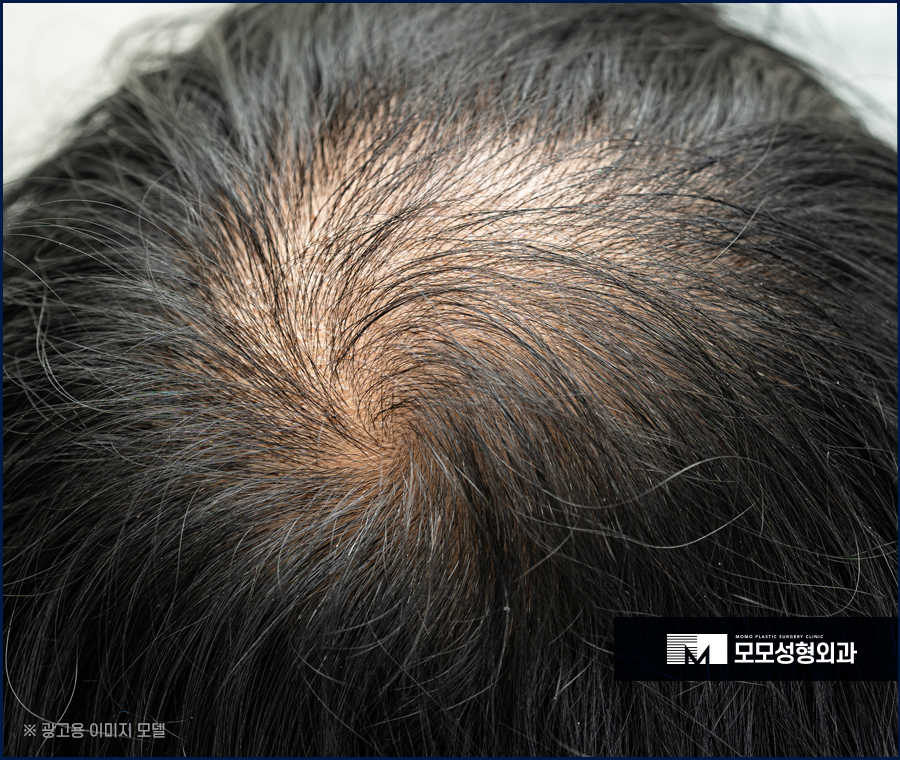
Therefore, in recent years, symptoms such as hair loss
and empty follicles becoming visible have also become
more likely to occur among younger people
and women. Since this is a condition in which early
response is considered important depending on how
it is handled, if symptoms are observed, it is advisable
not to leave them untreated with the complacent thought
that they will improve on their own, but to seek immediate
resolution with the help of a related clinic and specialist.
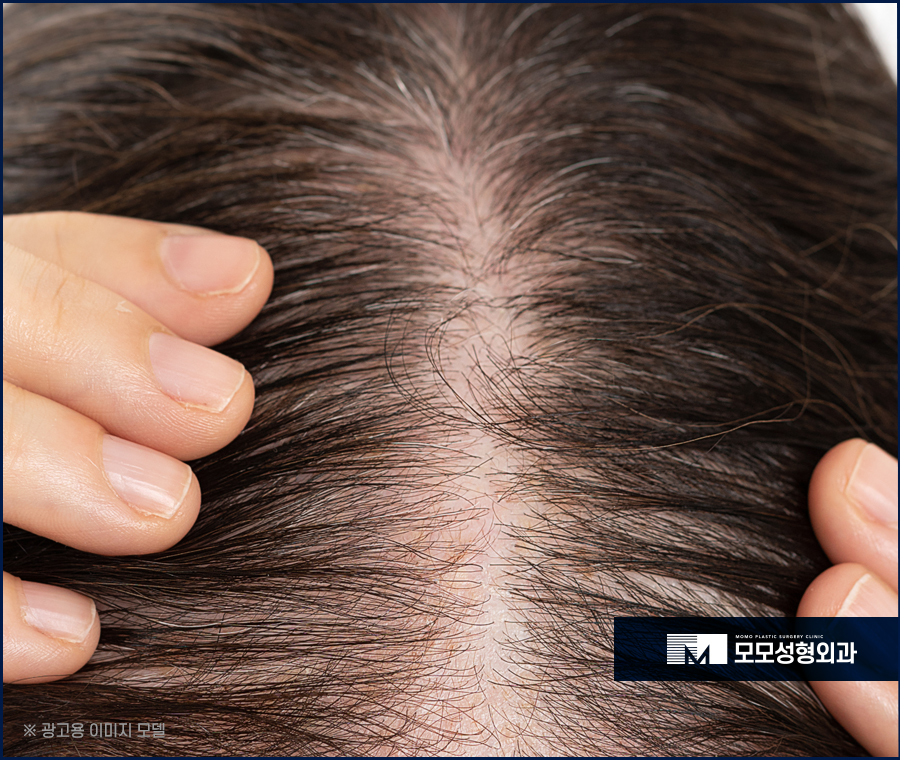
Hair loss disorders that begin at the area with the soft spot and gradually spread are commonly seen even in young adults. In particular, early crown hair loss in your 30s is not uncommon among both men and women, and as a result, it is easy to feel intense stress and a great sense of loss in environments where one must carry out and focus on responsibilities such as work, interpersonal relationships, and self-development management.
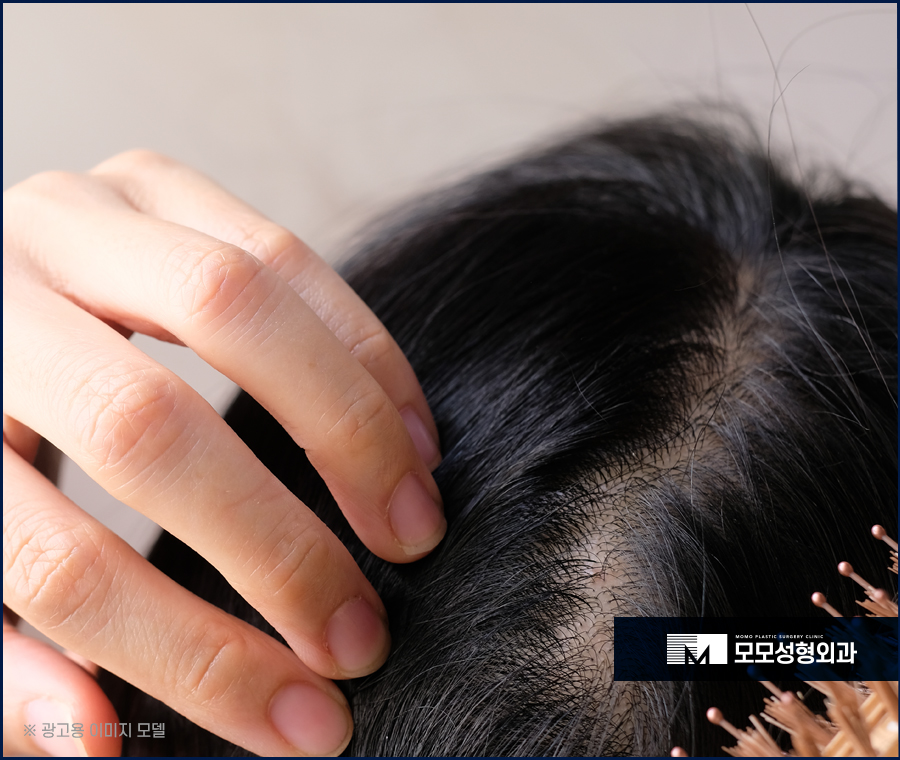
One reason this type of condition is not a problem that can be simply recovered from is that, because of its slow progression, it is difficult to sensitively and immediately catch the warning signs.
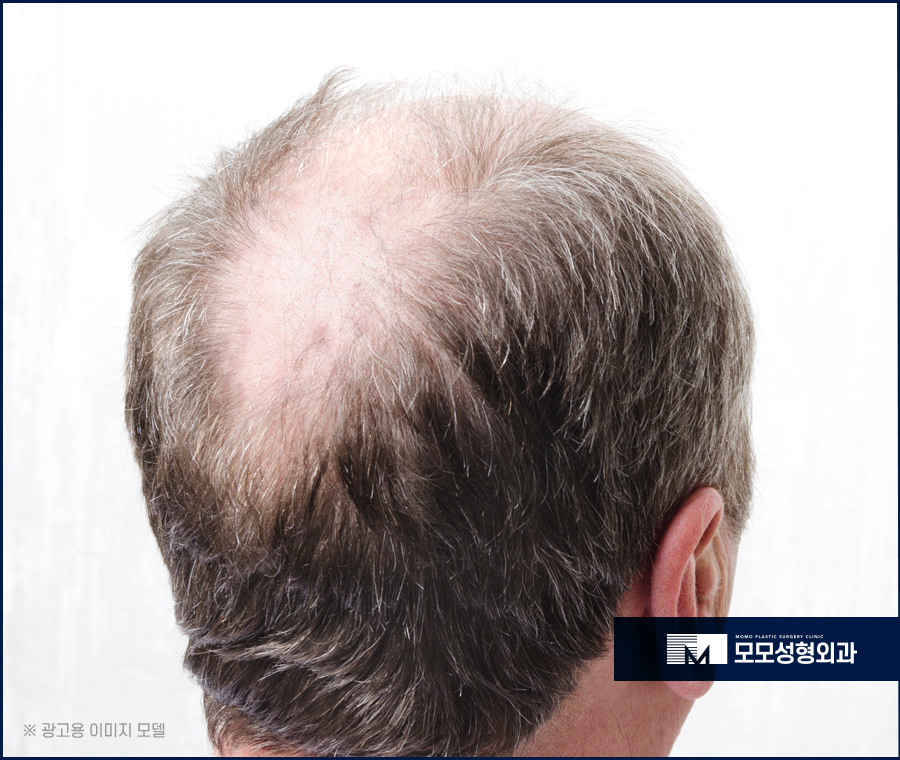
In other words, the early symptoms of crown hair loss in your 30s are not simply hair shedding, but a condition in which the hair gradually becomes thinner and eventually degenerates completely, exposing the follicles. Therefore, even if you are not losing hair or the amount of hair loss is small, if the following signs are present, it is necessary to suspect whether the condition has developed. As mentioned earlier, it is important to be alert to the phenomenon of vellus hair formation, in which natural hair becomes thinner and finer. Since this process is very slow and takes place steadily over a long period of time, it is almost impossible to recognize at first, but as time passes, it becomes visible to the naked eye.
A representative symptom is that the hair becomes thinner toward the roots while also appearing uneven. If, when you look at the area in a mirror, it appears less dense than usual or seems to have collapsed limply downward, you should not hesitate to seek a detailed diagnosis and examination through a related clinic to understand your exact condition. You can also carefully check for changes in the scalp. This condition may cause natural hair to fall out acutely, but in general, it proceeds through a process in which the scalp's immunity weakens, health deteriorates, it becomes sensitive to large and small irritations, and this leads to hair loss.
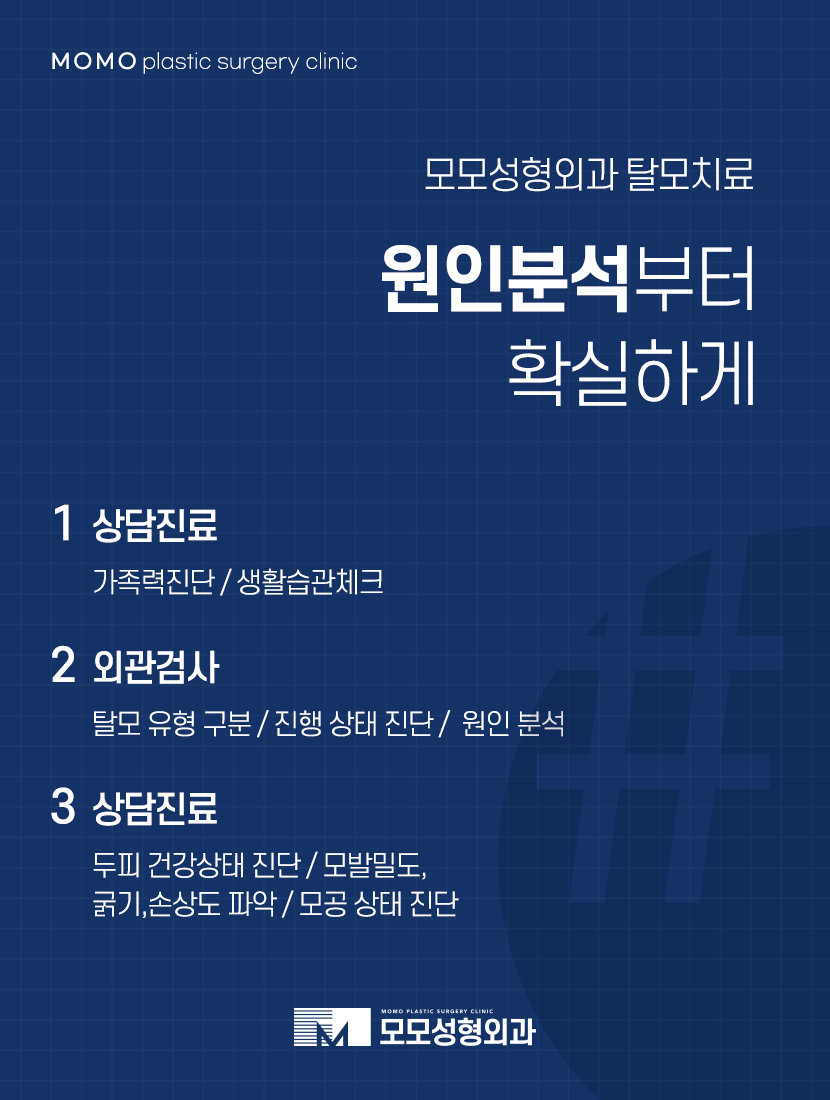
Therefore, if the overall scalp environment is not very good, if your health balance has been disrupted and the situation is unstable, or if pain and inflammatory reactions are also occurring, rather than trying to resolve these signs on your own or through various methods including folk remedies, it is important to seek help from a specialist to address the root cause and establish balance and a stable foundation.
Accordingly, early crown hair loss in your 30s is a condition that appears in a relatively young age group, so if early symptoms appear and you respond quickly, you may be able to speed up recovery. In addition, because it is a phenomenon caused by various factors in addition to congenital and acquired causes, it is difficult to determine clear evidence. So it is advisable to keep in mind that being overly focused on what the cause of the problem is is inefficient and does not help in the process of taking active measures.
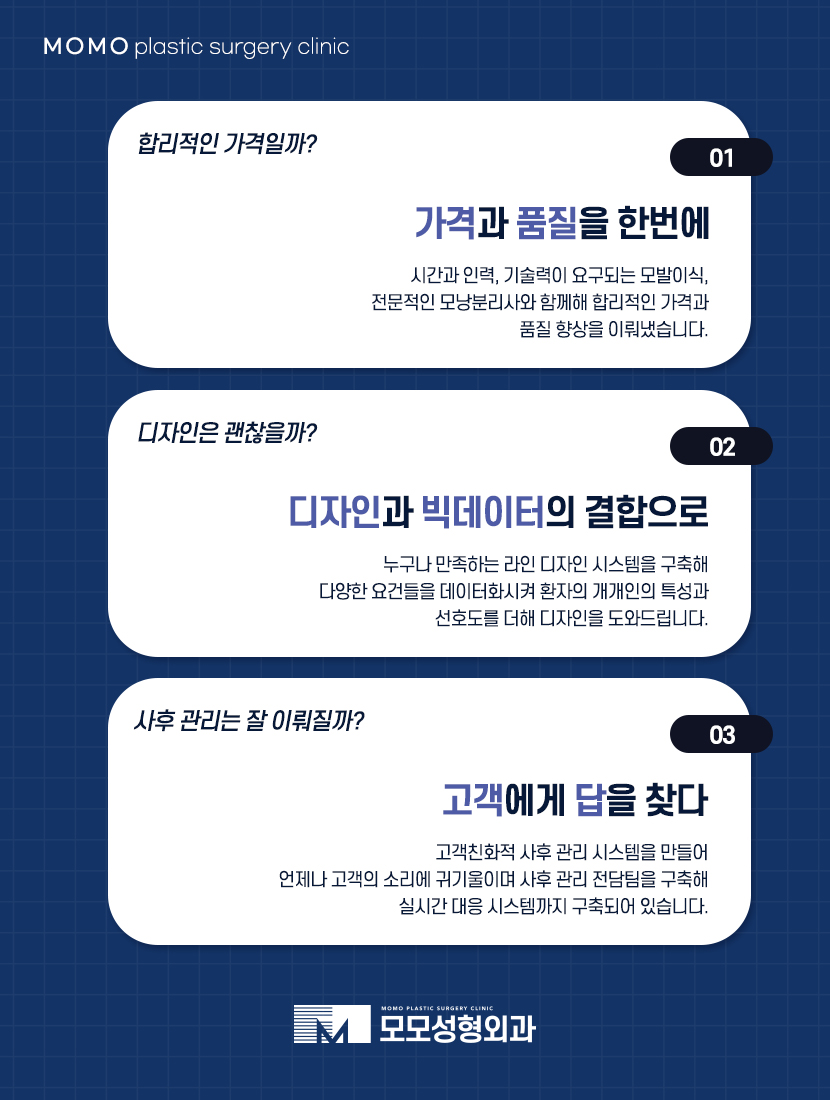
A way to address early crown hair loss in your 30s with a clear expectation of effectiveness is to manage the stress that builds up in various situations and is not relieved in everyday life. This is because stress interferes with smooth blood circulation, negatively affecting the supply of nutrients to the hair, and as a result, it can shorten the hair growth cycle and trigger a hair loss condition. Therefore, to reduce and relieve it, it may be helpful to engage in hobbies, exercise, or sports that you find interesting and can maintain consistently, to take comfortable rest, or, if these methods still do not resolve the issue, to receive psychological counseling.
In addition, hormonal imbalance occurs in the process of testosterone, the male hormone, being oversecreted and converted into DHT, which has the characteristic of inhibiting hair growth and shortening its lifespan. Since this can trigger early crown hair loss in your 30s, it is important to take medication that can suppress and block the production of DHT, or to manage and lower male hormone levels through dietary therapy.
If you continue and practice such management methods but improvement is slow and you are not getting the expected level of effectiveness, then another response option may be a solution such as hair transplantation, where your own follicles are harvested and reimplanted into the empty areas that cause concern, helping to achieve a healthy and full hairstyle.
In addition, hair loss is not something that naturally recovers if left alone, nor is it a temporary phenomenon; it is a problem that requires continuous management going forward, so consistent maintenance and systematic intensive care are necessary. Therefore, rather than simply worrying and agonizing over this issue, if you take an active attitude and implement appropriate measures suited to your current situation, you will be able to achieve positive results.