
An image that looks clean and neat
is something anyone can feel positively about,
a favorable impression that does not usually
split opinions. In this way, a person’s overall
image can be determined by first impressions
alone, so if someone has thin hair or hair loss
that seems lacking, such symptoms may become
a deep concern and a major complex. Also,
since hair volume is to some extent something
that one is born with, if a person has a full,
voluminous style, it may attract the envy and
attention of many people.
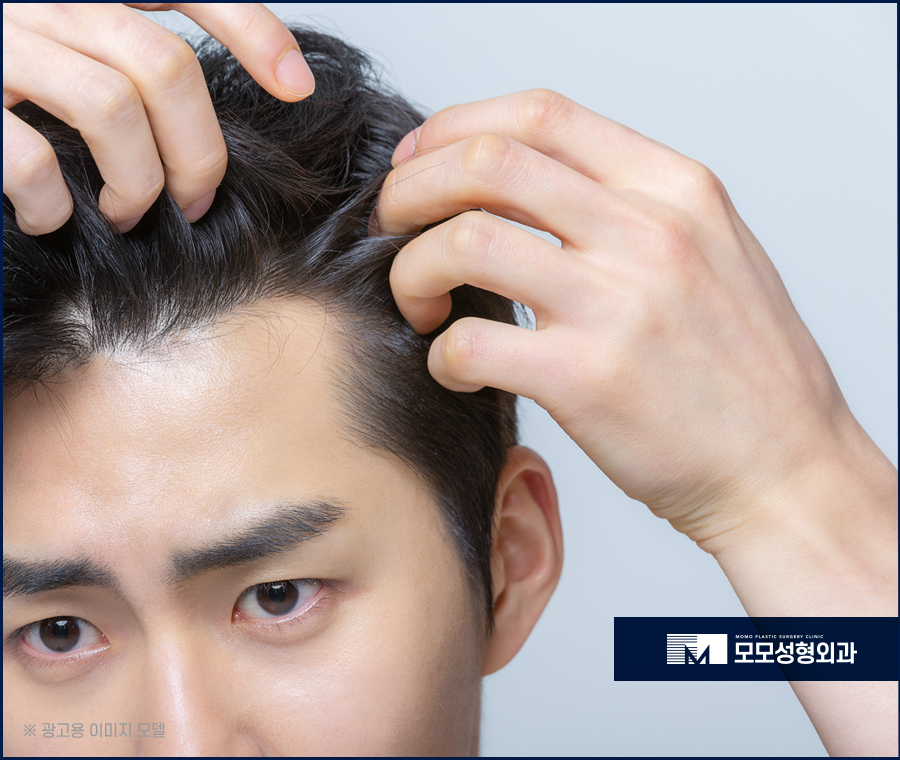
And in order to create various hairstyles,
sufficient hair volume and a uniform hairline
must support the desired look, so hair loss has
become a major concern and source of worry for
people who are sensitive to styling that matches
trends and popular fashion. Perhaps for this
reason, the number of people seeking consultations
or inquiries about things like male hairline hair
transplantation at clinics has been increasing.
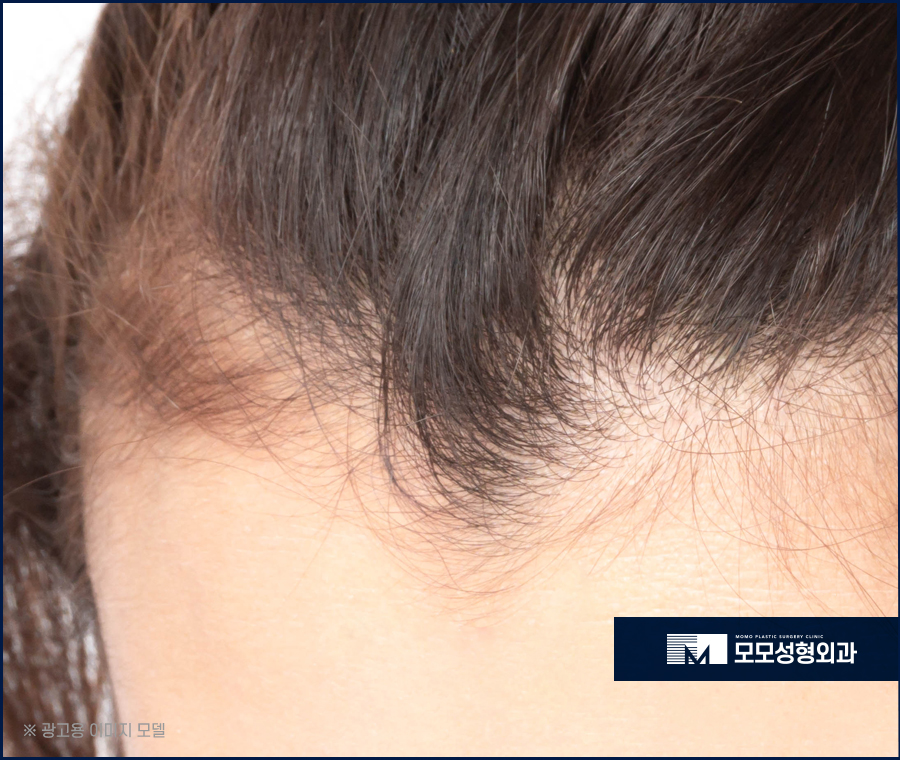
Many people are looking for related solutions to
overcome issues that act as complexes and sources
of stress, such as an unrefined, uneven border
between the forehead and hairline, or hair loss in
the part area beneath the crown. It is said that
most people cover insufficient areas with easy,
simple options like dedicated makeup or hairpieces,
but while these methods can show results as soon
as they are applied, they have difficulty clearly
solving the root cause, and the lasting effect is
also short-lived.
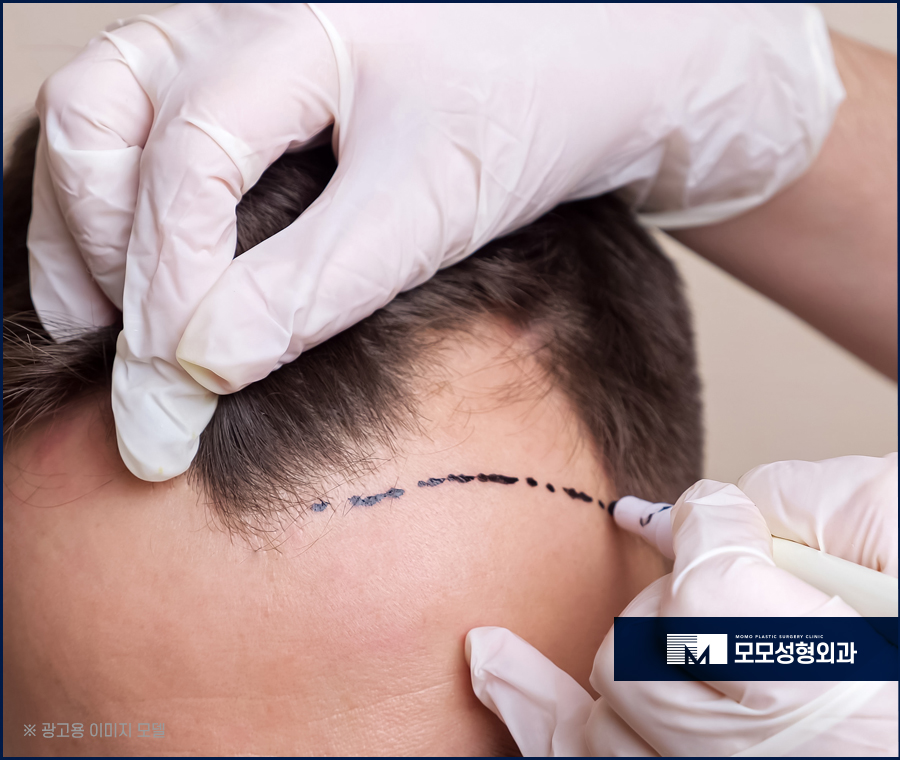
In particular, for the area of concern, coverage
is not easy and is in fact difficult because it is
highly likely to be removed by facial oil and sweat.
And among those considering male hairline hair
transplantation, there are many people who look
into the procedure for aesthetic purposes even when
their hair loss is not severe or the area near the
hairline is not noticeably empty. Unlike in the past,
as interest in outward appearance, image, and style
has increased, people are said to be looking for
places that can help improve their appearance even
if the purpose is not treatment related to hair loss.
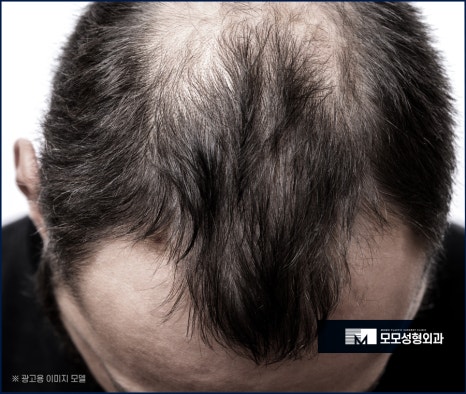
And when considering male hairline hair
transplantation, the most important standard to
keep in mind is planning a design that harmonizes
with one’s overall face and facial features. If a
problem arises due to hair loss, the border between
the forehead and hairline often forms an M shape,
and as the hair on both sides falls out, that area
gradually recedes backward, creating a deeply
recessed appearance. As these symptoms gradually
expand, the forehead becomes wider, making the
face appear larger and negatively affecting the
overall impression and image.

Therefore, by carefully and in detail understanding
such symptoms, the unique characteristics of the
hair already present, such as thickness, density,
and growth direction, as well as the proportions of
the head shape and face shape, facial features, and
the distribution pattern from the hairline to the
sideburns, it is desirable to first create a personal
design that can harmonize with each individual and
then proceed with male hairline hair transplantation
based on a systematic process according to the
direction of the solution that has been decided.
This can lead to desirable results.

Also, in order to face outcomes that match one’s
expectations, in addition to the design planning
mentioned above, a careful and thorough consultation
with the doctor is important. In addition, if you have
an image you want to achieve or a design you want
through male hairline hair transplantation, the process
of actively communicating your opinion with the doctor
is also important.
Commonly performed male hairline hair
transplantation is said to be broadly divided into
incision and non-incision methods. Each of these
solutions has its own pros and cons, but the recent
trend has shown a preference for the non-incision
method. This is because it involves directly selecting
and harvesting strong follicles that have not been
affected by hair loss one by one and transplanting
them to the needed area, so compared with the
incision method, which requires removing a section,
it has the advantage of causing less follicle loss.
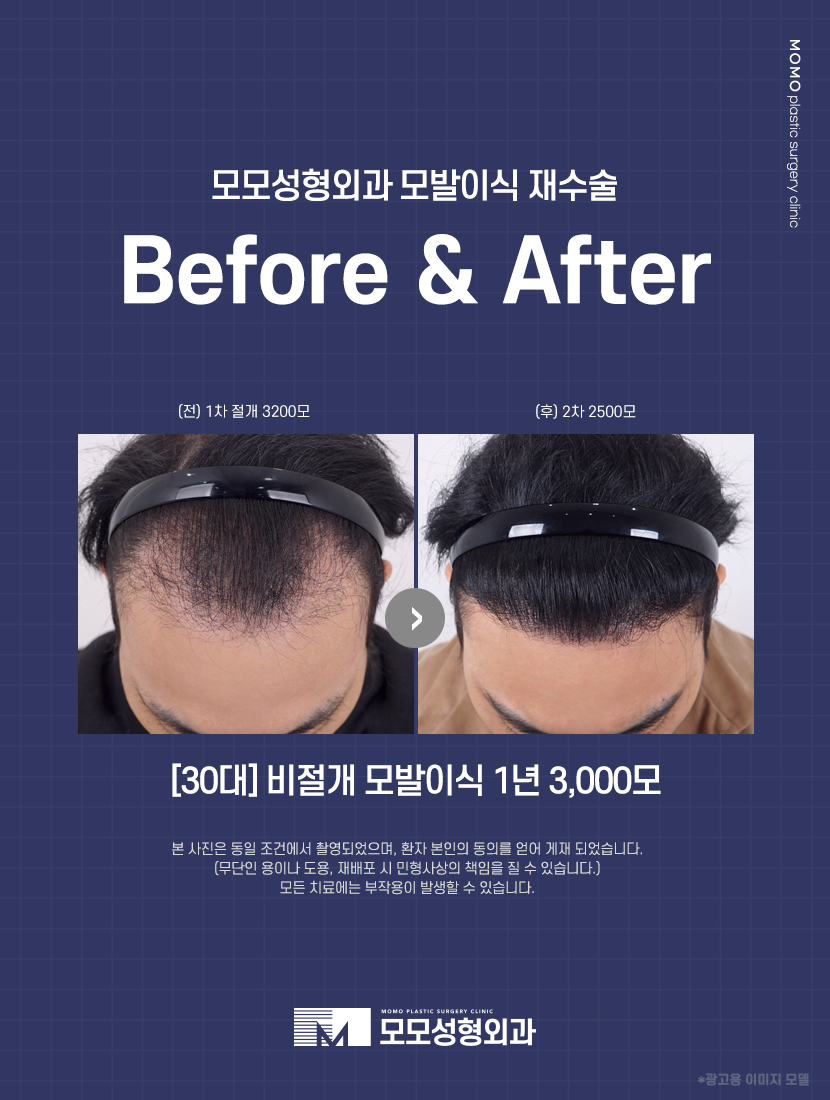
In addition, since no excision process is needed,
the likelihood of sutures, pain, and wound formation
from the procedure is low, and it can also create a
more precise hairline, making it a highly satisfying
method. And because normal daily life is possible
starting the day after the procedure, it is popular
among people who want to return to their busy
routines.
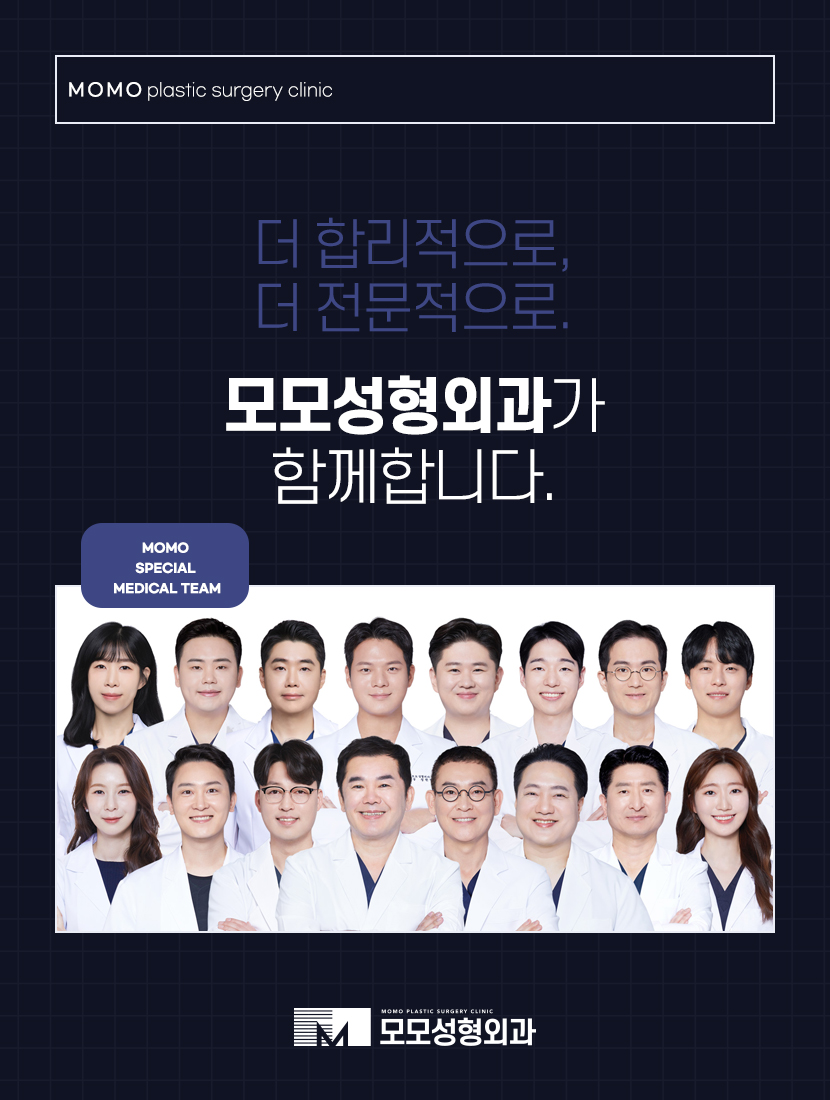
And it is said that with male hairline hair
transplantation, simply transplanting a lot is not
necessarily better. It is desirable to carefully look
into clinics and doctors that can deliver efficient
satisfaction with only the amount truly needed for
the procedure. First, the doctor’s extensive
experience, cases, skill, and know-how can be
considered key points. If the doctor has handled
many cases over the years, it becomes possible to
create a design that suits various face types and
matches the desired style.
In addition, not only personal design but also
whether the hair can settle well and achieve graft
survival can be said to stem from the doctor’s rich
experience. To become fully stabilized, it can take
up to 12 months, and during this period, one needs
to know and follow the precautions provided by the
clinic, visit regularly, observe the progress together
with the doctor, and, when necessary, take the
appropriate measures according to the situation.