In our everyday lives,
hair is not only an aesthetic element,
but also plays a very important role
in maintaining and sustaining environments
and situations such as social activities
and interpersonal relationships.
Therefore, in modern society,
the disease that men fear most and hope
will never appear in themselves is,
arguably, the symptom of healthy hair
falling out and being lost.
In the past, this type of condition was
relatively common among middle-aged and
older men, but over time it has also
been appearing more frequently in
relatively younger age groups and is
said to be on the rise.
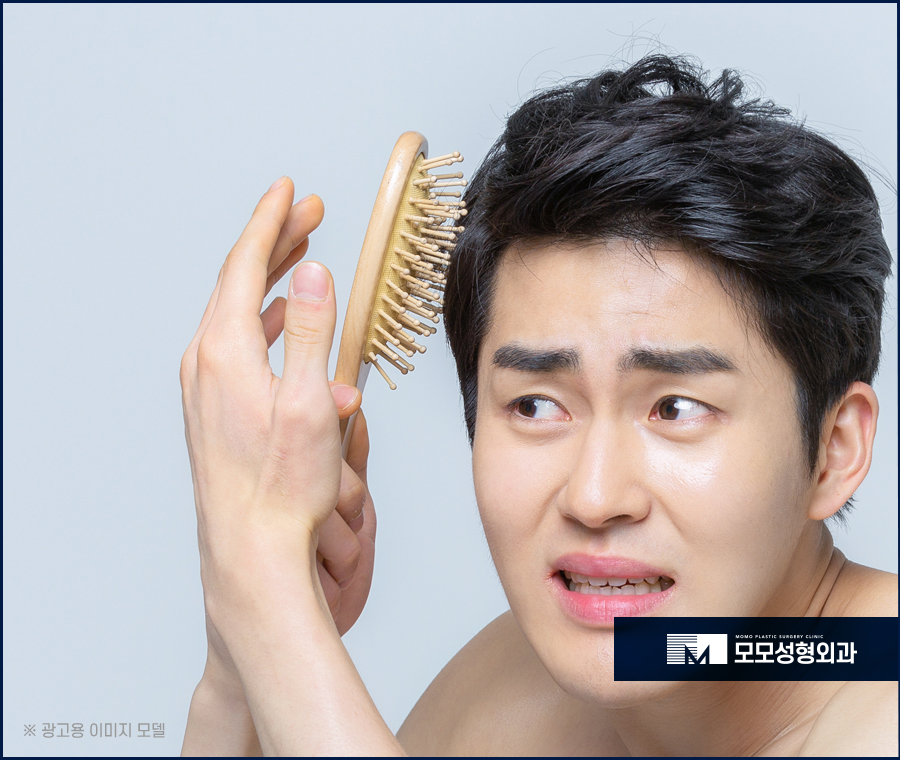
Not only people in their 20s and 30s,
but even teenagers in their teens are
said to be very interested in this type
of natural hair loss disorder.
Representative types of hair loss that
can occur in men include the crown area,
where the top of the head appears round
and empty, and the M-shaped recession
pattern.
In addition, because it can appear in
various other forms depending on many
different factors, if there are any
changes in the scalp or hair, a careful
check is necessary.
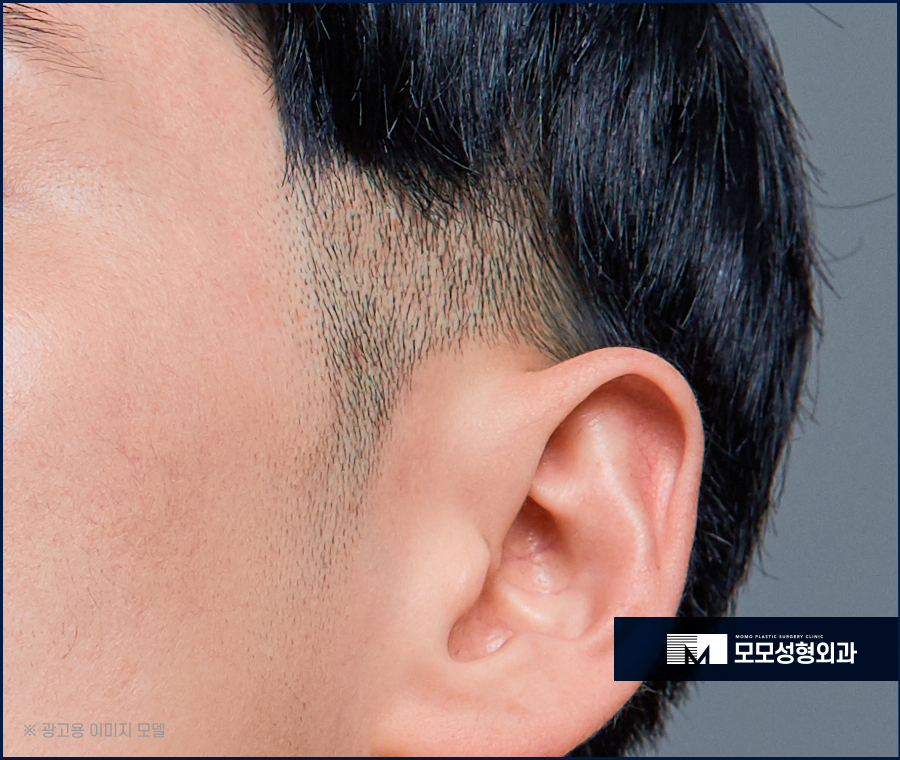
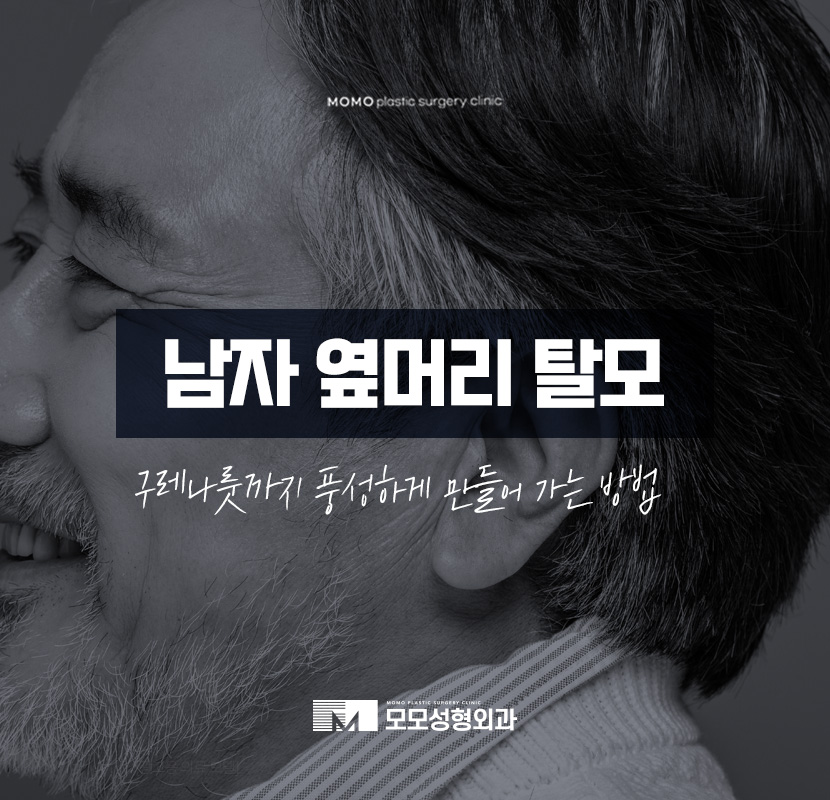
If these symptoms are observed on the
sides that make up the hairstyle, and if
the side area and sideburns appear to
have insufficient density or quantity,
you may suspect male side hair loss.
In general, male hair loss disorders
occur due to hereditary factors from
family history and acquired or
environmental factors.
Among these, the type that many people
worry about is the one that appears
under the influence of genes and male
hormones.
Also, compared with the former, the
latter type is actually difficult to
pinpoint or distinguish accurately, so
even if the condition that occurs is
acquired, many people think it is a
problem of heredity or hormones.
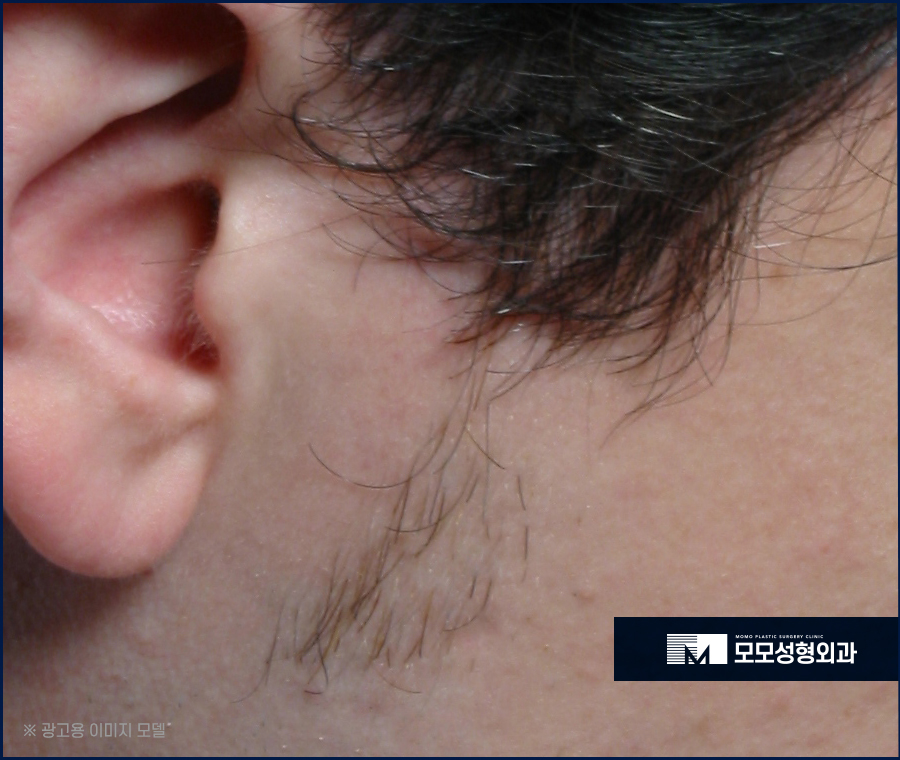
Male side hair loss, which is not common
but not rare either, needs to be judged
as a typical symptom caused more by
acquired factors than by innate,
congenital reasons.
It can appear for a variety of causes,
such as decreased thyroid function,
scalp inflammation, excessive stress,
and irregular, unbalanced lifestyle and
eating habits.
If it is left unattended, it may worsen
further or trigger other diseases, so a
careful attitude is necessary.
Also, the symptoms that appear at this
time may be acute, with a sudden large
amount of natural hair falling out, or
they may gradually worsen like a usual
case.
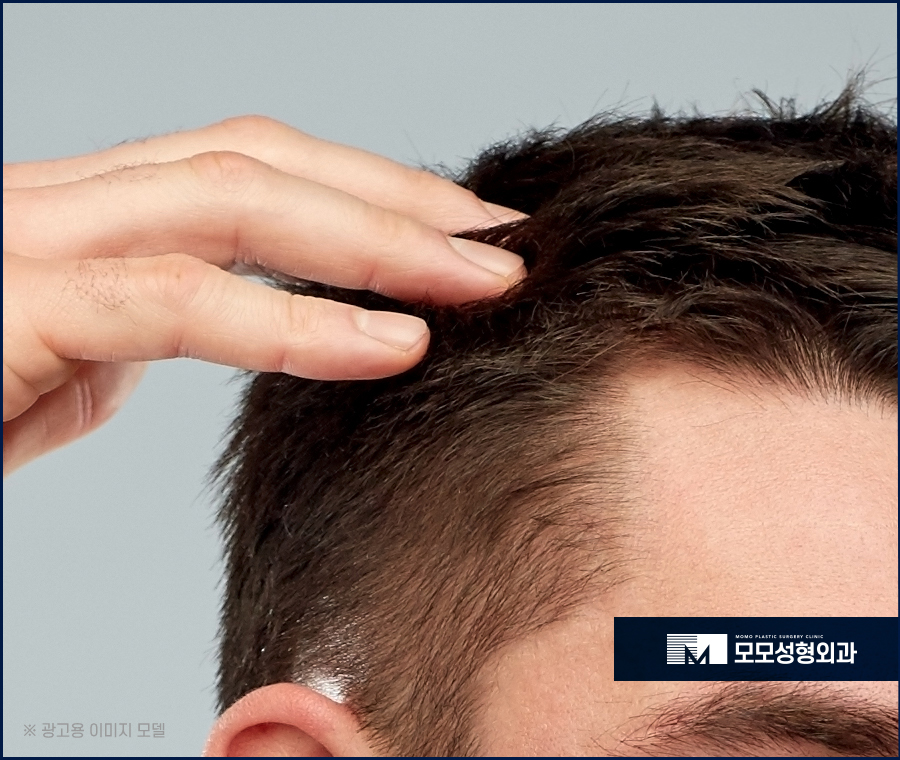
Looking more closely at the causes of
male side hair loss, first of all,
decreased thyroid function can be named.
This is an organ in the neck that
secretes hormones, and it is responsible
for regulating the body's metabolism and
energy synthesis.
Thyroid hormones are produced using a
component called iodine, and they can
affect not only hair growth but also
hair loss disorders.
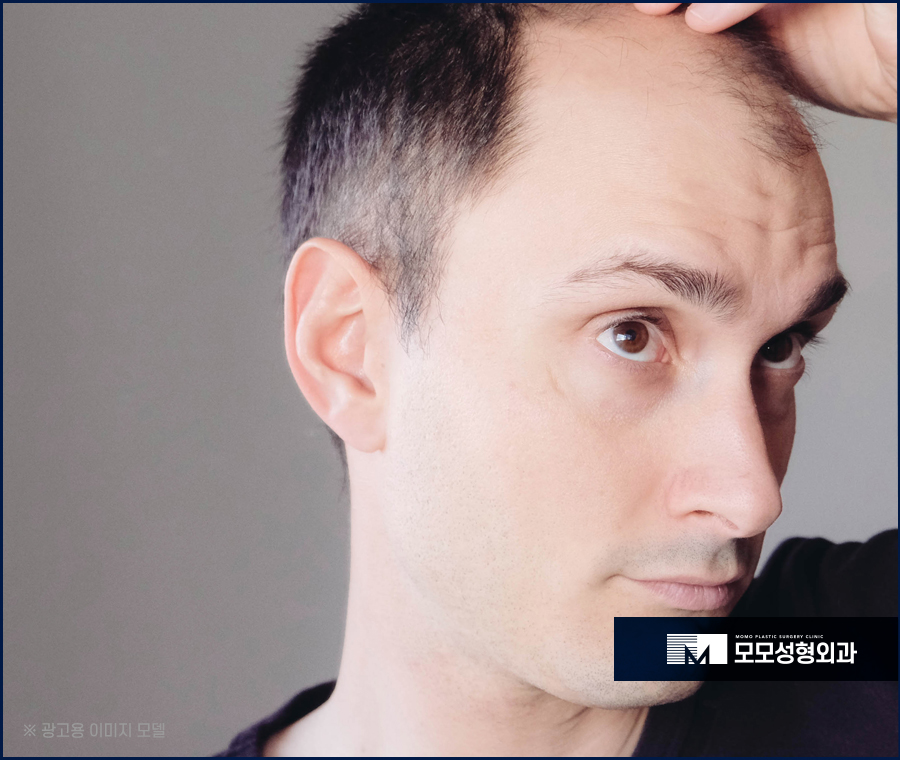
If the function that performs this role
declines, iodine becomes deficient and
the hormone level drops, which in turn
reduces the growth rate.
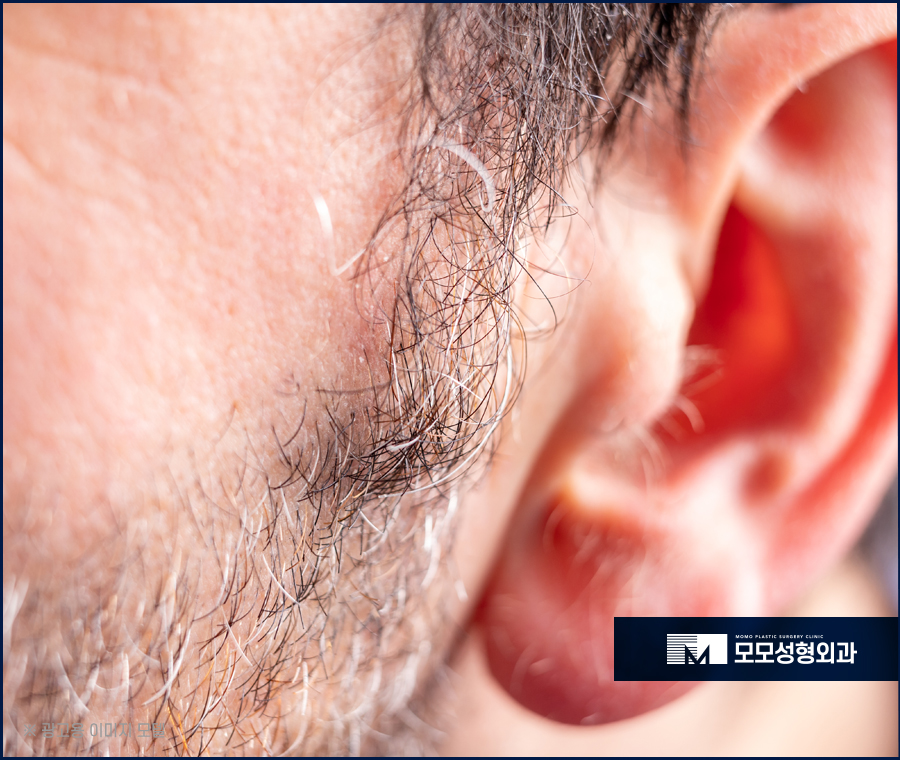
In particular, symptoms caused by
hypothyroidism of this kind are said not
only to cause the side natural hair to
become thinner and fall out, but also to
reduce hair in other areas such as the
outer eyebrows and the armpits.
Therefore, if it has occurred because of
such a thyroid problem, actively
pursuing appropriate countermeasures may
be helpful.
And another cause that can lead to male
side hair loss is inflammation of the
scalp.
This is a disease caused by infection by
inflammatory bacteria or fungi, and when
exposed to inflammation, it damages hair
follicles and interferes with natural
hair growth, so in severe cases it can
cause hair to fall out and trigger hair
loss symptoms, so caution is advised.
Male side hair loss, which can appear for
various causes like these, is best
managed by avoiding perms or dyeing that
irritate the scalp, and by properly
relieving accumulated stress through
activities such as hobbies or exercise
that you find interesting.
Maintaining a healthy diet is also
desirable.
However, if male side hair loss continues
even after improving such habits and
behaviors, or if no signs of improvement
are visible, visiting a related clinic
and seeking a direction that can provide
clear effects may be one solution.
This kind of method is generally a hair
transplant solution preferred by people
who have hair loss concerns and feel
deep worry and a sense of complex.
It is carried out by obtaining healthy
hair follicles from an area that has
been relatively less affected by natural
hair loss and transplanting them again
into the area of concern.
It is broadly classified into two
methods: incision and non-incision.
This solution carefully examines each
individual's symptom type and current
condition, as well as the various
characteristics of their natural hair,
the shape of their head and face, and
the proportions of their facial features,
in order to plan a personalized design
that can achieve harmony.
Based on that, the transplant amount is
decided and the direction of the
procedure can be selected.
Each method has its own strengths and
weaknesses, and recently non-incision,
which does not go through an incision
step and instead selectively extracts
and implants hair follicles one by one,
has been preferred and is receiving a
lot of attention.
It is considered advantageous because it
can be free from pain and from scars
that may appear later, and because it is
not noticeable from the outside, making
it possible to return to daily life
immediately.
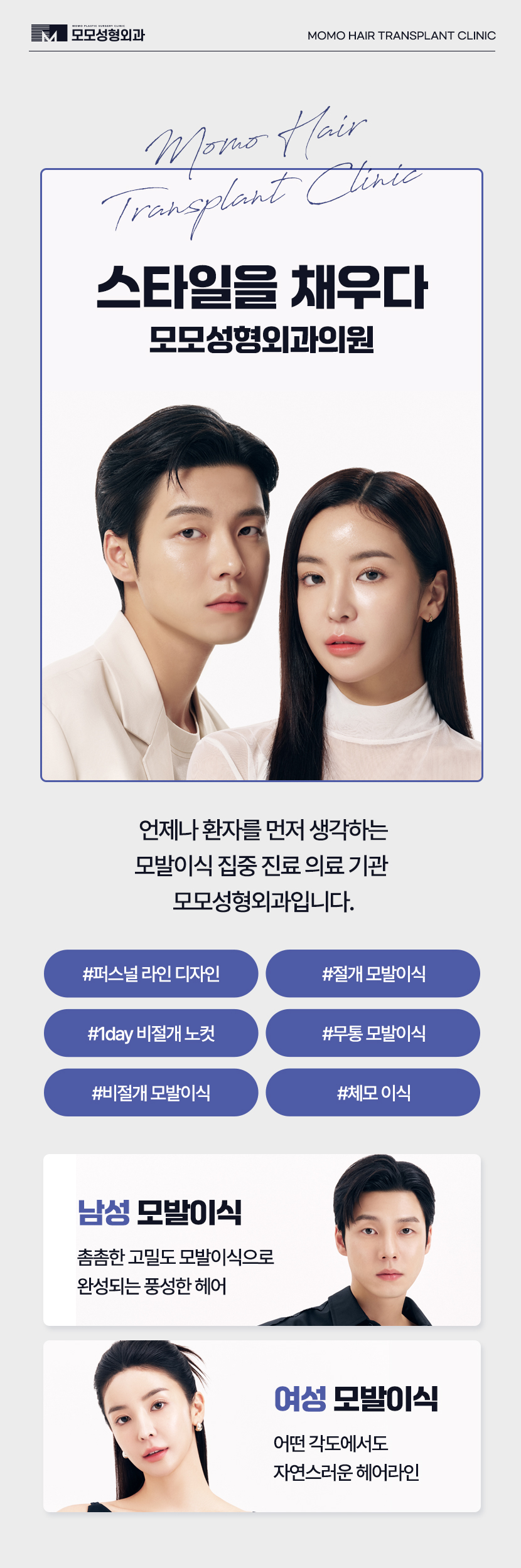
However, since hair transplantation is a
high-difficulty procedure that includes
all stages, from design planning and
managing the survival rate of the hair
follicles to the extraction process, the
doctor in charge must have abundant
related experience and cases covering all
steps.
It is necessary to examine in detail
whether they also possess outstanding
technical skill and know-how, a high
degree of knowledge and understanding,
and an aesthetic and design sense that
shows delicacy and thoroughness.
It is advisable to check based on these
important criteria and then consider and
make a decision carefully.
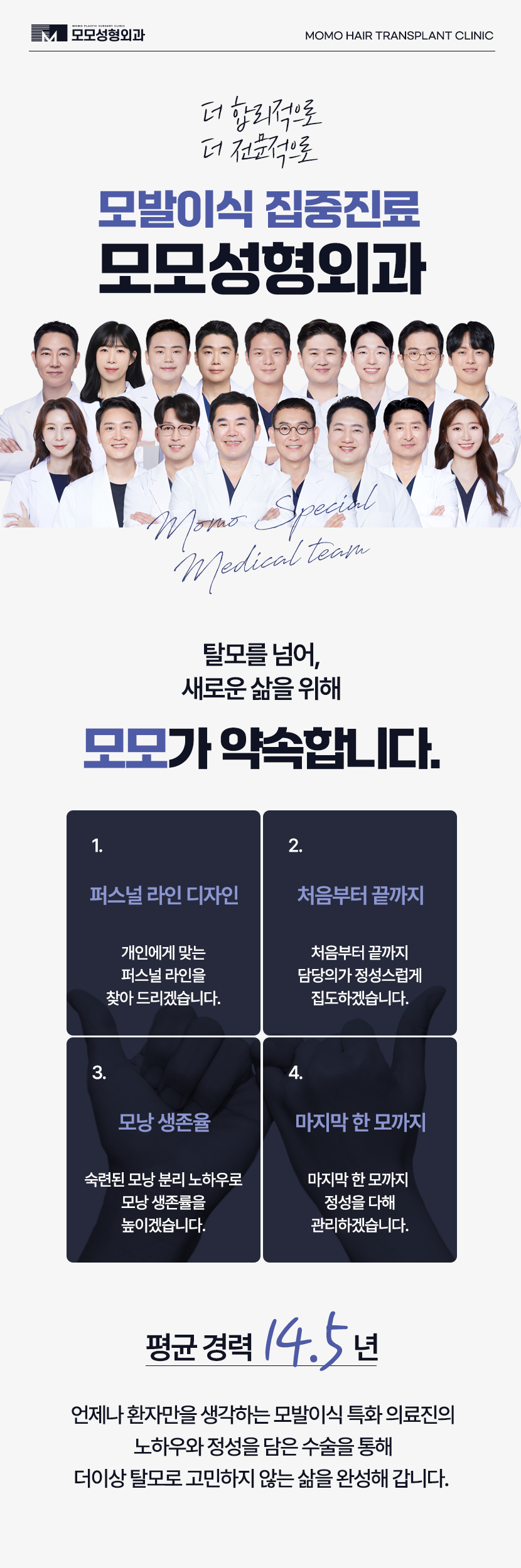
Compared with other types, male side
hair loss can expand from a relatively
small empty area at first to the point
where it becomes impossible to manage if
prompt and active action is not taken.
Therefore, if you discover the symptoms,
it is important to visit a related
clinic immediately, receive counseling
and an examination about your current
condition, and begin appropriate
treatment right away.
This can become a positive turning point
that helps you regain lost confidence
and once again take a confident attitude
in social life and interpersonal
relationships.