When it comes to people who experience a disease that causes hair to fall out and be lost, people used to think of middle-aged or older men. But these days, it is said that worries caused by these symptoms are increasing year by year even among relatively young people.
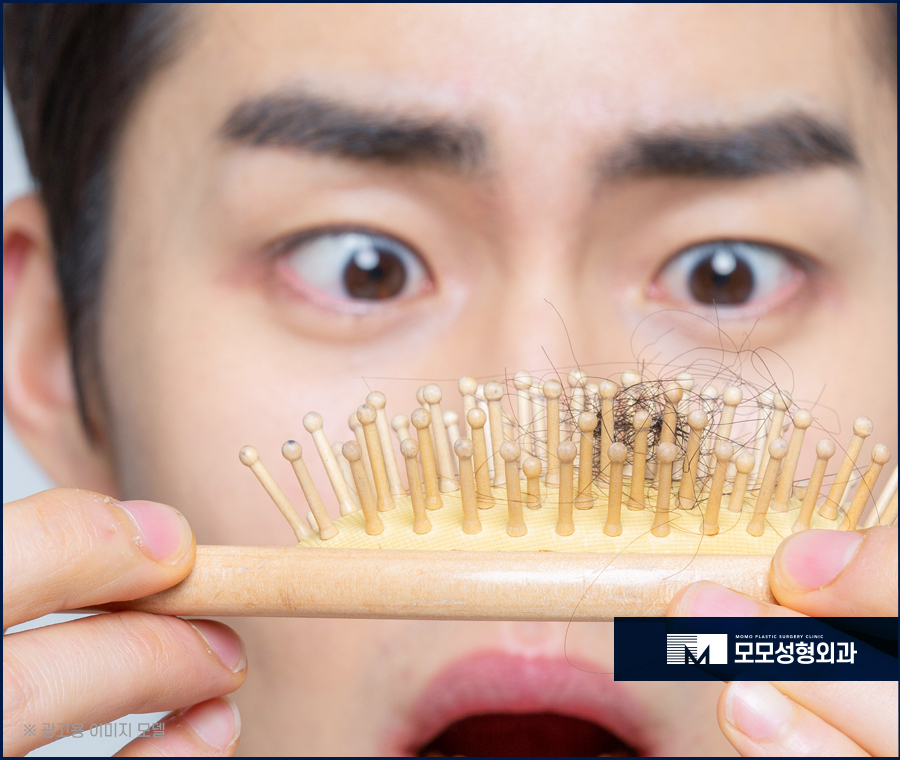
Hair loss is no longer a problem limited to one age group. It is often seen as having a major impact even on younger generations, appearing in people in their 20s and 30s, and even teenagers. Those who have this concern often try a variety of easily accessible methods on their own, thinking that they can solve it themselves rather than seeking help from a related clinic when the symptoms are not severe.
However, while such methods could provide temporary effects, they had many difficulties in addressing the root cause and were not enough.
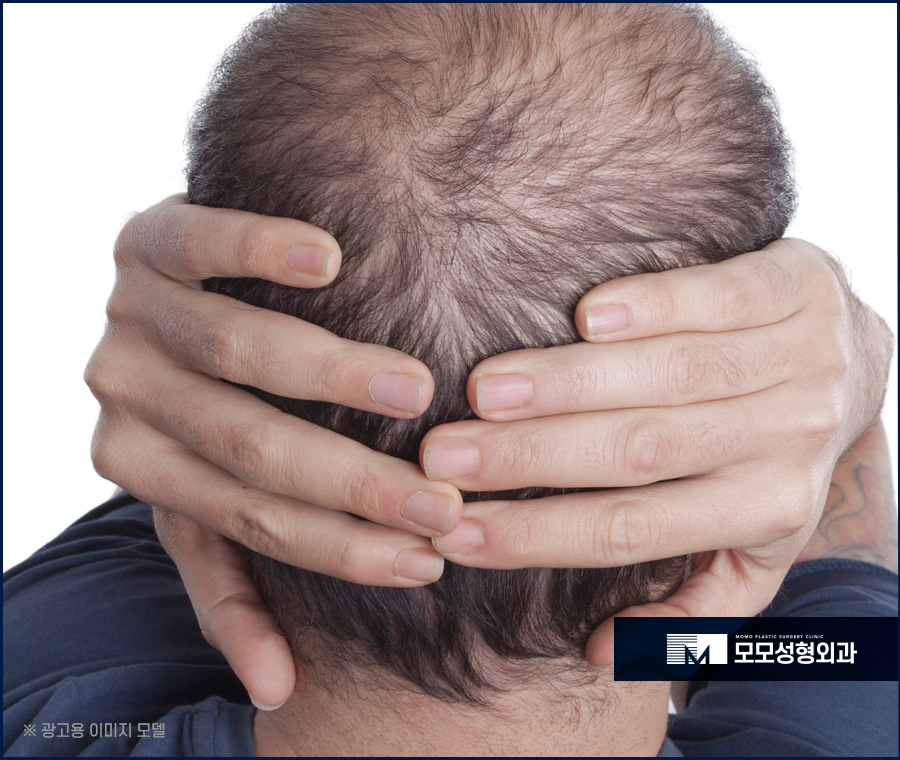
For that reason, hair transplantation is now drawing attention, and it is emerging as one of the options that can provide satisfying results for people with such concerns. Among the methods for implanting follicles, non-incisional hair transplantation is receiving attention these days, and this method is known as a solution that can bring a clear and noticeably improved change to people experiencing hair loss.
This varies depending on the number of grafts needed for the procedure or the method used to obtain them, so it is important to choose the most appropriate direction according to each individual's symptoms and condition. In addition, when determining the harvesting method before the solution, a step that considers in detail not only the degree of hair loss but also the scalp type and condition, and the density of hair in the area from which the hair must be obtained, is essential. Environmental factors must also be fully considered, and after taking each person's situation into account, making the decision is the process that must be given first priority.
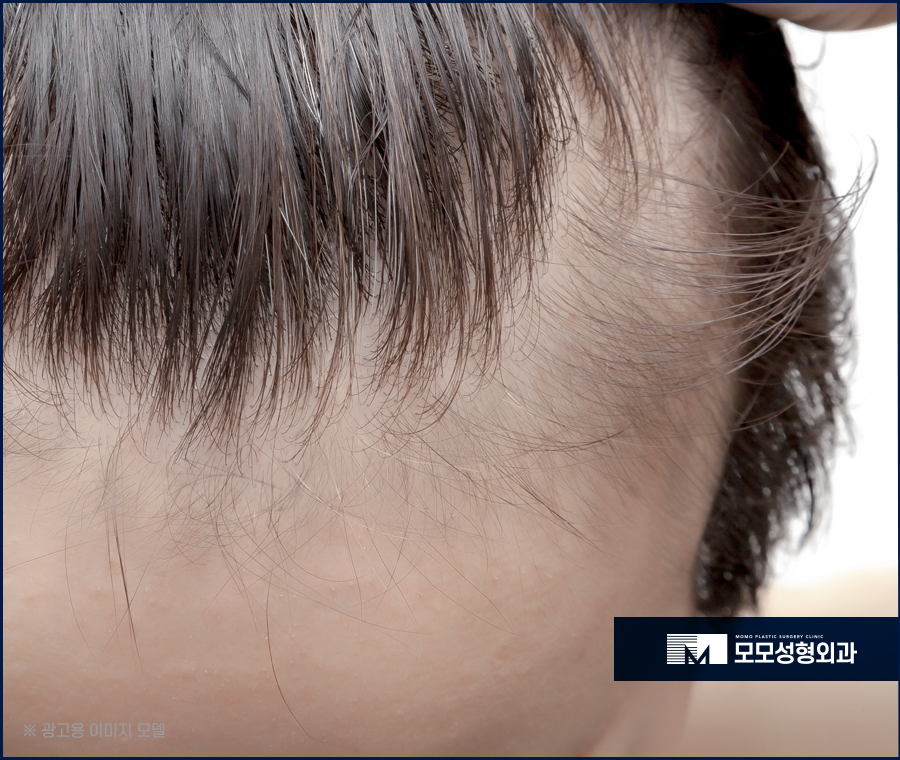
Looking at the incisional method that has been carried out for a long time, a certain amount of skin tissue was completely removed, the follicles inside that area were separated, and then they were implanted into the affected area. Since this solution uses a scalpel on the skin, pain and some scarring were unavoidable drawbacks. Still, it has the advantage of allowing a large amount to be harvested efficiently even from a small area, and it is economical.
In the case of the non-incisional method, follicles are selectively harvested in units using a punch. Because this does not involve cutting out skin, the biggest feature is that pain and scarring are almost absent, and it has the advantage of precisely obtaining healthy follicles from the occipital area that have not been affected by hair loss. However, this method requires time and skilled technique to increase follicle harvesting and preservation rates, so it is important to fully examine the characteristics of each option and choose according to your own situation.
Non-incisional hair transplantation has various harvesting approaches, such as shaving the occipital area, so it is important to examine this part carefully. In particular, as the need to return quickly to daily life after such a procedure has recently increased, demand is also growing for a natural appearance that does not show obvious signs immediately afterward.

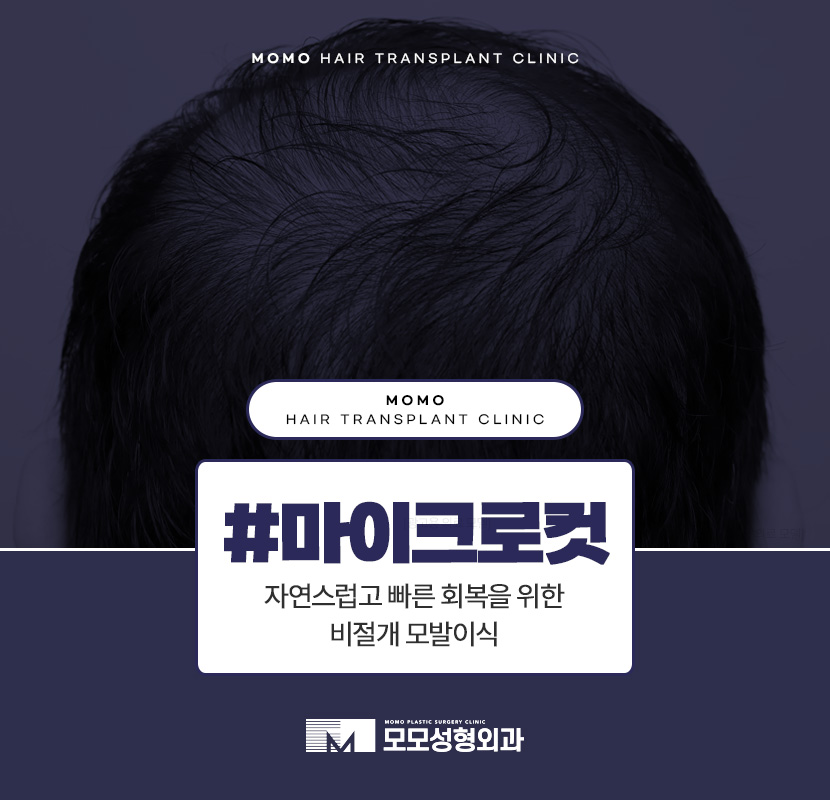
Among those approaches, the cutting method called microcut has the advantage of being able to selectively obtain follicles during the process of cutting hair by creating multiple lines at regular intervals across the overall area that needs to be harvested, allowing the hair at the back to remain as naturally as possible.
Considering that the procedure is completed with a careful method and that the postoperative course can be satisfying, this microcut non-incisional hair transplant can be a positive choice for many people concerned about hair loss.
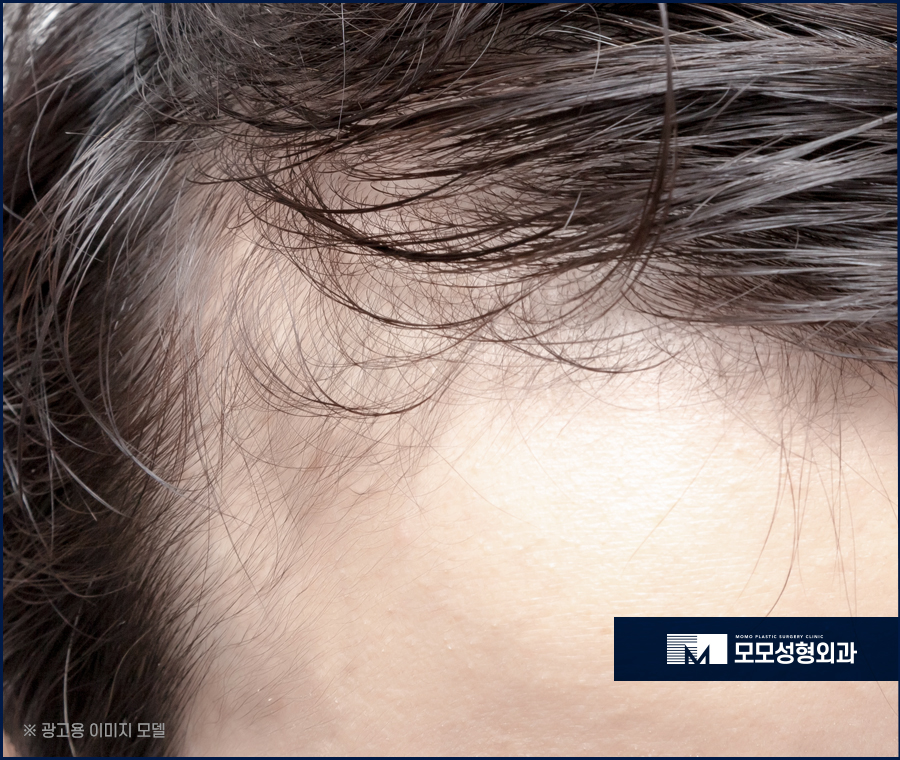
In addition, microcut can be considered one of the efficient solution methods that allows you to easily carry on with daily life from the day after the procedure without paying much attention to the back of the head. It can be an ideal option for people who do not usually prefer short hairstyles and want to maintain a natural look. Also, non-incisional hair transplantation, which does not require shaving in the same way, requires time and trained know-how because follicles needed for the procedure must be harvested from among long hair while keeping them in healthy condition.
And because this method involves almost no pain and little to no change to the occipital area, it has a major appeal in that normal life can be resumed quickly even the day after the procedure. However, there may be a price difference between incisional and non-incisional hair transplantation, but because of these many characteristics, it is said to be popular among people in modern society who are concerned and worried about hair loss.
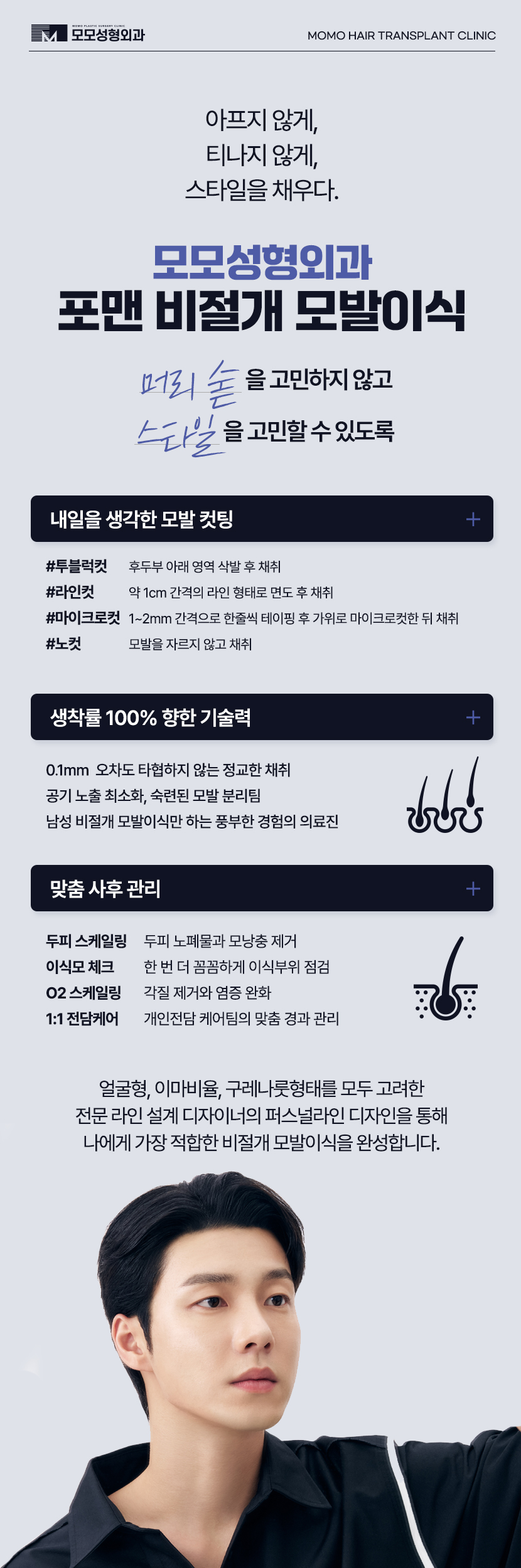
After the procedure, the survival rate of the grafts is a very important part of the result. When the transplanted follicles settle stably and create an appropriately distributed density, satisfactory outcomes can be achieved. Therefore, follicles are sensitive even to small shocks from the harvesting process through implantation, so a system that can separate them delicately and quickly and preserve them safely is important.
For that reason, it is advisable to carefully check whether the doctor in charge has outstanding knowledge and technique based on many years of experience and cases, along with a sense and level of skill that can better bring out aesthetic and functional elements. And while it is of course important that the procedure be completed successfully, what kind of care is provided afterward can affect the overall solution process and stable graft survival rate, so intensive aftercare is absolutely necessary during the 2-week graft take period, which is also considered critical. If you consistently follow the precautions needed during this period and carry out ongoing care, you will be able to see the results you want and are aiming for.
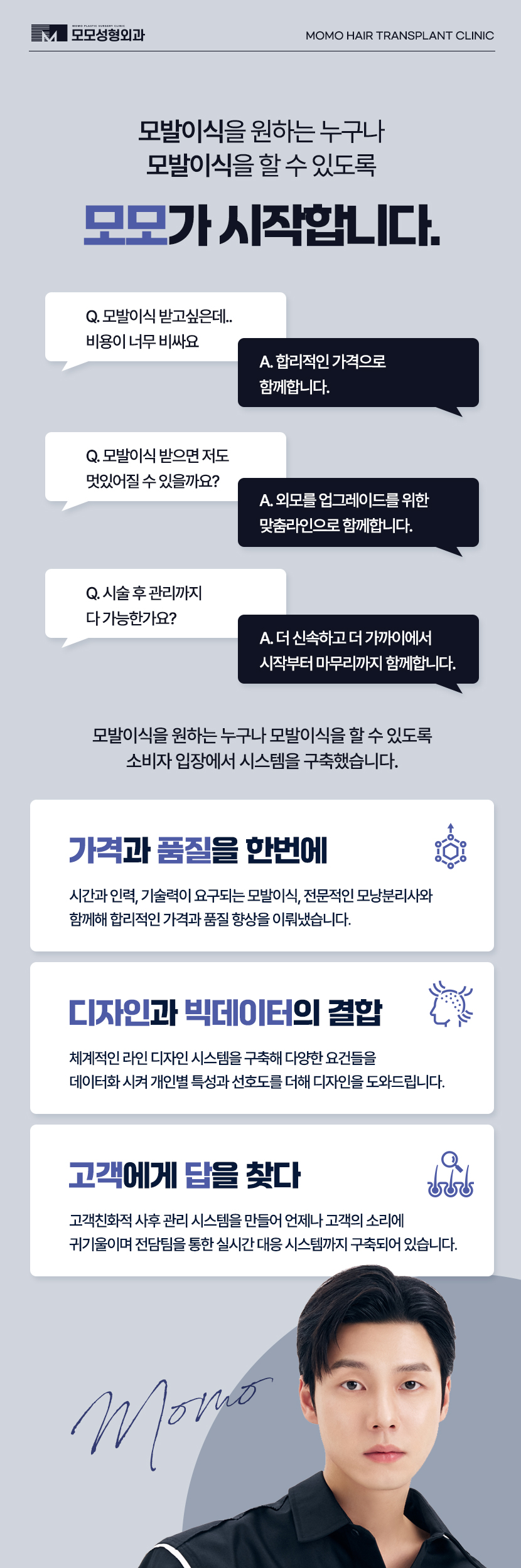
In addition, it is important to check whether such aftercare is also provided delicately by the clinic with a responsible and systematic system, and to carefully observe the progress over time. Many people experience severe complexes and stress because of hair loss, so rather than suffering alone for a long time with deep worry, concern, and lowered self-confidence, it is advisable to take an active approach and positively accept the opportunity for a turning point that can lead to a new change through help from a solution such as microcut, which can create a clear and natural harmony with one's own appearance, based on careful selection.