As we look toward an era in which the life expectancy of Koreans is expected to reach 120 years, it is true that many people are becoming more interested in their health.
To live the journey of life ahead in a healthy way, many people choose activities that suit their interests, enjoy exercise consistently, and make efforts to care for and improve their bodies in various ways, such as building a balanced diet by taking in essential nutrients evenly.
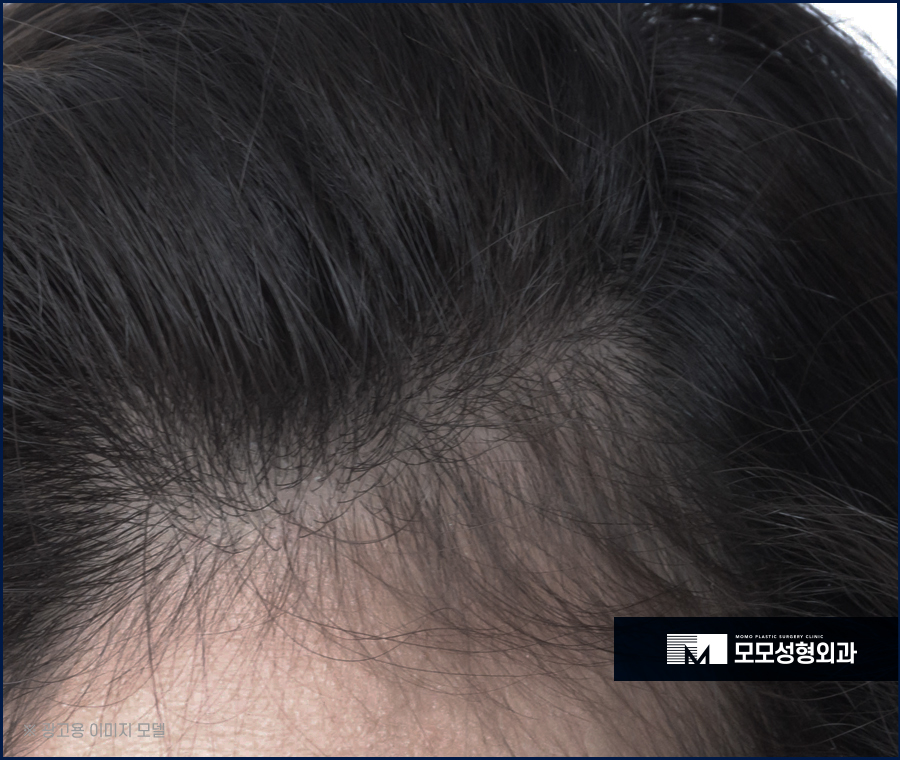
However, despite paying close attention to their health, some people are increasingly struggling because warning signs are appearing in the health of their hair.
This does not cause physical pain, but it brings about visible changes in appearance, and since hair does not grow back in areas that have already been lost, the resulting severe distress and growing stress can only continue over time. For that reason, many people try numerous methods—such as folk remedies that may help improve the condition on their own, functional care products, applying or taking medications, dedicated cover makeup, and items like hats and wigs—in the hope of a better future. However, these methods were only temporary in effect, and because they were cumbersome to manage consistently, it was difficult to expect a clear new change.
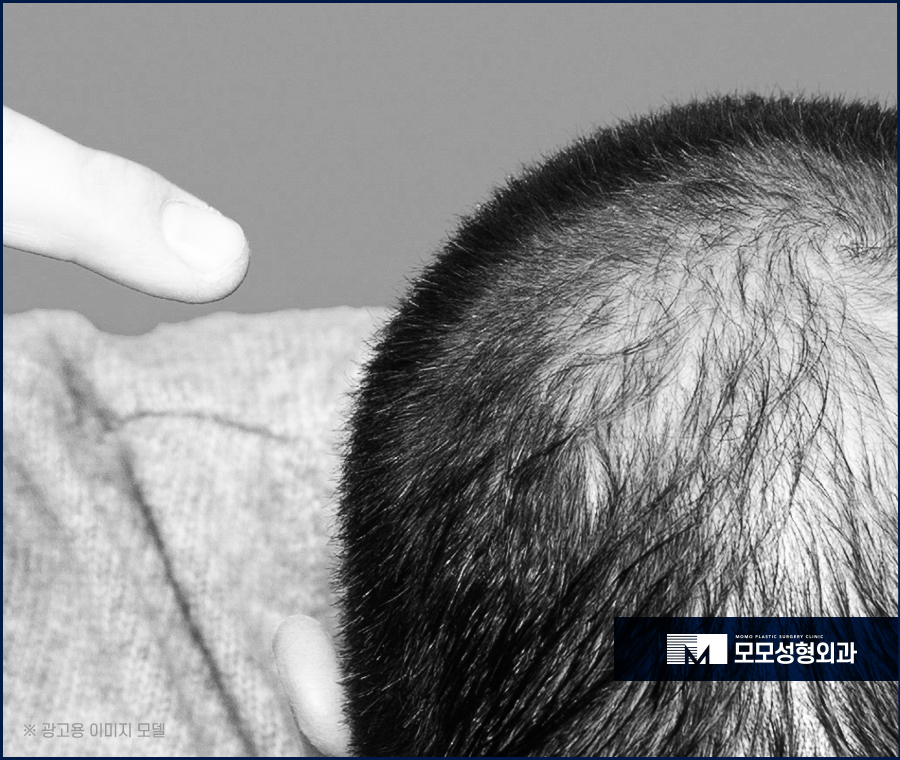
After living with such concerns for a long time and feeling an intense complex due to hair loss, many people ultimately visit a related clinic and, after lengthy consultation, choose Apgujeong hair transplant as their solution. That is because once hair loss begins, it is difficult to address with treatment alone, and it is the best way to try to restore the hairstyle from before. In the past, this procedure tended to be performed mostly by men, but these days it appears that the number of women as well as younger people is also increasing, regardless of gender or age. In addition, because hair loss typically appears at the crown, part line, or forehead, it can be especially distressing for those who are sensitive about visible appearance. In particular, the forehead is one of the first areas people notice, and if no appropriate measures are taken, it gradually expands, making the face look older and larger. For these reasons, people look into Apgujeong hair transplant in order to solve these concerns comprehensively.
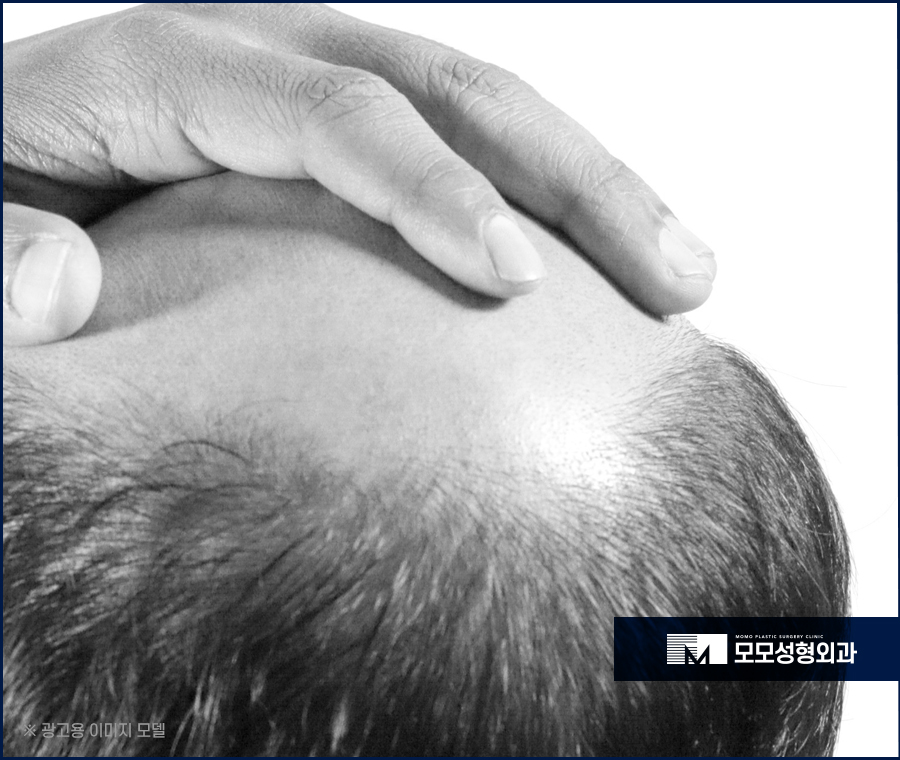
Some people still have a negative perception of this kind of solution, but satisfaction has risen considerably compared to the past, it does not significantly interfere with daily life, and moreover, there are many people who want to pursue it for aesthetic purposes, even if they are not necessarily experiencing hair loss, in order to correct their hairline.
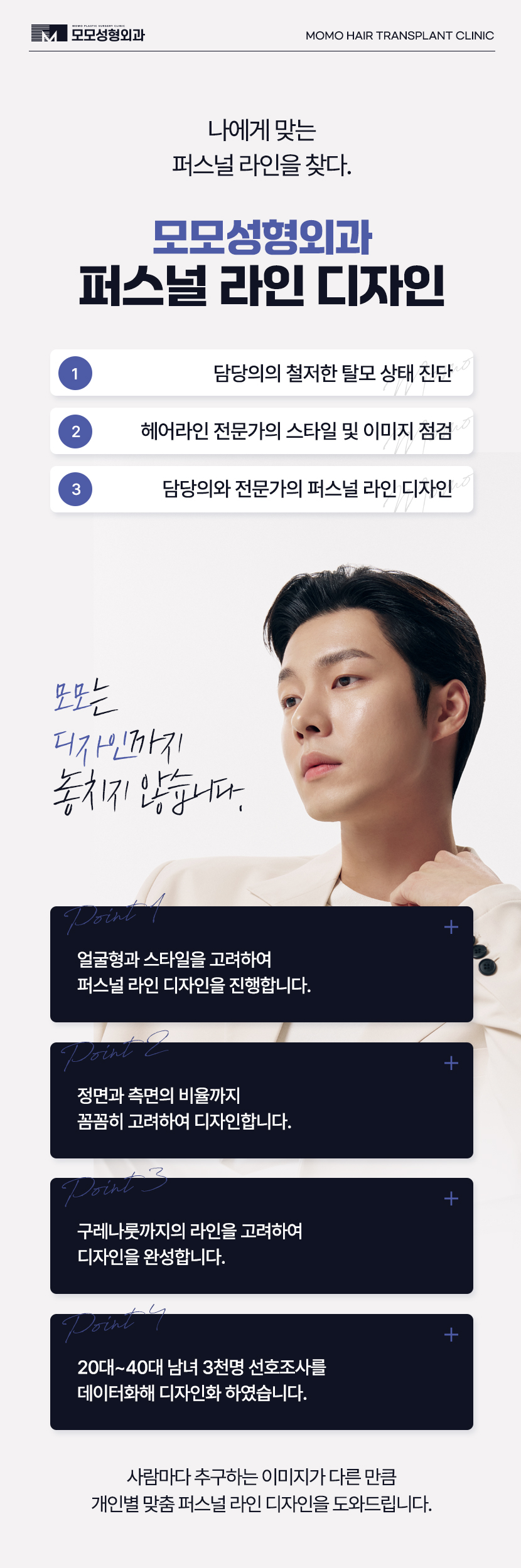
Before deciding to proceed with Apgujeong hair transplant, there are important criteria that must definitely be checked. Of course, the direction of the procedure must be carefully considered and treated as an important process, but the resulting outcome is also something that must be sufficiently thought through. It is advisable to choose a clinic and doctor that can achieve stable graft survival, allow the transplanted hair to grow well, and produce satisfying results in terms of personalized design.
Sometimes, after reviewing a great deal of information online, people apply general content that is difficult to know the exact cause of their symptoms to their own situation and accept it with a non-professional perspective. This is by no means a proper attitude or approach. To accurately understand the extent and condition of the symptoms, it is most important to visit an institution related to Apgujeong hair transplant and receive a detailed consultation and diagnosis.
Therefore, it is advisable to make a careful choice so that from the first consultation through post-solution management and follow-up, you can be cared for by a doctor who has extensive long-term experience and many cases, a high level of related knowledge and understanding, outstanding design sense that can further enhance aesthetic elements, and skilled technique and know-how.
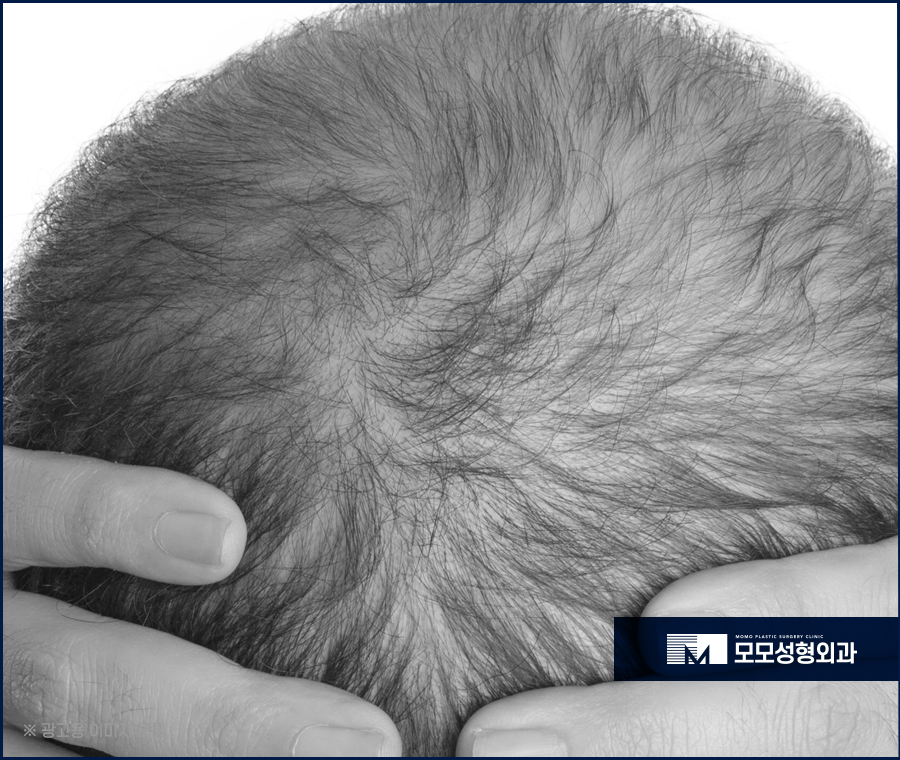
In addition, the method for pursuing Apgujeong hair transplant to resolve symptoms that have caused long-term concern is selected after identifying the type and symptoms of hair loss one has, as well as the characteristics of the natural hair, and then proceeding with the appropriate direction between FUT and FUE.
In the case of FUT, it has been used from the past to the present, and the process involves removing part of the scalp from the occipital area, where healthy follicles relatively less affected by hair loss are distributed, obtaining follicles from that area, and transplanting them. The procedure takes a short time, but the unavoidable excision and suturing mean that pain and scarring afterward are its only drawbacks.
As a complement to this point and because it shows stable graft survival, FUE is highly preferred. It involves selectively harvesting follicles one by one by hand and transplanting them to the problematic area, so pain is minimal. Even if pain occurs, it is only a slight trace, so scars are barely left behind. Recovery is also relatively fast, making it possible to return to daily life immediately afterward.
However, since harvesting and the solution must be carried out at the same time while increasing follicle survival, it is true that the process takes a long time. Still, because it is a highly advanced procedure, the doctor’s skilled technique is absolutely necessary. In addition, the cost may vary depending on how much is transplanted and which procedural direction is followed. Because each person’s symptoms and condition are different, the details can be confirmed through consultation with the doctor. Above all, the important point for people with these concerns is ultimately the result that follows.
Moreover, the fact that one can regain their previous hairstyle through Apgujeong hair transplant is known to bring a high level of satisfaction to the person involved. And to maintain the core factor, graft survival, in a stable way over the long term, it is also important how care is carried out jointly by the patient, the doctor, and the clinic during the approximately one-year graft-survival period that begins after the solution. This can change the course of the outcome.
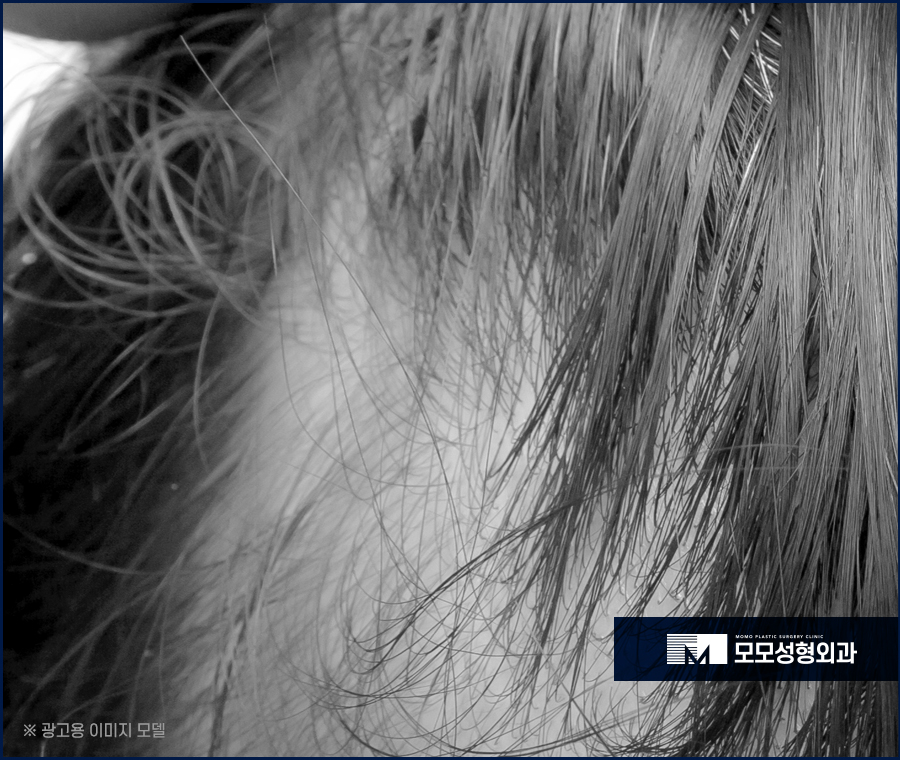
For example, if you do not provide any care and do not visit the clinic to observe progress, the scalp condition may worsen, or the transplanted follicles may fall out and fail to function properly. Therefore, it is advisable to visit the clinic regularly and receive treatment and care suited to your condition each time. At the same time, consistently managing your own health in daily life can help the hair grow properly and well.
In addition, it is necessary to correct and change behaviors and habits that may lower graft survival and to remain careful so that benefits can be continuously provided.
With all of these efforts, you will be able to see the full, voluminous hairstyle you have hoped and dreamed of, and you can be reborn into a confident and self-assured daily life.