When facing someone for the first time,
we generally judge that person by
their clothing, the condition of their skin,
how they have done their makeup, and
appearance-related details such as
hairstyle, forming a first impression,
image, and the atmosphere they give off.
Among these, hairstyle is said to have a
great influence on judging outward
appearance. For that reason, many people
try to make their image and impression
come across in a positive and likable
way by dyeing their hair in trendy colors
that are in fashion, or by styling it with
softness and a glossy curling effect, and
make all kinds of changes from time to
time to maintain and decorate their own
hair design.
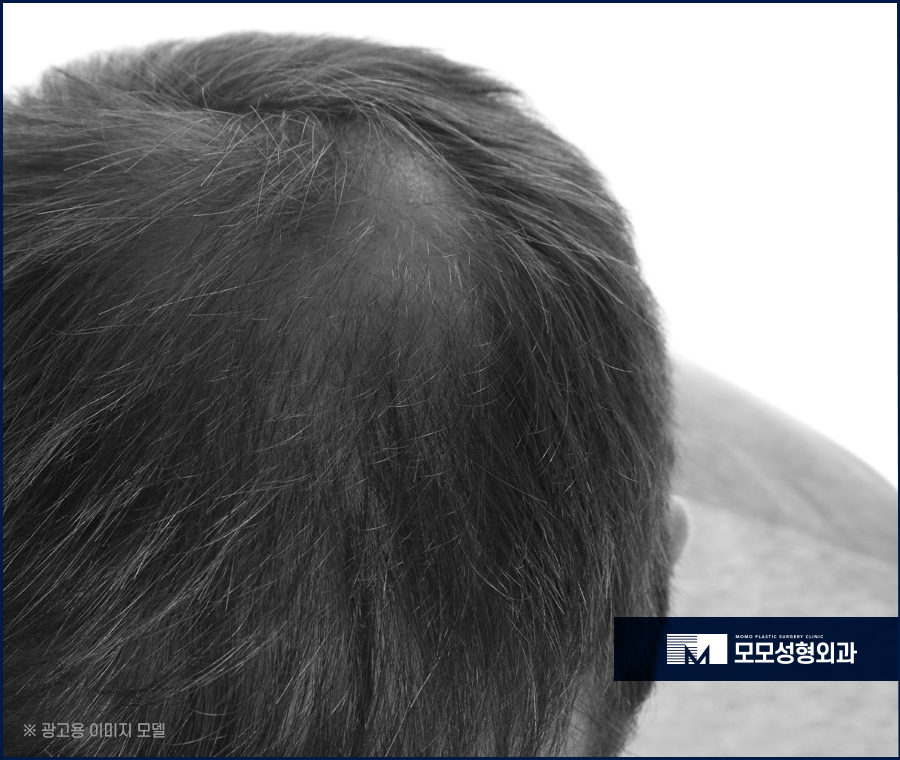
However, when hair loss symptoms appear,
caused by genetic factors from family
history or by acquired problems, and hair
volume rapidly decreases and becomes
weaker or thinner, there is not only a lack
of material to create such styling, but it
can also remain as a major wound in the
part of appearance management, causing
loss of confidence and, as a result,
intense complexes and added stress.
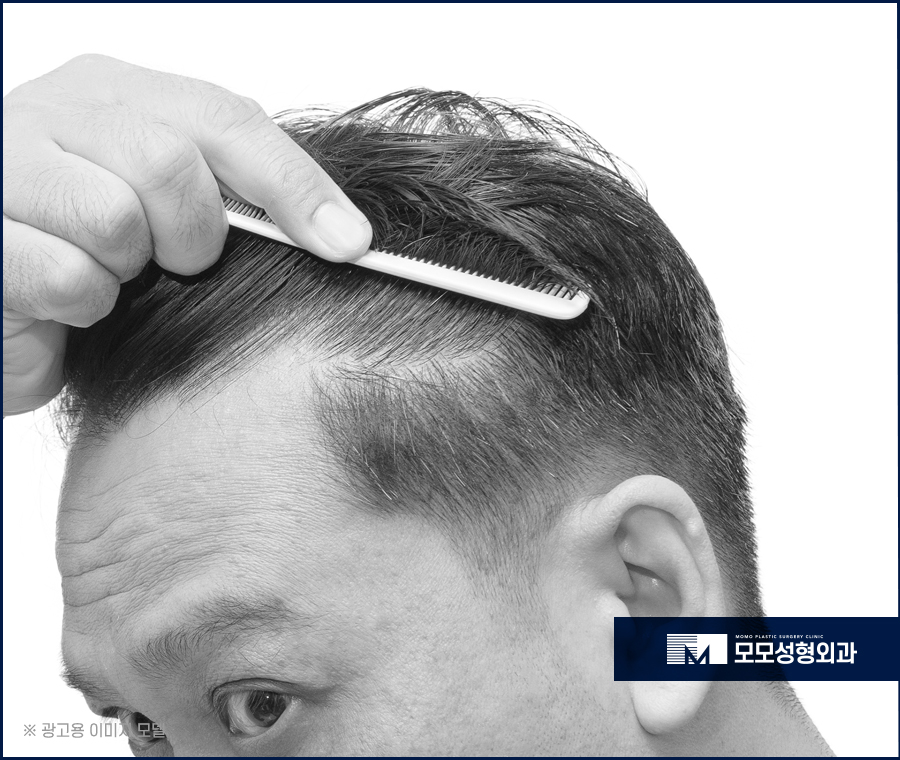
And for the long term ahead, some people
need to begin treatment suited to their
symptoms, or in some cases look for a way
to fill in thinning hair. This involves a
medical procedure that implants healthy
follicles into the area where hair loss is
progressing, but it is said that basing the
choice on cost factors alone, such as the
price of a non-incisional hair transplant,
is by no means the right approach.
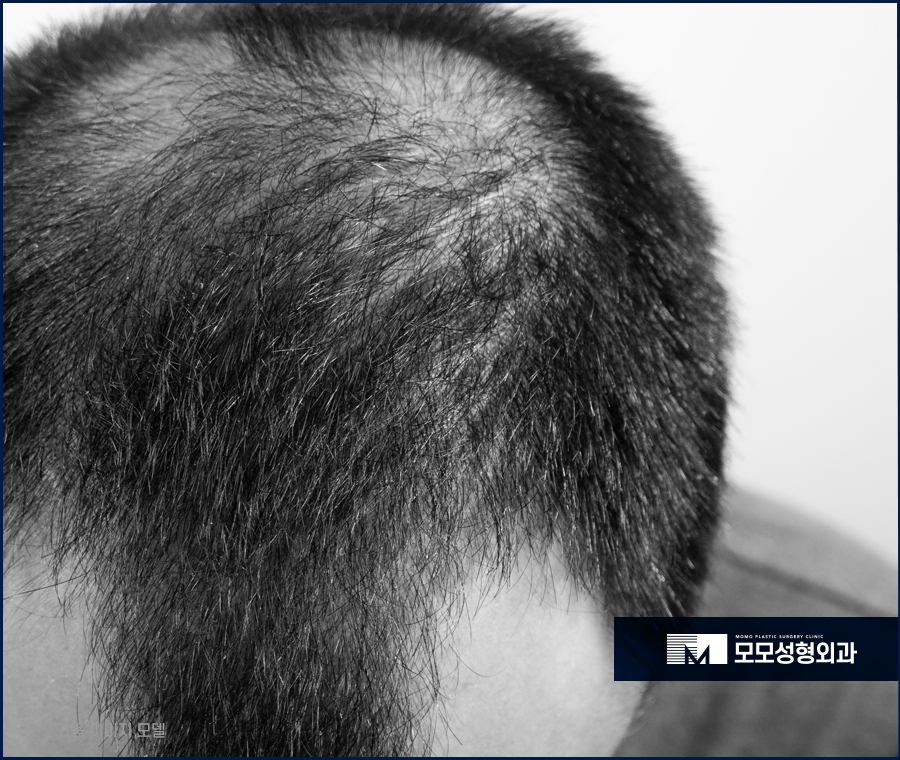
Hair loss is a condition for which the
cause of onset should be actively
identified, and treatment should be
carried out with an appropriate solution.
Therefore, alongside diagnosis, it is
necessary to establish an efficient plan
that seeks alternatives to improve the
various problems that can be experienced
immediately due to insufficient hair, and
hair transplantation is also a type of
procedure, so fear and various factors can
act as obstacles when deciding on it.
So, while trying to reduce psychological
burden, people will also work to find a
place where they can receive help with
cost-related concerns that feel practical.
At this point, the price of non-incisional
hair transplantation is of course important,
but what should be considered first is the
type of hair loss the person is currently
experiencing. This generally occurs more
frequently in men than in women, and the
commonly called male pattern hair loss is
androgenic in nature, with an M-shaped
pattern of shedding, referring to the
frontal hairline and the boundary of the
hairline gradually receding in an M shape.
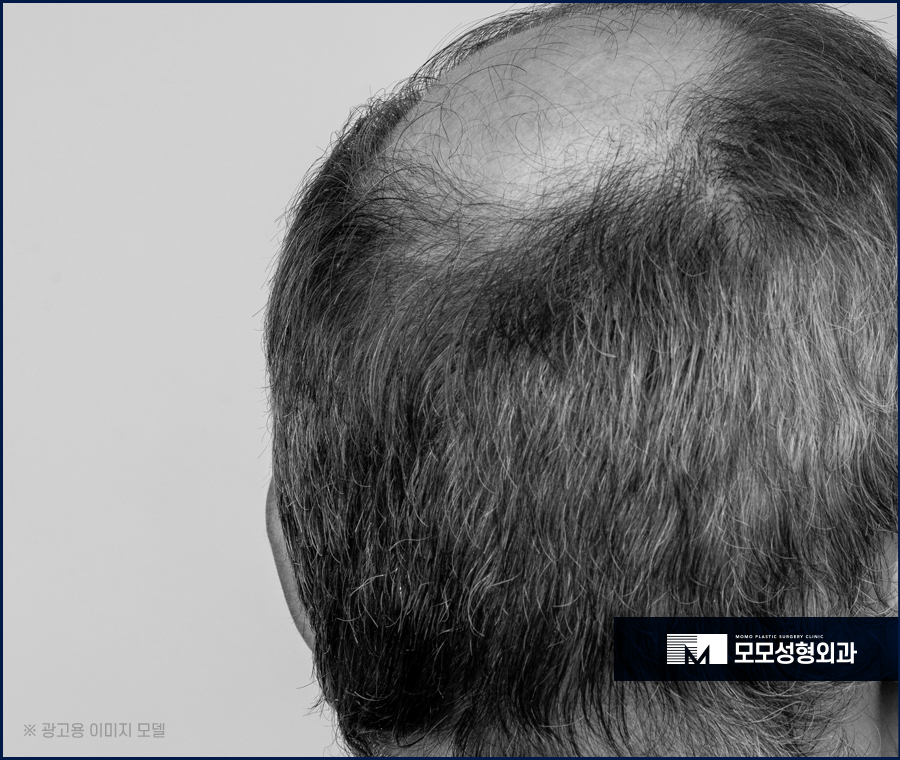
This is a very common type, affecting
about 80% of men, and is said to be
caused mainly by genetic factors and the
effects of male hormones. In addition,
women also experience this to a
considerable extent, to the point that
female pattern hair loss is also
recognized, so after experiencing a
situation in which various methods have
been tried but there is no clear
improvement, many people visit a clinic
to receive detailed consultation and
diagnosis, compare incisional and
non-incisional hair transplant prices and
the progression methods thoroughly, and
then seek to resolve the issue through
these solutions.
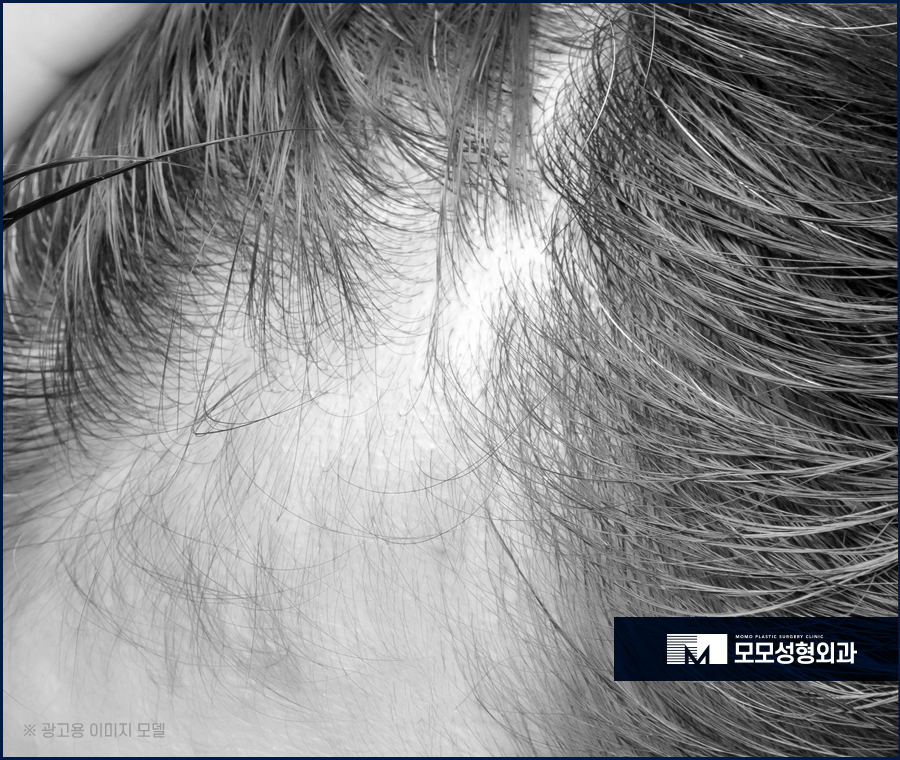
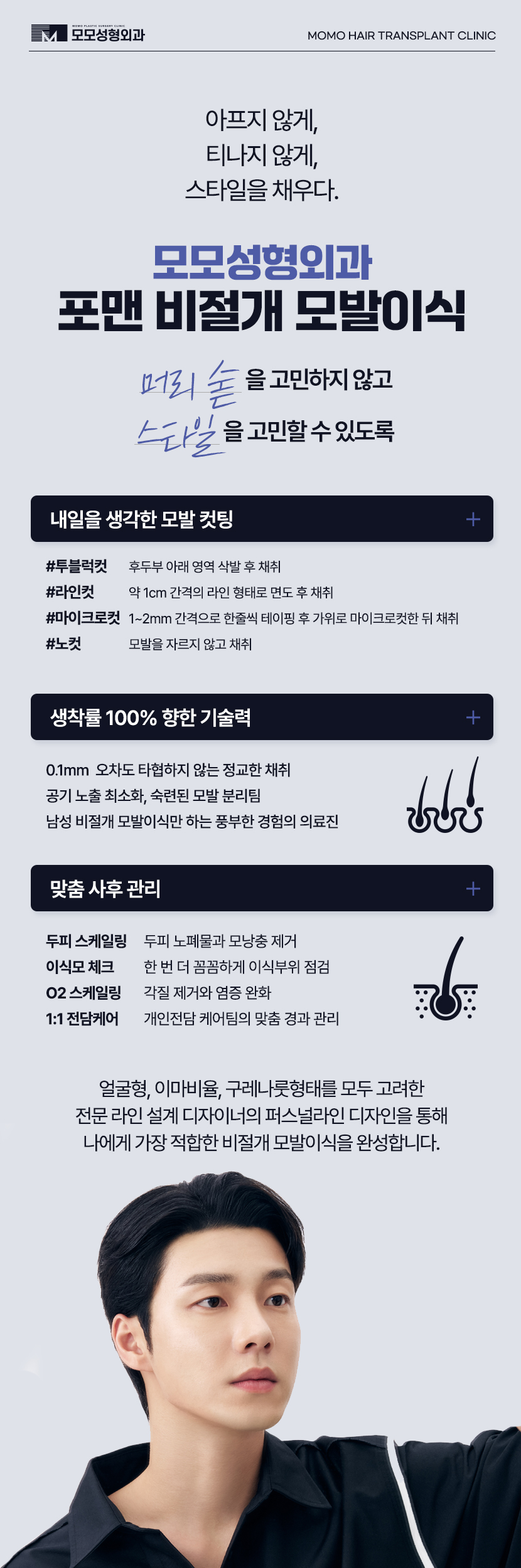
The incisional method mentioned earlier
was the direction mainly used in the past.
It involved removing a certain area from
a region such as the back of the head,
where natural hair is less likely to fall
out, obtaining healthy follicles, and then
suturing the excised area.
Although it has the advantage of allowing a
large amount of natural hair to be
efficiently transplanted into the hair loss
area, there was also the burden of having to
consider unavoidable scars and traces,
recovery time, and pain.
For that reason, in recent years, more and
more people have been preferring the
non-excisional method, which resolves many
of the inconveniences that can arise with
that solution.
Depending on which method is chosen, the
cost can vary greatly, as with the price of
a non-incisional hair transplant, but when
it comes to hair, hairstyle has the greatest
impact on outward appearance, so it is wise
to choose the option that minimizes traces
as much as possible and enhances aesthetic
harmony in a natural way.
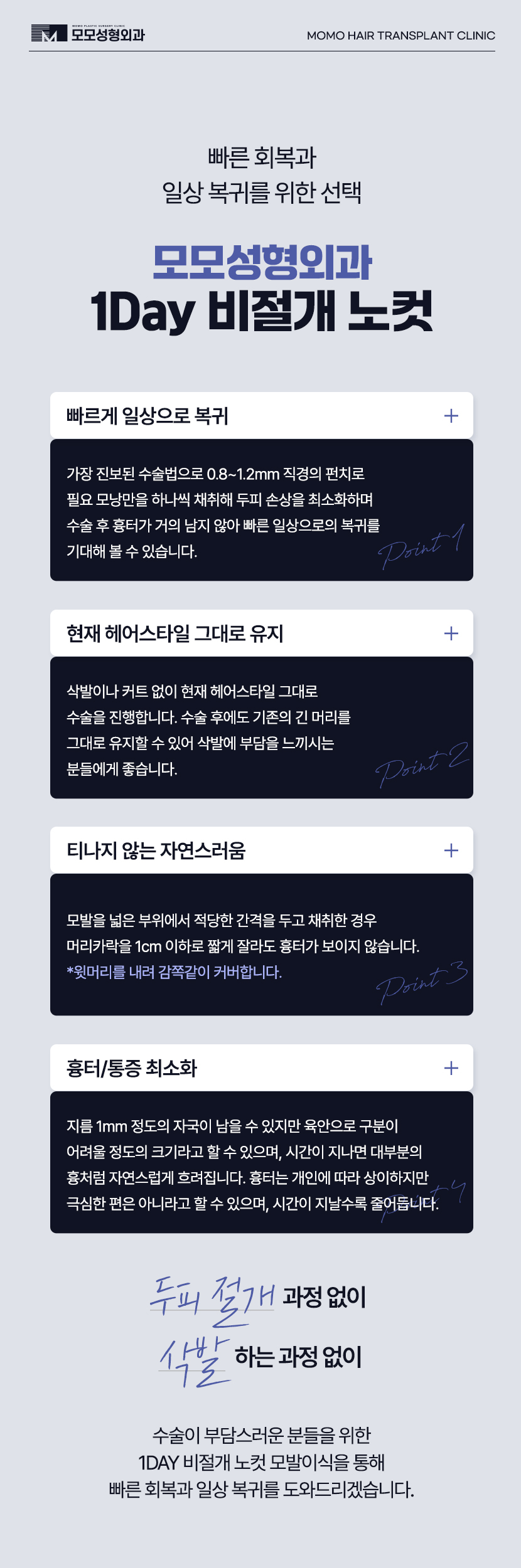
Because healthy follicles are selectively
harvested in part without excision and then
implanted into the area causing the
complex, there is no burden from suturing,
and since there is also freedom from the
scars, pain, and time required afterward,
rapid return to daily life is possible.
For this reason, it is receiving even more
attention from those with busy work and
study schedules who do not have much
room to spare.
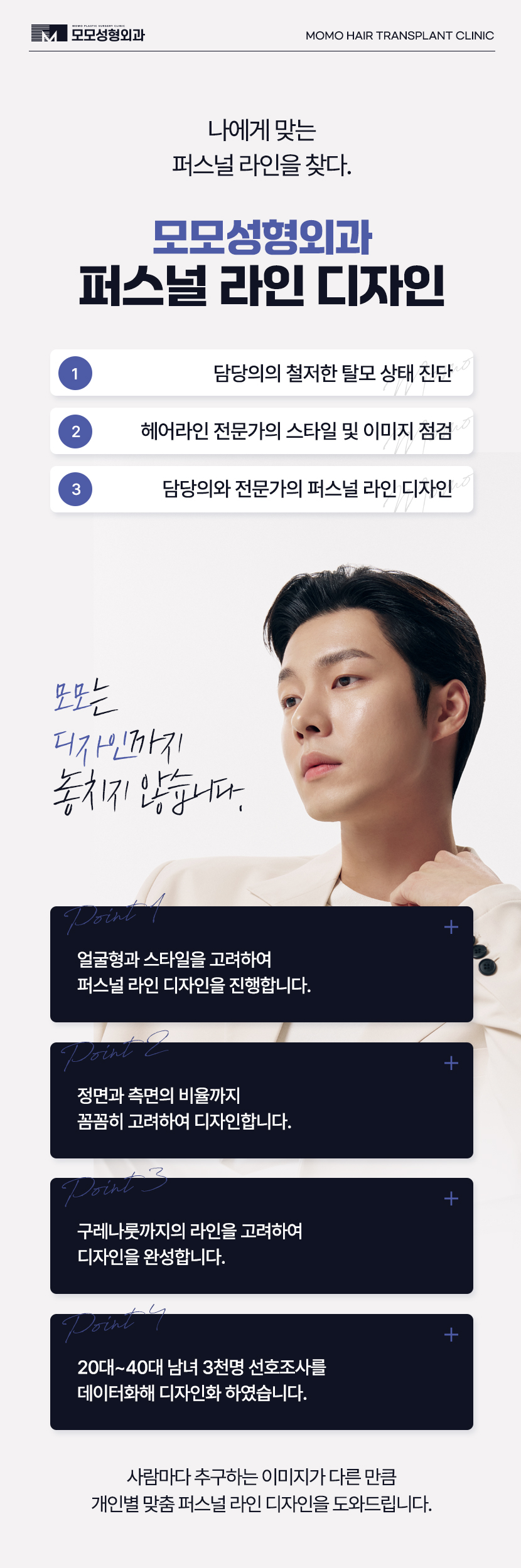
Also, if there is an important checkpoint
that must be included when determining the
price of a non-incisional hair transplant,
it is the personalized design that can
further enhance the aesthetic appeal that
was mentioned earlier.
Just as each individual has a different
appearance, the type of scalp and hair one
has, as well as the symptoms and condition
being shown, can also differ.
Because of this, it is necessary to refine
those characteristics further and
systematically establish a personal design
that includes the proportions of the head
shape, face shape, and facial features; the
thickness and density of the natural hair
one has; its distribution and growth
direction; and, especially if one is
considering correction of the hairline, the
line extending from the forehead to the
sideburns and the expected appearance
observed from multiple angles.
Only then can the subsequent solution
create a form that is not artificial but
natural, as if it were the person's original
hairstyle.
The price of a non-incisional hair
transplant is generally formed in the range
of about 3 million to over 8 million won,
but since differences can arise depending on
the individual’s symptoms, condition, and
the method being used, it is most important
to decide after sufficient comparison and
analysis. In addition, if you are
considering this solution and have a plan to
proceed, in order to carry out a procedure
that is natural and harmonizes with the
existing hair, you must be sure to check
whether the doctor in charge has a high
level of knowledge and understanding in
both aesthetic and functional fields over a
long period of time, and based on that, the
sense to complete and apply a personal
design, as well as advanced skills suited to
a method that demands delicacy and
meticulousness, and whether they possess
excellent know-how in precisely applying
even a single fine hair to add naturalness.

And during the graft-engraftment period
that begins in earnest after the solution,
it is advisable to thoroughly check whether
the clinic’s aftercare system is being
carried out in a systematic way and whether
they consistently monitor progress at each
stage in order to maintain a stable graft
survival rate.