Hairstyles play an important role for both men and women,
regardless of age, by shaping one’s appearance,
first impression, image, and unique atmosphere,
while also serving the function of covering
and protecting the head. That is why many
people put effort into creating diverse changes
for their hair design and styling it into a look
that is full and glossy, with a healthy feel.
However, if, unlike the style described above,
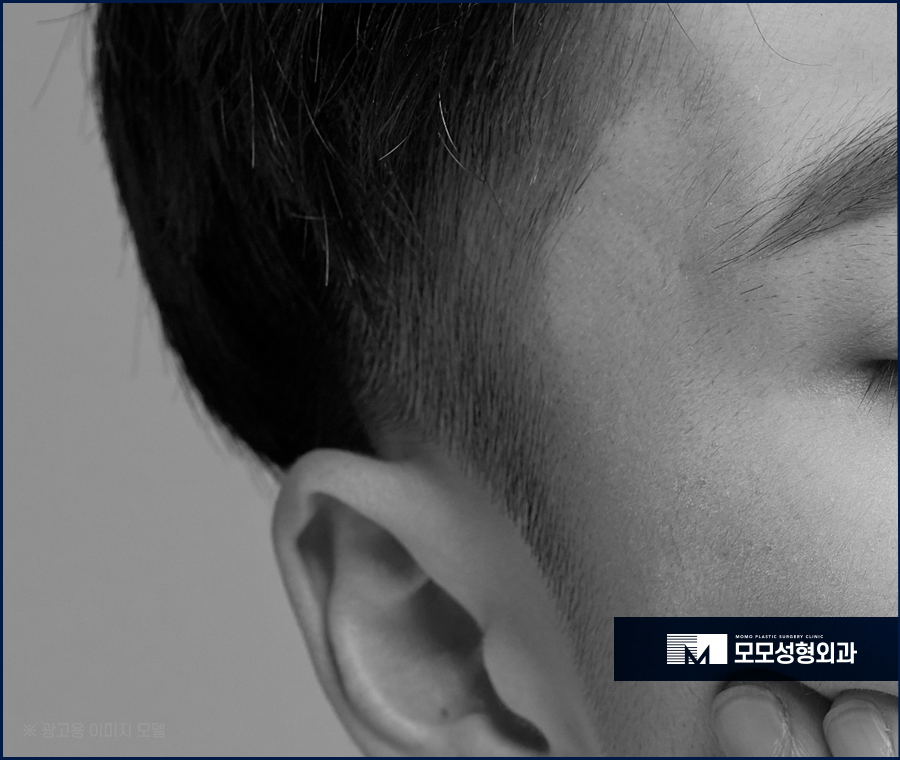
hair loss occurs specifically in the sideburn area,
where hair grows from below the ears to the jaw,
and that area becomes noticeably sparser than
other parts, the resulting sideburn hair loss can
leave shortcomings in overall hairstyling and
become a source of complex in one’s appearance,
leading to ongoing psychological and physical
strain. This can also bring about reduced
confidence and, in some cases, difficulties in
social relationships or daily life, as well as
possible disadvantages.
To ease the negative effects of sideburn hair
loss, people often try various methods. Even if
they grow out the surrounding hair to cover the
area, it can be difficult because it does not stay
in place. And even when they directly apply or
take related medications, supplements,
functional shampoos, and dedicated makeup
products in an effort to cover the concern, only
temporary effects are achieved, making it hard
to fundamentally resolve the root cause. For
this reason, some people visit a related clinic to
ask whether there are alternatives that can bring
clear change and to consult on what kind of
solution would be pursued.
Hair transplantation can compensate for sideburn
hair loss by naturally blending with the
surrounding hair. Hair transplantation is a
solution that involves separating follicles from
the occipital area, which is not affected by hair
loss, into single hairs and implanting them into
the problem area that is causing concern and
worry. Depending on the amount of hair needed
for transplantation and whether an incision is
used, it is broadly classified into two types:
incision and non-incision. In the case of incision,
a certain section is removed from the occipital
area, the follicles within that section are separated,
and after they are transplanted into the problem
area, the removed portion is sutured again. The
non-incision method does not require removal;
instead, healthy follicles are selectively extracted
and transplanted into the area where hair loss
has occurred.
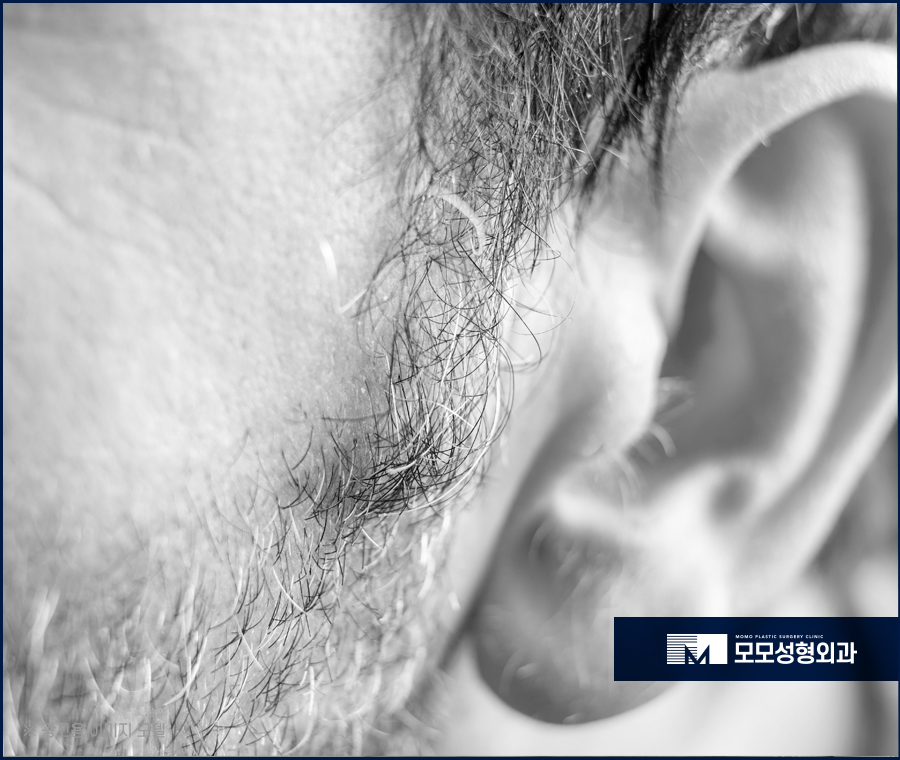
Each method has differences in procedure time,
pain, scarring, and other factors, so it is advisable
to choose the most suitable direction after detailed
consultation and diagnosis with the doctor. In
addition, although the transplanted hair will vary
depending on the individual’s scalp and hair
characteristics, the severity of the symptoms, and
other factors, it generally begins to fall out after
about two weeks according to its natural growth
cycle and then shows regrowth after about 3 to 6
months.
Then, when planning a solution to satisfactorily
address the sideburn hair loss you want and are
seeking to solve, what should be considered?
Compared with existing hair transplantation types,
the implantation range is not wide, so it may seem
lightweight and easy to overlook. However, since
it is an area that is easily noticeable to both you
and others, the solution should be carried out
carefully with a focus on achieving a natural result.
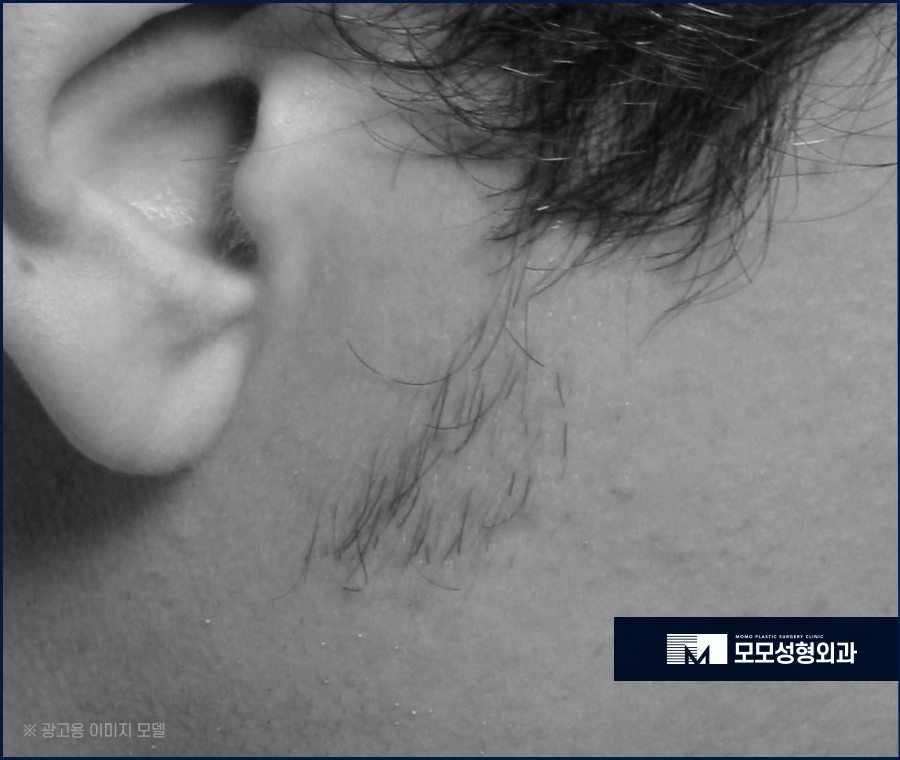
To do that, first of all, it is important to plant
hairs with thickness similar to that of the area,
along the line and in the same direction as the
existing natural hair. If this is simply treated as a
minor point and overlooked, the hair may grow
upward, so caution is advisable.
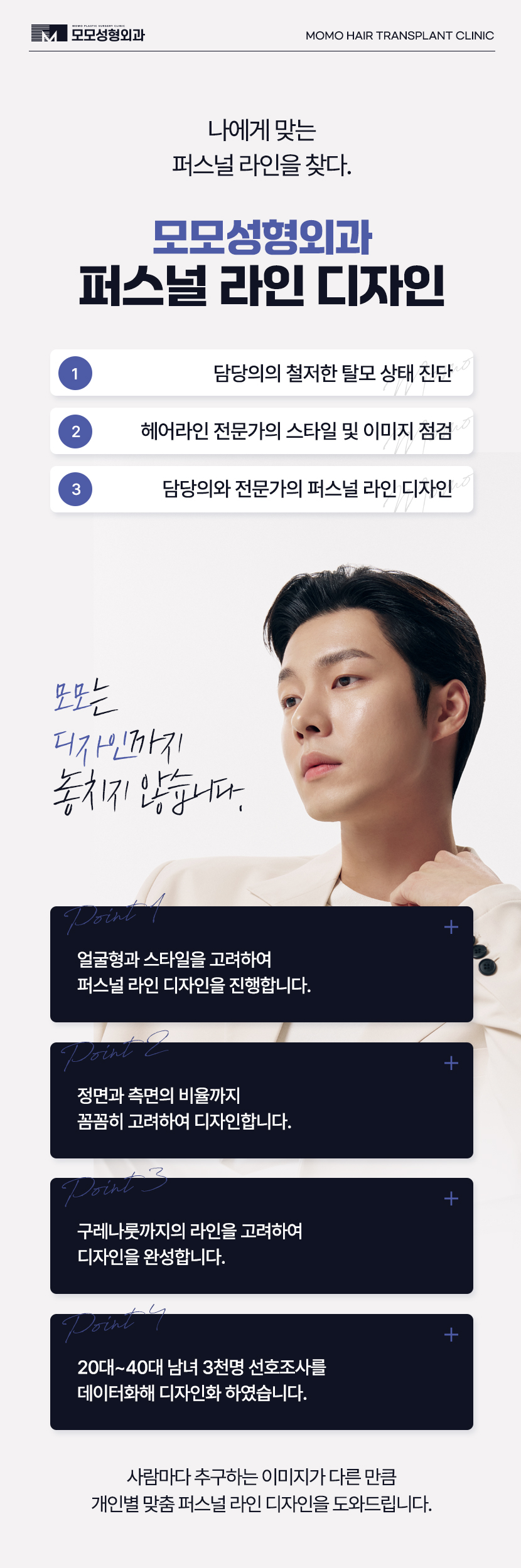
In addition, it is essential to go through a personal
design step that matches your overall image,
including your head shape, face shape, and facial
features. Because the area where sideburn hair
loss occurs is visible from various angles, such as
from the front and side, it is most important to
carefully and meticulously plan a personal design
by comprehensively considering factors such as the
density, thickness, and distribution of the existing
natural hair, the overall facial shape and proportion
of the facial features, and the angle from which it
can connect naturally from the hairline.
In addition, if you have an image or style you want
during this process, it is also important to actively
share your opinion with the doctor and communicate
smoothly so that your thoughts can be reflected.
To build a personal design that matches your
expectations and to improve sideburn hair loss with
a hair transplant in a noticeable way, it is important
to carefully check whether the clinic and doctor
have abundant related experience and cases,
whether they have a high level of knowledge and
understanding of the procedure, and whether they
are sufficiently equipped with advanced techniques
and know-how for solutions that require design
sense and delicate skill to bring out the aesthetic
aspects more effectively.
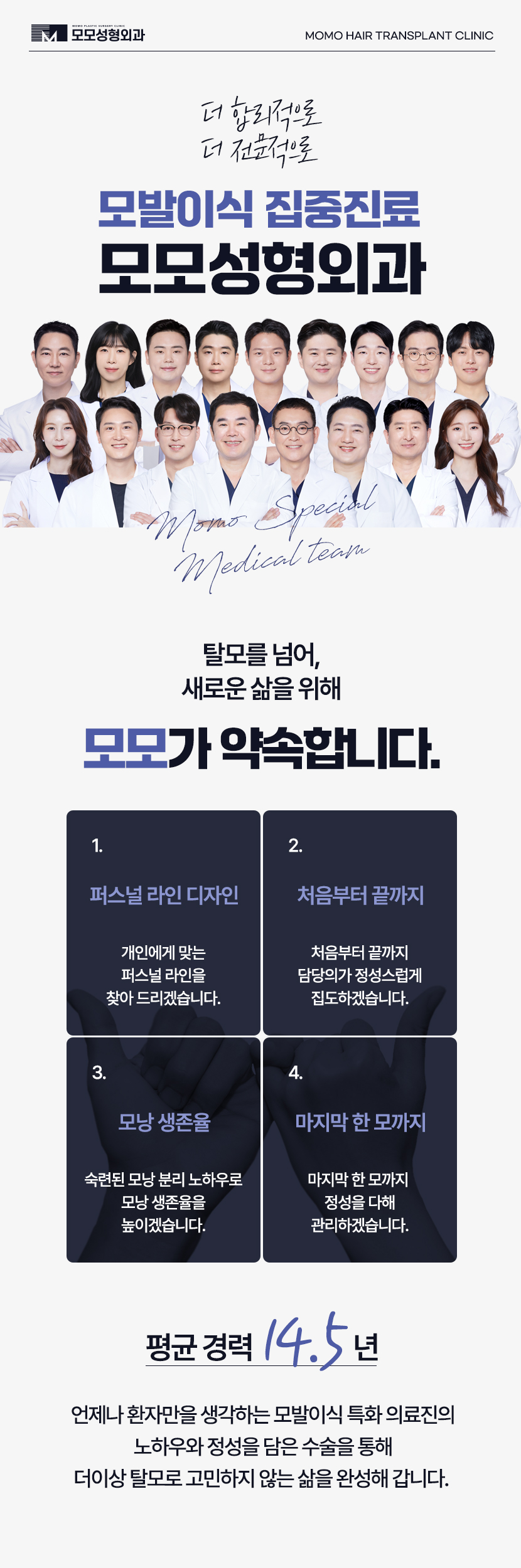
It is also advisable to check whether the doctor
directly examines and manages the process from
the first consultation through the completion of the
procedure, as well as the subsequent graft take
period and each stage of follow-up.
If your hair, which once boasted good health,
including sideburn hair loss, is gradually becoming
thinner and sparser and is even creating a hollow
appearance, then rather than passively assuming
that it will naturally improve, it is important to take
immediate action. By proceeding with a suitable
solution for the symptoms that are intensifying your
serious complex and stress, and by maintaining a
positive mindset, you can move in a better direction.