
Among the worries that are difficult to share even with close acquaintances
there is also the problem of hair loss,
where hair falls out and leaves behind
large and small areas of loss.
In the past, it was thought to be a condition
that only middle-aged and older men
experienced, but recently it has become
a social disease that can affect anyone,
regardless of gender or age.
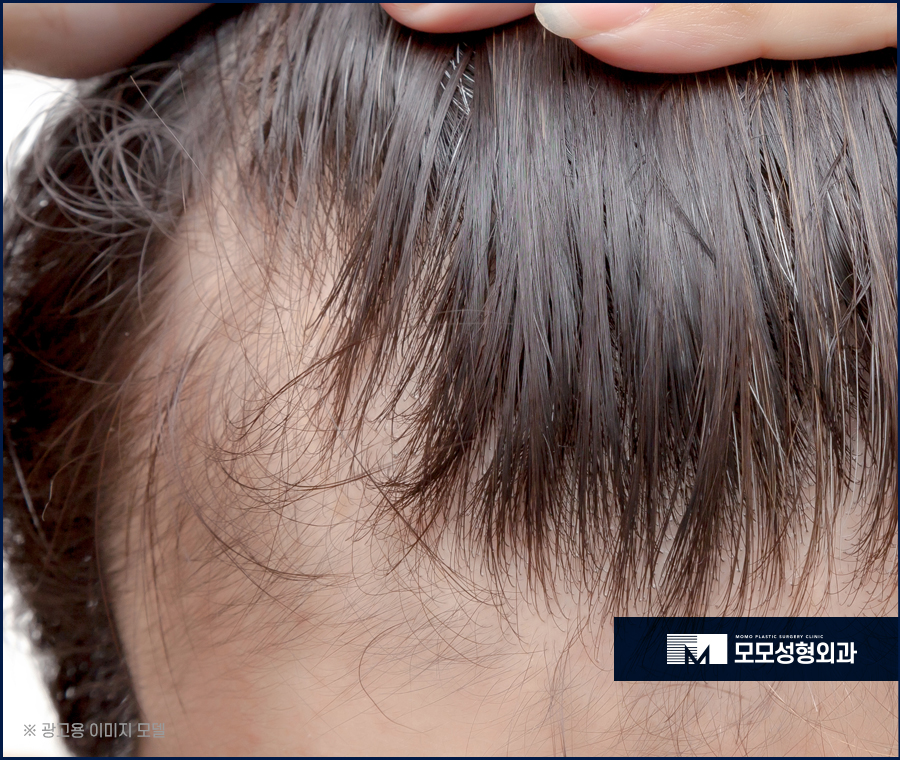
The causes of this condition are said to be
various. Representative reasons include
genetic factors due to family history,
hormonal changes, irregular lifestyle patterns
and eating habits that fail to maintain a
proper balance, various kinds of stress that
repeat in different situations and are not
a fully resolved, and hair procedures such
as dyeing and perming that people often try
for a new look. Due to such acquired or
environmental factors, hair that had once
been healthy may shed by about 100 strands
or more a day, and symptoms begin to appear
in earnest across the scalp.
If such symptoms appear, it is advisable to
visit a related clinic and examine your own
condition in detail, but most people who
experience hair loss try to improve it on
their own using a wide variety of methods.
They may repeatedly take or apply readily
available medications, nutritional supplements,
care products, functional shampoos, wigs and
hats, and dedicated makeup products, or make
efforts to somehow cover it up.

However, despite such efforts, it can be
difficult to see a clear improvement to the
degree one expects, and the appearance-related
stress and complexes caused by hair loss can
become even more severe. This may make it a
burden to maintain a positive social life and
relationships with others, and it can even
lead to a drop in confidence.
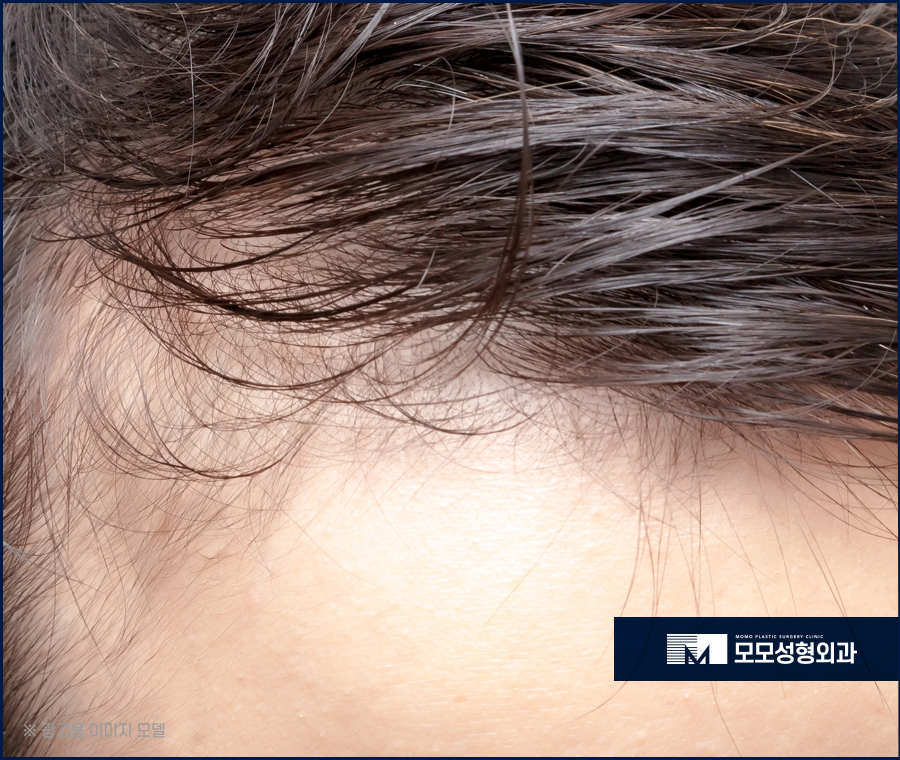
Many people who have felt countless worries,
indescribable pain, and a sense of loss about
hair loss eventually visit a clinic to ask
what kind of medical help they can receive,
and to consult about the type of solution and
the time it takes, such as one year after a
hair transplant, as well as what the results
will look like afterward.
That is because receiving this solution once
does not mean the concern is over, and it is
true that many people continue to worry even
after the procedure. Also, even while
watching the progress step by step, concerns
may arise about whether the density is too
low or whether the procedure failed, but to
confirm the final result, about one year after
a hair transplant is necessary.

And even after that time passes, you need to
know what points to keep in mind and pay
attention to in order to achieve a satisfying
outcome. First of all, at the stage of planning
this solution and preparing to proceed, it is
important to carefully diagnose the severity of
your symptoms and the characteristics of your
scalp and hair together with the doctor in
charge, and then choose the appropriate method
based on that.
It is also essential to carefully and delicately
construct a personal design that matches not
only the type of hair loss but also the surrounding
area, so that it does not feel artificial or
incongruous, but is natural and harmonized.
It is necessary to keep firmly in mind that this
is also an important part to consider.

The solution methods are broadly divided into
incisional and non-incisional types. Depending
on which procedure you underwent, there may
be slight differences in the recovery period,
but the engraftment period and care methods
for stable graft survival are mostly the same,
so it is advisable to understand and follow the
proper care method.
Among the one year after a hair transplant
period, the overall graft survival rate is largely
determined by how care is provided during the
initial engraftment period. Therefore, for about
two weeks immediately after the procedure,
during this important engraftment period, you
must be especially careful not to apply unnecessary
stimulation such as external impact, itching in
the transplanted area, or scratching or rubbing
because of flaking or discomfort.
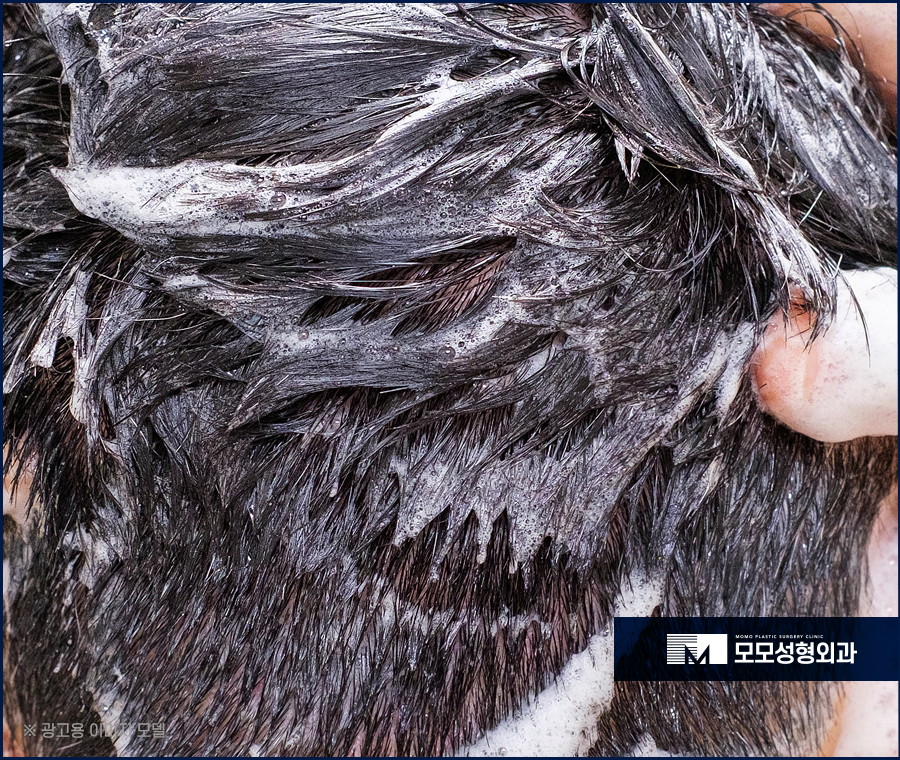
Also, when washing your hair to maintain
cleanliness, the same applies. In this case, it is
best to soak the hair thoroughly in water first,
avoid using your nails, make foam in the palm
of your hand, apply it to the area and let it soak
in, then wash gently with your fingertips using
the proper shampooing method. During this
period, nicotine, tar, alcohol, and other substances
can interfere with smooth blood circulation and
stimulate blood vessels, causing strong constriction
and relaxation, which prevents sufficient nutrients
from reaching the hair follicles. Therefore, it is
advisable to avoid drinking and smoking, as this
is the path toward a good graft survival rate.
Also, as you enter the middle stage of the one
year after a hair transplant period, a special
reaction may appear. During this time, a dark
period may begin. A dark period refers to the
phenomenon in which the transplanted hair falls
out and may return to the appearance before the
procedure. Because of this, people who have
undergone the procedure may feel anxiety and
doubt about the result, but this is considered a
type of telogen effluvium, and as time passes,
healthy hair begins to grow again in the transplanted
area, so there is no need to worry too much.

Then, after about 3 to 6 months following the
procedure, as you enter one year after a hair
transplant, the hair grows further and the outline
of the results begins to take shape, allowing you
to move one step closer to the hairstyle you had
hoped for. Therefore, during this period, it is
important to make sincere efforts to maintain a
stable graft survival rate by actively using your
own efforts and the follow-up care system provided
by the clinic.
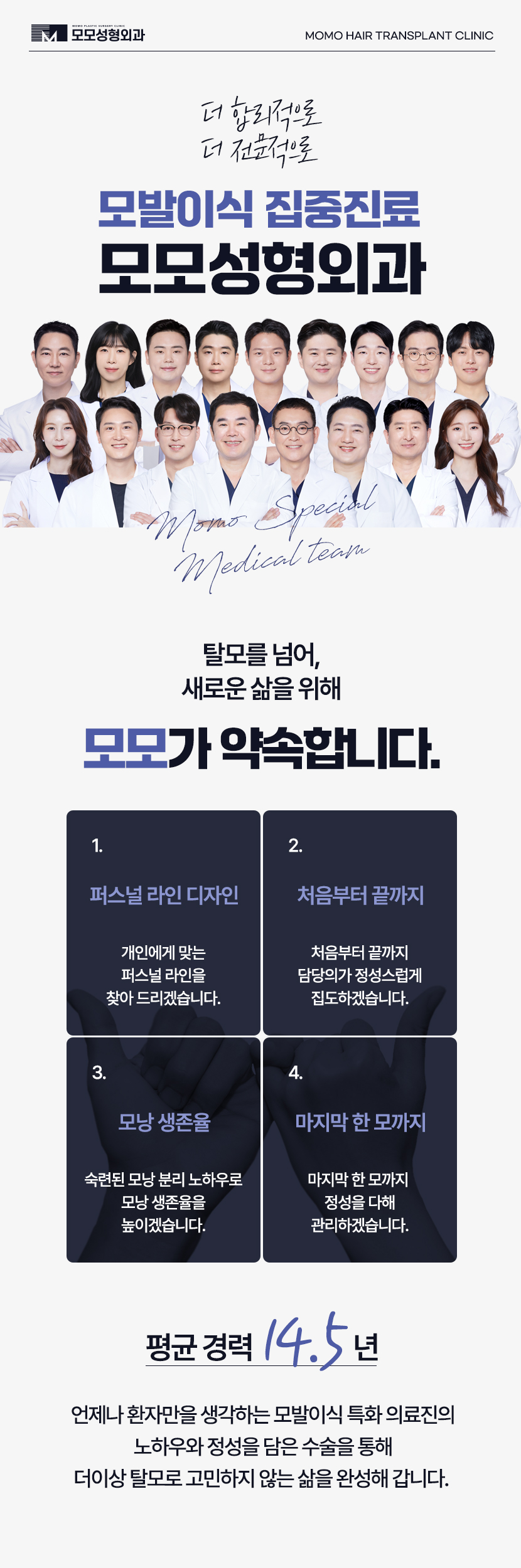
In addition, when you are considering this procedure
and are about to decide whether to proceed, it is
important to carefully determine whether the doctor
in charge has abundant experience and cases, high
knowledge and understanding, a sense of design
that can satisfy aesthetic elements, and excellent
skills and know-how. It is also important to check
whether they personally oversee the overall process
and carefully monitor follow-up care and each stage
of the engraftment process. This can be said to be an
important standard for ensuring that, one year after
a hair transplant, the outcome moves in a satisfying
direction.