One day, suddenly, a place you had only ever thought of as healthy
might start hurting, or unusual symptoms
might appear. From that moment on, you can be filled with confusion,
anxious feelings, and all kinds of worries.
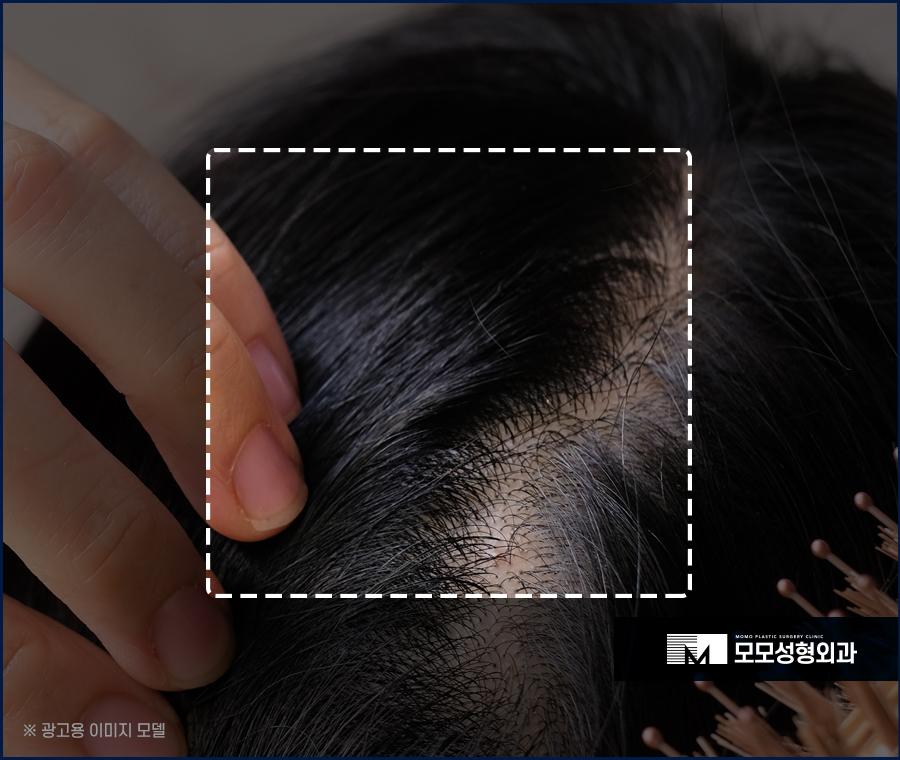
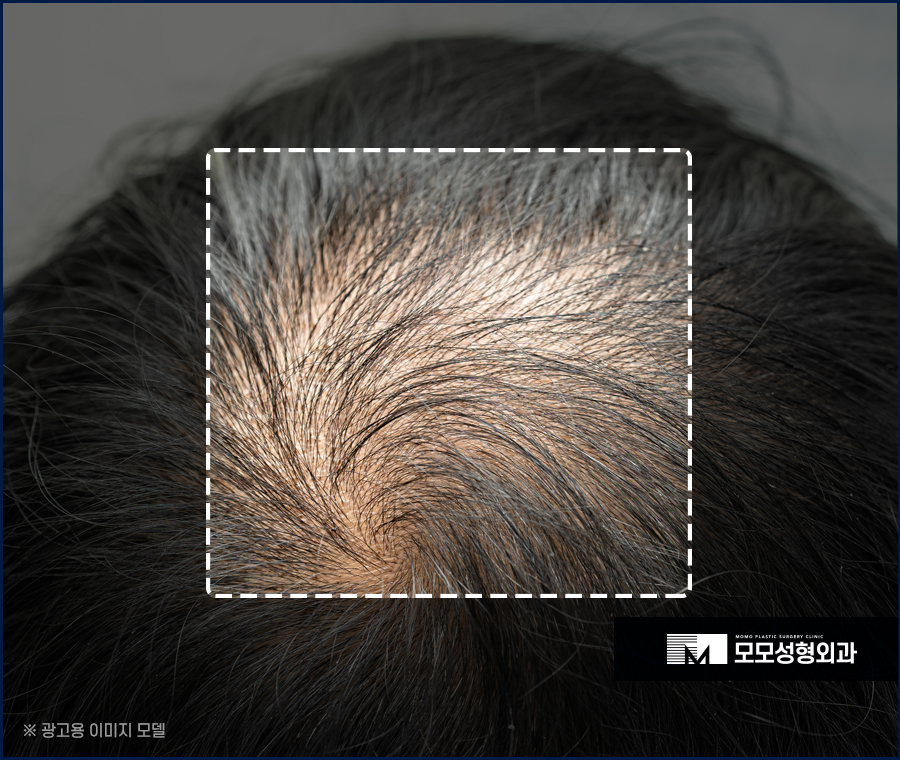
Among such symptoms, there is the hair loss disorder in which,
for various reasons, the hair gradually becomes thinner,
loses strength, and starts falling out in different areas,
even giving the appearance of sparseness.
This can arise from genetic factors due to family history,
as well as a variety of acquired and environmental factors in daily life,
leading to the symptoms mentioned above.
In the past, it was thought to be a problem only for middle-aged and older adults,
but recently, the proportion of people with hair loss in their 20s to 40s,
commonly referred to as the MZ generation, is also reportedly at a significant level.
Because of that, hair loss, which troubles and exhausts people of all ages regardless of gender,
is emerging as a social condition that can affect anyone at any time.
If these symptoms appear, it is advisable to visit a related clinic immediately,
consult in detail about your condition, severity, and the cause,
and then promptly try the appropriate response.
However, most people instead work hard to try improving it on their own.
They try countless methods such as easily available medicines,
nutritional supplements, functional shampoos, specialized makeup, and wigs,
making an effort to protect even a single strand or sometimes to conceal it.
But contrary to such intentions, when they keep seeing hair fall out relentlessly,
they inevitably experience a greater sense of loss and psychological stress,
such as lowered confidence.
In order to change this downward view of themselves caused by hair loss,
many eventually visit a clinic and ask about whether hair transplant requires shaving,
and about the type of solution.
In particular, as a hair loss improvement method for younger age groups who need to be active in society through work, duties,
and interpersonal relationships, transplanting healthy hair back into the problem area is attracting much attention.
Broadly, there are two directions: incision and non-incision.
Among them, many people want to avoid hair transplant shaving by proceeding with a no-cut approach,
which reduces the burden of having to make an incision and makes the procedure less noticeable from the outside.
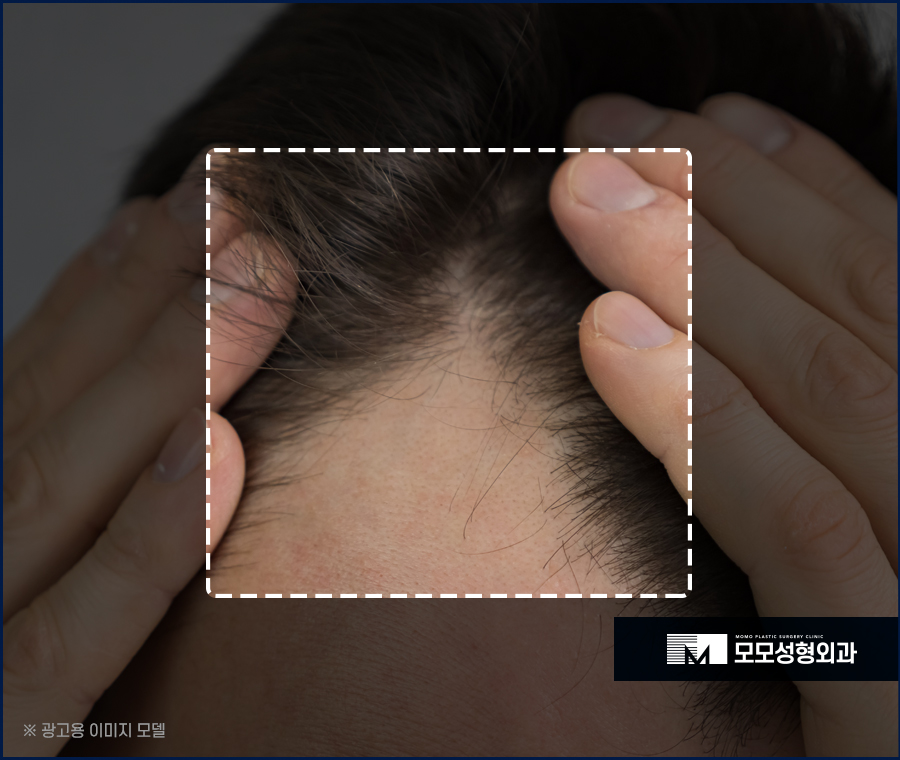
The non-incision method involves obtaining follicles without cutting from the occipital area, which has not been affected by hair loss,
and transplanting them into the area where hair has fallen out.
Because this places less burden on incision, it also reduces the burden from scars or marks,
and the recovery time is easier as well.
These days, many people prefer non-incision over incision.
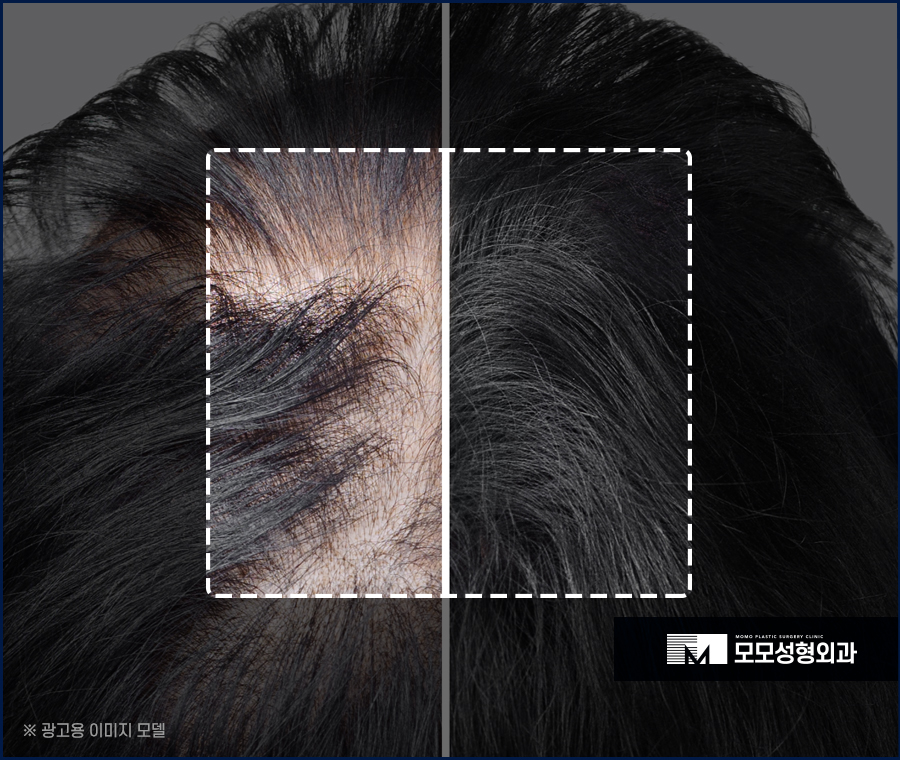
Also, since you can return to normal daily life immediately on the day the follicles are collected,
or one or two days after implantation,
young people who need to continue busy work and business activities can consider it as a way to improve symptoms.
However, even with this solution, there is one aspect that must inevitably be accepted:
some degree of hair transplant shaving is necessary in order to collect follicles.
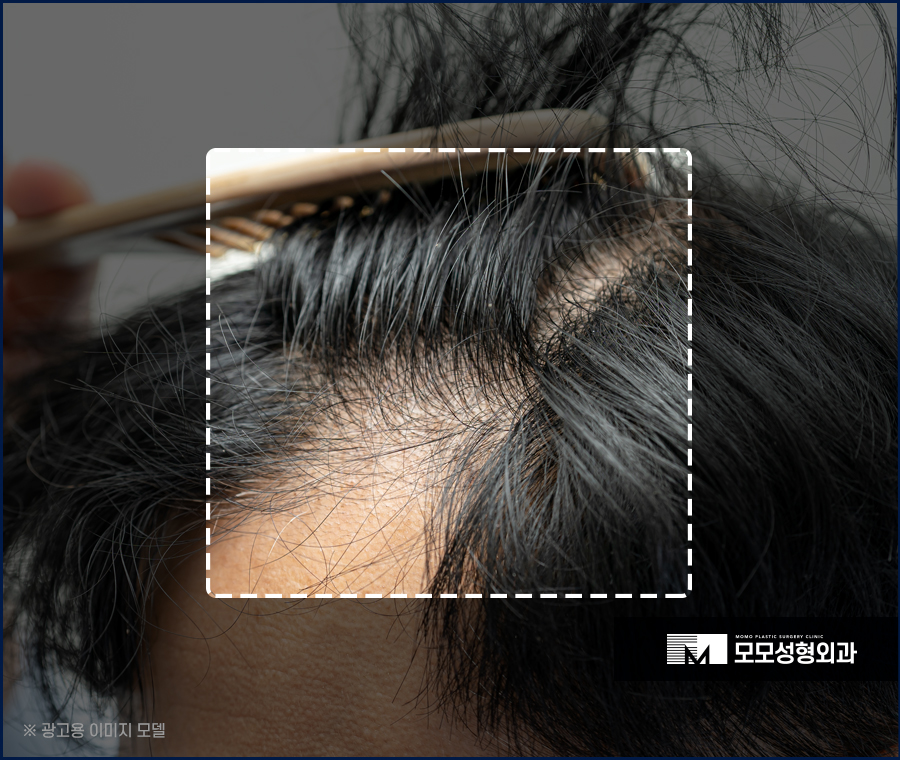
Although it can be hidden by leaving the back hair long,
for those who want a natural solution that does not show even in everyday life,
this too can feel like a major burden.
In addition, among people who decide to proceed with such a method,
it seems that quite a few ultimately give up because they dislike hair transplant shaving.
That is why no-cut, which does not require shaving for hair transplant,
can be said to be a good alternative for people with these concerns.
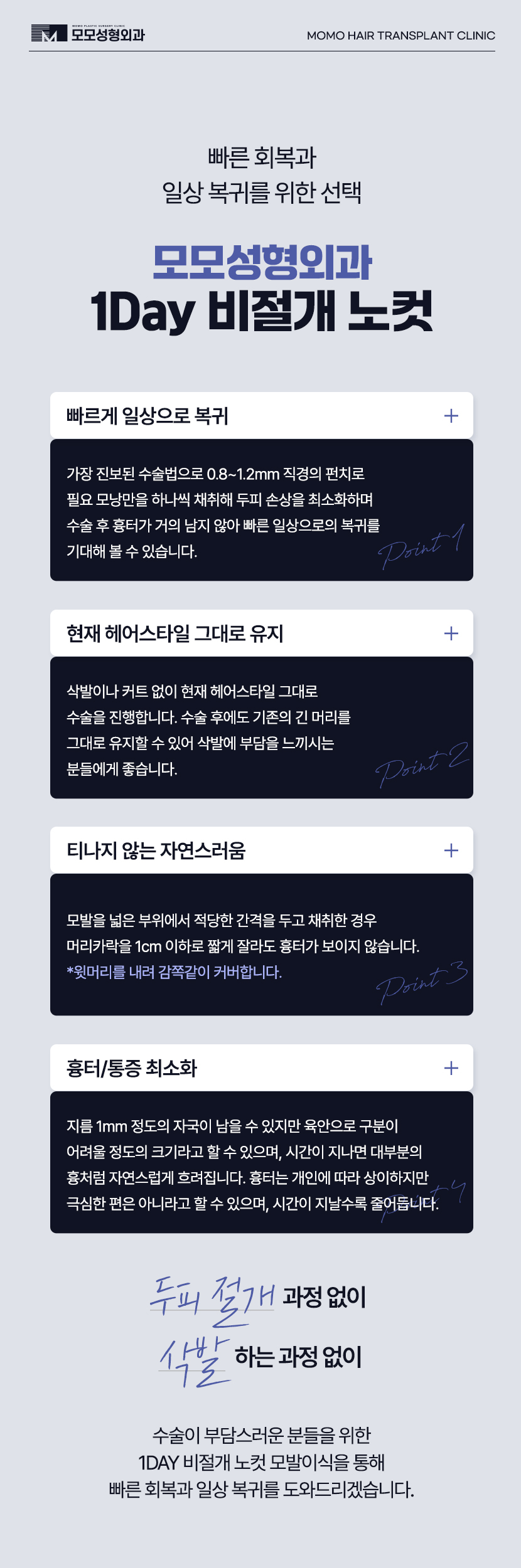
Along with the advantages of the non-incision method, it allows selective collection of the necessary follicles one by one
while maintaining long hairstyles without cutting the natural hair,
and because natural implantation into the hair loss area is possible,
after the procedure you can let your hair down and naturally cover it.
This makes it possible to expect an unadorned result so natural that no one would notice.
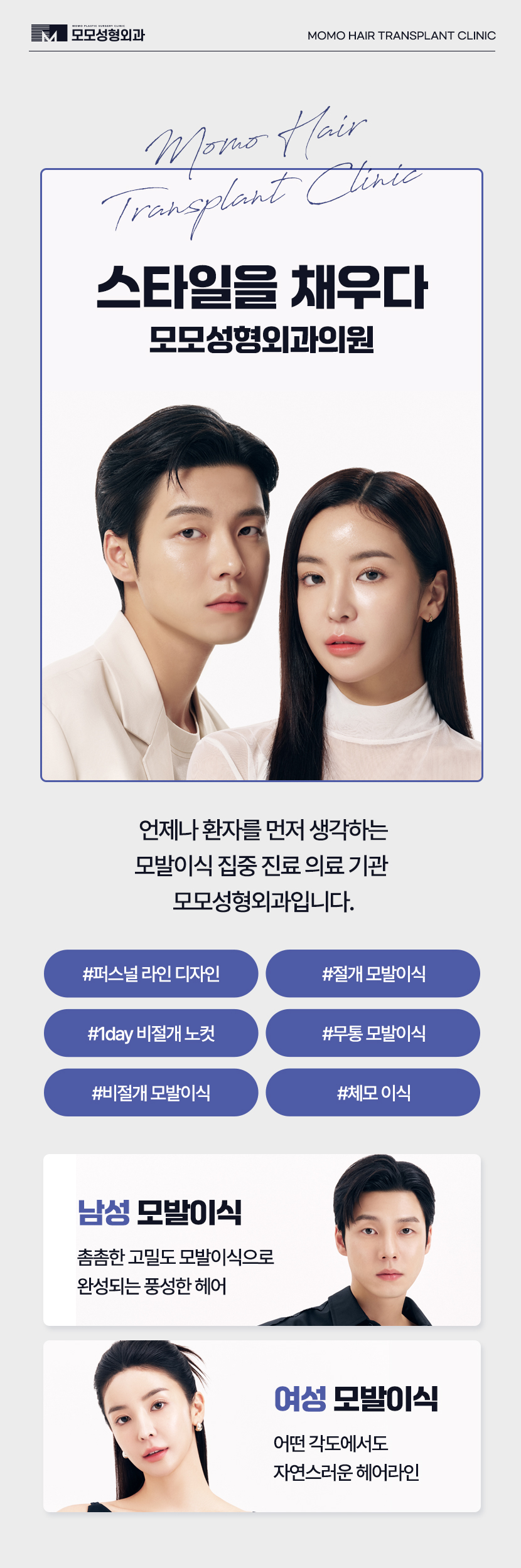
And in order for the no-cut effect to harmonize with the existing hair and remain satisfying over a long period,
the process of designing a personal design that focuses on a style suited to each individual and further enhances the natural feel is of utmost importance.
In addition to the original hairstyle, each person’s skull shape and face shape,
as well as the proportions and differences in the facial features,
the direction of the hair’s growth pattern, thickness, distribution, and angle,
and other unique characteristics, including invisible factors that can affect one’s image such as the overall length from the forehead line to the sideburns,
should all be carefully and meticulously examined.
It is advisable to move toward a solution determined after creating a personalized custom design.
Of course, aesthetic design is important,
but equally important is the graft survival rate.
Since the key issue in this solution is how stably the implanted follicles settle in place and grow normally,
ahead of the procedure it is essential to assess what system is being applied to preserve follicle survival and prevent damage.
Also, not only that, but after the procedure as well,
a system of care must clearly be provided that can further increase the graft survival rate
through the patient’s own effort and dedication, along with structured aftercare provided by the clinic.
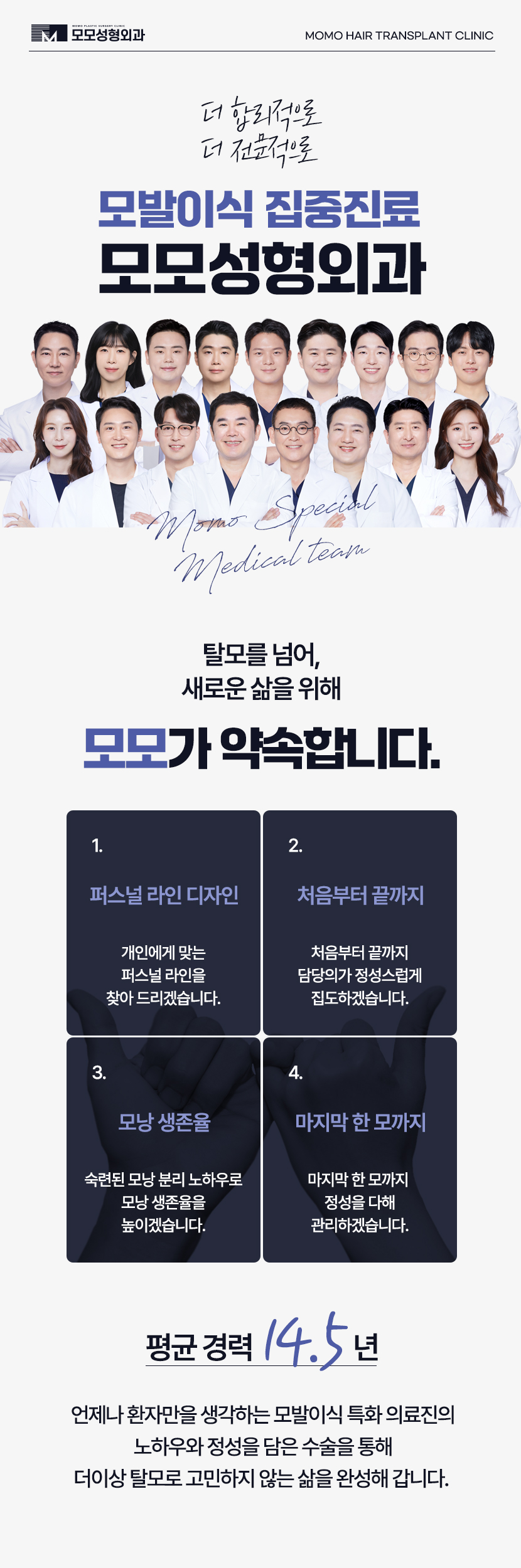
In addition, because it is natural to have countless worries and concerns before planning and carrying out such a solution,
rather than struggling alone, worrying, and then blindly trusting information from the internet that is not suitable for your symptoms or condition,
which can lead to poor choices and a wrong direction,
it is advisable to have a detailed consultation with a physician who has abundant experience and case history,
high levels of knowledge and understanding,
excellent design sense that can further enhance aesthetic elements,
as well as skilled technique and substantial know-how data.
By determining a design and a corresponding solution that suit you,
you can create an opportunity for change into a very natural appearance that does not deviate at all from the hairstyle you have hoped and dreamed of.