
Hair loss, a condition that commonly appears among modern people,
is visually unappealing and
also leaves a major flaw in one’s appearance. Therefore,
when early symptoms appear, it is necessary to take proper measures
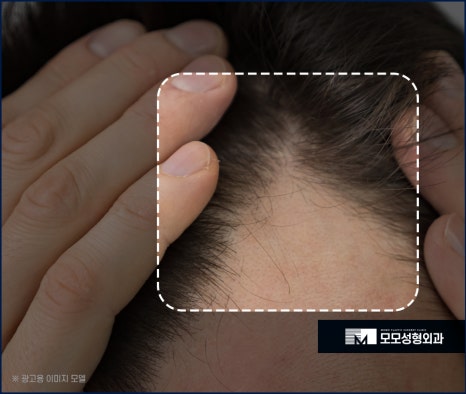
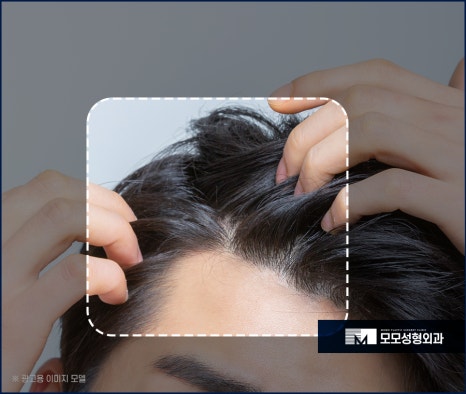
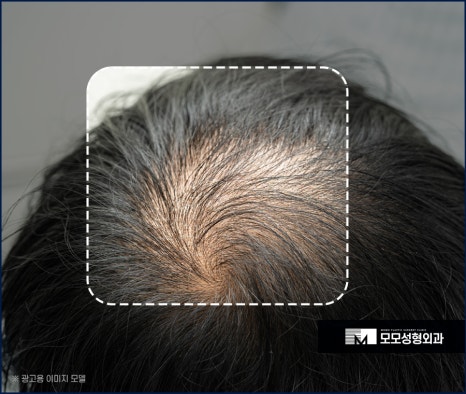
as soon as possible. These can be identified by a widening crown line,
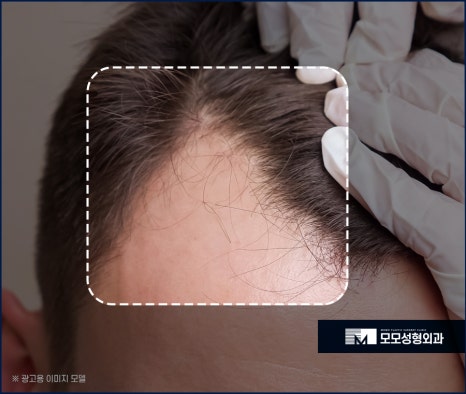
a receding hairline around the forehead that moves backward,
and thinning thickness of the natural hair.
In addition to large amounts of hair falling out,
hair loss can be suspected through various symptoms, so
the starting point differs from person to person.
Because the pattern and speed differ from person to person, it is
difficult to guess easily. Even when looking in the mirror, it is not easy
to become as alert as one might think, so many people only realize it
when they see the scalp clearly exposed.
However, if it has reached this level, it is likely already quite advanced,
so improvement may be difficult to expect through personal effort alone.
Even if you visit a related clinic and receive treatment, improvement
often is not quick.
After meeting an acquaintance after a long time and hearing about the current condition of natural hair, or suddenly noticing the empty areas, people realize how serious it is. But by then it is usually already too late, so you may need to consider getting help with hair transplantation at Sinsa Station.
There are folk remedies and self-care methods, but if hair loss has progressed to a serious level, surgical help may be needed to restore the area. After filling the areas where natural hair has fallen out with healthy hair follicles, waiting for them to grow naturally may be the only recovery method.
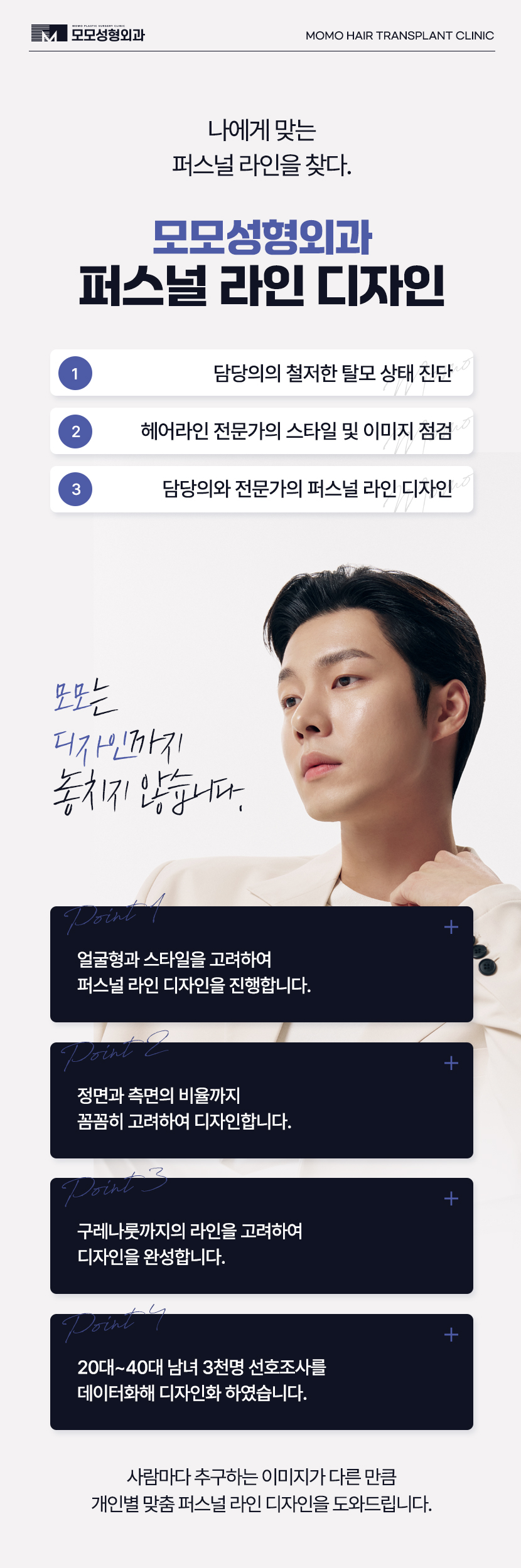
Because time is needed, you can also expect the design to be completed naturally. At this point, which personal line is applied is also very important.
The receded hairline is set to match the face shape, atmosphere, and head shape, and the hair transplantation at Sinsa Station is performed according to that design, resulting in a more harmonious and less artificial outcome. For a more delicate design, the skill of an experienced specialist also plays a decisive role.
Because detailed styling can affect satisfaction with the outcome, ability and skill are essential points to check in advance.
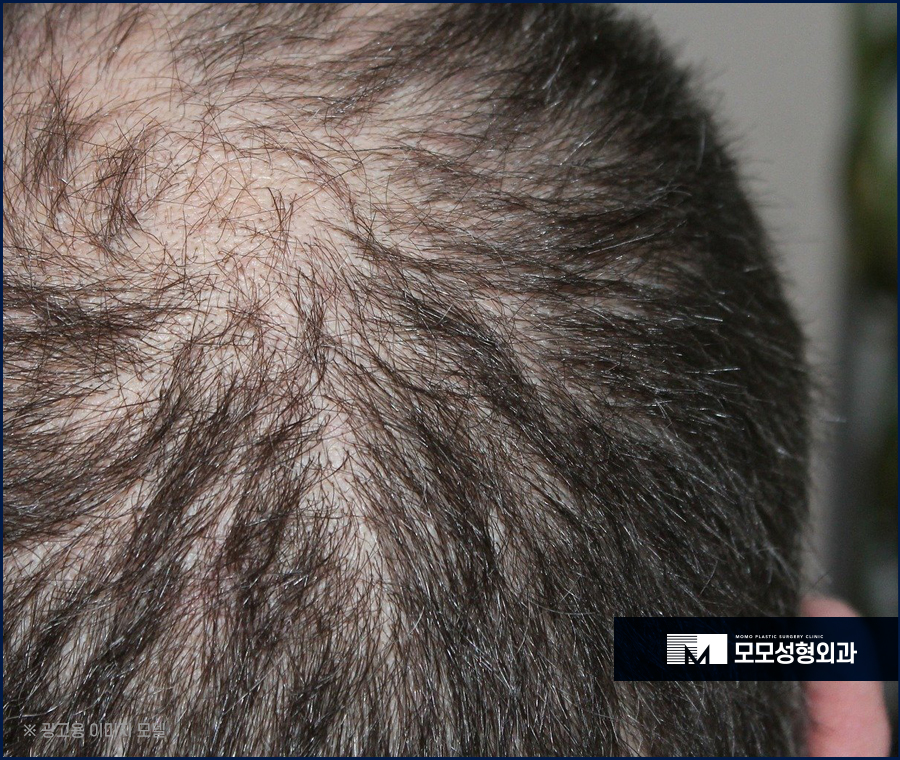
In addition, in order to help the transplanted follicles settle well and grow according to plan, the survival rate is key. At this point, reducing follicle damage is the point, so it is necessary to visit a related clinic that can perform stable procedures.
This is not a simple procedure, so the required cost and energy investment are significant, which makes it even more important to be careful. Otherwise, problems such as the carefully implanted hair becoming loose and falling out without strength may occur.
Therefore, it is important to deeply understand that strong fixation and robust growth in the transferred area are essential, and that this is a key requirement for a successful outcome.
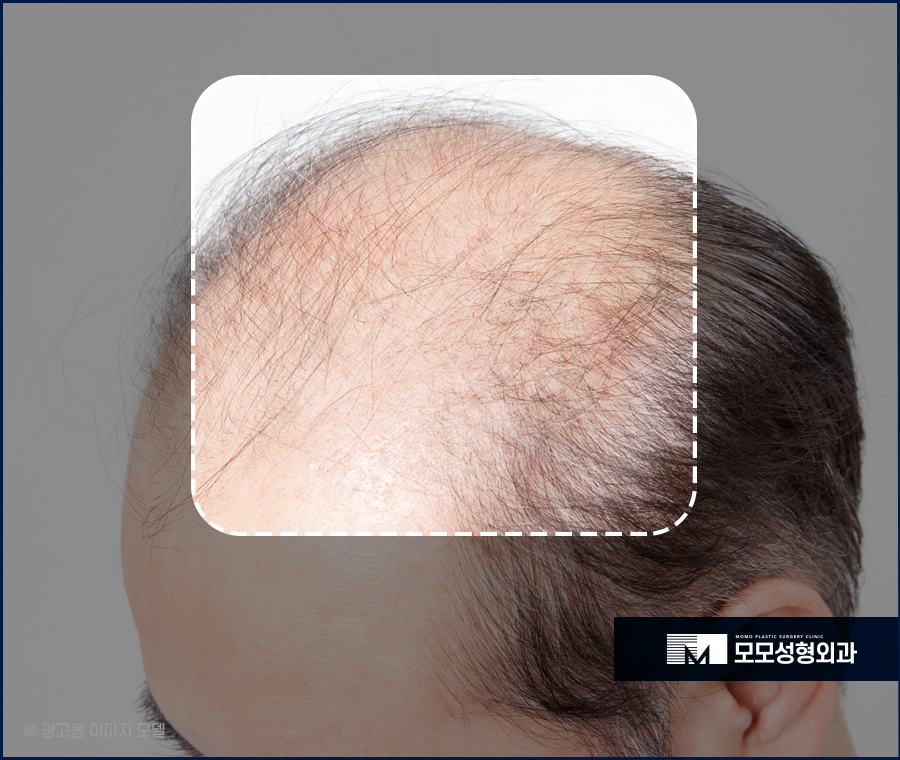
To do this, you must thoroughly check the related clinic in advance and carefully analyze your current condition. Only when your condition is clearly understood can a treatment plan be established accordingly and directly lead to results.
The more insufficient the preparation and the simpler the analysis, the more the details of the outcome will inevitably decline. Only then can problematic hair loss be accurately restored and the matching design also succeed.

The methods are broadly divided into non-incisional and incisional procedures. They may also be distinguished by hair amount, extent, and scalp condition, but most people prefer non-incisional procedures because recovery is faster.
This is because the process involves collecting and transplanting follicles one by one, which reduces concern about pain and allows a quicker return to daily life. If an incision is made and suturing is performed, the scalp is stimulated much more, so pain is naturally involved, and the recovery period can be relatively slower.

However, non-incisional procedures are naturally preferred because concerns about pain and scarring are lower. While consulting with an experienced specialist, it is best to carefully review and decide which procedure to choose. You only need to keep in mind that the outcome can also be excellent.

In addition, because the survival rate is very important for the outcome, checking the processes and systems that can raise it is essential, and please be sure to confirm that thorough aftercare is also necessary later.