
As we go through life, in settings such as school, work,
social activities, and interpersonal relationships, we continually
worry about what kind of appearance and image
we present to others as ourselves. To make those elements
even more polished and to pay closer attention to them, we
tend to take care of many different aspects and manage our overall appearance,
which can be seen by others.
We try countless efforts to improve how we look in a positive way,
such as balancing face shape, contours, or facial features,
following trendy makeup tutorials,
or referring to the fashion styles of stars and
influencers who attract many people’s attention and applying them to ourselves.
It is also said that the image, impression, and atmosphere a person gives off
can vary greatly depending on what kind of hairstyle they have created.
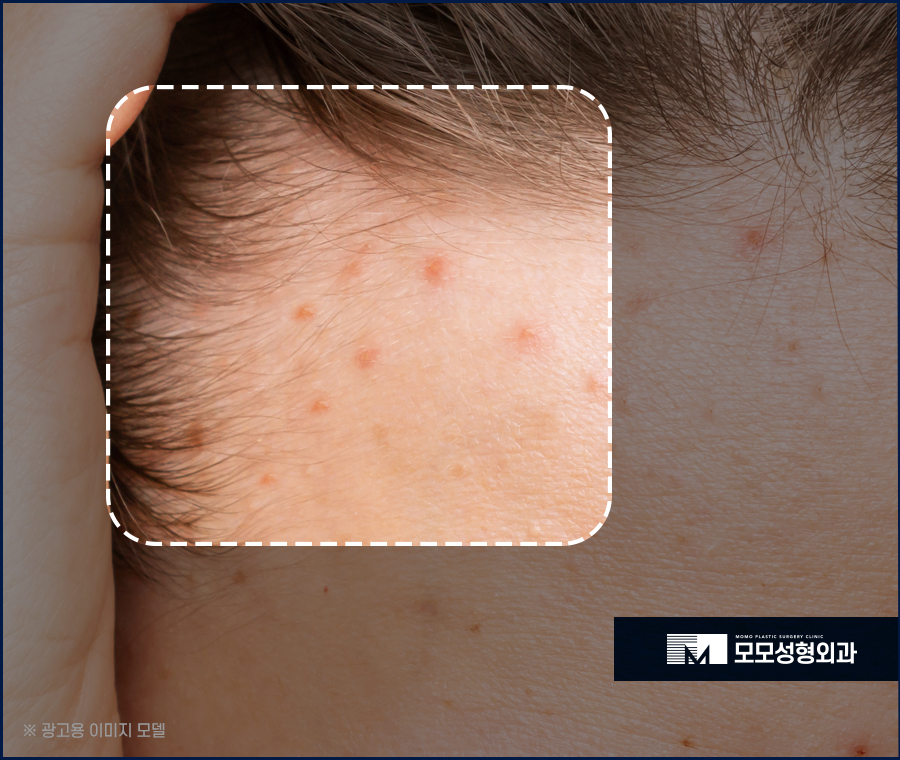
If you create a design that harmonizes well with your head shape, face shape, and overall features,
your charm can increase even more.
On the other hand, if unexpected small or large skin issues such as hairline pimples occur,
that area may stand out especially much, making it difficult to maintain a refined
and neat style. Not only that, but if you dismiss it as a minor symptom,
the condition may worsen and lead to a serious situation.
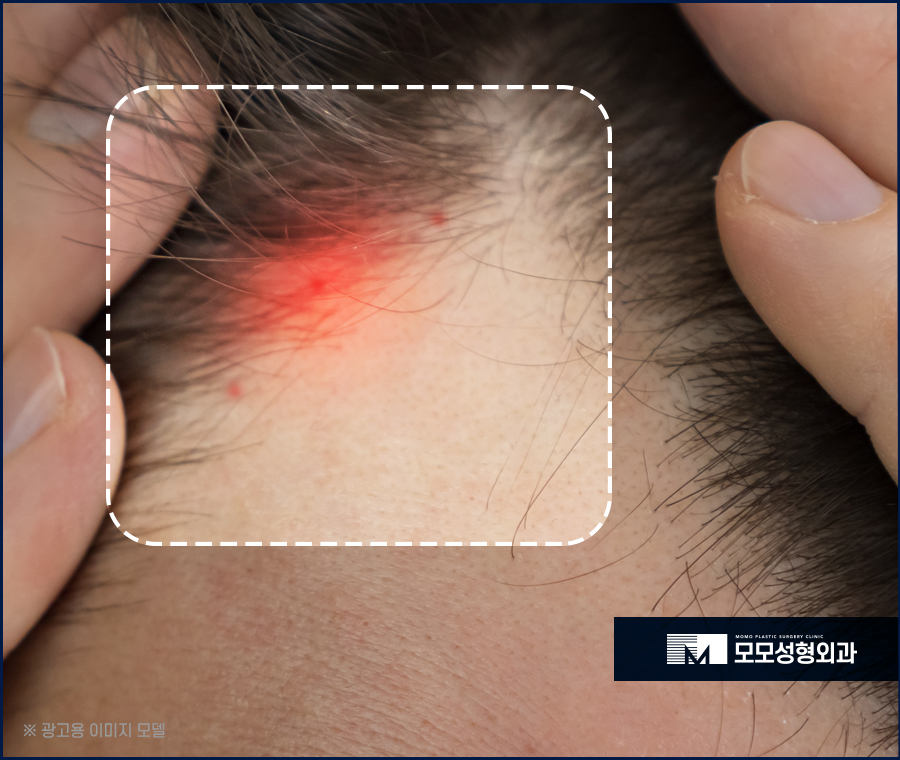
They appear where the forehead and scalp are adjacent, or around the ears.
The most commonly known sign is a small, bumpy, millet-seed-like form,
and in some cases it can develop into an inflammatory, pus-filled condition.
What causes hairline pimples like these?
First of all, the forehead where this area is located is the so-called T-zone,
where a large amount of sebum is secreted. That is why trouble often occurs there,
and especially oily skin, which has more oil than other skin types,
is more likely to develop hairline pimples because the boundary between the forehead and hair,
as well as the scalp, are also affected by sebaceous glands.
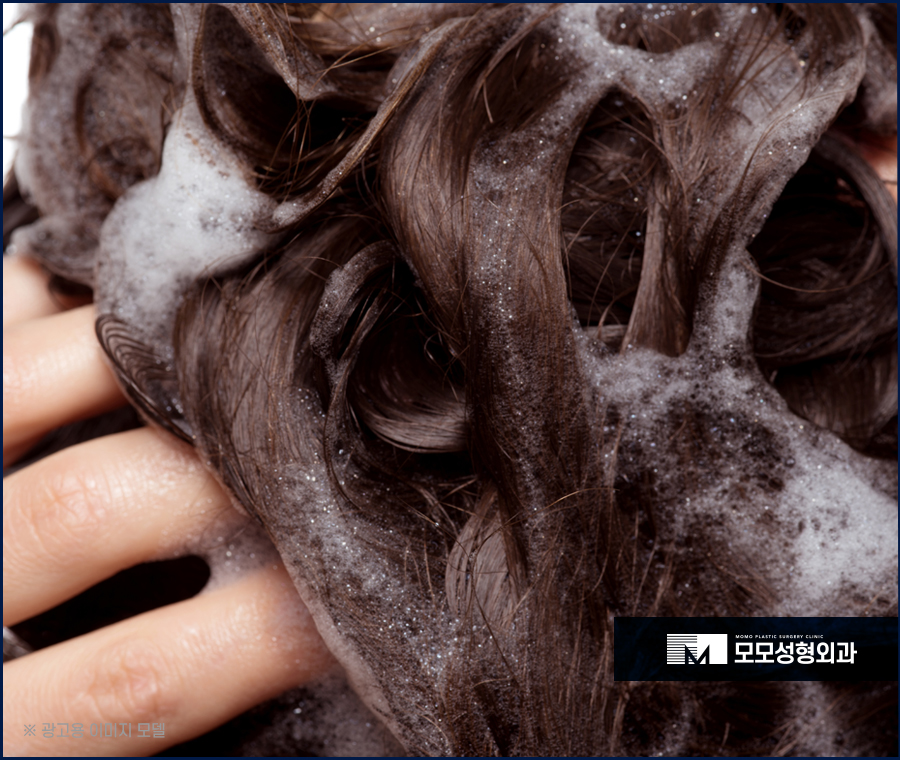
Also, if you do not rinse away the residue of cleansers, shampoos, conditioners, and similar products
used when washing your hair or face, the residue can remain around the area and accumulate over the pores,
creating an environment where sebum and dead skin cells mix and trigger skin trouble.
Therefore, when doing these things, it is important to develop the habit of washing thoroughly and cleanly so that no residue remains,
by splashing water into the inner areas with your hands or gently rubbing.
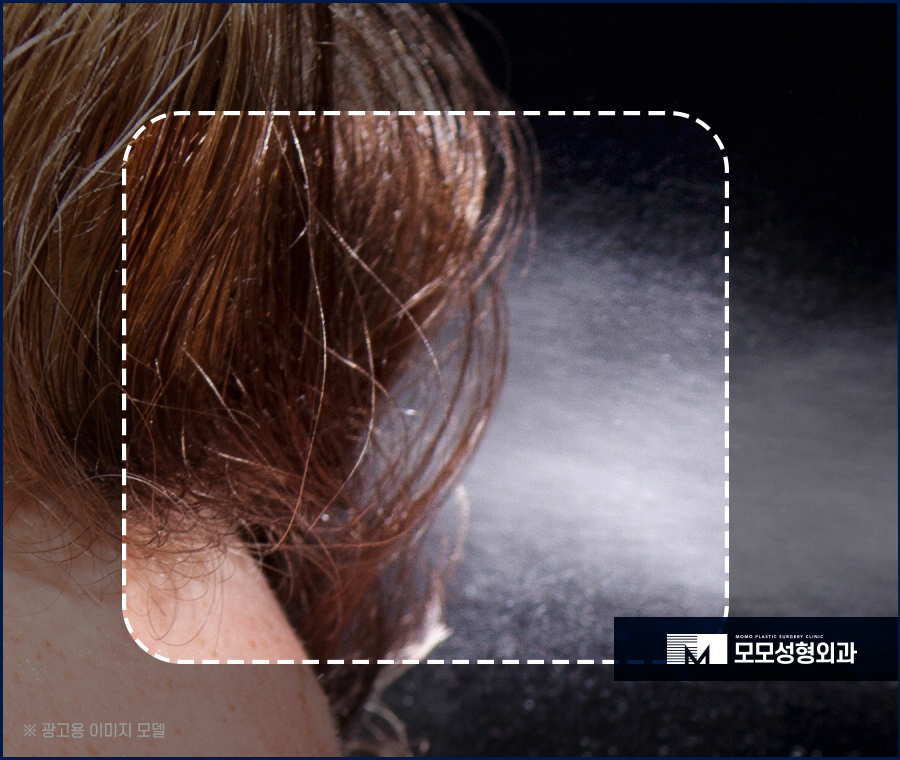
It is also said that this kind of trouble can arise from hair products used for styling.
In particular, if you frequently use perm- or dye-related products that can cause severe damage to your hair,
your scalp receives stronger irritation, which can lead to hairline pimples.
Also, when the scalp is exposed directly to strong heat in weather with intense ultraviolet rays,
the amount of sweat and sebum secreted increases, and this symptom may occur.
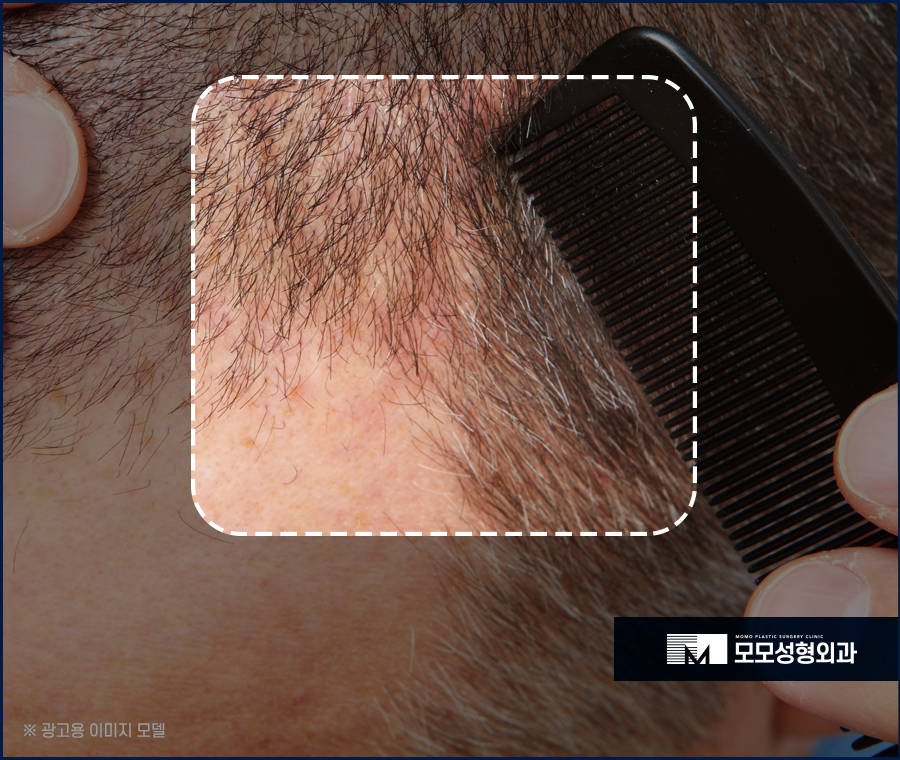
There are also people who try waxing or hair removal to create a cleaner, neater image,
but in such cases, irritation can be caused to the hair follicles and sebaceous glands,
so if you do not provide soothing care after the procedure, completely unexpected skin trouble may appear.
One way to manage hairline pimples more carefully in daily life,
which can develop from careless actions and bad habits, is not to try to remove them with your hands.
If you touch or pick at them with unclean hands, unwanted scars or pigmentation may become significant later,
so it is advisable to minimize irritation as much as possible.
If the area keeps bothering you, visiting a related clinic to have it extracted and receive appropriate aftercare may be a better option.
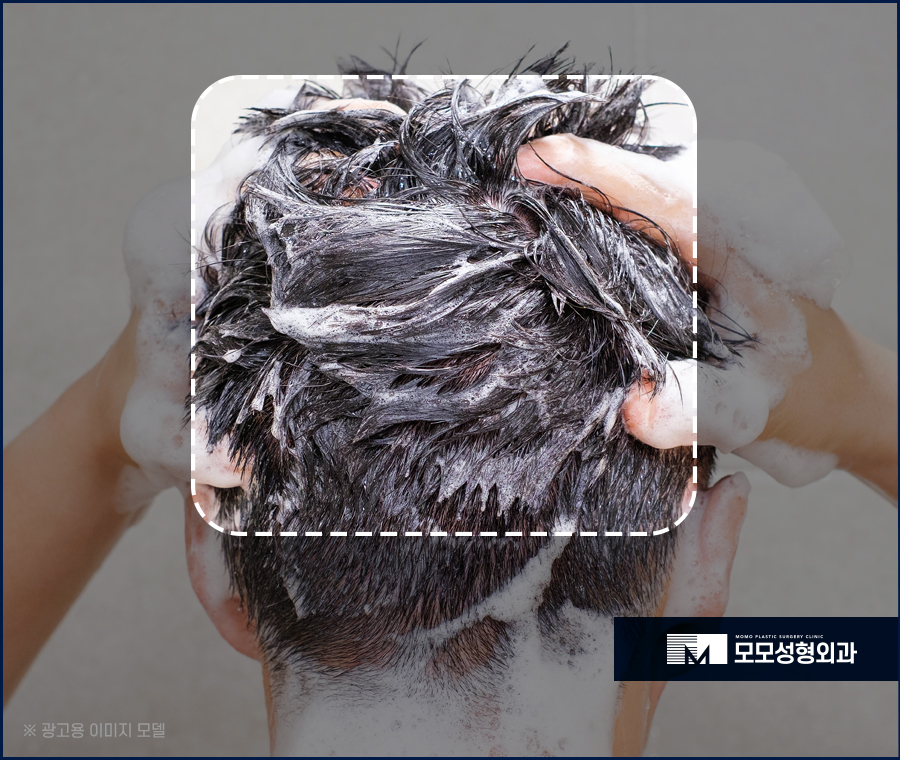
Also, if symptoms are present, it is good to reduce the use of styling products,
but if you absolutely must use them, be careful not to let them touch the scalp or skin.
When using spray products, do so while sufficiently covering the forehead, the boundary between the forehead and hair, and the scalp.
When using products like oil or wax, it is better to keep them from directly touching the scalp,
and when washing your hair or face, the process of rinsing repeatedly and cleaning thoroughly so that no residue from these products remains is important.
When cleansing as well, if you do not wash off the cleanser properly, trouble can occur,
and if you have bangs, you may miss cleaning that area more easily.
Therefore, when cleansing, it is good to use a headband or band to lift and secure the hair, then clean carefully and thoroughly in every corner.
In addition, it is important to avoid shampoos with ingredients that irritate the skin.
Amino acid–based ingredients are mildly acidic like the skin, so they are easy to use without damaging the scalp.
And when washing your hair, instead of scratching with your nails, it is better to use the fingerprint skin on your fingers to massage gently and wash away impurities cleanly.
Also, when using conditioner and treatment products, apply them only to the hair and not to the scalp, and since these products can worsen symptoms if residue remains for a long time, the habit of rinsing thoroughly several times is important.

And if you leave the symptom mentioned earlier untreated instead of actively trying to improve it, it can develop into inflammation.
Such a sore may become red and at the same time weaken the strength of the hair roots, leading to hair loss in some cases, so if symptoms are observed at an early stage, careful management is necessary.