After a winter that had us freezing from the strong cold wave and frigid weather,
we are now taking a step toward the warm spring, and these days, as temperatures
continue to rise, fine dust has been persisting day after day. Fine dust, which has
increased in the atmosphere due to environmental pollution, penetrates the body
through the respiratory system and can cause inflammation in various organs and,
depending on the situation, may even lead to diseases such as lung cancer. It can
also stick to the surface of the skin and clog pores.
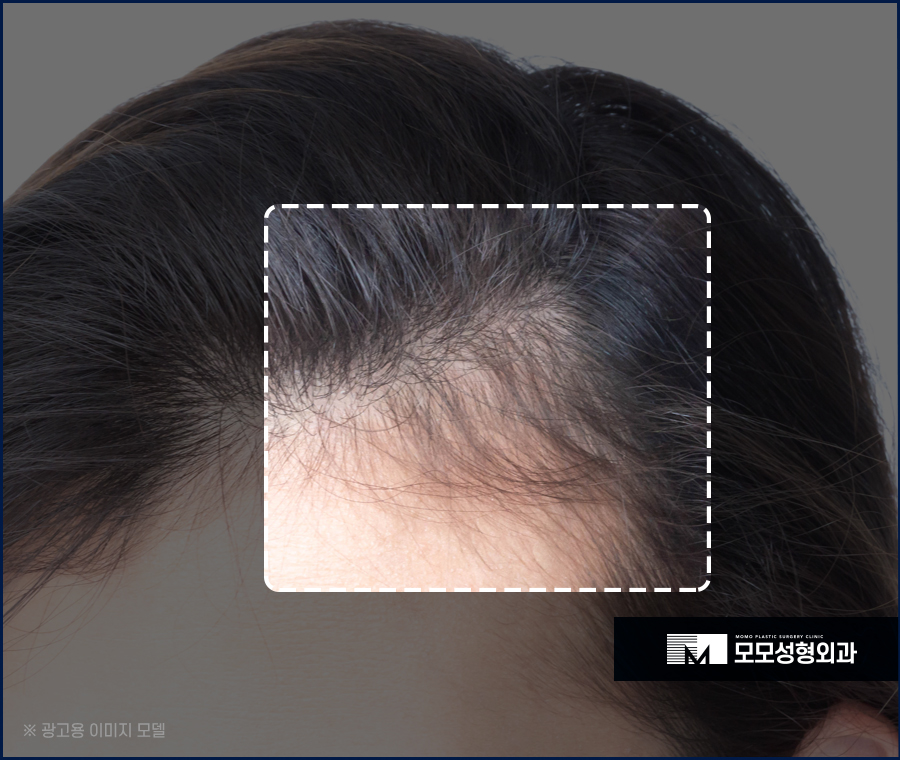
It can also block the pores on the scalp and prevent proper blood circulation and
sebum production on the scalp. Sebum that is not discharged normally remains
and pools around the pores, sometimes leading to seborrheic dermatitis later on.
This can cause itching, dandruff, and dead skin cells, and in severe cases, if
inflammation and oozing spread to the hair roots, the roots of the hair can be
damaged, eventually reaching a stage where natural hair no longer grows.
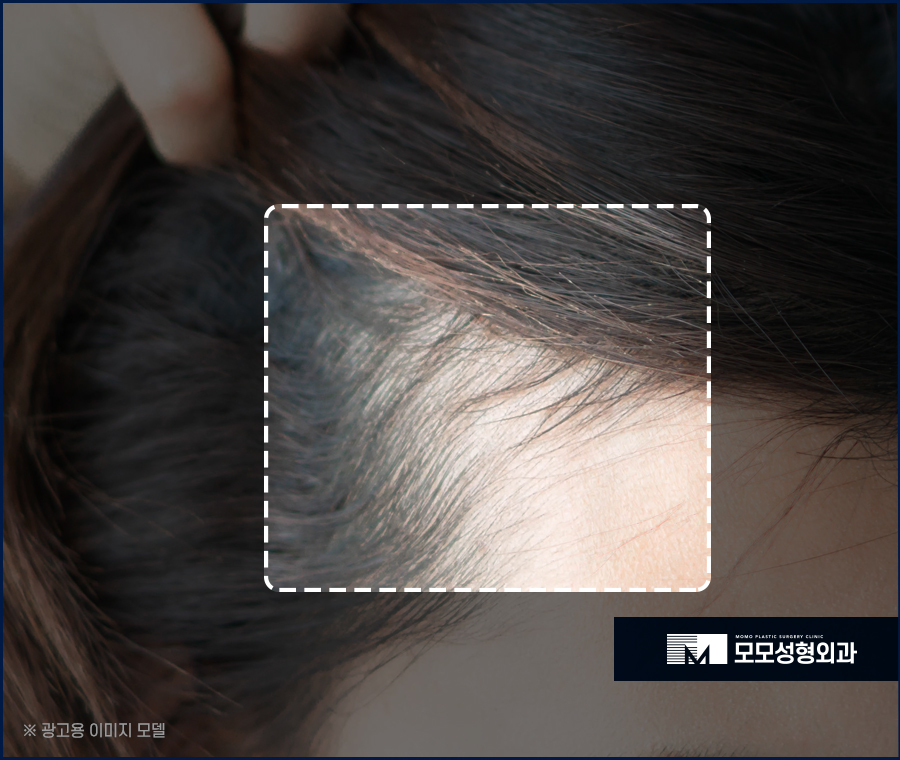
Recently, it is said that more people are suffering hair loss and experiencing
significant emotional distress due to various acquired causes, such as the fine dust
mentioned above. There used to be a view that hair loss, the condition in which
hair falls out and is lost, occurred only in cases with hereditary factors and a family
history. However, it is said that severe stress arising in various situations, irregular
lifestyle patterns and eating habits due to a busy daily routine, hormonal changes,
and the changing of seasons all affect hair loss.
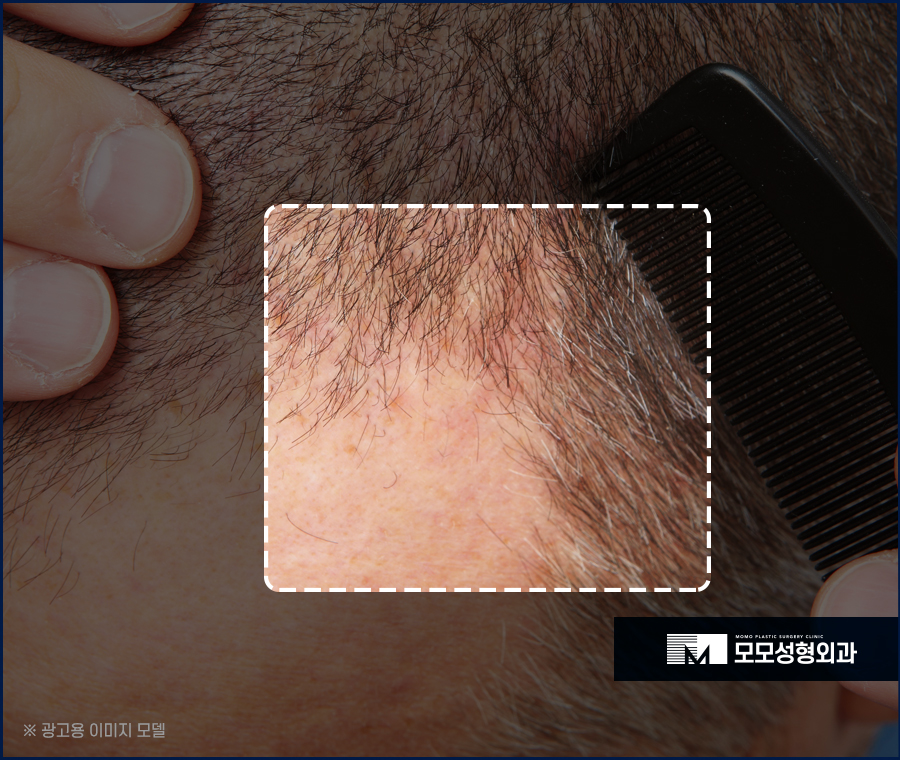
If, for these various reasons, the loss of natural hair appears especially as a deeply
receding shape around the forehead and both sides of the hairline, which are the
center of the face, it can lead to discomfort and difficulty in caring for and
maintaining one’s appearance, regardless of age or gender, as well as negative
emotional changes and reduced self-confidence.
That is not all; in social life such as an active workplace, work duties, and personal
relationships, one may become more passive than before, which can act as a
disadvantage. If you are experiencing these symptoms and situations, it would be
natural to visit a clinic immediately and undergo an overall diagnosis of your hair
loss. However, most people do not take that route and instead try every possible
direct method they can.
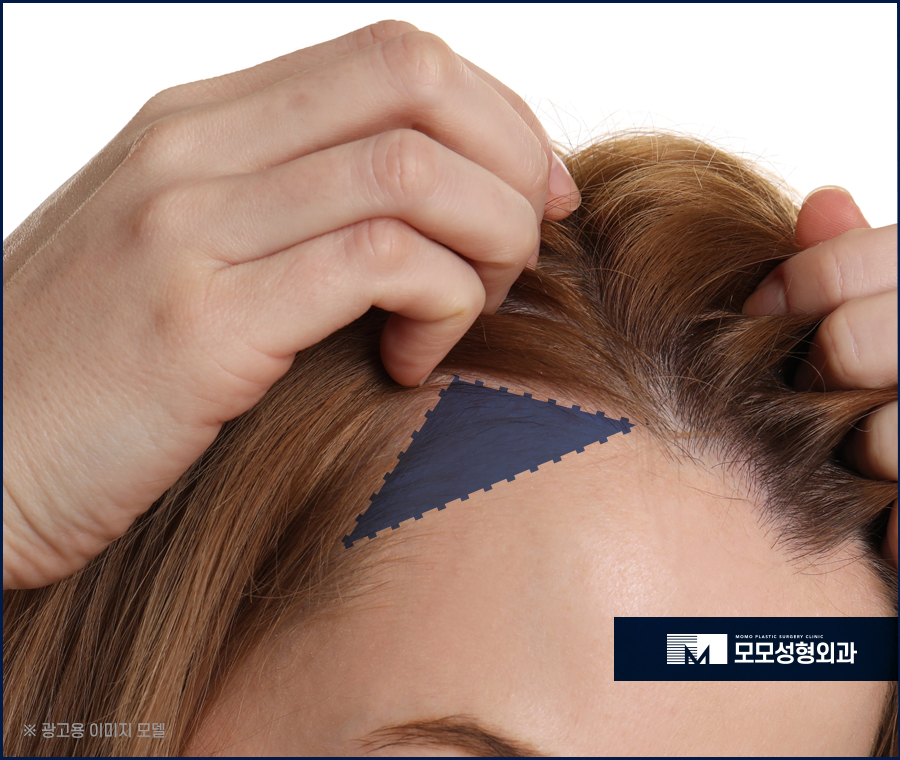
They try every alternative they can, such as functional shampoos, medications,
supplements, specialized makeup products, and hats, but rather than the changes
they expected and hoped for, they usually only get minor, temporary effects and
not a truly satisfying solution.
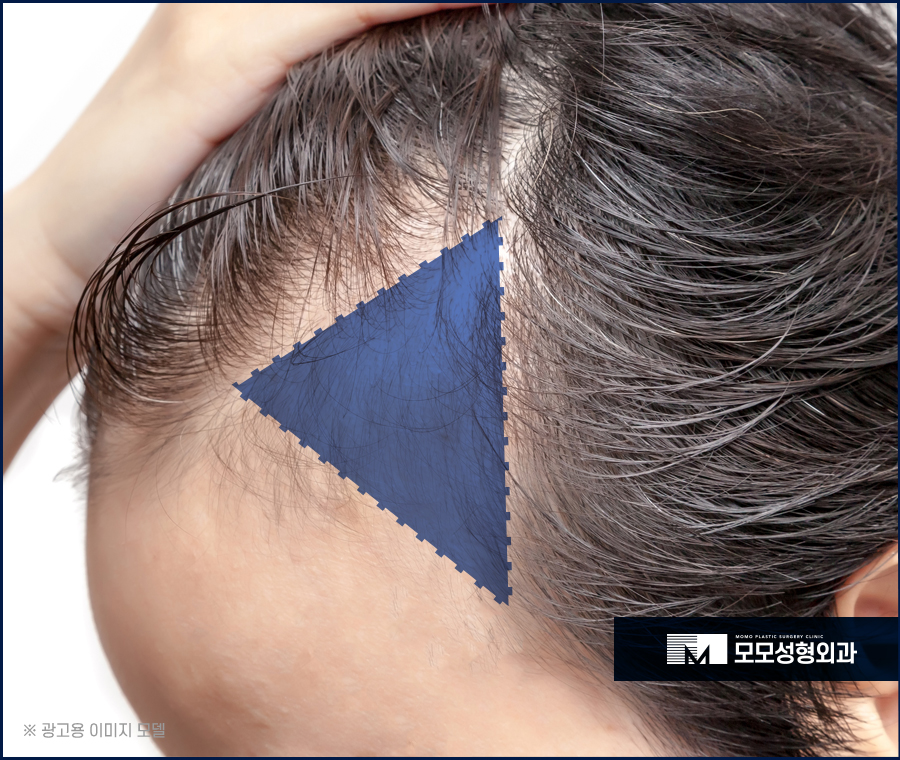
That is why people who have gone through these large and small trial-and-error
experiences often visit a clinic, consult in detail about the cost of M-shaped hair
transplants and the type of solution, and work to find the method that suits them
best. There are various options for treating hair loss along the forehead line, such
as medication and injections, but more than anything, it is important to first
undergo an accurate and detailed consultation and examination based on each
individual’s condition and degree of hair loss, identify the cause and symptoms,
and then choose and proceed with the appropriate solution. Cost is also one of the
factors in making a choice, but what should be considered first is diagnosing how
severe one’s current condition is.
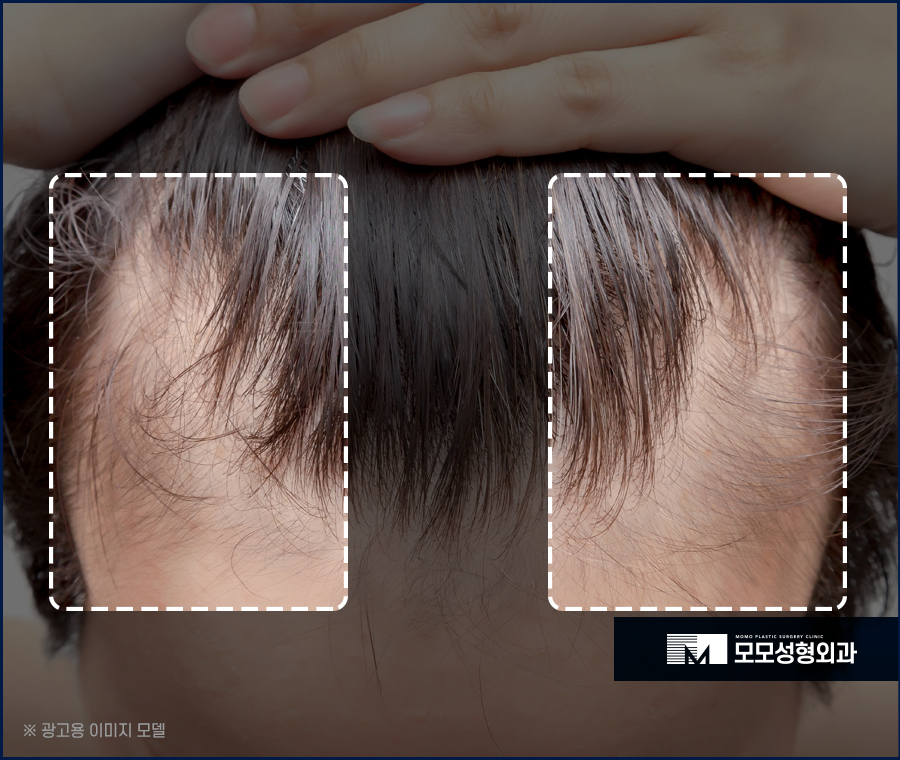
If hair loss patients visit a clinic early and receive appropriate treatment, some
effect can be expected. However, since there is currently no near-cure that can
restore the scalp to its pre-hair-loss state, if the outward appearance is causing
significant or minor stress and complexes, it is advisable to check the cost of an
M-shaped hair transplant. If necessary, prescriptions may help slow down the rate
of hair loss, but this only serves to prevent symptoms from worsening; for areas
that have already become white and visibly sparse in places, it is advisable to
proceed with a direct solution.
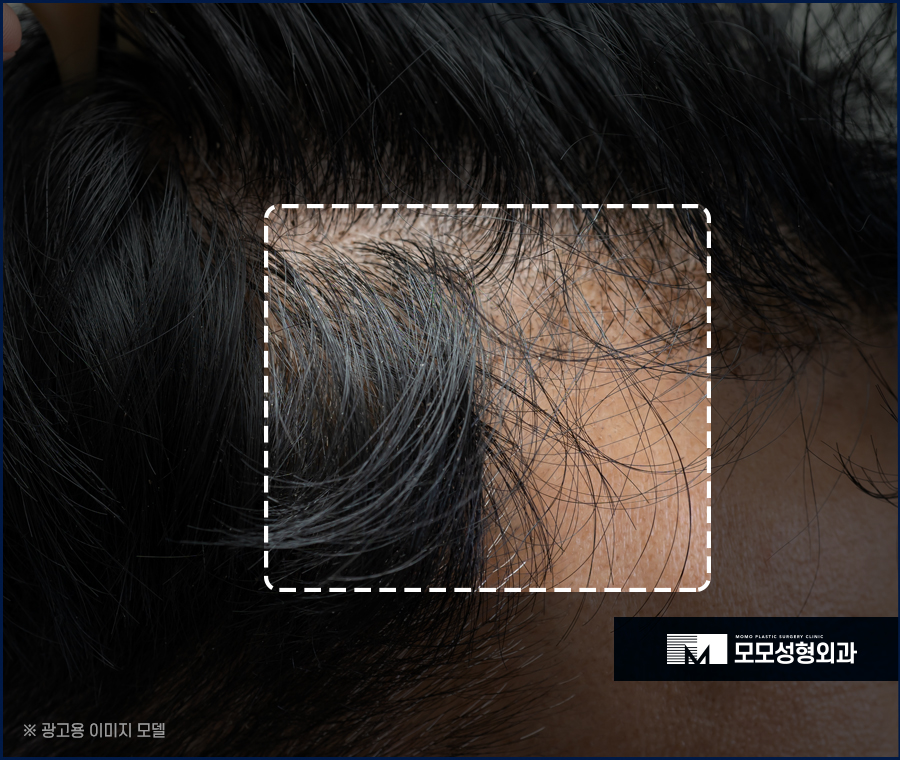
The cost of an M-shaped hair transplant can vary depending on the area that needs
to be covered and the condition, but in general, it may range from the 2 million
won range to as high as more than 8 million won. This is the amount determined
after identifying and diagnosing each person’s different type and symptoms, as well
as the characteristics of the existing natural hair. In addition, it may be difficult to
find out the exact price until you meet directly with the doctor and receive a
consultation.
Sometimes people trust only the information they can get online and, even though
their situation is different, apply that information to themselves and become
convinced that this amount and this solution will be enough. This is by no means a
correct approach. Above all, the most important standard is the process of carefully
reviewing and judging one’s current symptoms together with the doctor.
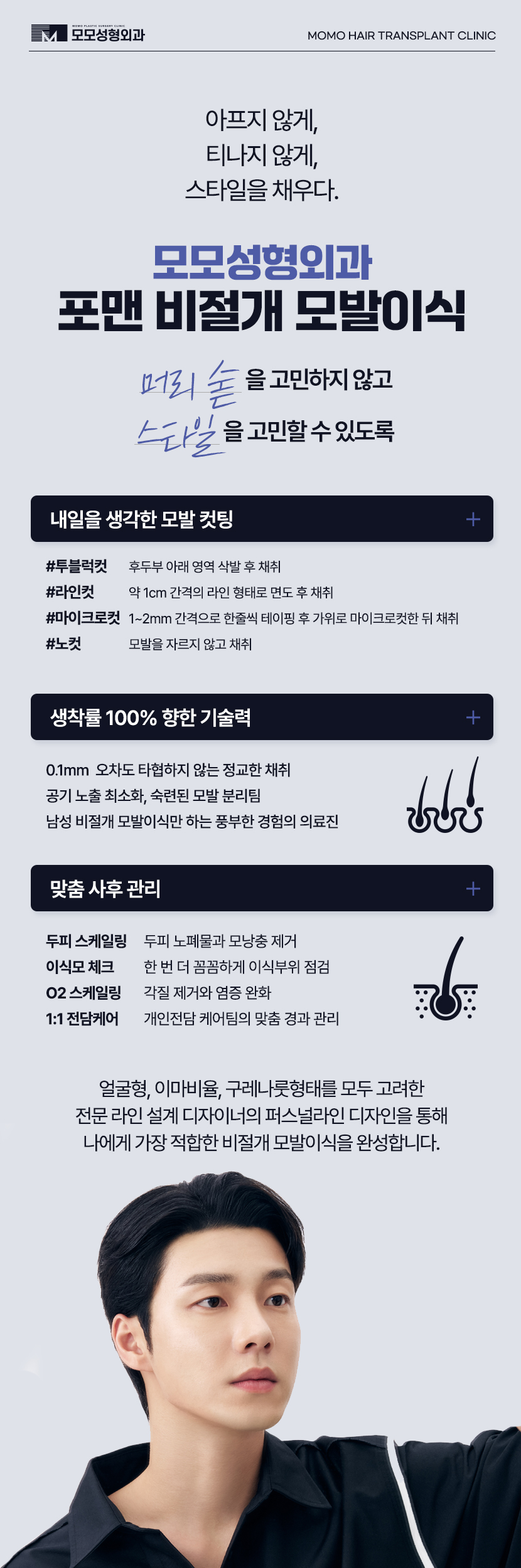
The cost of an M-shaped hair transplant can also differ depending on what type of
solution is carried out.
This method is broadly divided into strip harvest and non-shaven methods. In the
strip harvest method, a certain portion of the scalp is removed from the occipital
area, which has been relatively less affected by hair loss, healthy follicles are
obtained from that area, and they are transplanted into the problem area and then
sutured. The non-shaven method does not require removing scalp tissue and
instead selectively extracts follicles one by one and implants them again into the
empty area.

Since there is definitely a difference in the method, it is good to keep in mind in
advance that the price may also differ depending on the number of grafts needed
and the direction of the procedure. In addition, because the cost itself of an M-
shaped hair transplant can feel burdensome, some people prioritize finding a place
that meets the condition of offering a lower price in order to ease the financial
burden.
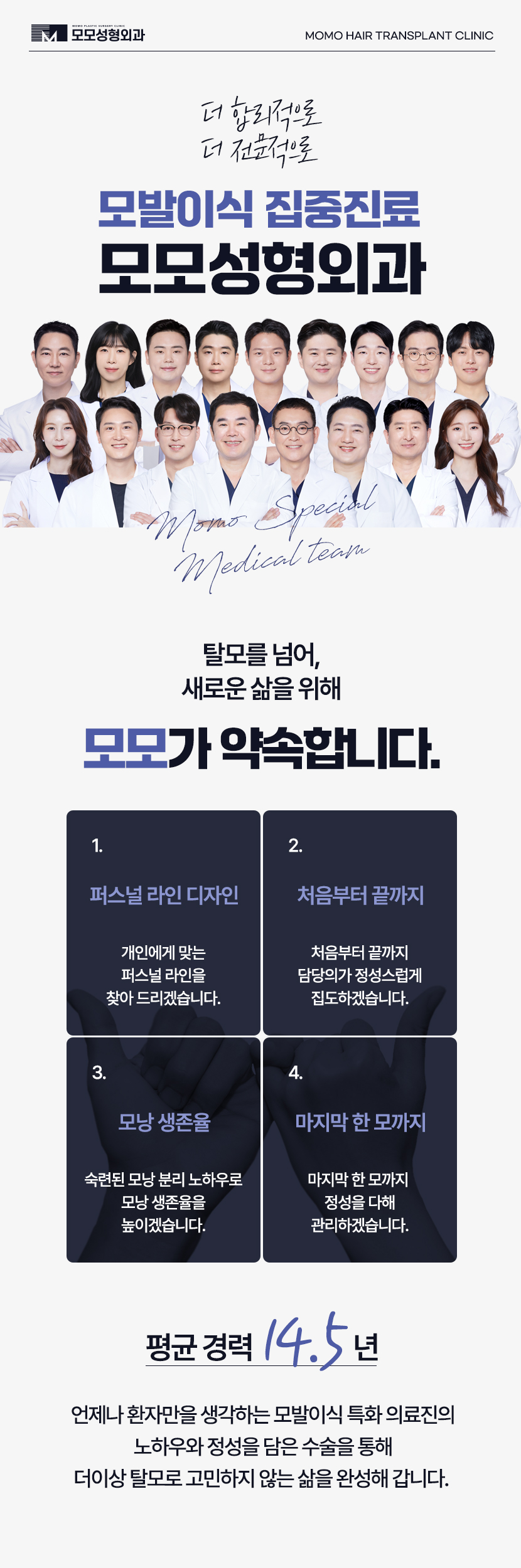
However, as mentioned earlier, if you make a hasty choice without carefully
considering the important standards, you may later regret it due to results that are
completely different from what you expected, and situations with lower graft
survival rates can also arise. Therefore, it is important to make a decision as
carefully as possible. To think through these matters more thoroughly and prevent
problems from occurring, you must carefully check whether the clinic and doctor
you choose for the procedure have abundant experience and many cases, along with
deep knowledge and a high level of understanding of them. You also need to
carefully check whether they possess excellent design sense, skilled technique, and
know-how that can further enhance natural and aesthetic elements.
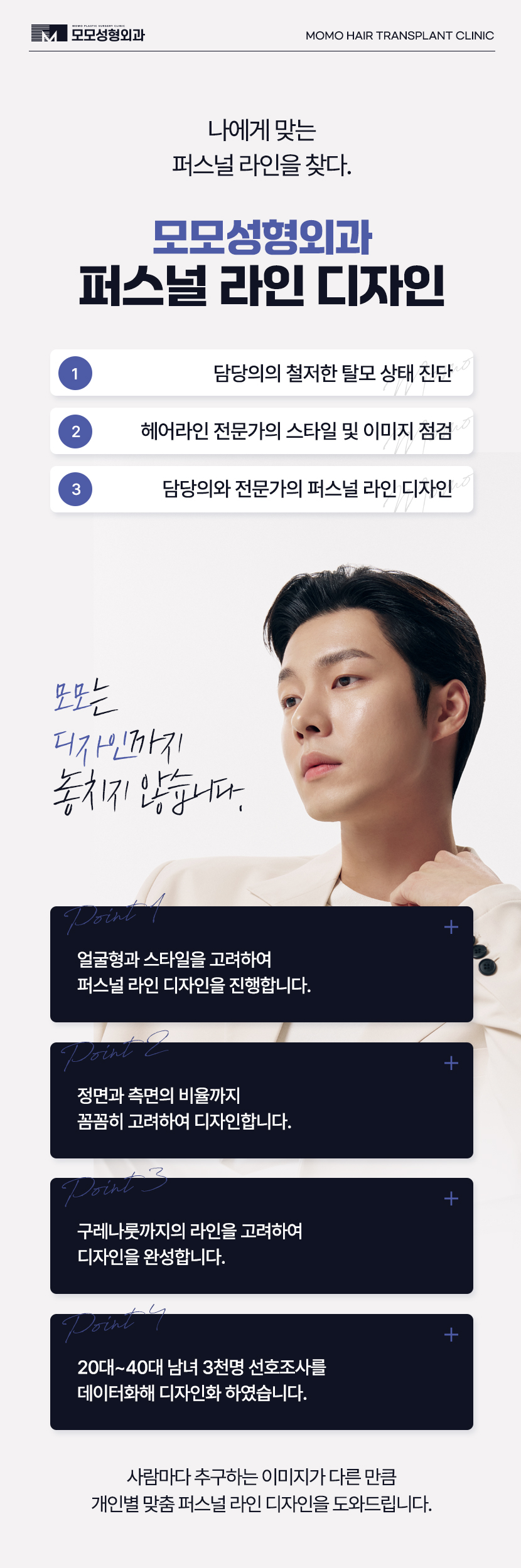
In addition, it is important to carefully examine whether there is a personalized
design that is created by closely assessing each person’s different head shape,
face shape, facial feature proportions, and differences in hair thickness, direction,
and density, as well as whether there is a systematic step-by-step progress care and
aftercare system to maintain stable graft survival after the procedure. In this way,
it becomes important to turn it into an opportunity to once again dream of a full
hairstyle.