
As time passes and the years go by,
our bodies naturally begin to show signs
of aging in various places, and illnesses
or unexpected conditions may also arise.
Among them, along with these changes,
genetic factors due to family history or
hormonal changes, irregular lifestyle habits
and eating patterns that are hard to pay
attention to in a busy daily routine, severe
stress that takes a toll in various situations,
and environmental and acquired factors such
as air pollution can all weaken hair that
once seemed healthy. If you face symptoms
where hair gradually loses strength and
starts to fall out, creating empty spaces,
the pain, sense of loss, lowered confidence,
and psychological or physical impact would
be hard to put into words.
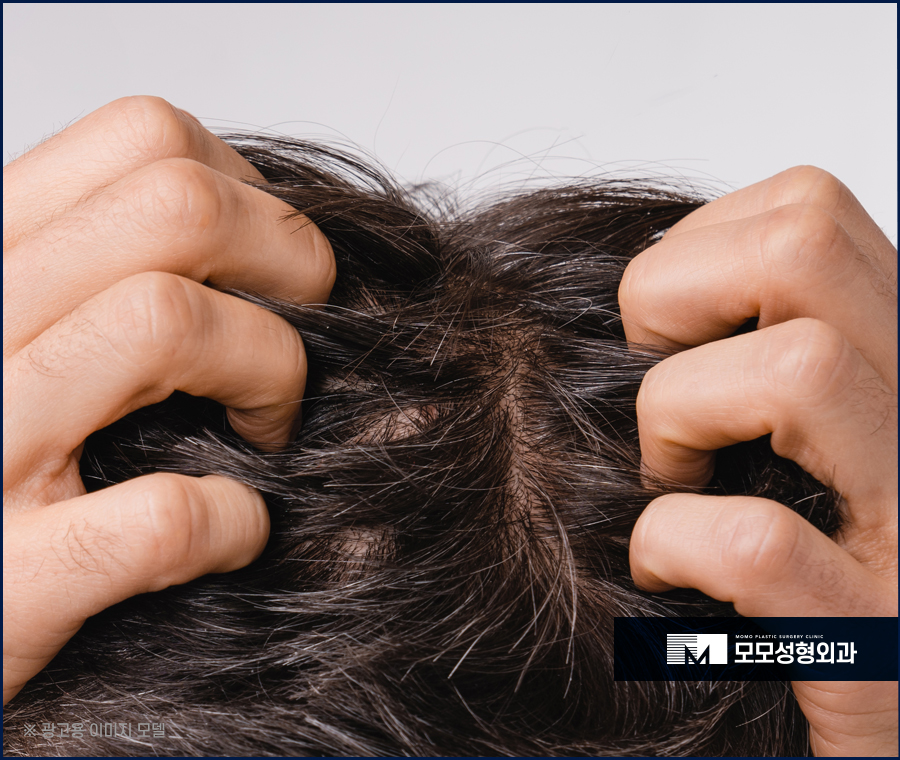
Of course, it does not cause direct physical
shock or pain, but regardless of age or sex,
the mere existence of this hair loss flaw in
an area related to outward appearance can
be seen as a major complex. In addition,
because the resulting changes are enough
to alter how others perceive your image and
impression, it can easily become a serious
worry that cannot simply be overlooked.
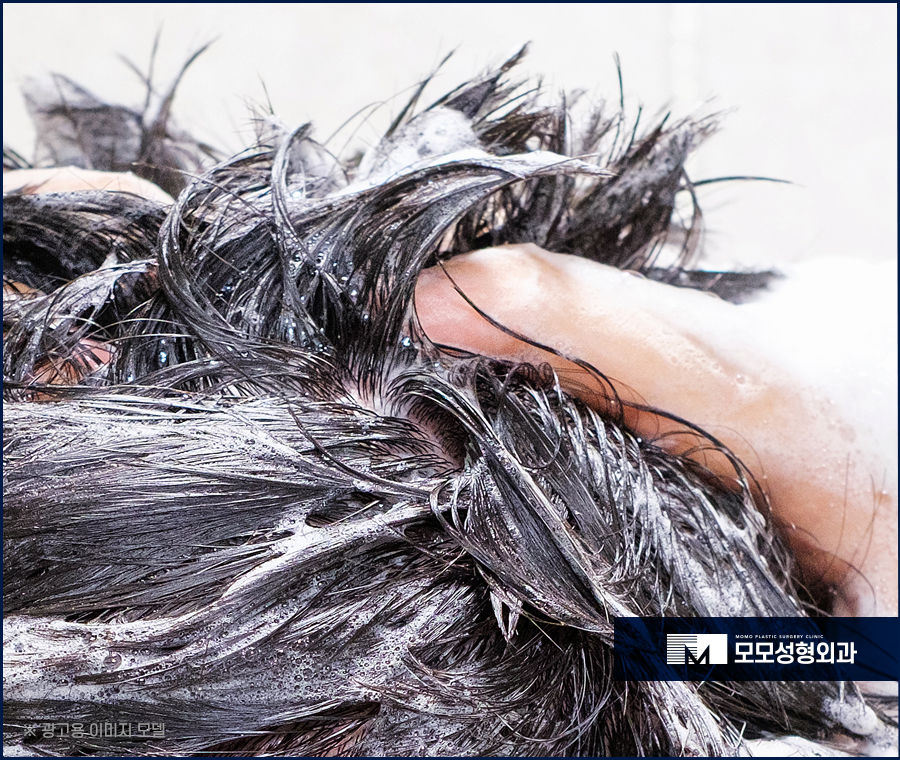
Because of this, people with this problem
tend to focus on filling and covering the
empty areas as much as possible through
options commonly available on the market,
such as functional shampoos, medicines and
supplements, specialized makeup products,
and wigs. However, these methods usually
provide only very brief, temporary effects
and are often difficult to use to fully address
the root cause.
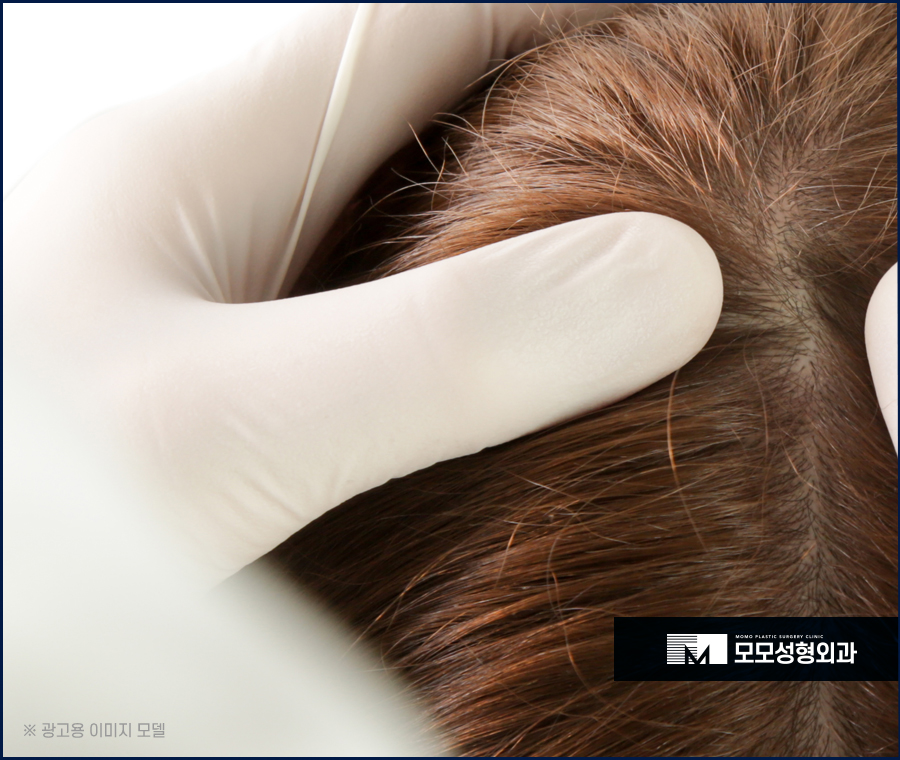
As such, after trying countless methods and
going through trial and error, some people
spend a long time worrying before choosing
what they consider a last-resort solution.
That solution is hair transplantation, which
plants healthy follicles unaffected by hair
loss into the empty areas. When visiting a
clinic to discuss this method with the doctor
in detail, many questions about related
matters such as the hair transplant dark
phase also seem to arise.
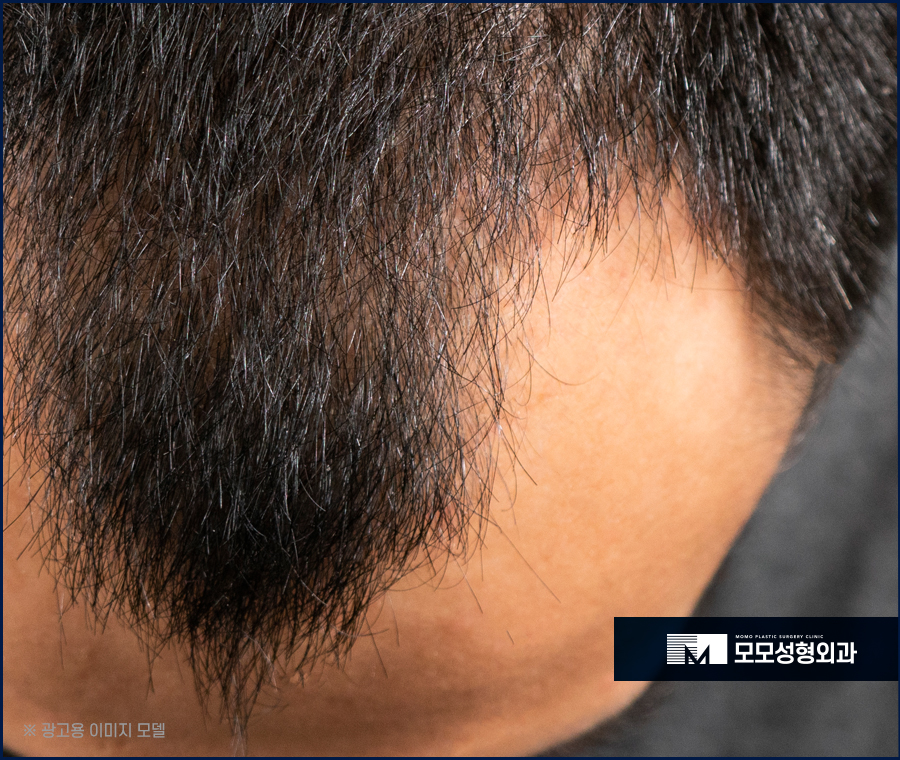
Even after undergoing the procedure, many
people diligently carry out aftercare and
follow the precautions, but at some point
they may notice that their hair is falling out
again and feel anxious and worried.
People who have researched this in detail
may understand that such a shedding period
does exist, but if it actually happens to them,
it is only natural to worry.
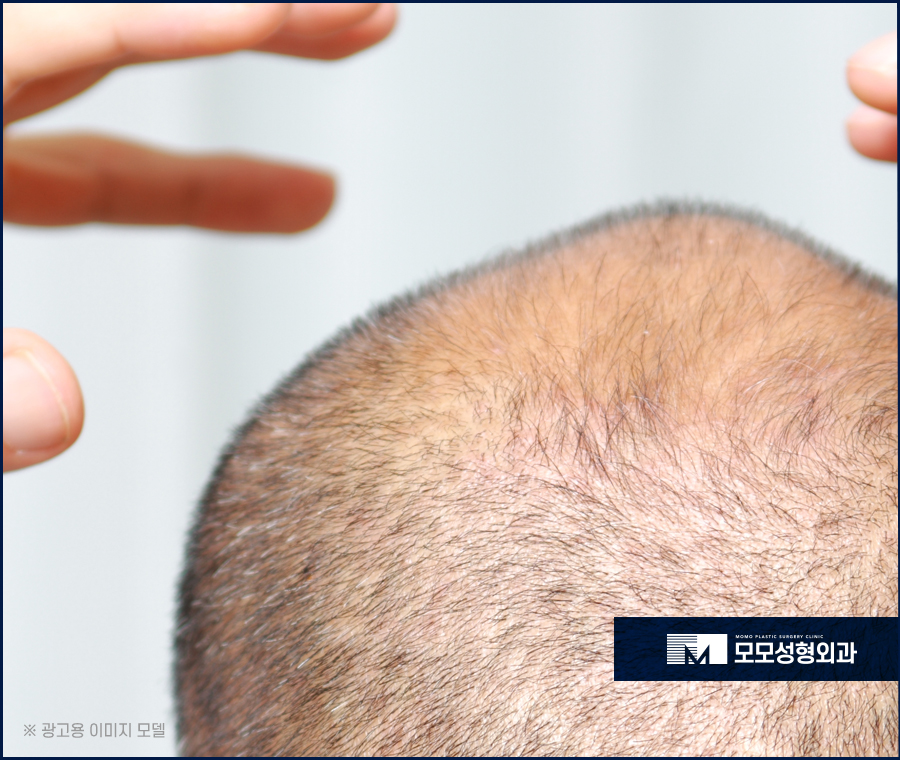
The hair transplant dark phase can be said
to be an inevitable phenomenon that can
occur to anyone who has undergone this
procedure. To explain it a little more clearly,
it refers to the temporary shedding of hair
in about 80% of the transplanted follicles
after the procedure. To better understand
this, it can help to know the natural growth
cycle of hair.

Our hair goes through a continuous repeating
cycle in the order of growth, regression,
resting, and regrowth, and transplanted
natural hair is no exception. Hair follicles
exposed to a new environment initially enter
a resting state. Therefore, the hair transplant
dark phase can be described as the process
by which the hair settles into its new location
and follows a new pattern, different from its
previous growth cycle.
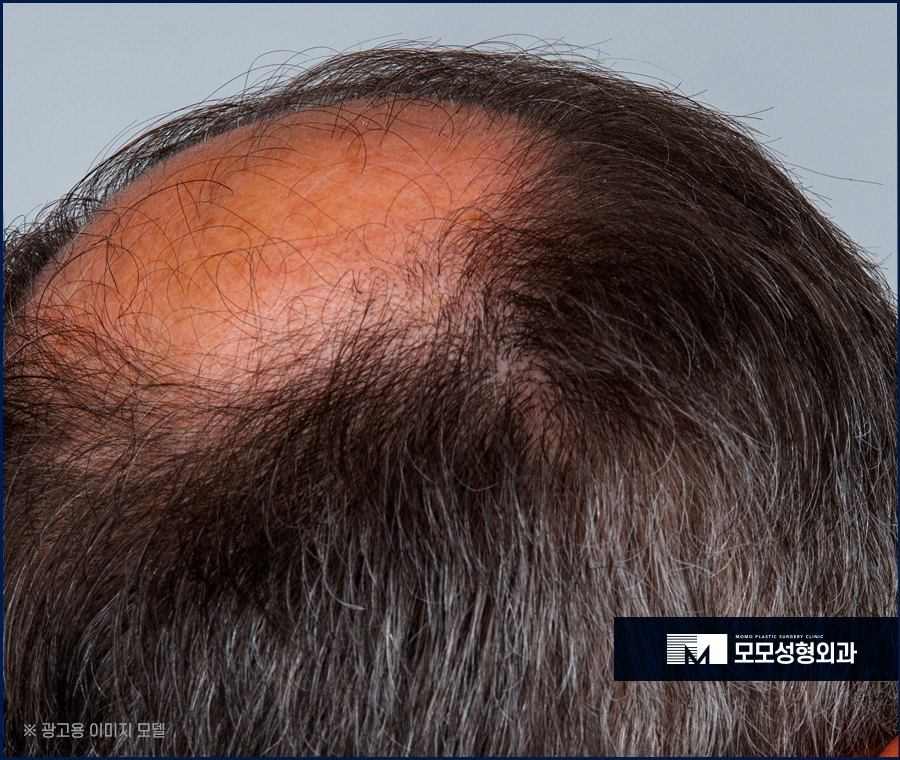
Accordingly, the natural hair that was planted
by artificial means is pushed out during this
period, and after some time, new hair begins
to grow healthily.
Also, even during the hair transplant dark
phase, the shedding of natural hair can be
seen as a sign that the follicles are actively
working. Then you may be wondering when
this period will come to an end.
In general, it is said to begin around 2 to 3
weeks after the procedure and continue until
around the 3-month mark. However, it is
important to keep in mind that the extent of
hair shedding and regrowth during this period
varies from person to person.
The timing of when the hair transplant dark
phase occurs also differs slightly, so even if
a lot of hair is currently falling out, that does
not mean it will lead to a negative outcome.
It is helpful to understand that this is an
inevitable preparation process that must be
gone through in order to achieve a fuller
hairstyle result, and to keep in mind the
management methods and points to know
so you can get through it positively.

If you are experiencing these symptoms, it is
best to be careful so that unnecessary stress
is not placed on the treated area. Since
wounds can form easily, it is advisable to be
careful when washing or shampooing. Also,
if care is neglected or the follicles fail to
settle properly and become detached,
symptoms of infection such as pimples or
folliculitis may appear, so it is better to keep
the treated area clean on a regular basis.
That said, frequent washing can instead dry
out the scalp more easily and transmit
irritation, so it is important to use a mild
product, create enough foam in the palms of
your hands, and then gently massage it in
with your fingertips.
Also, during the early stage when the follicles
are gradually settling in, it is best to avoid
alcohol and smoking as much as possible,
and it is also important to visit the clinic at
the scheduled times for follow-up checks.

Since it takes about a year to observe the
overall result, the most important thing is to
carefully get through the hair transplant dark
phase that may occur during the process, and
to consistently carry out the management
methods mentioned above in order to obtain
the satisfying result you want and expect.
A positive mindset and approach are, above
all, the most important parts.