Each of us has a different appearance,
with different facial features and
body types.
That is why many people make a lot of effort
and pay close attention to caring for and
managing themselves so they can create
a favorable impression and image that
looks more positive to themselves, as well as
to others and those around them.
They may diet through a proper, nutrient-rich
diet to manage their overall body line,
change their clothing with trendy fashion
styles, or sometimes try different hair
designs such as dyeing their hair in a color
that suits them or giving it a soft curling
effect.
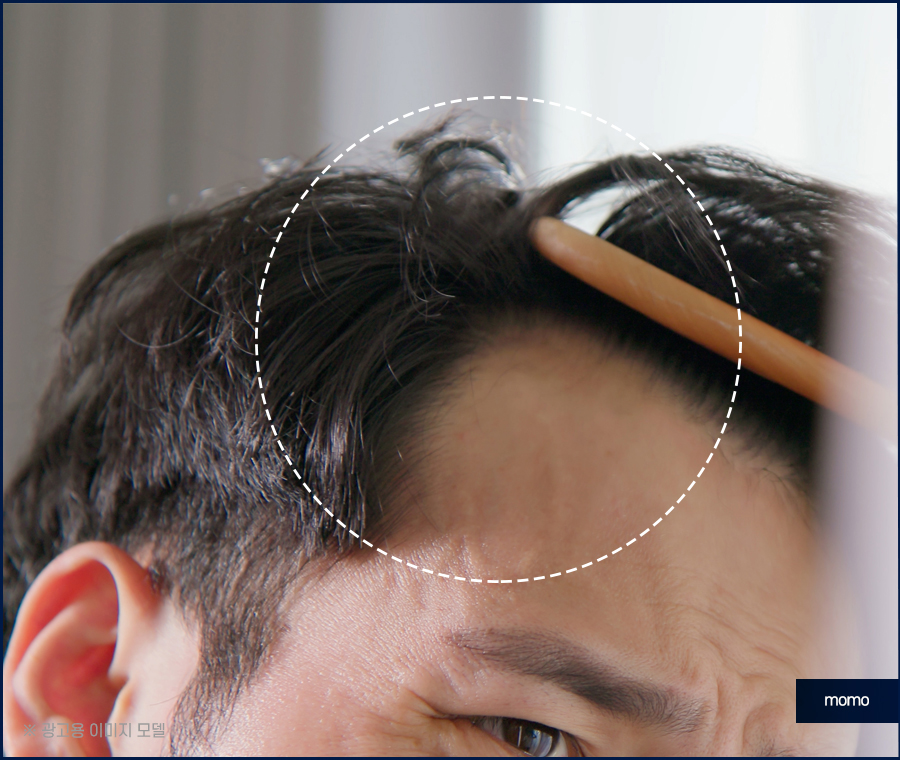
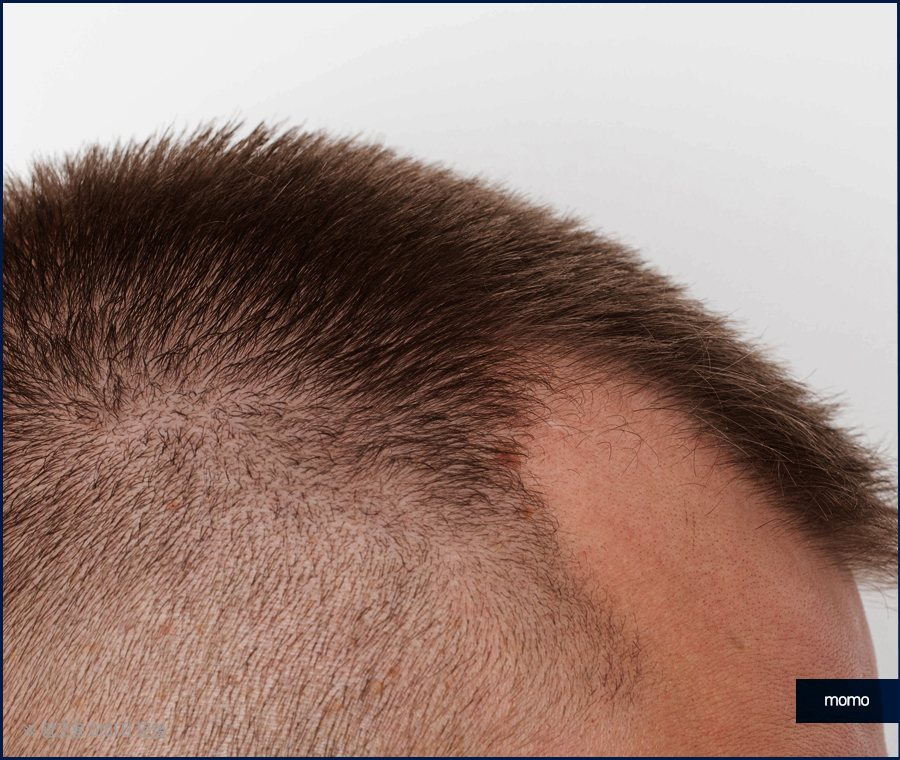
However, if unfamiliar symptoms begin to
appear around the forehead area despite a
strong desire to improve one’s appearance,
it can lead to serious worry and concern.
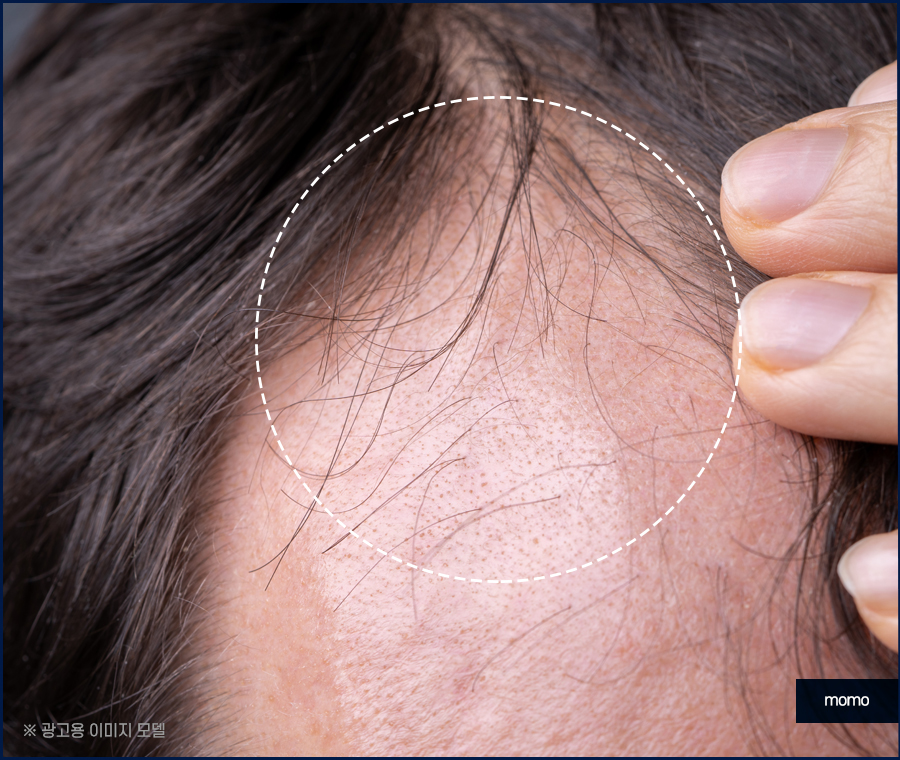
What once did not seem that wide may have
become wider than the original area as the
surrounding hair gradually becomes thinner
and loses strength, or as patches become
empty and hair is lost. In such cases, not only
does it become difficult to create the styles
you want, but even if you try to cover it by
bringing the bangs down, you will continue
to feel extreme stress in situations where the
wind blows or when exposure is unavoidable.
And this stress can worsen the widened
appearance and condition even further,
become a complex, and lower confidence in
one’s appearance, which can act as an
obstacle to maintaining an active social life
and carrying on with normal social and daily
activities.
To somehow improve this negatively changed
appearance on their own, many people try
various alternatives such as using easily
available supplements or medicines, actively
using shampoos and care products that claim
to contain functional ingredients in an effort to
regrow lost hair, or filling and covering empty
areas with specialized makeup. However, in
many cases, the results are minimal compared
with the effort invested, and it is true that it
is difficult to address the root cause.
Because of this situation, people who have
struggled with all kinds of emotions and
small and large stresses are visiting clinics to
learn about forehead hair transplantation,
which is considered a last resort, and are
inquiring about related consultations and
questions.
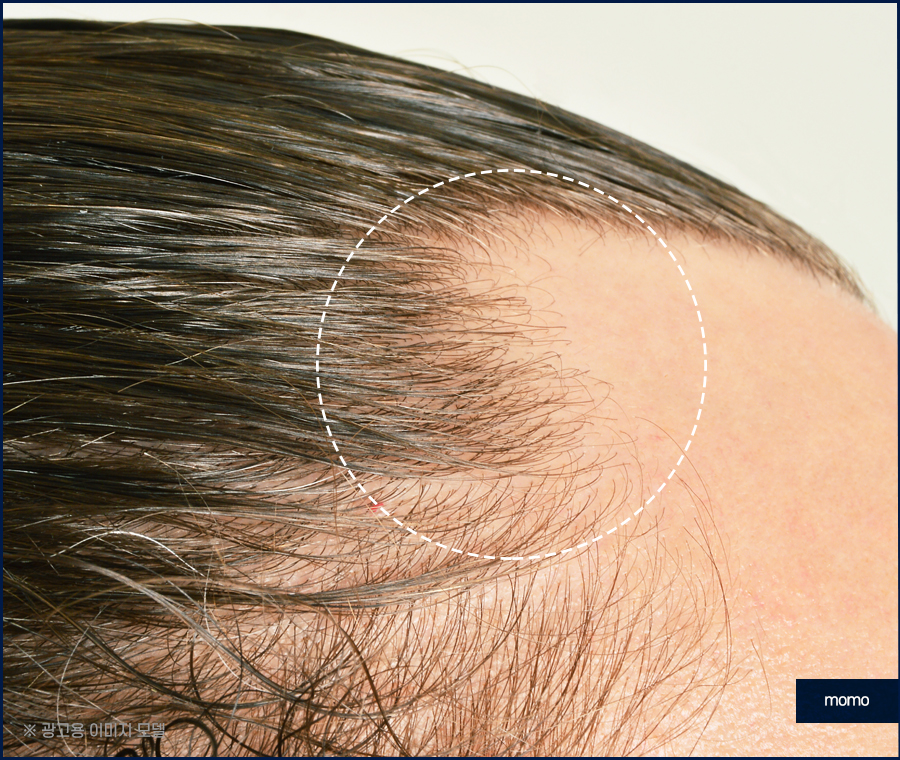
Forehead hair transplantation can be described
as a solution that, by reimplanting hair into
the affected area, addresses problems that
may have occurred due to hair loss caused by
genetic factors from family history, or due to
various acquired or environmental factors such
as aging, hormonal changes, and hair damage
from frequent hair procedures. If stable grafting
is achieved, it can provide permanent effects.
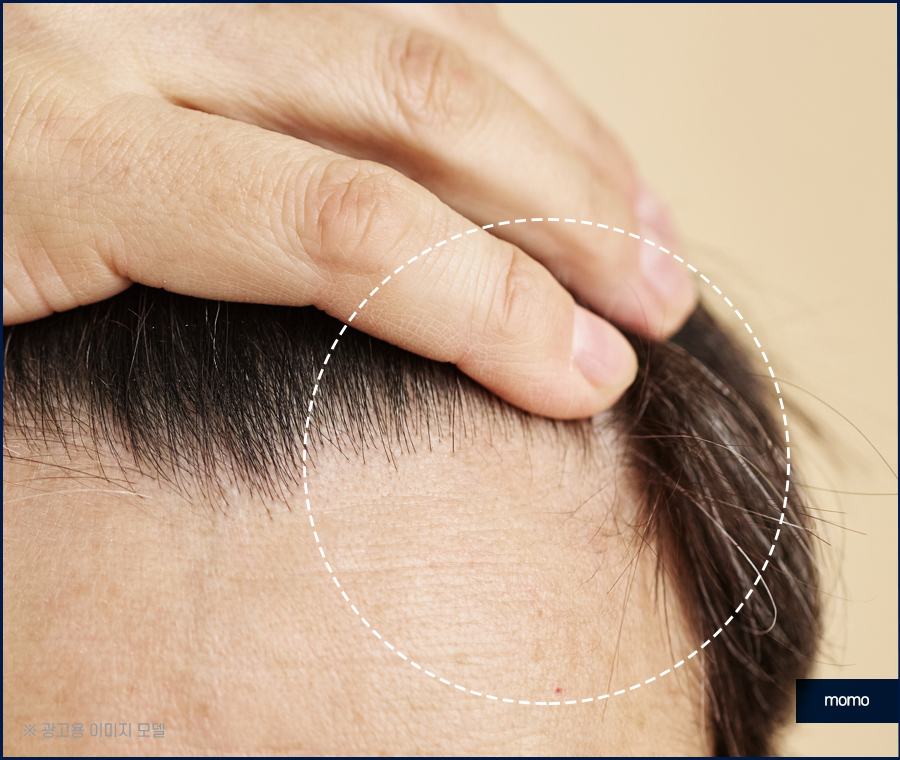
In addition, forehead hair transplantation is
generally suitable when the forehead has
become excessively wide, when it does not
match the overall facial proportions, when the
hairline has an M shape, or when it is uneven
and asymmetrical rather than giving a neat
appearance. This makes it important to set up
a solution plan that fits one’s own needs and
purpose.
Some people think that if the area is filled in
densely and completely, the forehead area can
be reduced and the face can look smaller, but
this is by no means the right idea. On the
contrary, it may not blend naturally with the
surrounding hair and can create an artificial
and unnatural look, leading to difficulties in
reversing it later and only adding the stress
and deeper worry of having to consider a
repeat procedure.
Therefore, to avoid such problems and achieve
the desired outcome, it is important to have
sufficient consultation with the doctor through
smooth communication before proceeding with
the full solution.
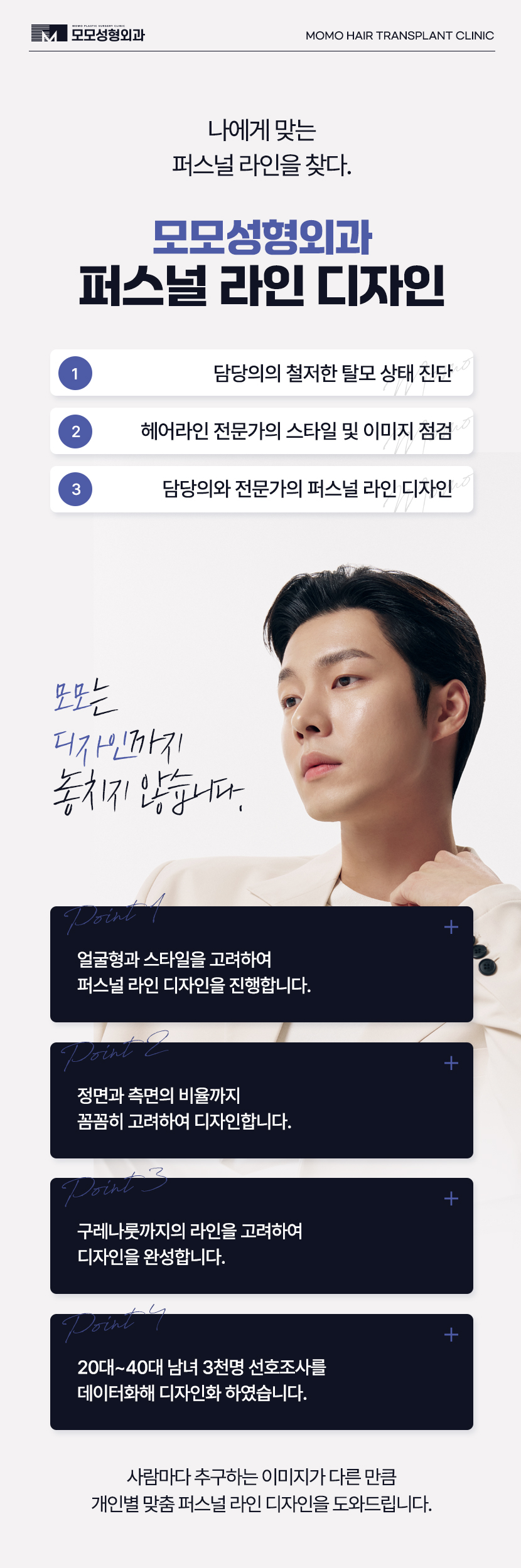
As this is a solution with clear aesthetic
objectives, if you have your own desired needs
and design preferences, you should actively
communicate them to the doctor. Based on
that, it is advisable to design a personalized
custom plan that reflects both your facial shape
and your overall unique features, while also
carefully judging the detailed process so that
the final result can be realized.
Because the area being considered for the
procedure is positioned at the center of the
face, which is seen from the front by both
yourself and others, whether a personalized
design is applied must be examined in detail
above all other criteria.
This requires assessing the facial shape and
style each person has in different ways, and
carefully checking the proportions from the
front and side as well. Ideally, the distances
from the forehead to the eyebrows, the tip of
the nose, and the tip of the chin should follow
a 1:1:1 ratio. The distance of the angle leading
to the eyebrows and sideburns is considered
ideal at 2.5 to 3 cm, and the length of the
sideburns is considered ideal at 1.5 to 2 cm.
Because of this, the process of considering the
specific proportions that can create harmony
from various angles must also be regarded as
important.
In general, when people think of forehead hair
transplantation, they may only think of the
forehead area, but the key point here is that
the sideburns and temples connected along the
hairline must also be examined in detail.
Since the shape and characteristics of these
areas can change the overall design, it is best
to keep this in mind.
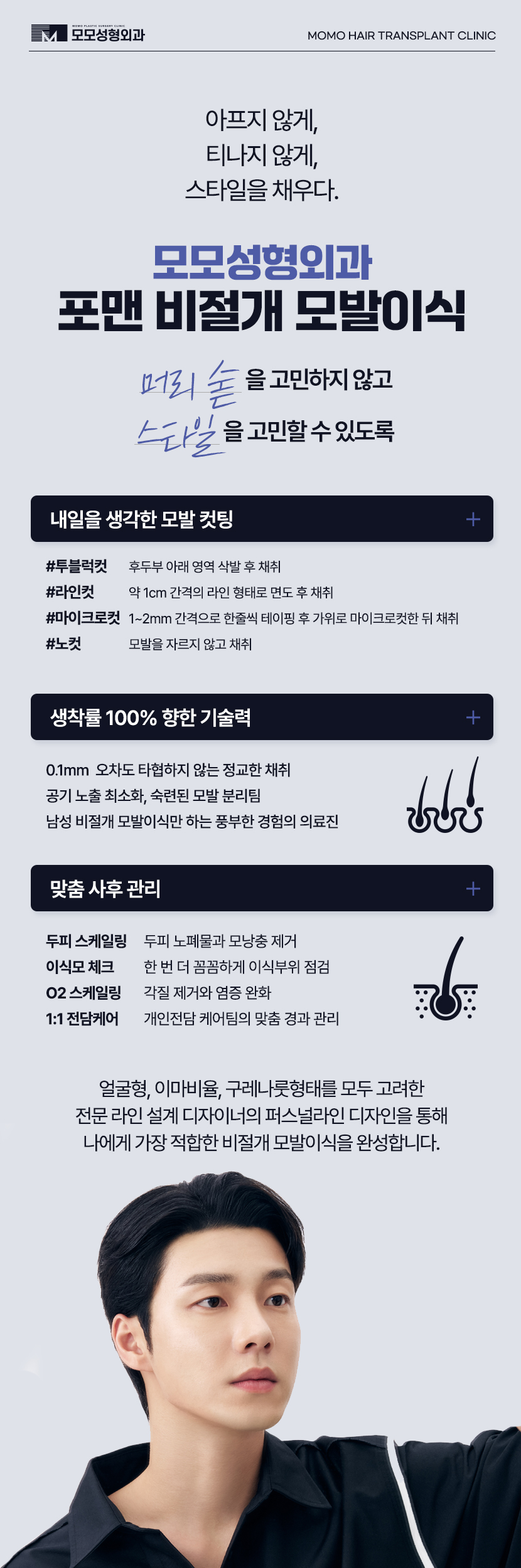
In addition, only by carefully understanding the
existing hair’s growth direction, thickness,
density, and the distribution of fine hairs and
other unique characteristics can you achieve a
fuller hairstyle that includes a personalized
design that is natural and overall harmonious.
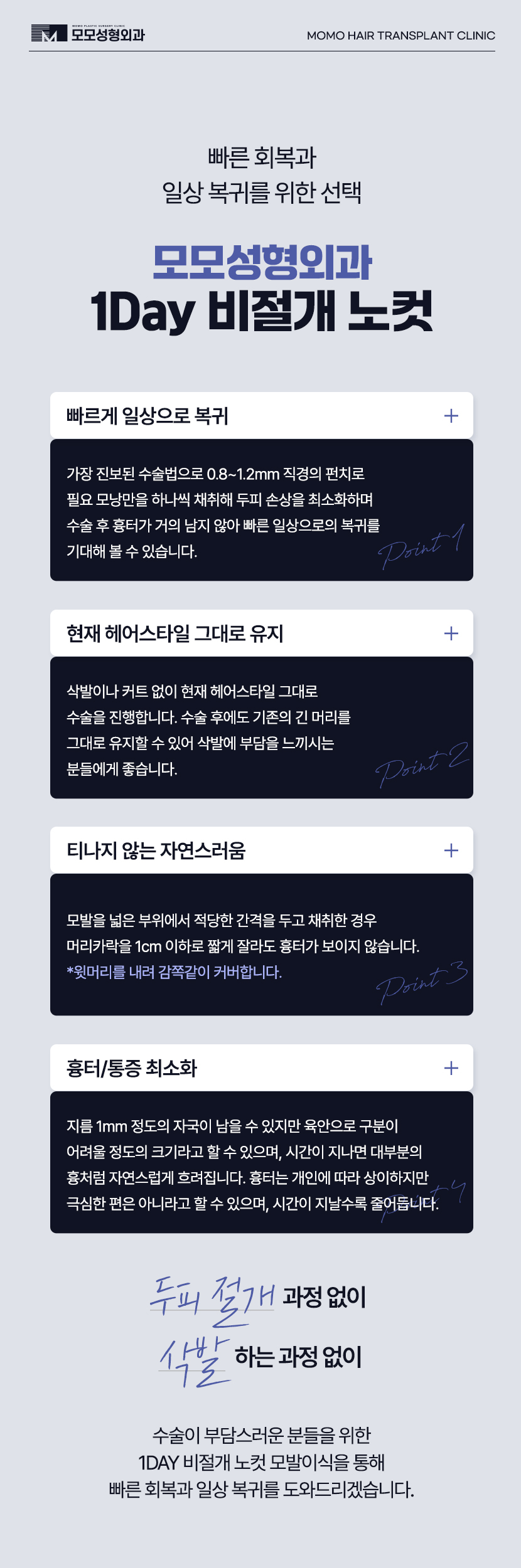
Also, once the design plan is established, the
direction of the solution will be determined
according to the person’s symptoms, condition,
and the amount of grafting needed, and the
methods are broadly divided into incisional and
non-incisional approaches.
Each has its own advantages and disadvantages,
and it is advisable to identify the characteristics
and current condition of the hair in detail before
choosing and applying the method most suitable
for you.
In addition, to perform forehead hair
transplantation that makes a widened appearance
look natural and harmonious, and that matches
the level of satisfaction you expect, it is necessary
to check in detail whether the doctor in charge
has years of rich experience and many cases,
whether they have extensive knowledge and a
high level of understanding, and whether they
possess excellent aesthetic design sense,
refined technique, and skillful know-how that can
further satisfy aesthetic elements.
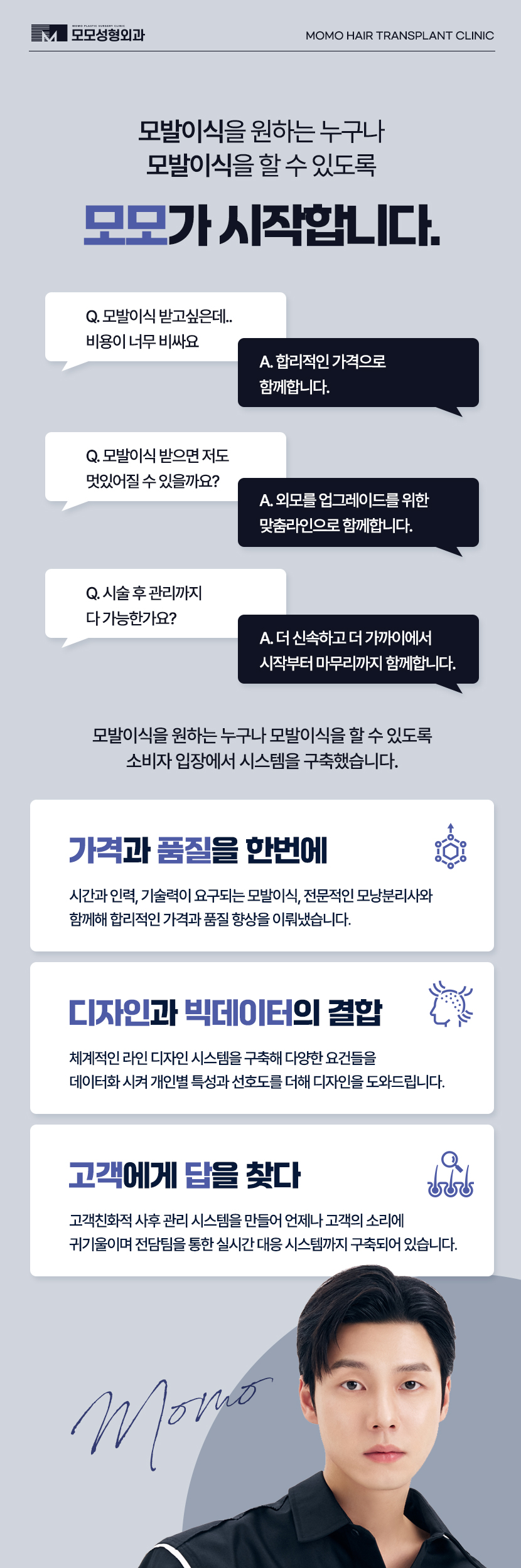
It is also advisable to check in detail whether
the clinic’s aftercare system is carried out in a
systematic way so that stable graft survival can
be maintained, whether personalized care is
provided by a dedicated care team according to
the progress of each stage, and whether a
responsibility guarantee system is applied that
can ensure satisfying results after the solution.