Our body has a complex system in which various tissues are organically
connected and interact with one another
through different hormones. However, if cells
that normally maintain balance are disrupted
by a specific disease or symptom, physical
changes can occur and cause discomfort in
daily life.

Today, as medical technology continues to
advance and people’s income levels gradually
rise, such symptoms can be resolved more
easily and quickly than in the past. On the
other hand, there are also diseases that are
difficult to improve.
Among such symptoms, hair loss can be cited
as one that causes intense stress for modern
people. In the past, it was mainly associated
with aging in middle-aged and older adults,
but these days, more and more men and women
in their 20s and 30s are also suffering severe
mental distress from this condition.
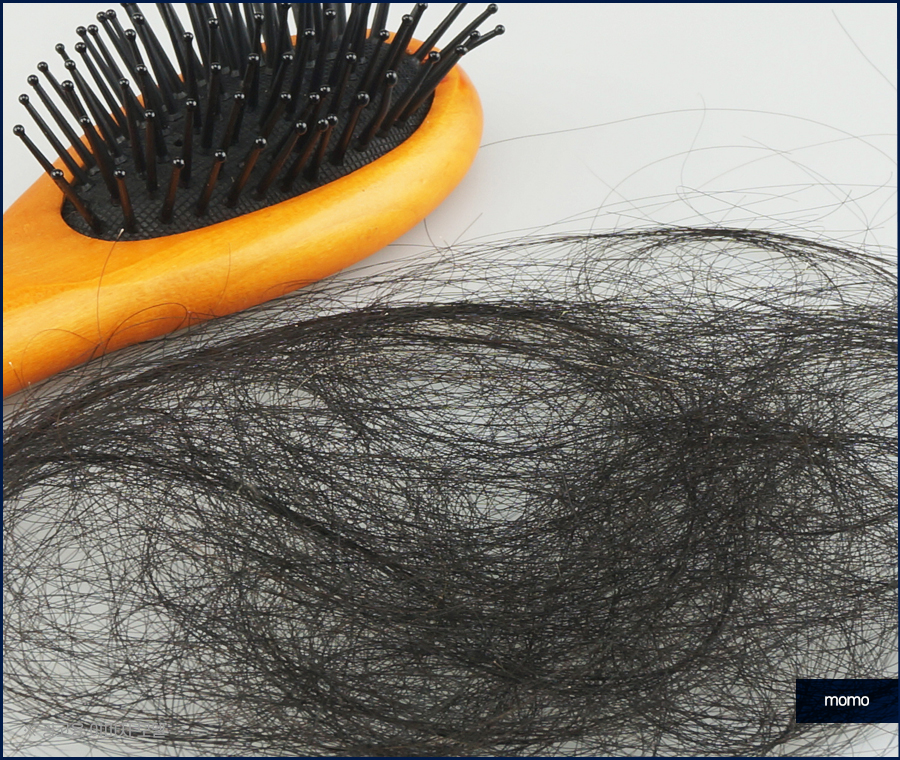
In addition, the proportion of people reporting
hair loss is increasing year by year, and many
try various related treatments and care methods,
bearing significant effort and cost, but still
find it difficult to obtain clear visible results,
ultimately choosing to give up. As such, to
improve the phenomenon of hair gradually
losing strength, thinning, and falling out,
many people turn to a solution in which hair
follicles are taken from the occipital area,
which has not been affected by such symptoms,
and transplanted again, often considering this
as a last resort.
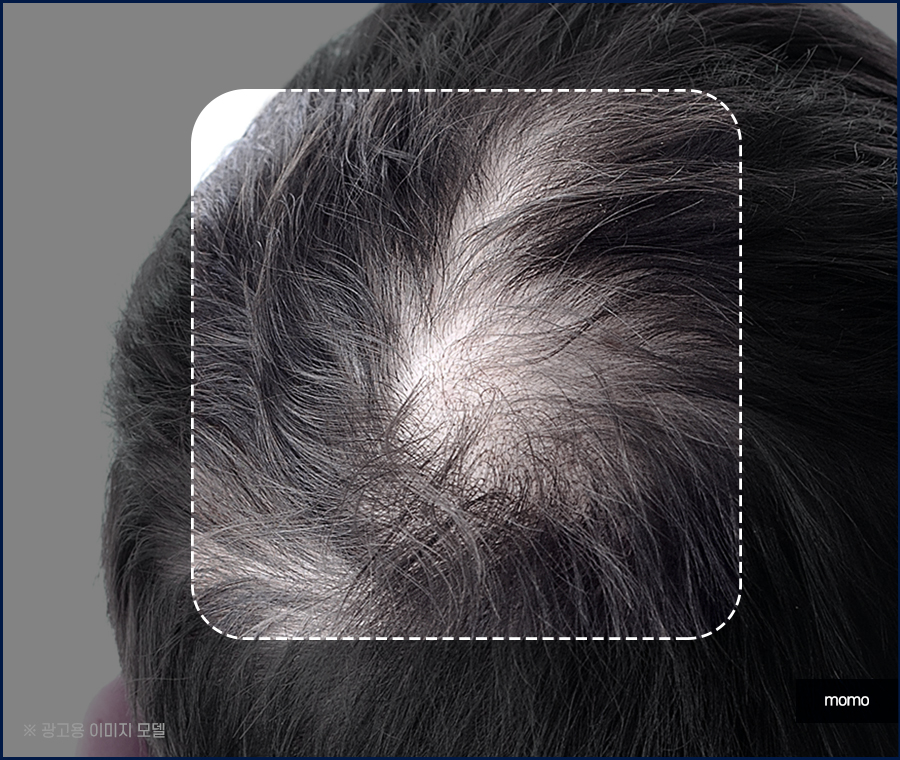
However, only through a detailed comparison
and analysis of incision and non-incision hair
transplant methods can one achieve a design
suitable for their symptoms and type while
also expecting a high graft survival rate. For
that reason, in this article, we will share the
advantages, disadvantages, and characteristics
of each method.
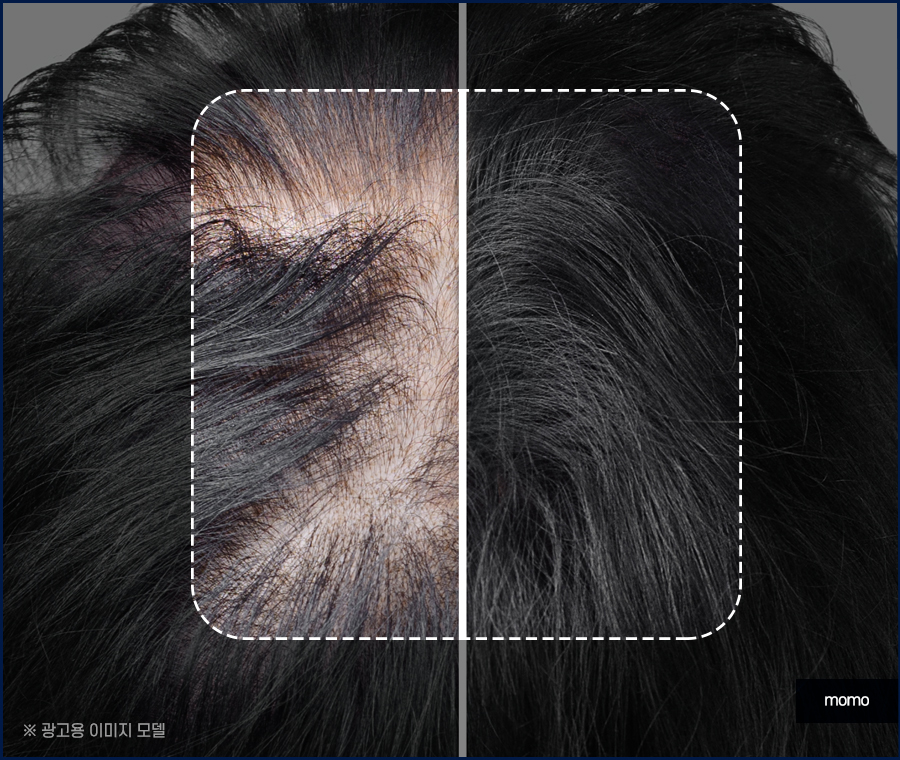
The biggest difference in incision and non-
incision hair transplantation lies in the
harvesting method—that is, the solution of
removing skin tissue called hair follicles and
transplanting them to areas where hair is
missing. These are broadly divided into two
methods: one that uses tools such as a scalpel
to excise the scalp from the occipital region,
then removes and transplants natural hairs one
by one, and another that separates follicles
and implants them without going through a
separate dissection process.
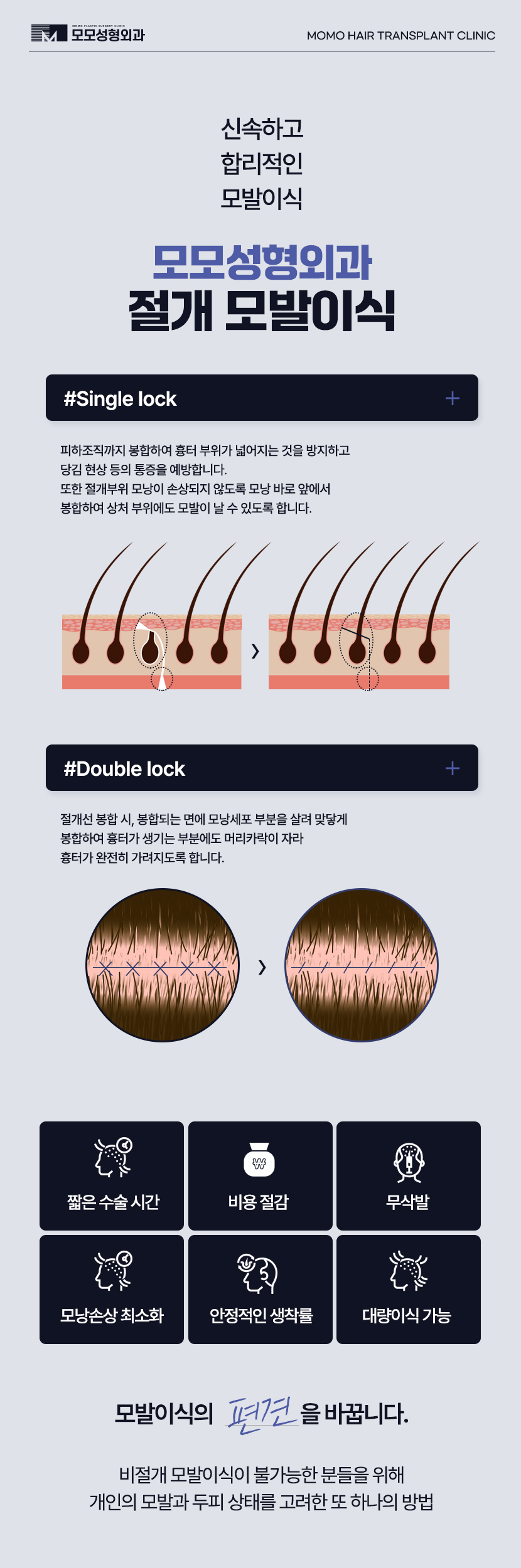
Also, in incision and non-incision hair
transplantation, the former proceeds by
excising the scalp in a straight line, removing
the natural hairs within that area one by one,
then pulling the skin together and suturing it,
allowing a large number of hairs to be
harvested and transplanted. However, it is
unavoidable that a linear scar and marks may
remain on the occipital area. In the latter
case, the area from which natural hairs are
obtained and the area where they are
transplanted are the same, but because each
follicle must be selectively separated one by
one using a circular tool called a punch of
about 0.8 to 1.2 mm, without excision or
suturing, it is a highly advanced and delicate
procedure. Therefore, it is advisable to note
that shaving the head may be required
depending on the symptoms and situation.
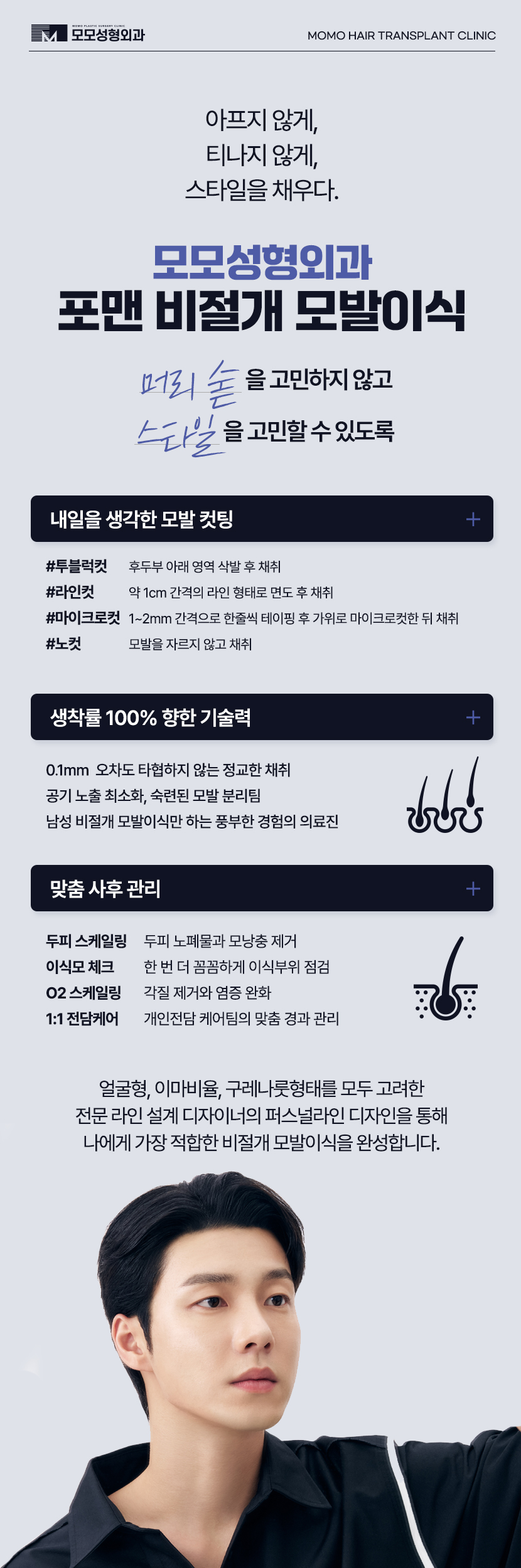
Recently, there are also options that allow the
current hairstyle to be maintained without
shaving or cutting, while proceeding in a
natural-looking way. Therefore, when deciding
which method to choose between incision and
non-incision hair transplantation, it is best to
carefully consult with the doctor about each
person’s scalp type, hair loss type, current
symptoms, desired design preferences, and
other needs, then make the decision based on
careful consideration.
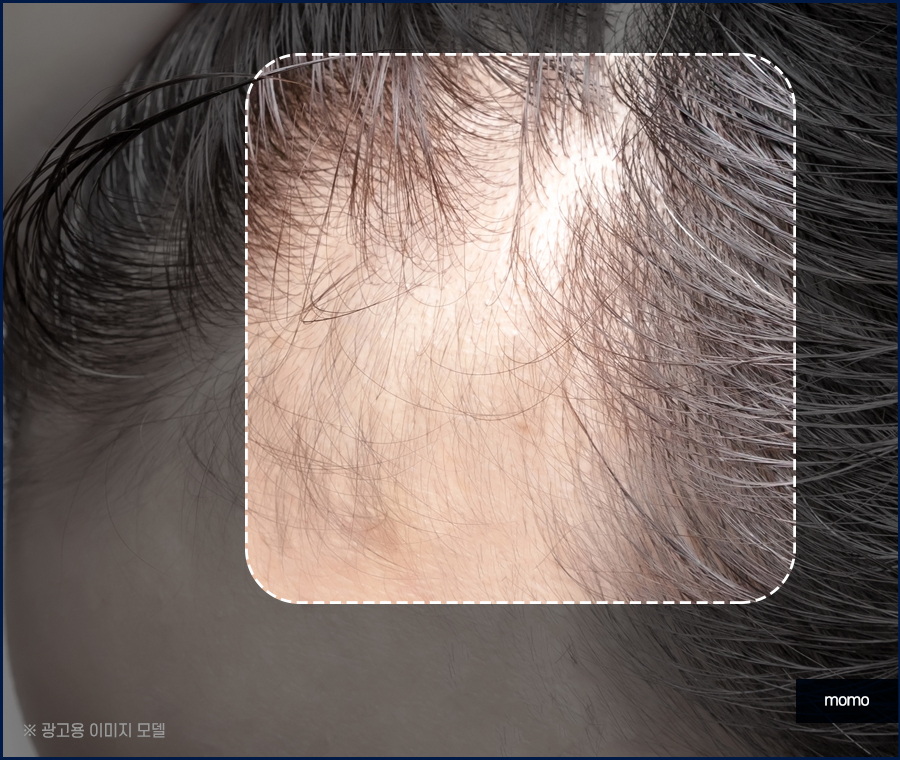
In addition, when discussing concerns about
incision and non-incision hair transplantation,
if these key criteria are omitted, unwanted
problems may arise. That criterion is personal
design.
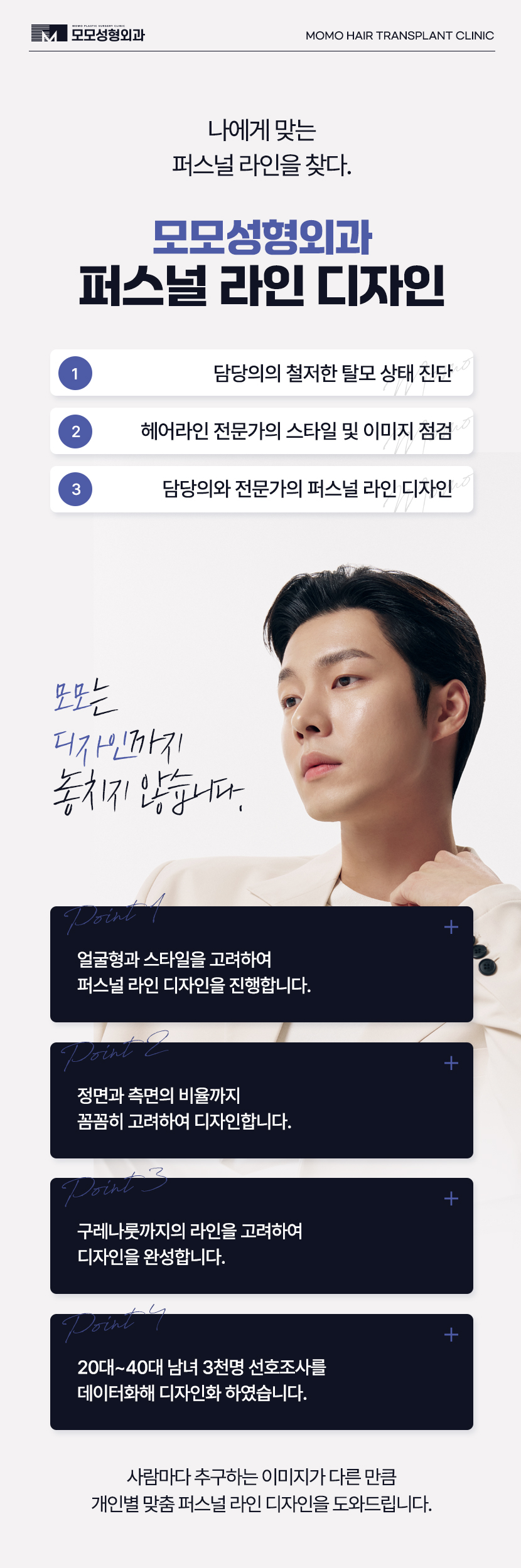
Personal design refers to the fact that hair loss
symptoms that can cause appearance-related
insecurity appear in places one never intended,
and in most cases occur in areas visible to both
the person and others. Therefore, it is a process
of carrying out three-dimensional correction so
that the hair can naturally harmonize with the
original hair by closely identifying detailed
characteristics such as the overall head shape
and facial shape, the proportions of each facial
feature, the appearance from various angles
such as the front and side, the shape extending
from the hairline to the sideburns, as well as
the depth of the scalp layer, the unique growth
direction and length of existing natural hair,
thickness and density, and the distribution of
fine hairs.
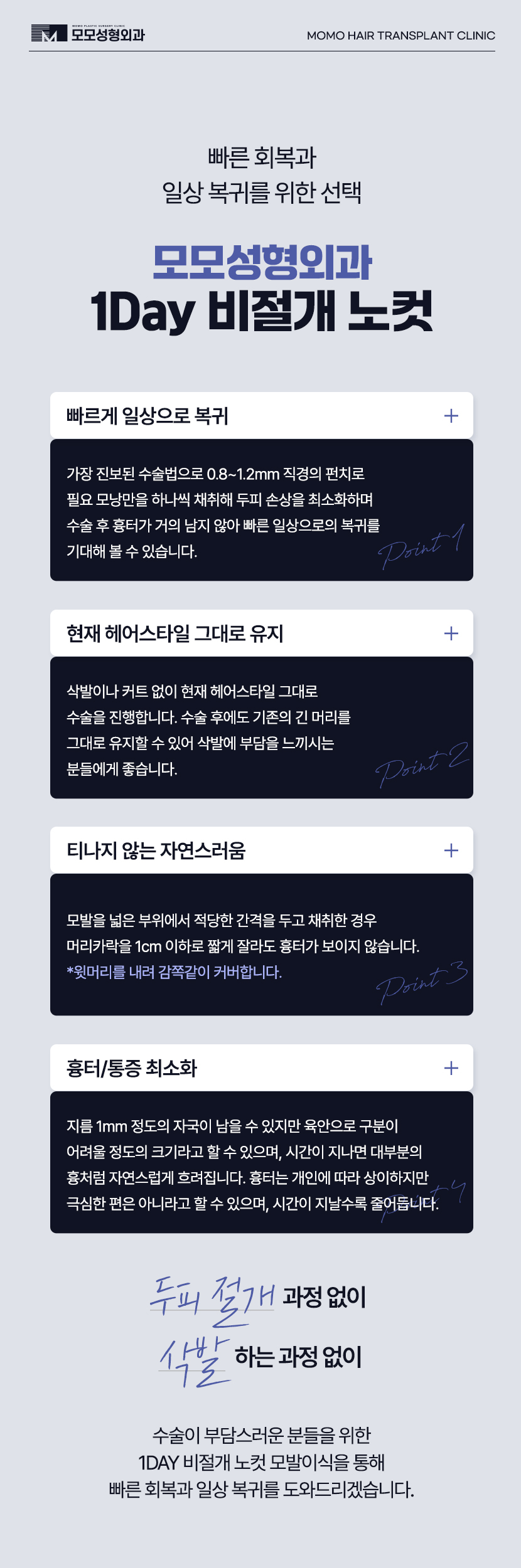
Above all, when comparing and analyzing the
incision and non-incision hair transplant
methods and planning the procedure, it is
necessary to take a careful approach together
with the doctor performing the procedure by
closely understanding one’s current condition
and characteristics. It is also advisable to
look in detail at whether the doctor has many
years of rich experience and cases, whether they
possess extensive knowledge and a high level
of understanding of the relevant field, and
whether they have excellent design sense that
can satisfy aesthetic elements, along with
refined technique and understanding.
In addition, it is important to check whether a
systematic aftercare system is in place so that
a stable graft survival rate can be achieved
during the graft survival period that begins in
ernest after the procedure, and whether a
responsibility guarantee system is applied that
can ensure satisfactory results.
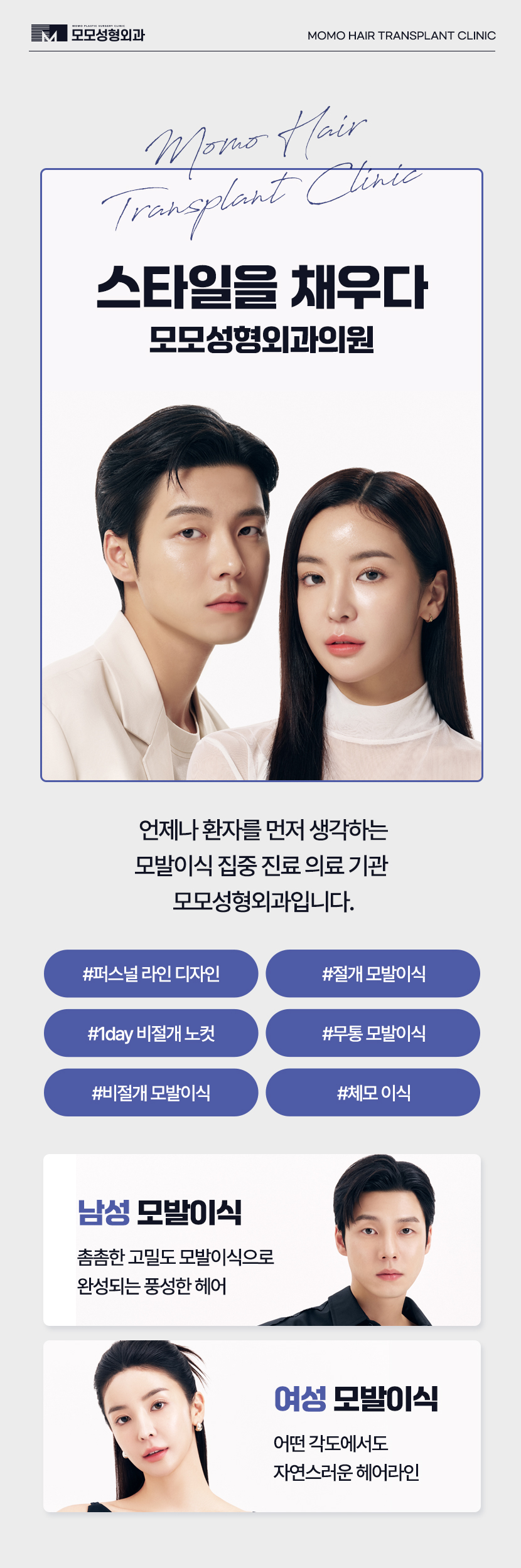
Hair loss is a progressive condition that can
gradually worsen and spread to a larger area
before one even realizes it, resulting in the
loss of a greater amount of hair. Rather than
leaving it unattended with the complacent
thought that it will naturally improve, visiting
a clinic as soon as it is discovered, accurately
diagnosing one’s current condition, and
receiving the appropriate procedure will
become an opportunity for renewed change in
a better direction.