The routines we carry out every day differ from person to person,
including the order in which each person begins and the time of day
when those actions take place. Among those habits,
washing your hair may be done in the morning before going out or
heading to work, and sometimes it may be washed while showering or
taking a bath at the end of the day.
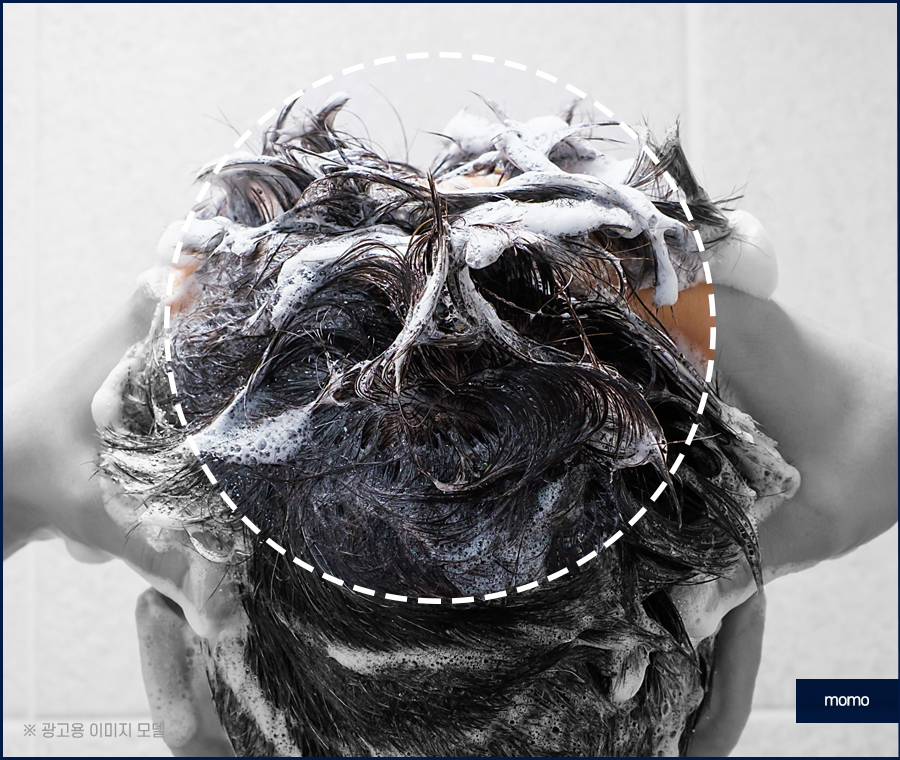
After washing your hair cleanly and hygienically with the shampoo you normally use,
a not-so-pleasant smell may start to spread after some
time has passed. This is the odor coming from the top of the head,
and many people are said to have a hidden concern because of it.
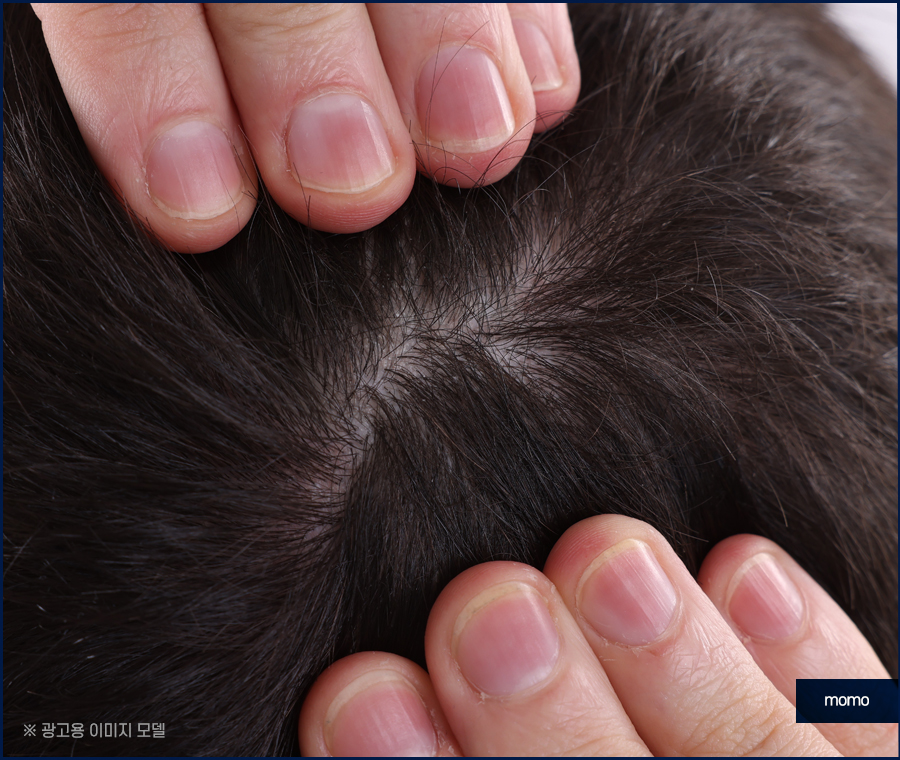
In cases like this, people generally do not easily notice that they themselves
have an odor, so it can cause discomfort to others, and it is also
a symptom that is not very good for scalp health. For that reason,
many people worry about the condition and look for various ways on their own
to remove crown odor and try them directly, but eliminating the feeling
once it has started is not an easy task.
It is also said that this symptom, which appears on the upper part of the head,
is felt more in winter than in summer. The reason it is felt more strongly
in seasons like winter rather than in summer, when a large amount of sweat
is produced and released, is said to be the airflow from heaters used to keep
indoor air warm.
Even though you shampoo carefully every day,
some people worry because this symptom gradually appears as soon as they leave the house
and becomes a complex. For those people, we will share in detail everything from the causes
of crown odor removal to methods that can effectively eliminate it.
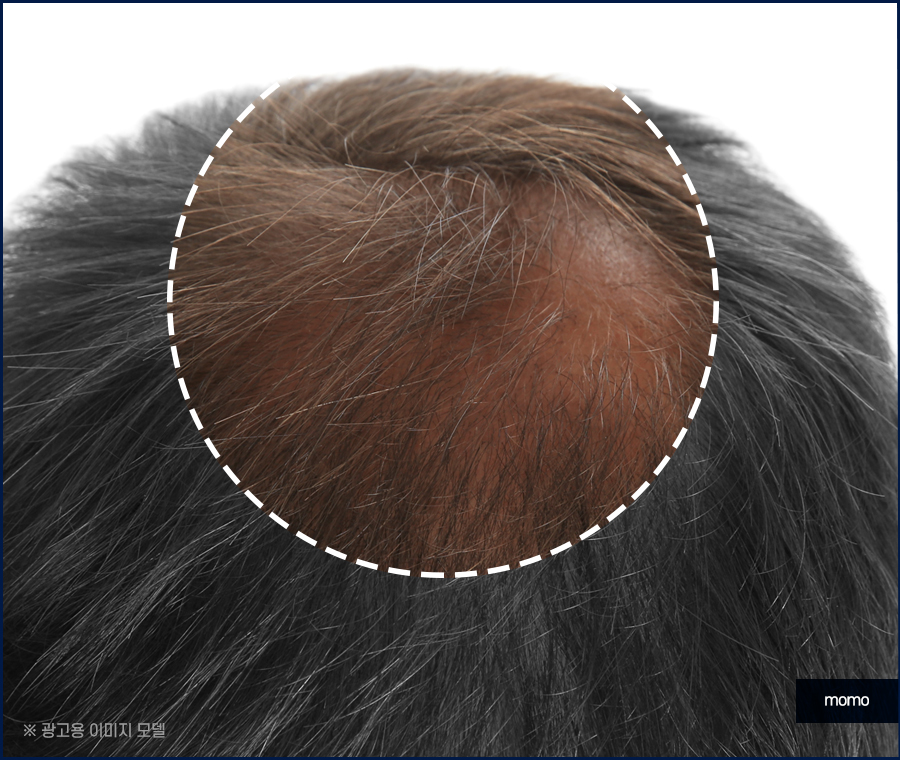
First, there are various causes, and among them, the most representative factor
is excessive sebum secretion. The scalp, like facial skin,
has sebaceous glands distributed across it, so people with an oily type
who naturally have a lot of oil also produce excessive sebum.
In addition, this area tends to have a relatively large number of sebaceous glands and blood vessels,
and the pores are usually larger as well, making it easy for oiliness
to develop and thereby creating an unpleasant odor.
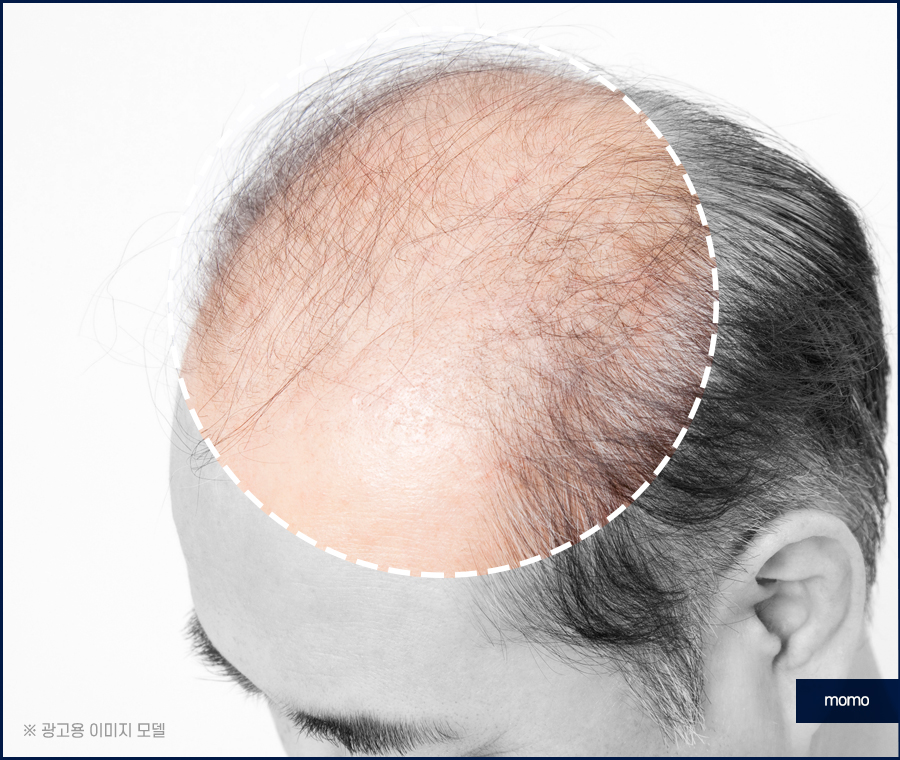
And sometimes, this symptom may also accompany seborrheic dermatitis,
a very common chronic condition seen in about 3 to 5% of young adults.
This can worsen not only due to problems with sebum secretion but also due to stress,
the environment one lives in, and bacterial or fungal infections.
Also, if fungus is present on the scalp, it can trigger inflammatory reactions such as
folliculitis, dandruff, and eczema, making the scalp dry and causing an odor.
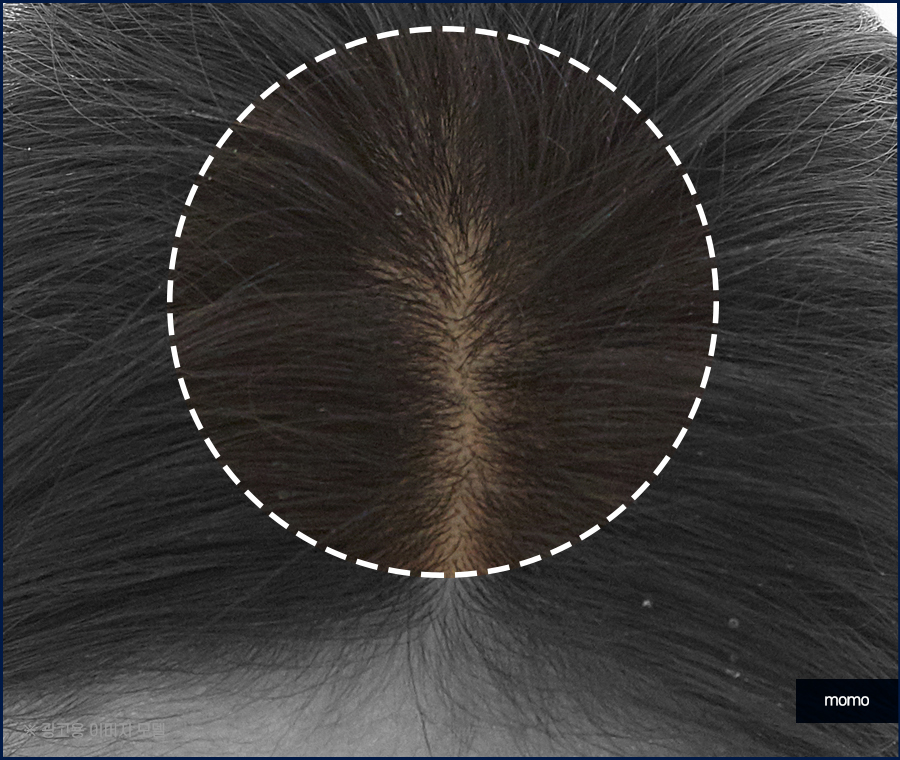
Another cause is when the sebum on the scalp mixes with waste substances brought in from outside.
Residue left behind because shampoo was not rinsed out properly,
as well as the chemical ingredients in products, can cause irritation,
leading to even more oil production and making the unpleasant smell worse.
And whether the symptom appears can vary depending on how well wet hair and skin are dried.
At this time, it is important to dry the scalp thoroughly, including the inner areas.
If you do not dry it properly, bacteria can multiply more actively.
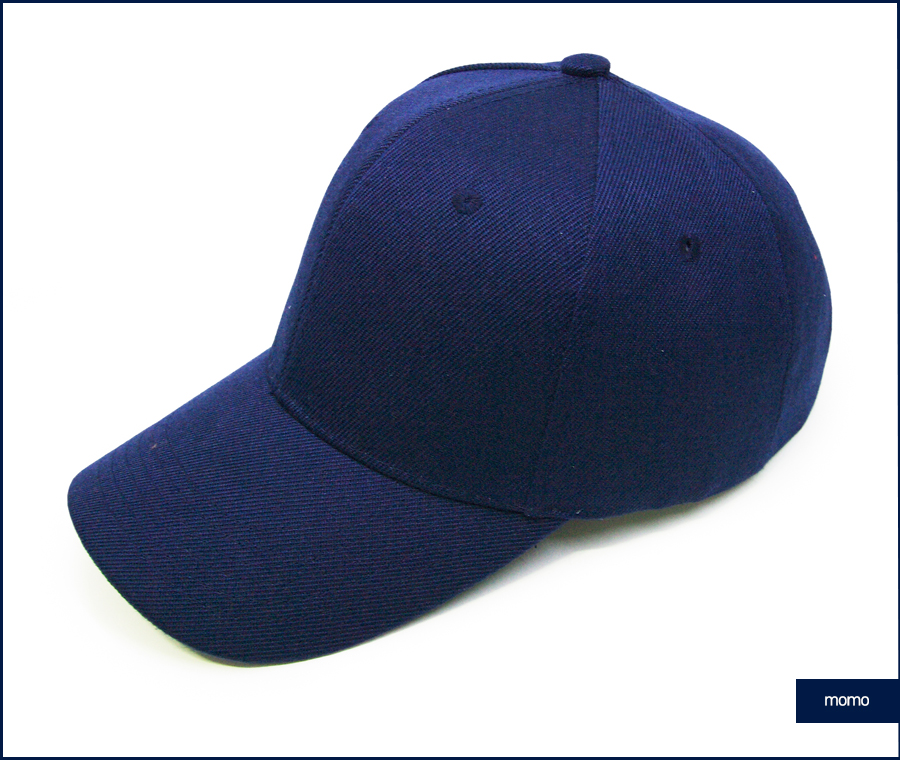
In particular, habits such as going to sleep while still not fully drying your hair,
washing your hair infrequently, or wearing hats or hair accessories for long periods
when going बाहर can worsen crown odor removal and may be a major cause,
so it is advisable to avoid such behaviors.
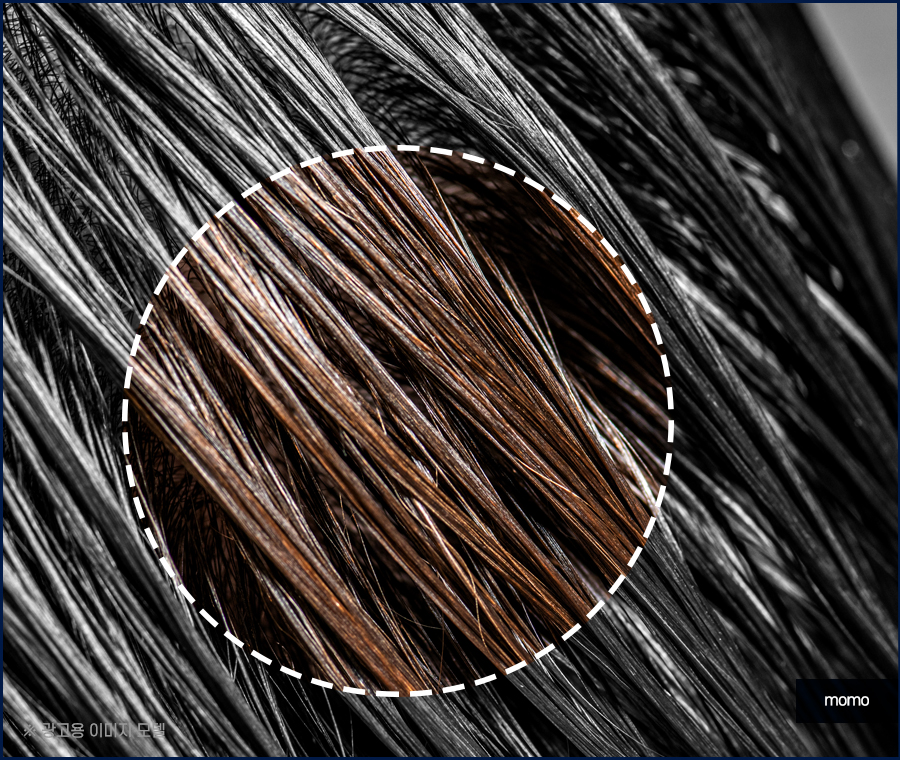
Therefore, consistently maintaining cleanliness and learning and improving proper lifestyle habits
can help with eliminating it. Also, after being exposed to moisture and heat for a long time,
or after exercising or playing sports, a lot of sweat may be produced.
Although sweat itself is colorless and odorless, when it mixes with microorganisms or waste substances,
it can give off a smell from the top of the head, so after such activities,
it is important to wash thoroughly.
Now that we have looked in detail at the reasons that cause odor,
let’s talk about ways to effectively remove crown odor.

Because it often does not go away and continues to smell, you may think
that washing your hair more often would be better. Of course, removing waste and sweat is necessary,
but washing too frequently is essentially no different from removing the scalp’s natural protective ingredients,
so it is preferable to manage it at intervals suited to your own type and characteristics.
The same applies when using hair products such as shampoo: it is also important
to choose the right product according to your symptoms and condition.

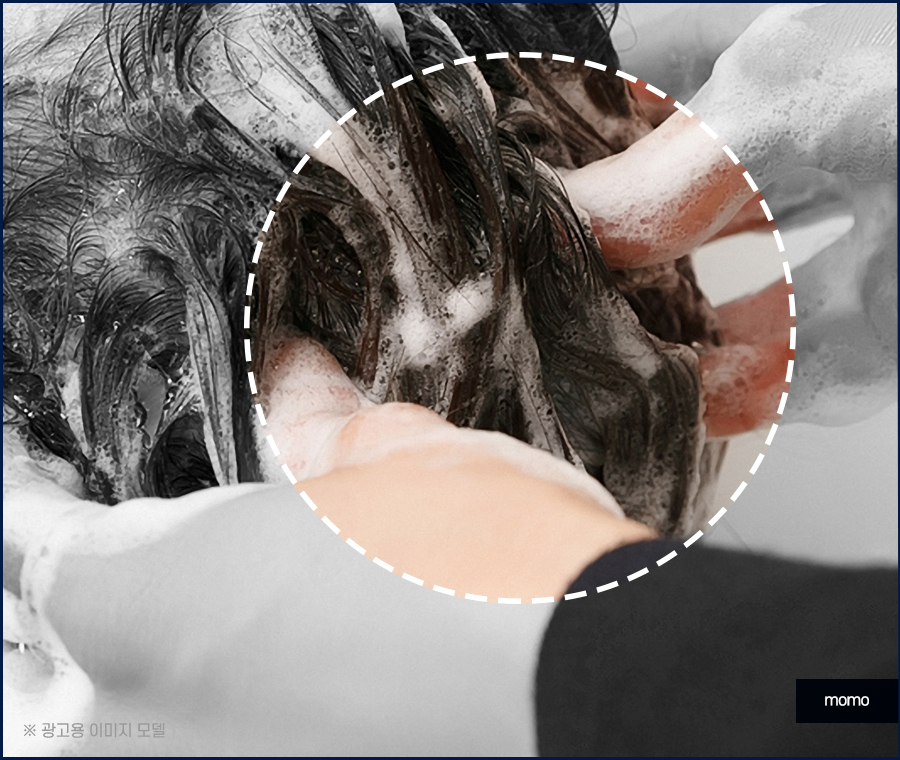
And when washing your hair, gently massaging the whole scalp can promote blood circulation
and remove waste around the hair roots as well.
In addition, when people buy hair-related products, they sometimes simply smell the fragrance and make a quick purchase,
but even if a product has a nice scent, excessive use and failing to rinse properly
should be avoided.
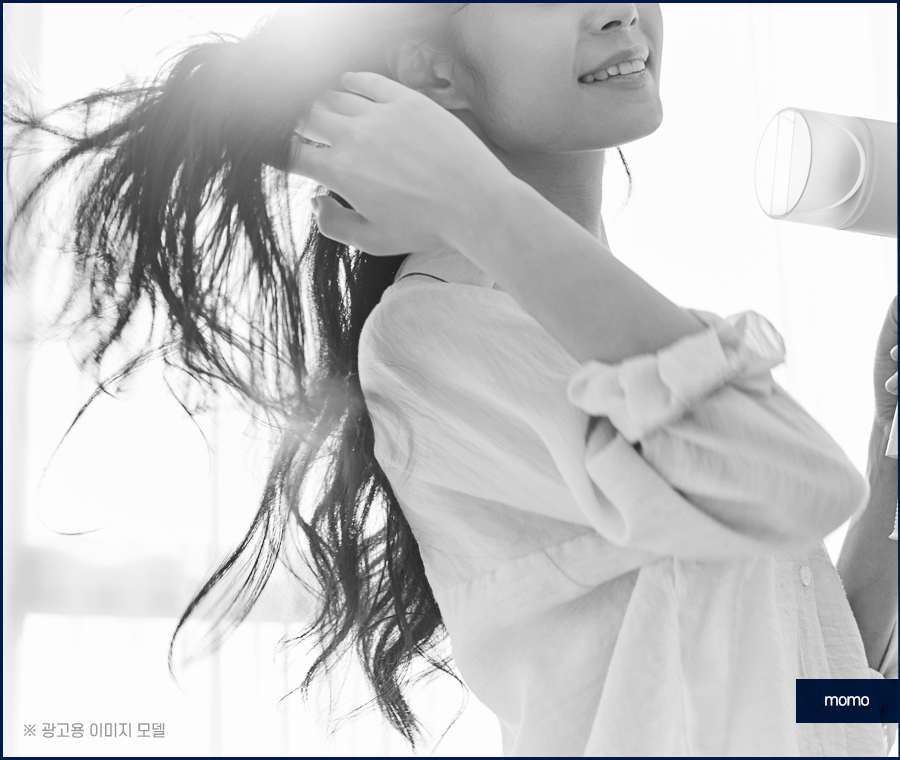
In addition, doing a scalp scaling treatment about once a week to remove accumulated dead skin,
sebum, and waste can also be one method. Also, wearing a hat for a long time
can cause problems as sweat and heat build up, so it is good to control the time you wear it
and take steps so that ventilation can be smooth.
Factors that can arise in daily life, such as stress, lack of sleep,
and excessive alcohol consumption, can worsen scalp and hair health,
so it is advisable to improve them with regular and balanced habits.