As people get older, various changes naturally come with aging,
but hair loss cannot be explained solely by aging.
In the past, it mostly appeared among middle-aged and older men,
but now, regardless of age or gender, more and more people are reporting deep stress
because of the loss of natural hair.
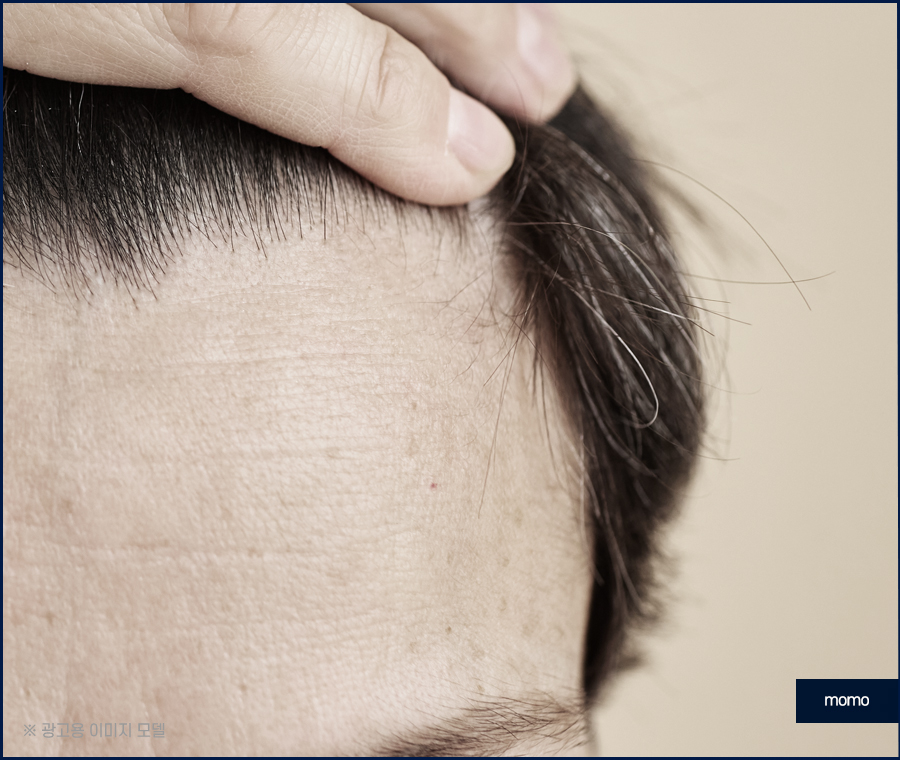
According to one statistic, the number of people experiencing hair loss has reached about 10 million,
which shows that it is becoming a very serious issue. When hair disappears and density decreases,
freedom in hairstyles naturally declines, and in the end, styling becomes limited.
The dream of a stylish design that suits me also starts to feel farther away.
All that remains is to urgently think of ways to simply cover and hide the empty areas,
and psychological pressure can only grow stronger.
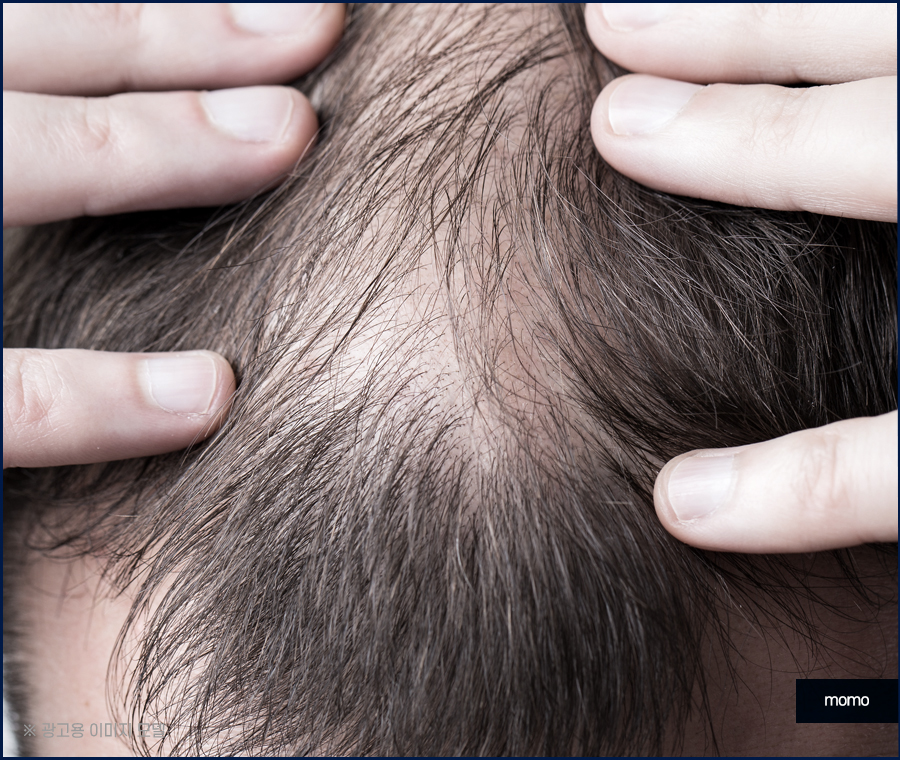
In this era, where appearance is considered important,
if hair loss exposes the scalp clearly, it can affect one’s credentials
and eventually even cause problems in social life.
Therefore, it is judged that using appropriate methods or procedures
is a good way to supplement and improve one’s image.
Hair loss can occur due to various factors.
In general, genetics has a strong influence,
but abnormalities in hormone secretion are also one of the main causes.
In addition, it can appear due to extreme stress,
and it may suddenly affect people with high levels of psychological anxiety as well.
In the past, it was often just a matter of individual aesthetic concern,
but recently it has also emerged as a social issue,
and now measures to alleviate and improve it are being actively proposed in various places.
From folk remedies to procedures, there are many different methods,
but among them, hair transplantation is one of the methods that allows you to feel the clearest before-and-after change.
It is not simply filling in with hair fibers or hiding with a hat or wig,
but a method of restoring fullness by transplanting other hair, including body hair,
into the empty areas. Because you can see the transformation naturally,
it is also a very popular procedure.

Because it restores 부족한 areas with medical help as if hair had originally been there,
satisfaction tends to be very high. At this time, for satisfaction with the outcome to be high,
the survival rate must be high. The process involves harvesting follicles from the back of the head or other areas
that are not affected by hair loss, and then transplanting them into the empty areas.
The procedure is divided into incision and non-incision methods.
You choose the method that suits you best and undergo the procedure,
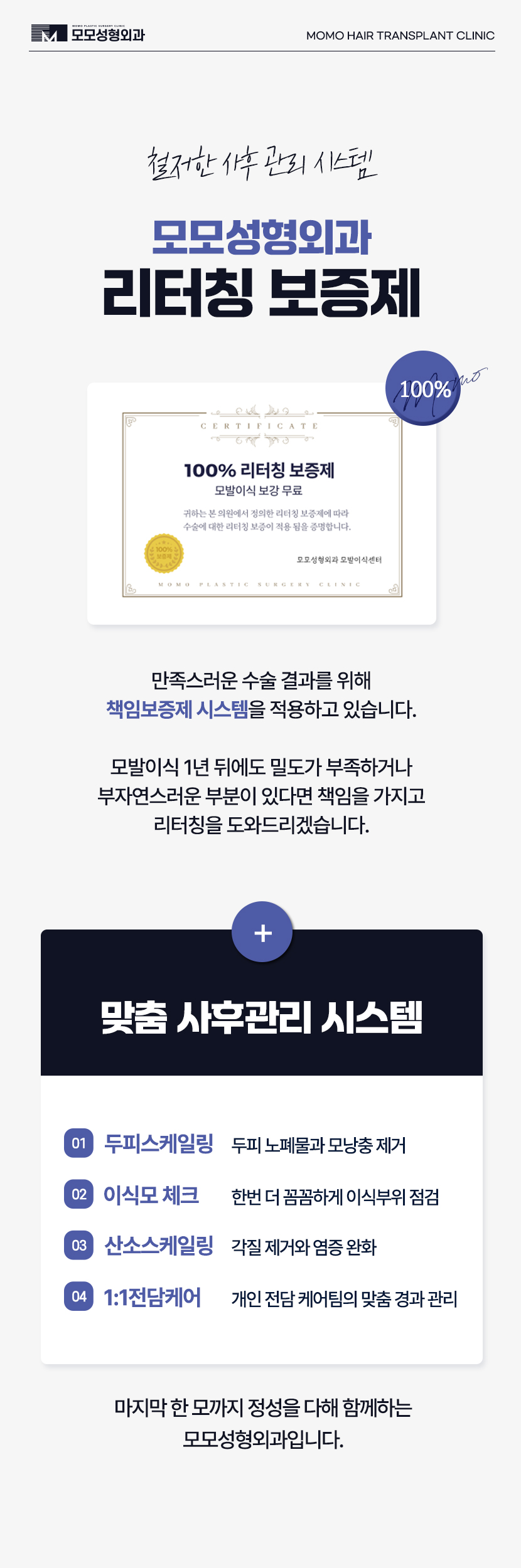
but since the survival rate is key, you need to pay very close attention to the hair transplant retention period.
It takes a certain amount of time for the transplanted natural hair to settle and grow,
so you need to help it stay in place and grow well.
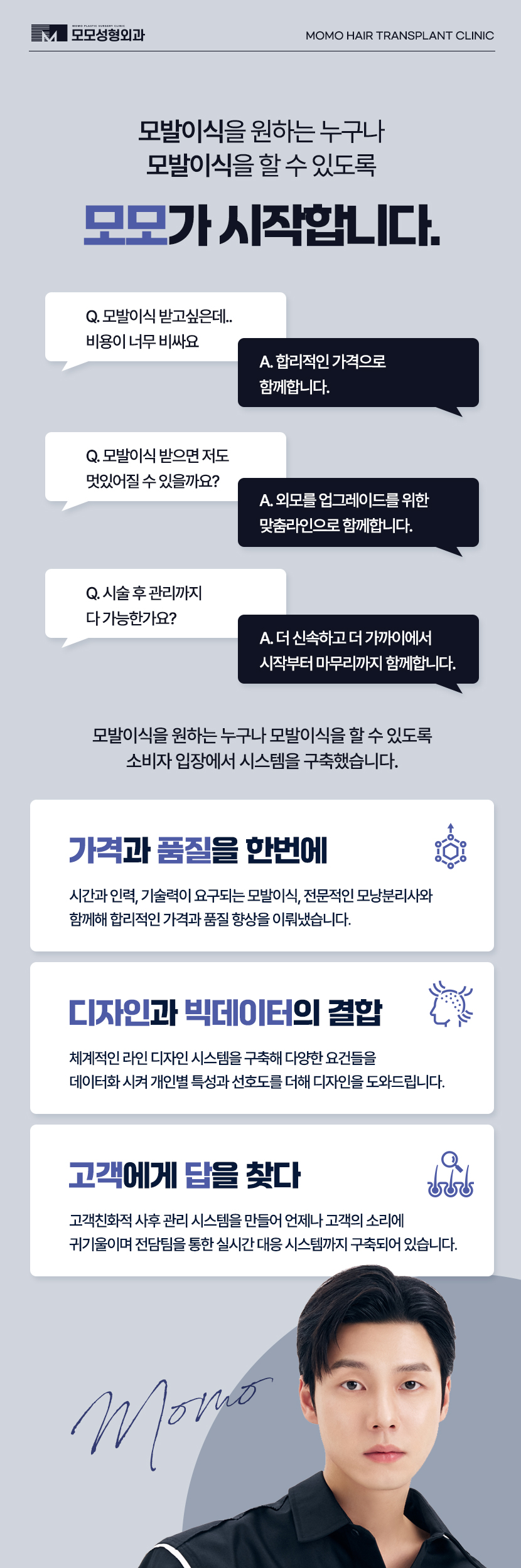
That is why the importance of aftercare must be recognized and managed carefully.
The way you care for it affects how well the transplanted hair grows,
and time is needed for stable growth. During that time,
you must faithfully follow all instructions provided by the medical team.
Even after the procedure is over, you need to pay attention for a certain period afterward
in order to truly move closer to the outcome you wanted.
You need to be deeply concerned about the probability of stable fixation
and take care so that even a single strand can grow normally.
The time it takes for it to settle is about two weeks.
From 24 to 48 hours after the procedure, the hair may be positioned about 900% more,
but depending on individual characteristics, progress may differ.
That is why it is even more important to understand and follow the guidance of the medical staff.
You must recognize that once it settles properly and takes root,
the chance of achieving the desired result increases.
In general, a survival rate of over about 80% is considered a successful procedure.
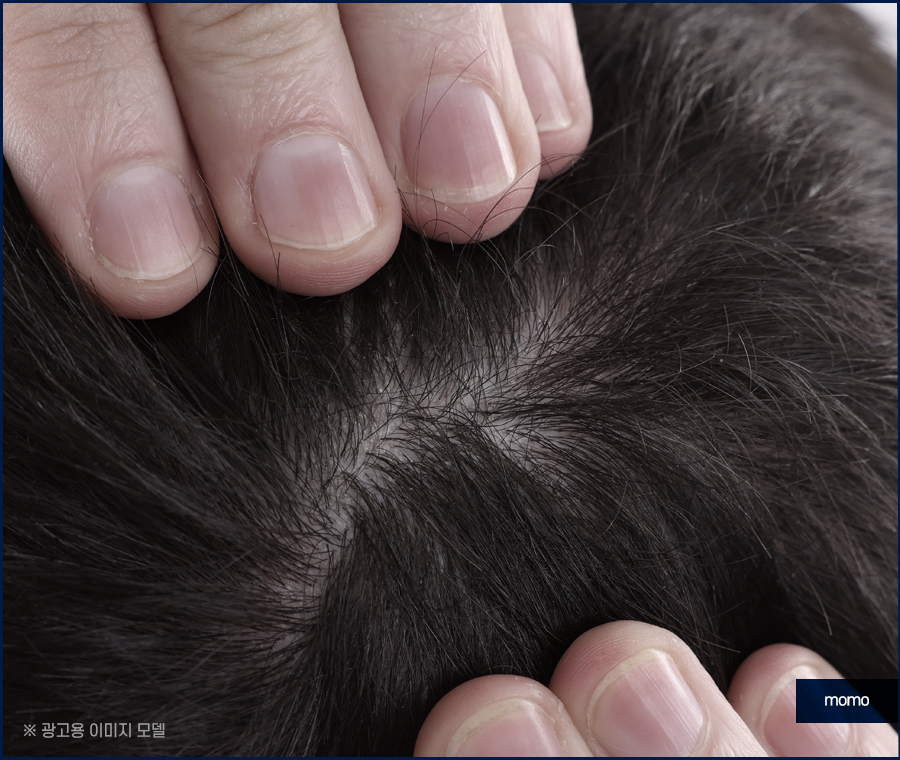
Usually, at first, the grafts are placed, and after some time scabs form and fall off.
Even if the hair seems to disappear at that point, there is no need to panic,
because it is only the hair shaft that falls out, not the hair root.
That means it has settled, and after that, hair growth naturally follows.
Hair should be secured through this kind of process,
but sometimes people forcibly remove the scabs.
However, if that happens, it can become an obstacle to growth,
so it is best to wait and let them fall off gradually.
During the hair transplant retention period, the process of scab formation is essential,
but some people become worried when they come off earlier than expected.
However, this varies from person to person,
and if they come off naturally, it means the area has healed,
so there is no need to worry too much.
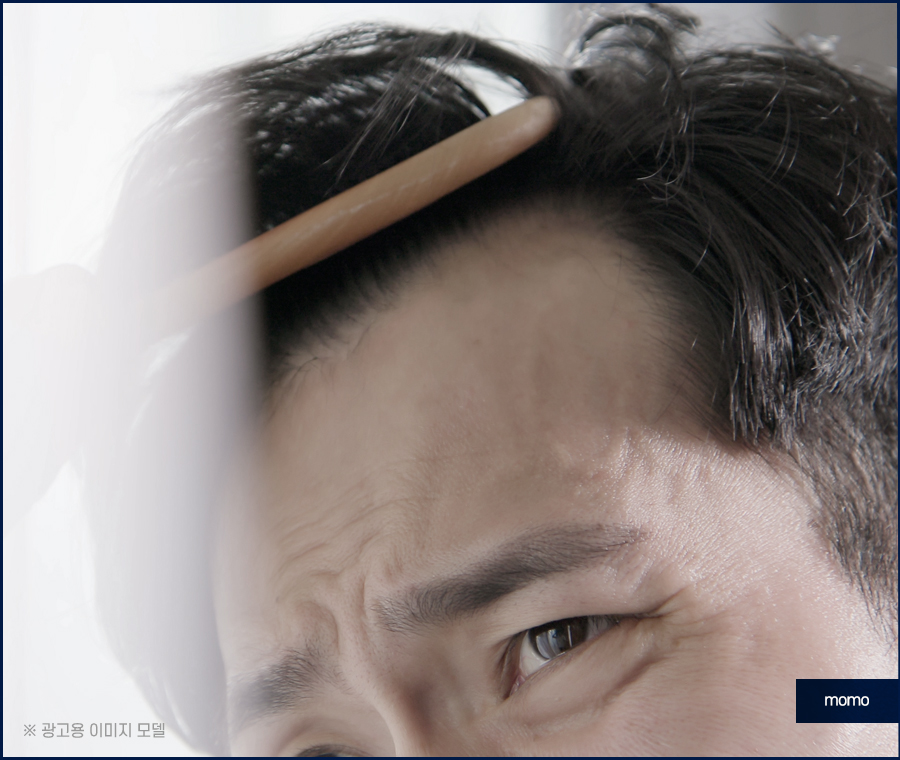
In fact, the implantation procedure itself is of course important,
but to improve the completeness of the outcome,
the management routine during the hair transplant retention period is very important.
Therefore, during the instructed period, it is good to drink plenty of water,
avoid any actions that irritate the scalp,
and actively protect your precious natural hair from various issues.

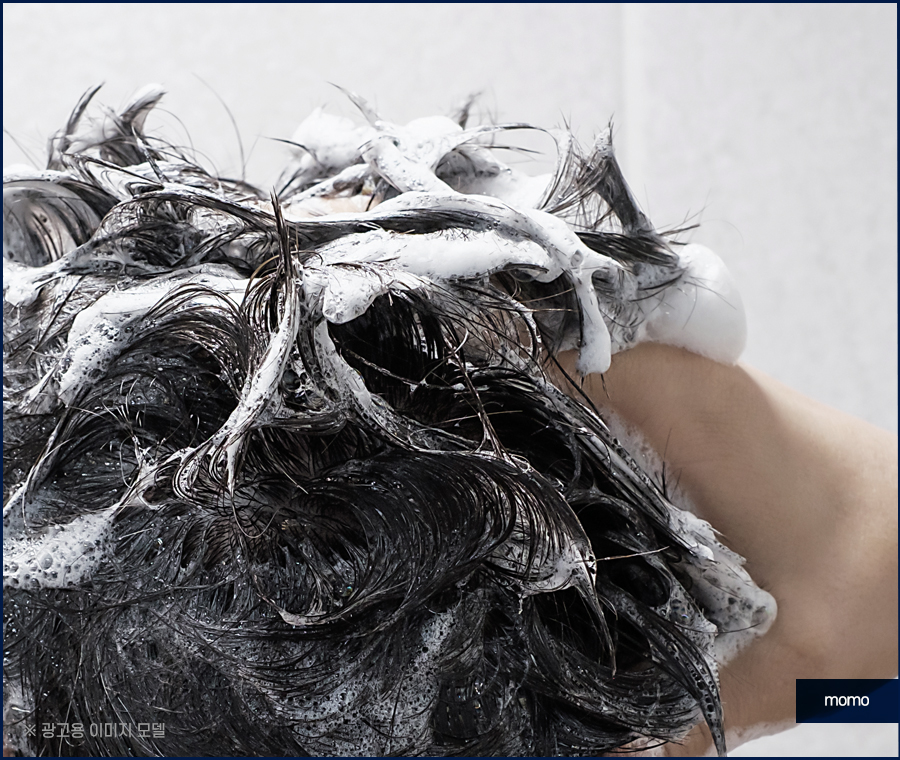
You must follow all the clinic’s recommendations without omission,
from shampooing methods to disinfection.
During the hair transplant retention period, you should also avoid drinking alcohol and smoking.
If you overlook this and continue drinking, for example,
it can naturally cause blood vessels to constrict and increase the possibility of inflammation,
which may significantly reduce the survival rate.
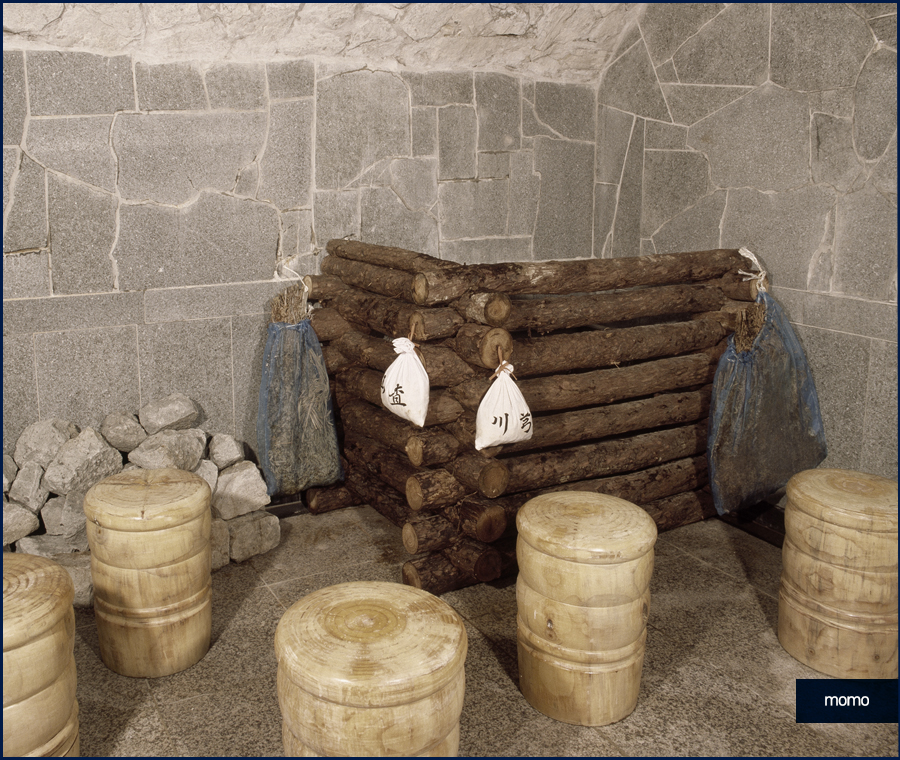
In addition, to avoid strong irritation to the scalp,
you should avoid intense exercise that causes sweating,
and it is better to stay away from places or activities where high heat may be applied,
such as saunas and jjimjilbangs.

Only by understanding these points can you finally complete the look you wanted.