We tend to care about and style the overall appearance
that is visible from the outside,
and we often enjoy dressing up.
So then,
what kinds of elements can express one’s individuality
and charm?
You may work on shaping your body line by maintaining
a healthy diet that includes nutrients evenly,
and by exercising or playing sports at an appropriate intensity.
You may also try different makeup looks by following the fashion
styles of trendsetting celebrities or influencers,
or by using a personal color that suits you and the right formula,
instead of your usual clothing style.
Depending on seasonal changes or your psychological state,
you can also change your hair design as you like—
for example, if you have been keeping a hairstyle with a soft curling effect,
you might cut it shorter and adjust the length.
Among the techniques that can create such a distinctive look,
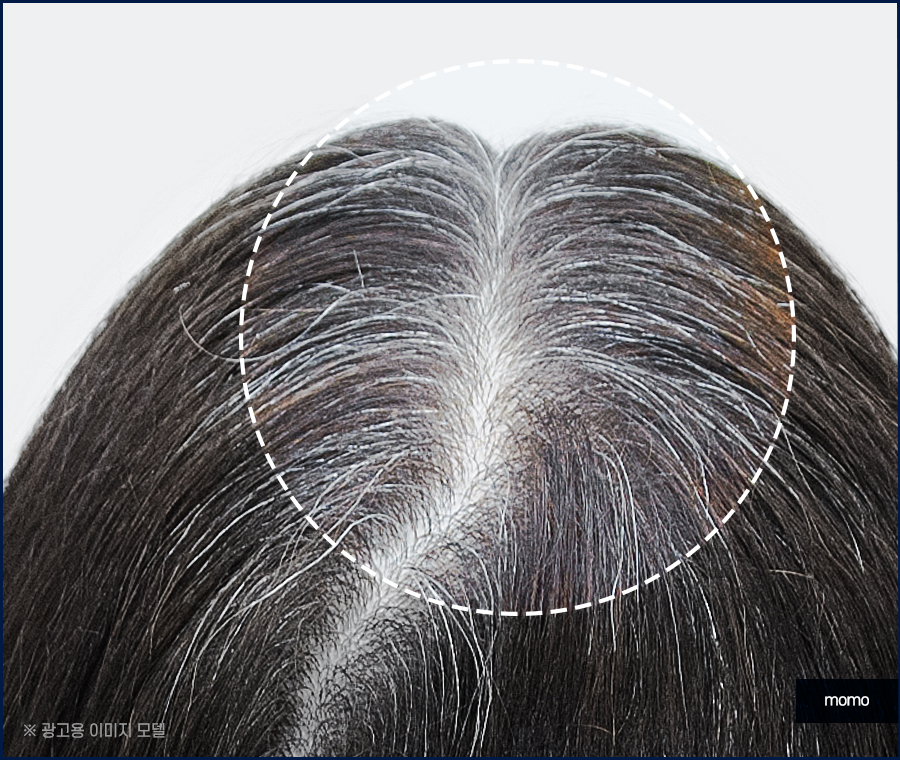
there is the coloring method of dyeing hair in various shades.
This not only enhances your individuality and charm,
but also helps cover gray or white hair so it is less visible,
allowing you to move away from a look that seems older
and instead have a more youthful image.
As many people are interested in different hairstyles,
it is said that about 64% of people in Korea have answered that they have used hair dye.
Even though they tried it for a new change,
there are cases where people complain of an itchy scalp after dyeing.
Some people say they can tolerate it if the symptoms are not severe.
However, if this discomfort comes with every hair-color change,
it can become quite difficult.
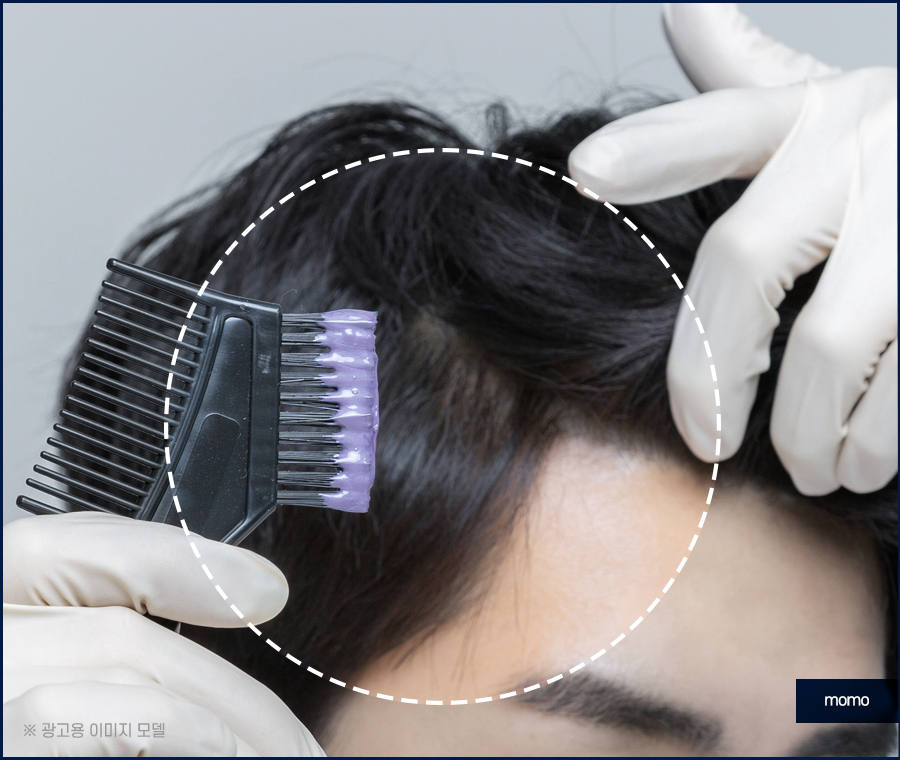
Among the symptoms reported after using hair dye,
itchy scalp after dyeing, tingling pain, and dryness are said to occur in that order.
The most commonly affected area is usually the face,
followed by the scalp, neck, trunk, and hands.
In addition, common lesions are known to appear as red spots and flat lesions,
and papules that rise up to the size of a millet grain or rice grain,
as well as flakes and oozing, are also observed.
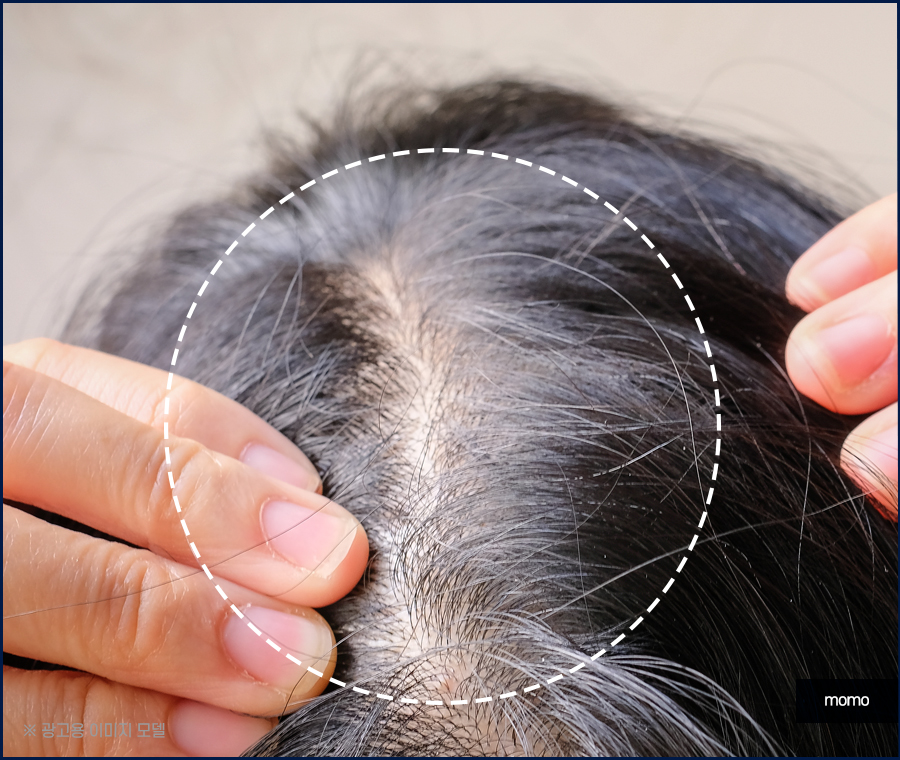
Such allergic reactions to hair dye are said to be more common in middle-aged and older adults over 50.
Therefore, one ingredient that can cause an itchy scalp after dyeing is para-phenylenediamine,
a substance that can cause contact dermatitis.
It is sometimes added to create black color, and the higher the concentration,
the more strongly it irritates the skin surface,
and the greater the possibility of an allergic reaction.
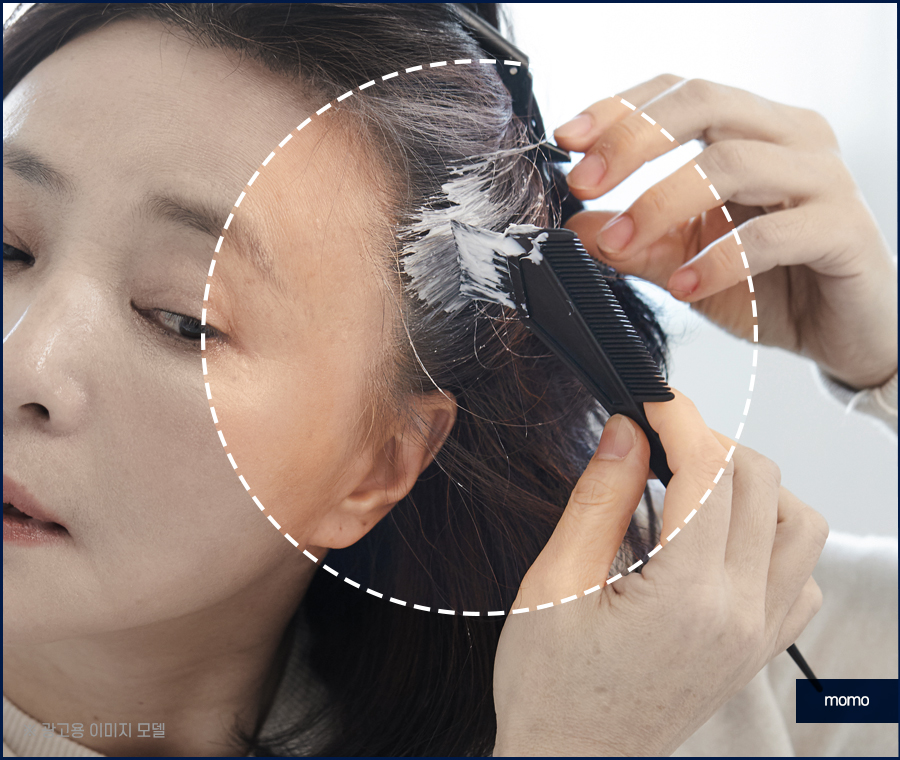
Also, when the number of times you dye your hair increases,
the range of allergic reactions to hair dye tends to expand as well.
Because para-phenylenediamine has a very strong antigenic property,
it is a representative ingredient that can cause not only an itchy scalp after dyeing
but also hair loss and swelling, so caution is needed.
As such, lesions caused by hair dye are observed in various ways clinically.
In addition to typical allergic contact dermatitis,
symptoms such as an itchy scalp after dyeing can make the skin continue to be scratched or rubbed.
As a result, the skin may gradually become thicker, rougher, and swollen,
and it should be noted that hives and similar symptoms can also be triggered.
Then, let’s take a look at ways to prevent and relieve an itchy scalp after dyeing.
First, to prevent allergies or itching from hair dye in advance,
it is a good idea to check the safety of the product through a skin reaction test before use.
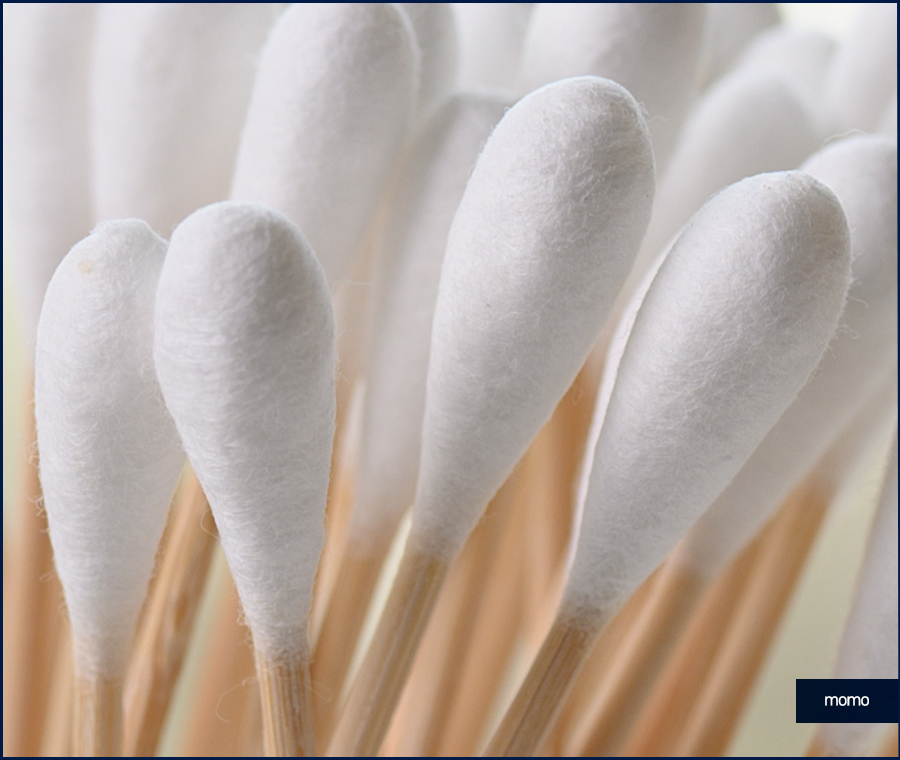
This involves applying a small amount of the product to a cotton swab,
then placing it behind the ear or on the inner arm and observing what kind of skin reaction appears for about 1 to 2 days.
At this time, if you apply hair dye to the gauze part of a disposable bandage and stick it to the skin,
you can carry out the test more easily without worrying about it getting on your clothes.
If no itching, swelling, or issues such as oozing occurred in the area during the attachment period,
you can try the hair-dyeing process.
However, because the reaction may differ each time due to aging or changes in your body constitution,
it may be inconvenient, but it may be advisable to perform the test every time before proceeding.
If you feel irritation at the area where the product was applied and side effects such as blisters appear,
it is important not to try to touch the product with your hands, but to wash it off immediately with water
or wear gloves and clean it thoroughly.
In this case, you should not proceed with the hair-dyeing process.
If you proceed after undergoing such a test, but the itchy scalp after dyeing does not improve
and instead becomes severe, what should you do?
In such a situation, it is best to visit a clinic immediately and receive consultation and diagnosis from the medical staff.
In particular, if the condition goes beyond itching and oozing even appears,
the reaction is considered to be strong, and it is difficult for it to improve naturally without proper treatment.
Therefore, it is advisable to receive a thorough examination from the medical staff
and carry out appropriate measures that can help.
Also, if these symptoms occur every time, it is better not to use the product,
and even when there are wounds on the scalp or wounds, skin-related lesions, or sores
near the hair, face, or nape of the neck, it is advisable to avoid this procedure.
If your skin is usually sensitive, it is also better not to dye areas such as the eyebrows.