From the moment a person is born into the world,
while slowly maintaining their own pace,
they go through step-by-step growth and, after
reaching a certain point,
gradually age as time passes.
This is a cycle that everyone inevitably
goes through in life. During that process,
one may experience changes in the overall
body as well as in outward appearance,
with transformations that are very different
from the 모습 that once proudly represented youth.
We call this phenomenon aging. And among the
main symptoms that can occur through this process,
as the balance of oil and moisture is disrupted,
skin elasticity declines and small and large wrinkles
appear, or the function of internal tissues and cells
slows down, causing various symptoms to emerge one
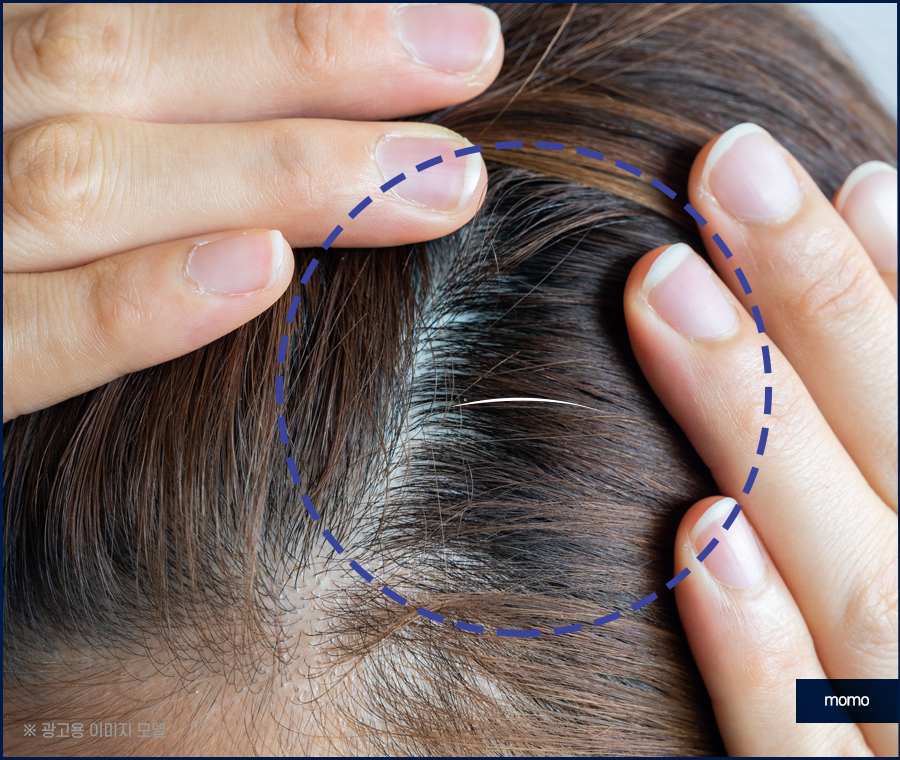
by one. In addition, while having uniformly black hair,
white hairs begin to appear here and there, and this
often makes one vividly feel the traces of time that
has passed.
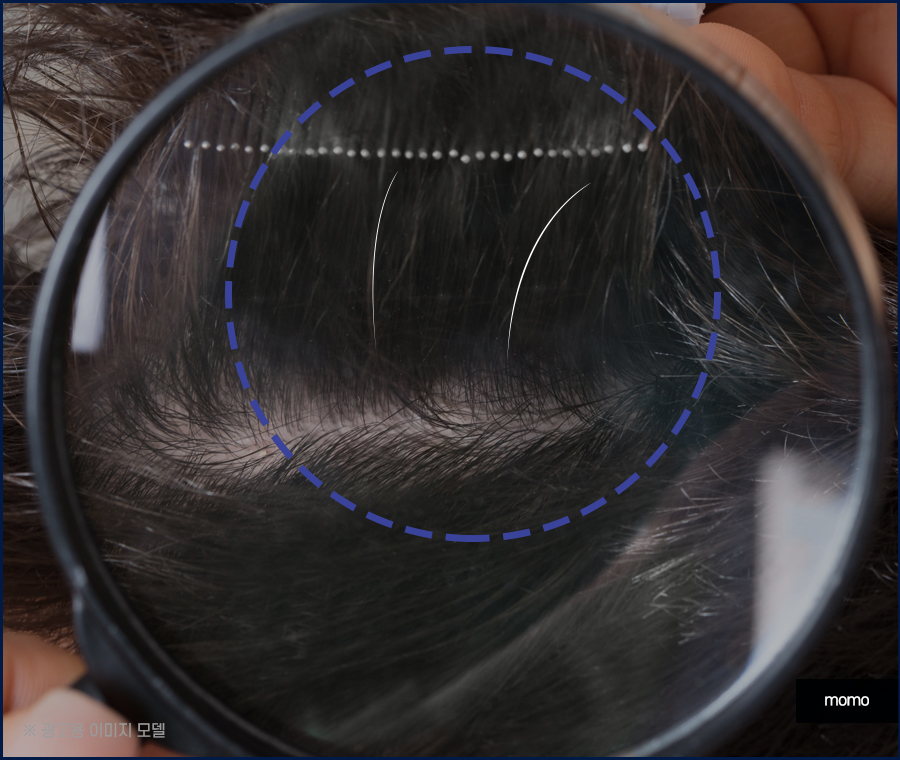
However, even apart from the effects of aging,
some people in their 20s and 30s reportedly experience
the problem of white natural hair due to various causes,
and this can become a severe complex and source of
stress. Then, let’s take some time to talk in detail
about the reasons gray hairs appear and why you
shouldn’t pull them out.
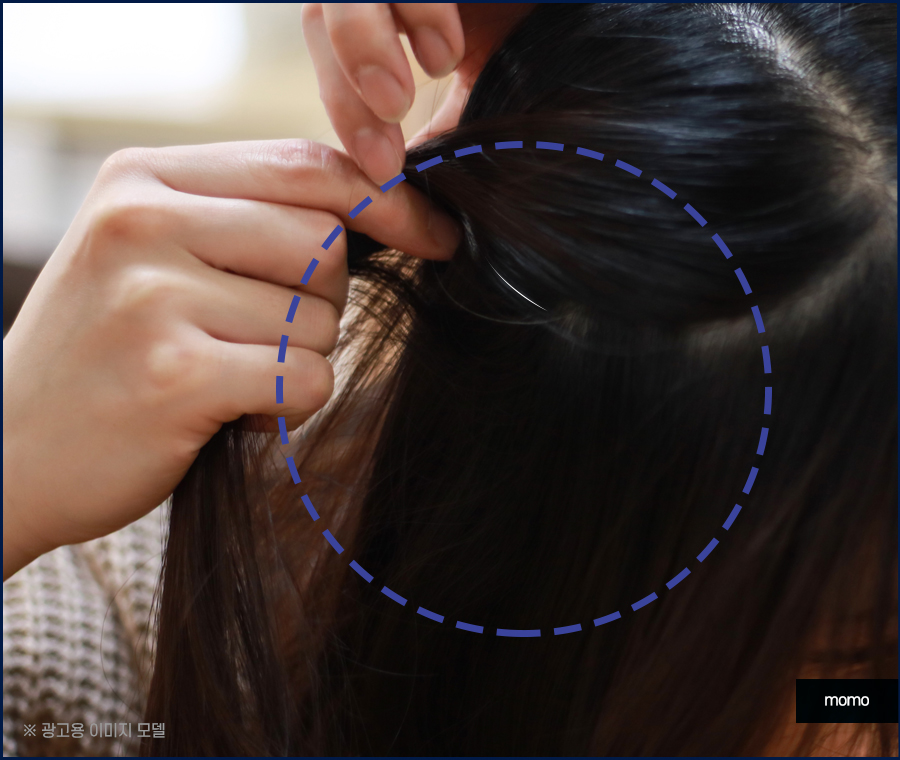
First, white hair and gray hair are the same concept,
with only the name being different. In the root of
natural hair, that is, the hair follicle, there are cells
that produce melanin pigment, and as the activity of
these cells gradually declines and decreases, white
hair appears. On average, this begins after the late
30s, and over time the amount gradually increases.
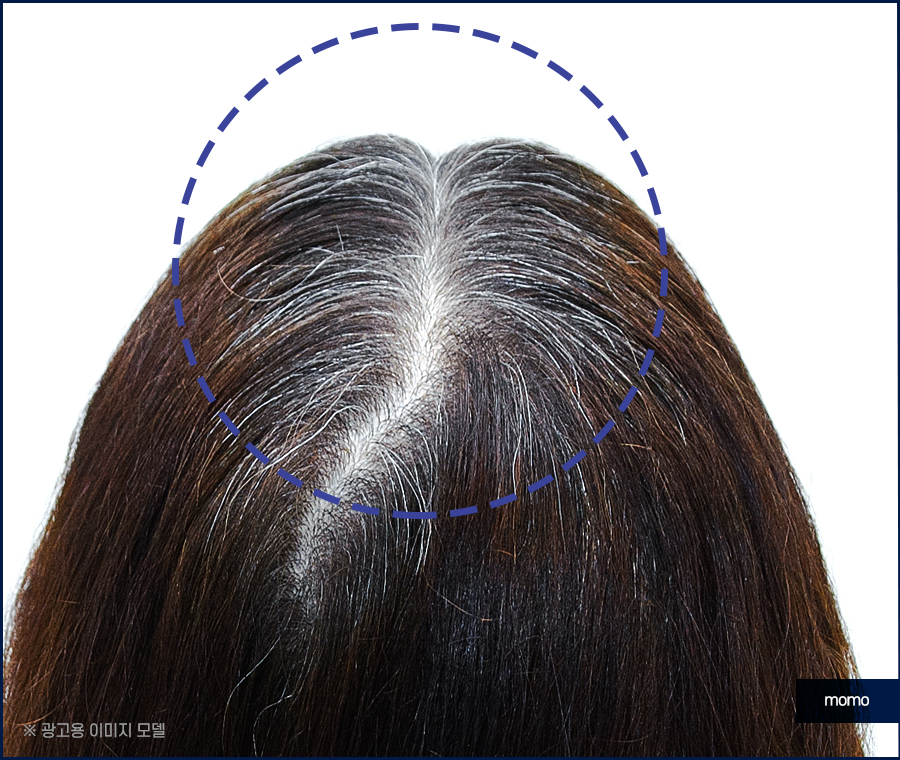
One of the most commonly known reasons gray hairs
appear is that it can occur partly due to genetic
factors. Certain gene mutations can reduce the ability
to produce pigment in natural hair, and according to
studies, the appearance of white hair may also follow
a family’s genetic pattern, and in some cases it can be
inherited naturally when there are members with a
large amount of gray hair.

It is also said that when suffering from endocrine
diseases such as alopecia areata, vitiligo, anemia,
or diabetes, gray hairs can appear due to lowered
immunity. In addition, medications taken regularly or
ongoing excessive stress are also cited, as they can
trigger chemical changes related to hair pigment
production. In particular, when in a tense state, the
secretion of cortisol, a hormone that suppresses the
production of melanin, has been shown to increase.
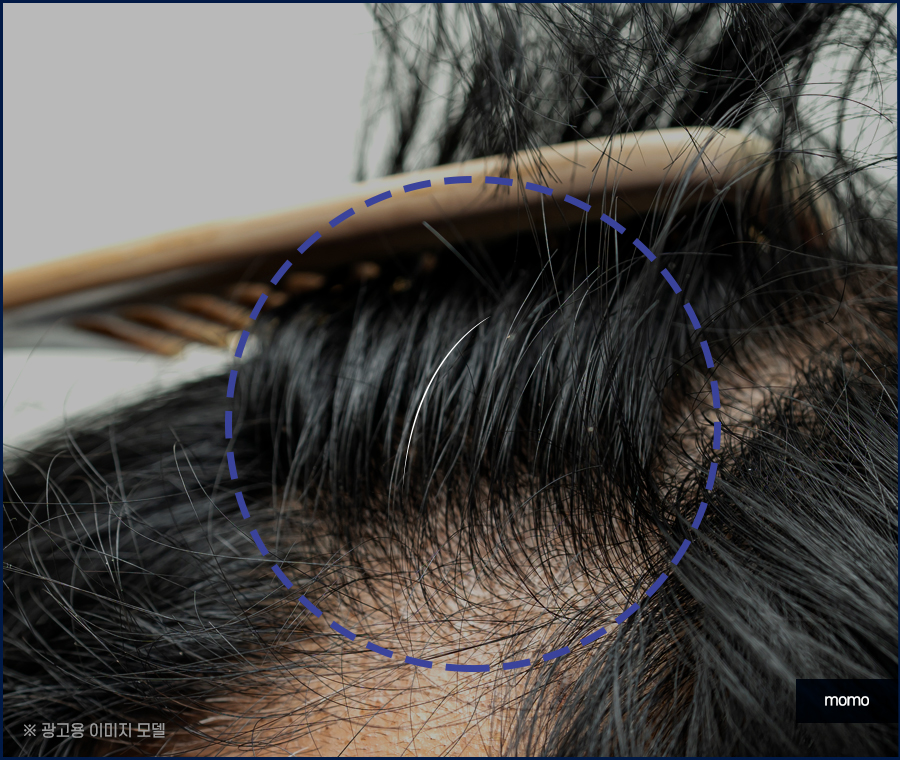
Another reason gray hairs appear, stemming from habits
that are easy to overlook in daily life, is that improper
hair care can become a factor that further promotes the
appearance of white hair. Leaving the scalp exposed to
ultraviolet rays for long periods, using excessive heat
for styling, undergoing procedures that require chemical
treatment, or tying the hair very tightly can all reduce
the overall health of the hair and increase the likelihood
of gray hair appearing.
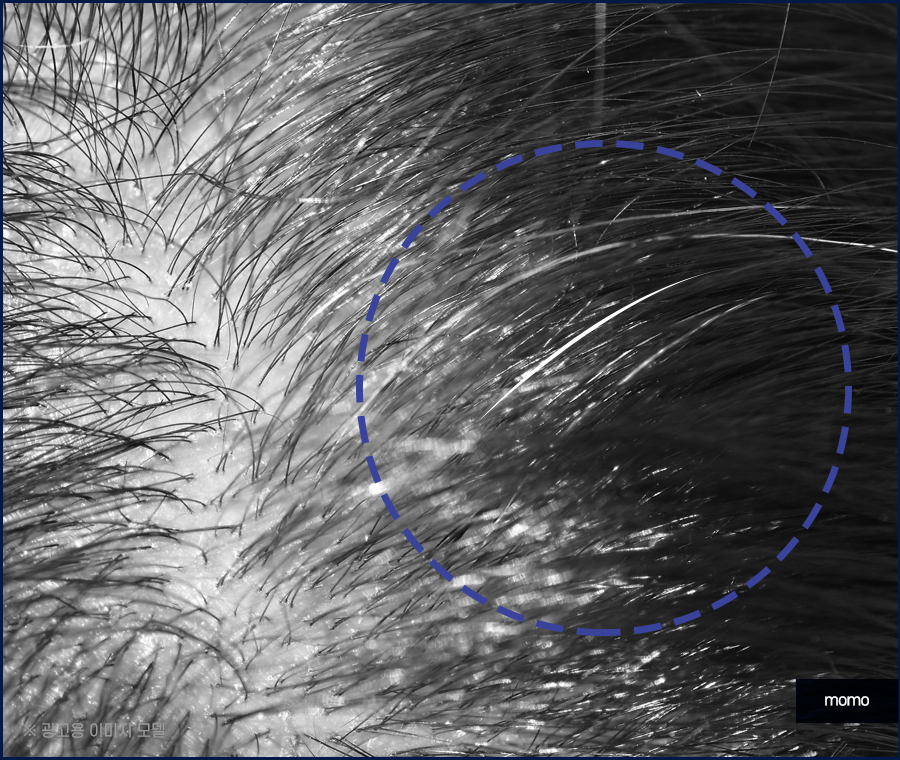
In addition, irregular eating habits and extreme dieting
can lead to a lack of nutrients reaching the hair, which
can in turn reduce melanin synthesis. Because of these
various reasons gray hairs appear, white hairs becoming
visible on the surface can be very bothersome, and some
people try to hide them or even pull them out because
they seem to make them look older. However, doing this
frequently can damage the hair follicles and may act as
a major cause of hair loss.
Also, hair follicles usually produce 1 to 3 hair roots,
but if you pull out gray hair for cosmetic reasons or
other reasons, the hair root may be damaged and hair may
no longer grow. And hair, including natural hair as well
as the hair distributed throughout the body, plays an
important role in protecting the skin, defending against
external stimuli, and maintaining moisture. However, if
you forcibly remove hair that serves these functions,
the skin will be left exposed, increasing the inflow of
ultraviolet rays, fine dust, and various bacteria. It is
important to keep in mind that the skin may become even
drier, leading to problems such as other inflammations or
infections.
In addition, since hair naturally grows and changes,
if it is artificially pulled out, its shape or texture may
change when it grows back, so caution is needed. Since
there are reasons not to do this, it is desirable to maintain
the health of the skin and hair through meals rich in
nutrients in everyday life. In particular, developing the
habit of consuming foods that contain a good balance of
vitamins and minerals, as well as adequate hydration,
would be helpful.

It is also good to keep things clean and pay attention
to oil and moisture hydration, and to relieve accumulated
stress through activities such as exercise, meditation,
and rest that suit one’s interests and preferences, so
that not only physical health but also scalp and hair
health can be carefully managed.
In addition, if a specific problem related to white hair
is observed or other symptoms are confirmed, it would
be advisable to immediately visit a relevant clinic and
actively receive detailed consultation and appropriate
care.