These days, regardless of age or gender,
many people are paying close and detailed
attention to their appearance, which is how
others perceive them and how they present
themselves. They think about how to better
highlight their charm and individuality,
and they make various efforts to do so.
It is said that there is even a saying,
“Appearance is also a competitive edge,”
which reflects a social atmosphere in which
a person’s outward appearance is seen as
something by which their abilities and
qualifications are judged.
Because of this, if there is some sort of
shortcoming, many people feel that investing
considerable time and money is not wasted if
it helps develop a more favorable image and a
more positive impression. Among such elements
of appearance are a firm, healthy-looking
body, a face shape and features that match
one’s image, and so on. In particular, the
part that covers the overall sections and
lines of the face while also creating a
unique atmosphere may be the hairstyle.
Perhaps that is why many people try new
transformations by dyeing their hair in a
trendy color or creating a soft wave effect
in order to bring about various changes in
styling. However, for this kind of design to
be possible, it must be supported by strong,
elastic natural hair, abundant hair volume,
and a neat hairline. On the other hand, if
the hairline is sparse or uneven, or if there
is a lack of hair volume, there are limits to
creating the style one wants.
For that reason, the more interest a person
has in hairstyles, the more people are
looking into hair transplantation, whether
with the goal of improving chronic hair loss
or for aesthetic reasons. At the same time,
there are also many inquiries asking when it
is possible to dye hair after a hair
transplant.
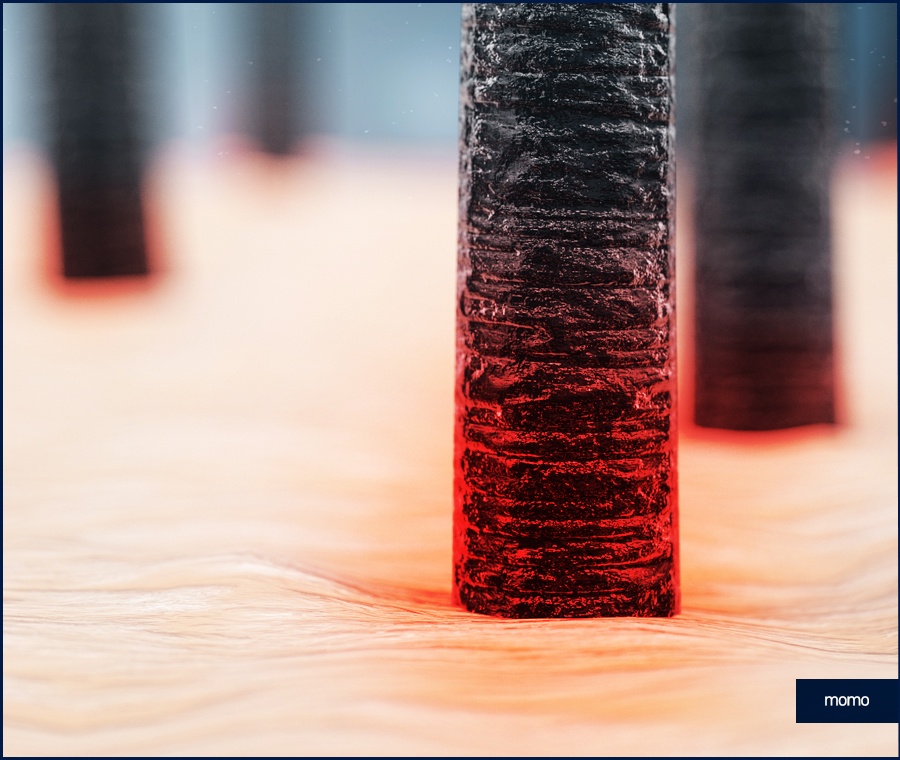
After undergoing this procedure, the scalp is
in a sensitive state because it has been
stimulated. In addition to allowing the skin
and the transplanted area to recover to a
normal state and considering the period when
the transplanted hair settles, it is very
important to avoid unnecessary stimulation as
much as possible during the two-week
engraftment period. For one month, it is
better to avoid exercise that may cause heavy
sweating, smoking and drinking that can
impede blood circulation, as well as hair
dyeing, perms, and haircuts after a hair
transplant.
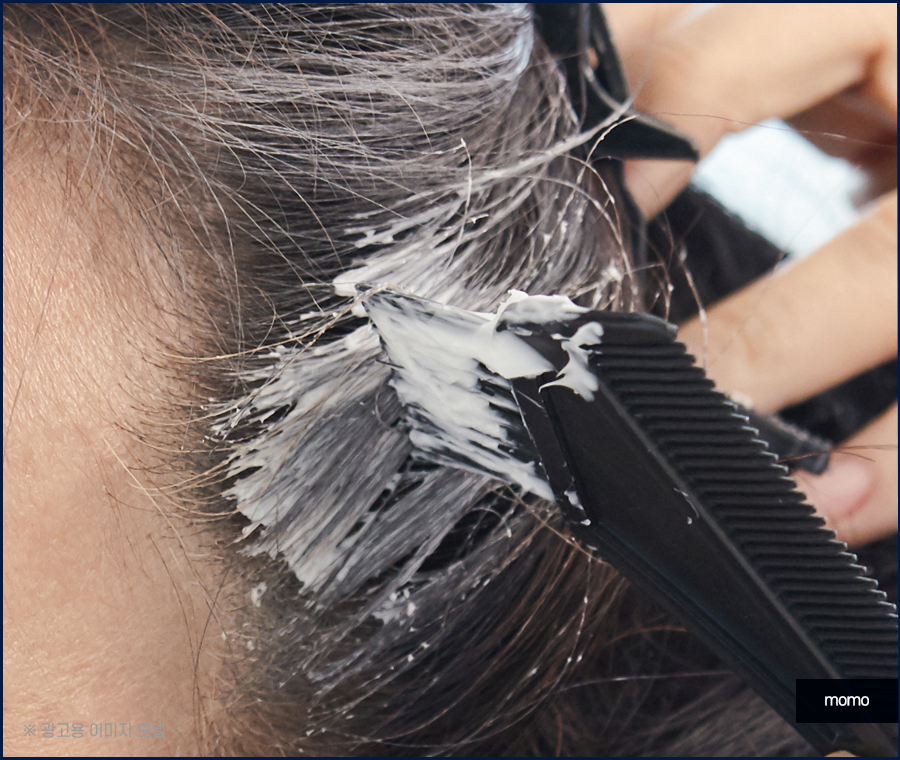
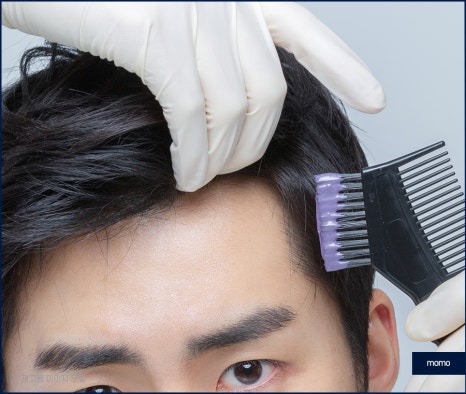
And while it may be okay to change the color
after at least two months, if such procedures
are done frequently without keeping a proper
interval, the chemical ingredients in the
products may刺激 the hair follicles and lead
to reactions such as inflammation, so caution
is needed. However, the speed at which the
transplanted area recovers may vary from
person to person, so it is advisable to visit
the clinic that performed the procedure,
receive regular progress checks, ask whether
it is possible, and then proceed accordingly.
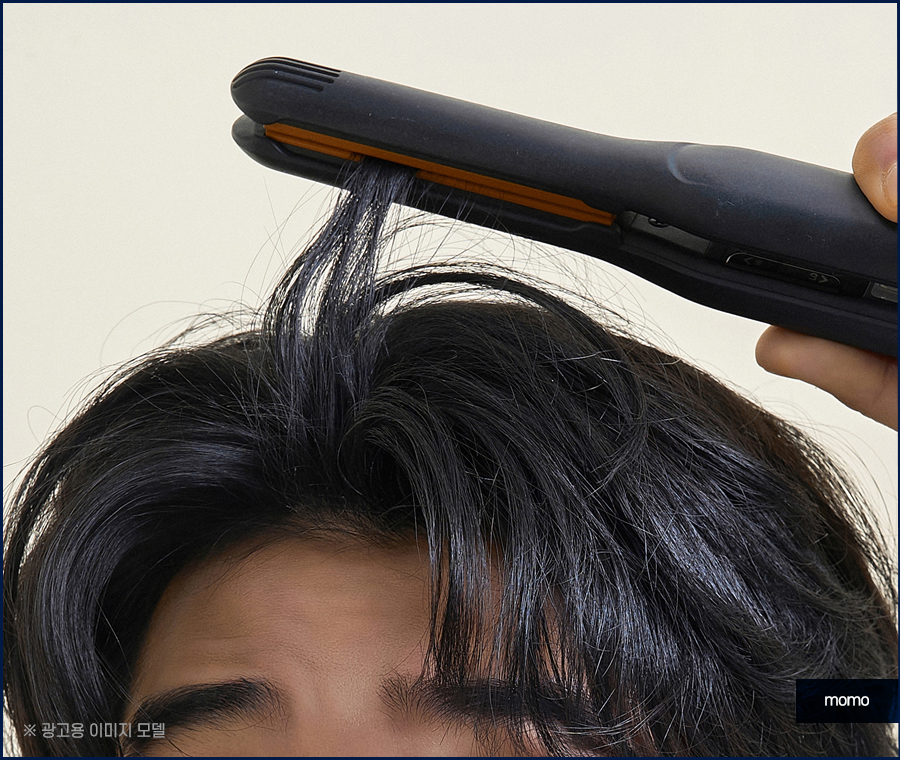
There are also questions related to perms,
such as hair dyeing after a hair transplant.
This, too, can irritate the scalp due to the
ingredients in the products used for the
procedure, and it can also have the same
effect on the transplanted hair. Therefore,
the stage that is appropriate for considering
hairstyling is after at least two months,
when the treated area is regarded as having
regained stability and engraftment has been
completed.
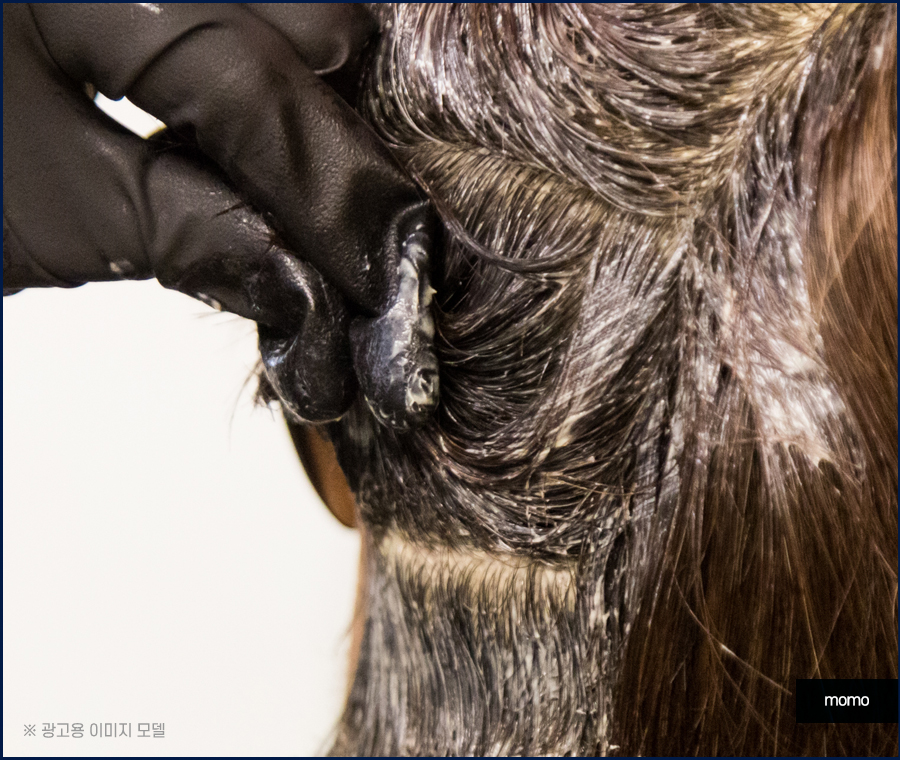
In addition, procedures such as bleaching can
likewise have a negative effect on the area
where harvesting and transplantation were
performed. So the first thing to consider is
to plan the initial engraftment period as up
to two weeks, and during that time, every
small action as well as even the smallest
direct stimulation should be carefully managed
so that no irritation is applied.
Therefore, in order for the transplanted
natural hair to settle in place securely, it
is best to remain patient and, for up to two
months if possible, avoid hairstyling such as
hair dyeing, bleaching, and perms after a hair
transplant. This is the most important
precaution to keep in mind. In addition, for
about three months after the engraftment
period ends, there comes a period known as the
dark phase, during which most of the
transplanted hairs fall out.
Just as existing hair falls out and grows
again, the newly transplanted hair also goes
through the process of pushing out the
original natural hair and growing into strong
new hair. From this point on, people who have
undergone the procedure may worry repeatedly
or become very concerned, thinking, “Is my
hair loss coming back?” or “Has a side effect
occurred?”

It is important to understand in advance that
this is also one of the natural phenomena, and
to wait slowly and calmly with a relaxed mind.
In addition, to manage the survival rate, which
is considered most important, your own effort
is also absolutely required. It is important to
actively make use of the systematic aftercare
provided by the clinic that performed the
procedure and to keep the recommended
precautions in mind in everyday life so that
you can continue to practice and follow them.