When stress builds up in various situations,
different changes can appear in our bodies.
Because these changes are not good for your health,
it is important to look for ways to relieve them
as much as possible.
However, the fatigue and stress that accumulate in daily life can affect not only the autonomic nervous system but also the balance of various hormones in the body, which can eventually cause problems with hair growth.
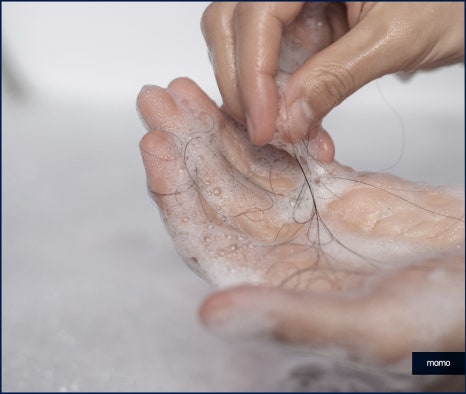
For this reason, when the blood vessels in the scalp constrict,
supply of blood, oxygen, and nutrients decreases,
which can also affect the growth of natural hair.
In addition, due to various causes,
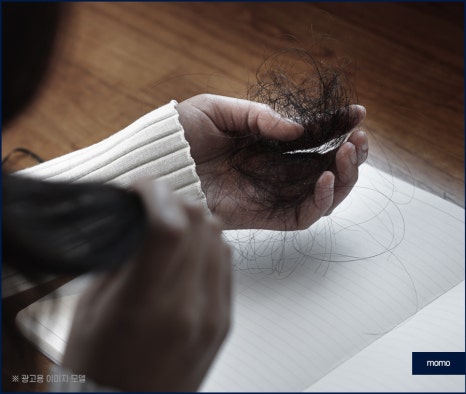
conditions can occur in which hair falls out and does not grow back,
and among them, alopecia areata is something many people experience.
In a specific area of the scalp, or in various places,
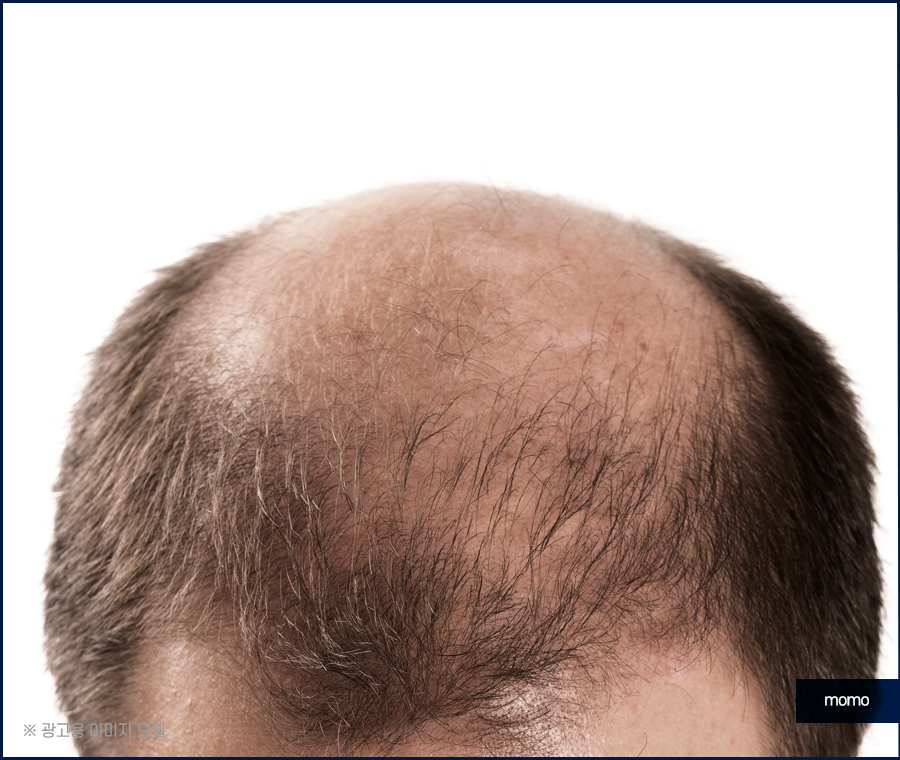
hair falls out in circular patches in large numbers.
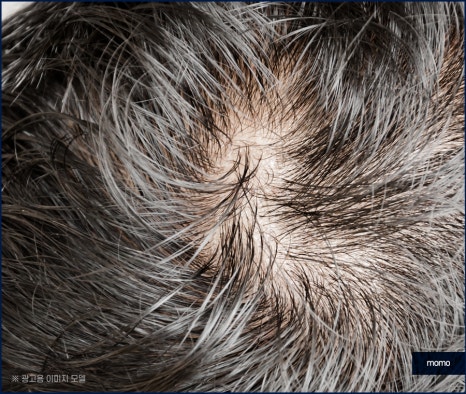
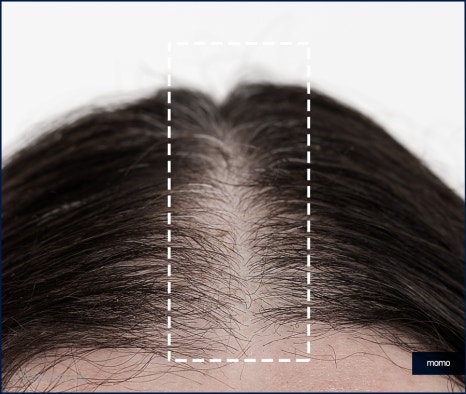
It usually appears as a round patch of natural hair loss
around the crown area,
and it can also appear in circular or oval shapes, or look as small as a coin,
so a variety of forms of this problem can occur.
When the scalp becomes visible to the outside in this way,
it can be a significant concern for younger people.
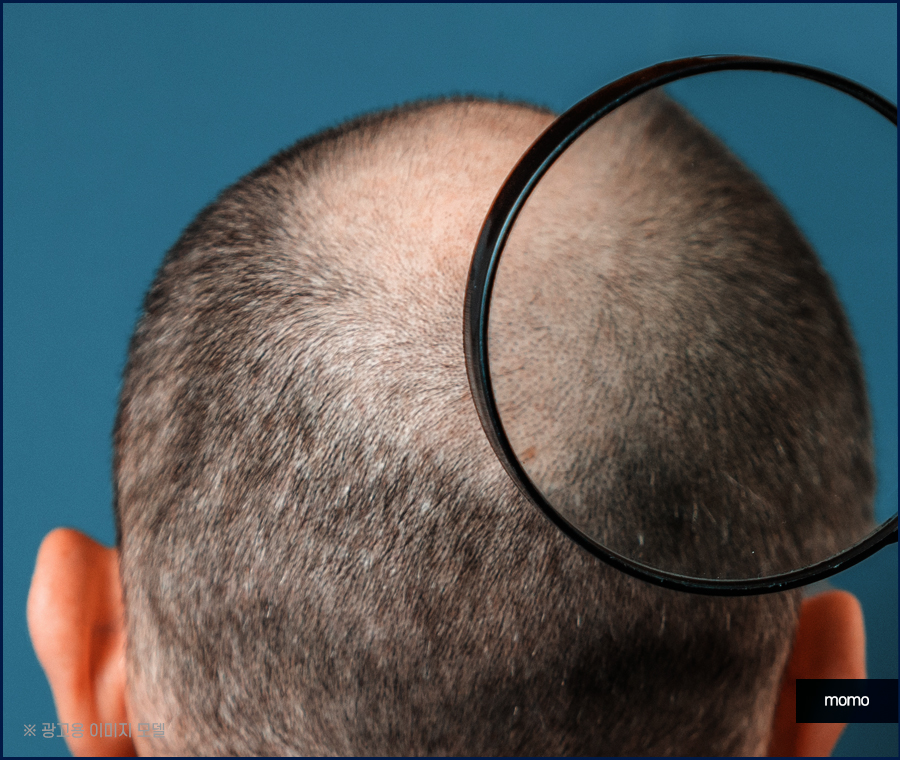
When alopecia areata occurs in your 20s,
it can cause negative changes in appearance,
making you seem older compared with others,
and it can lead to a drop in confidence and become a complex, especially because it can have a negative impact on important interpersonal relationships at a young age.
Therefore, you need to actively pursue ways to improve it.
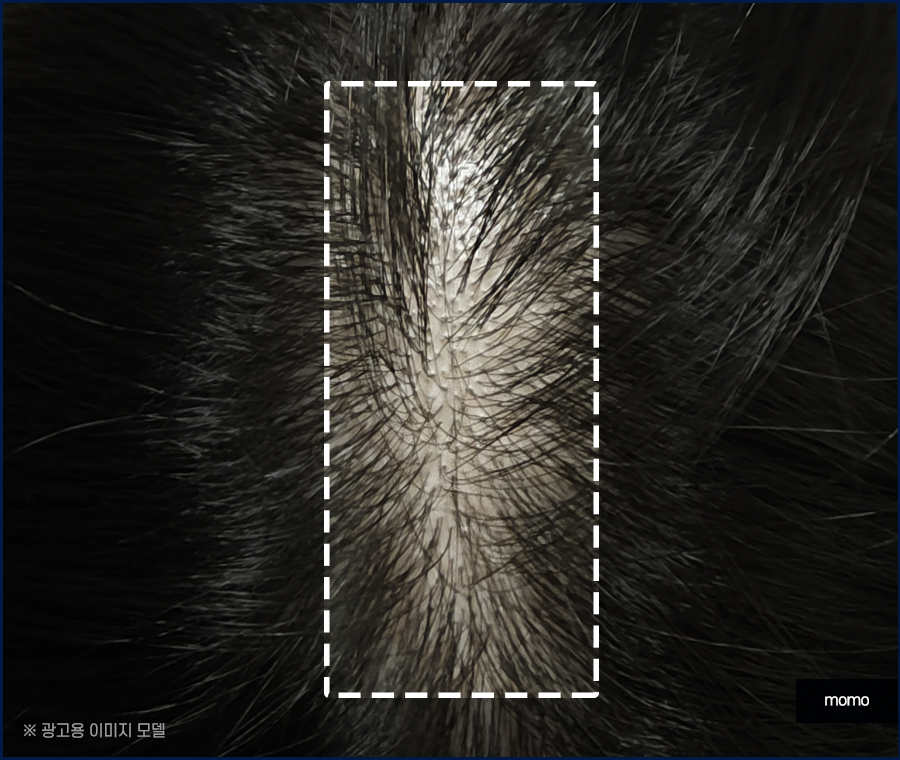
Some people, when alopecia areata appears in their 20s,
cannot identify what caused it,
so they look up information about it on the internet and social media,
and even try various methods that are said to be effective in hopes of improvement.
It is said that many cases of this problem are not due to an inherited condition,
but are experienced as acquired issues are added on.
You may also choose to leave it alone, thinking that because you are still young it will resolve over time,
but if it worsens further and spreads to other areas,
more time and effort may be needed for recovery.
Rather than worrying about it alone and trying to find a solution,
it is important to visit a clinic and look for an appropriate method based on a systematic system.
Usually, it is difficult to completely eliminate the stress that causes it and other reasons,
but taking care of it yourself can help prevent symptoms from getting worse.
You also need to focus on recovery,
but if it has already spread to many areas,
considering transplantation as a way to improve alopecia areata in your 20s may also be helpful.

This is a method in which healthy follicles are collected from the back of the head and transplanted to the affected area,
so that hair can grow even in places where natural hair does not grow.
The procedure can be divided into incision and non-incision methods,
and each has applicable methods, advantages, and disadvantages,
so it is best to first look at the method that suits your current condition and then discuss it with the medical team before deciding.
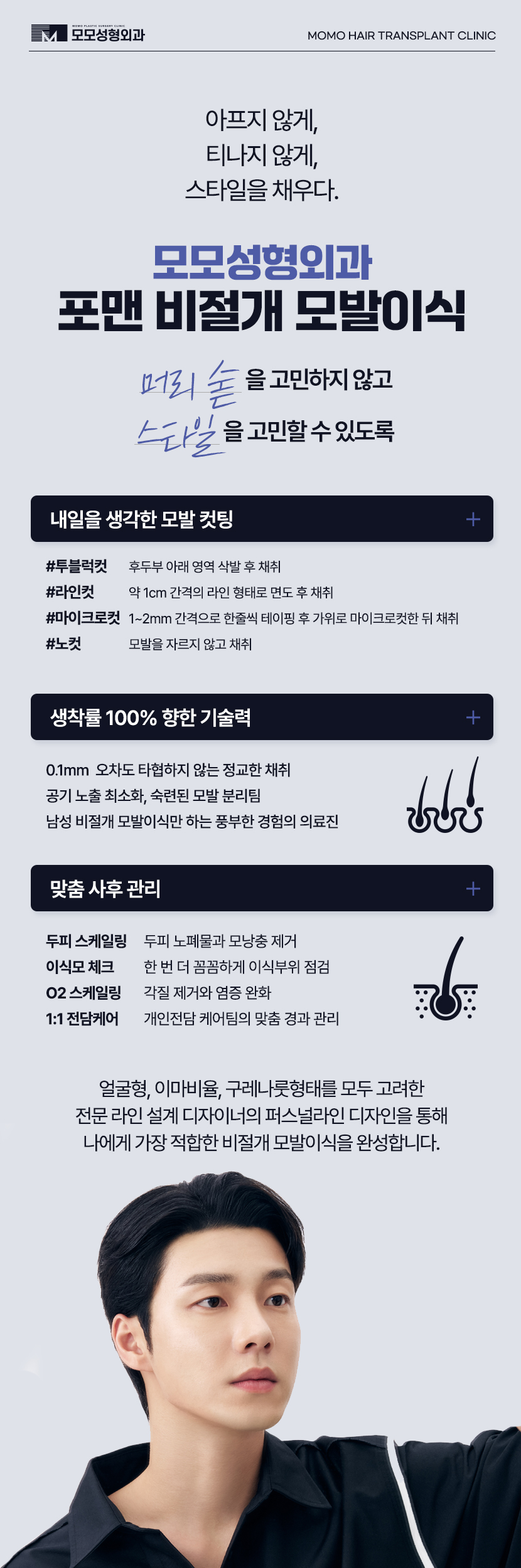
If the area has already spread widely and a large amount of hair is needed,
the incision method may be better,
but it is a method that may involve scars, pain, and time for recovery.
If the symptoms are not yet severe and the affected area is not large,
the non-incision method may be a good choice.
This method involves the medical team selecting and collecting healthy follicles and transplanting them to the desired area,
and it has the advantages of relatively less scarring and pain, as well as a faster recovery.

Since each method has different characteristics,
it is difficult to say which one is better,
and the appropriate method can differ depending on each person's scalp condition and degree of hair loss,
so please note that it may be difficult to say that one is definitely better.
Therefore, to overcome alopecia areata in your 20s and recover the appearance you want,
it is necessary to find the method that suits you.
This means that after first assessing the scalp condition, the extent of the affected area,
the thickness, length, and direction of the surrounding hair,
and the personal line design that can be called a method for finding a style that suits you,
a process should be carried out according to the style that matches it.
Through this, you can expect a natural hair shape,
so it is recommended that you carefully review not only the systematic process but also the experience and capabilities of the medical team providing help before making a decision.