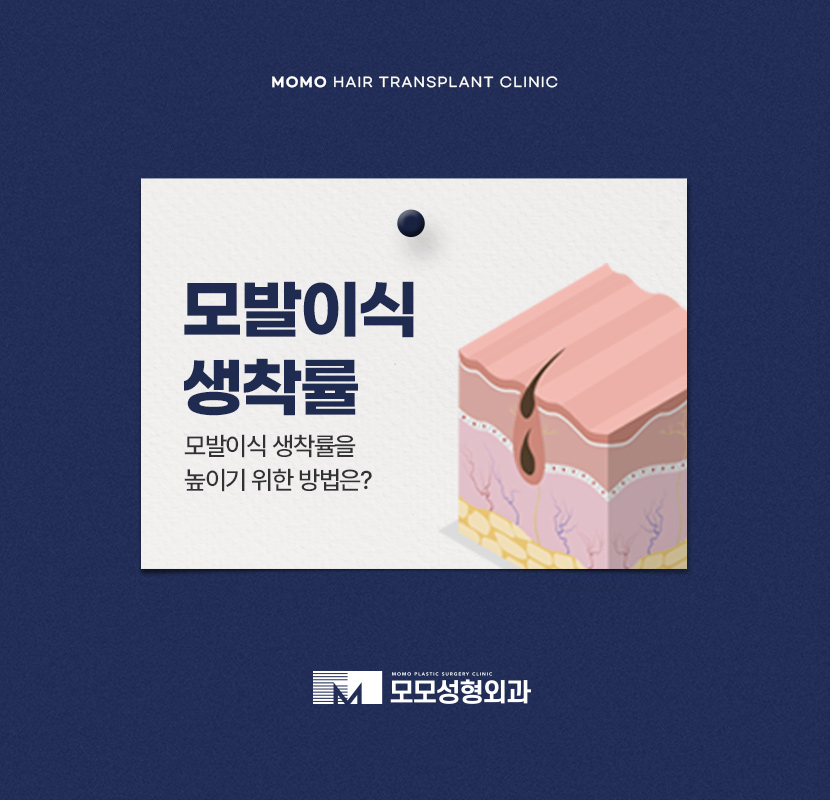
These days, the phrase “the age of 100 or 120”
does not feel strange anymore, and we can
truly sense that the life expectancy of people
living in modern society is steadily increasing.
As the average lifespan of Koreans continues to
rise, some people look forward to a new life
after retirement, but the worries of those who
are dealing with a condition in which their
hair is losing strength and falling out in large
amounts can also deepen.
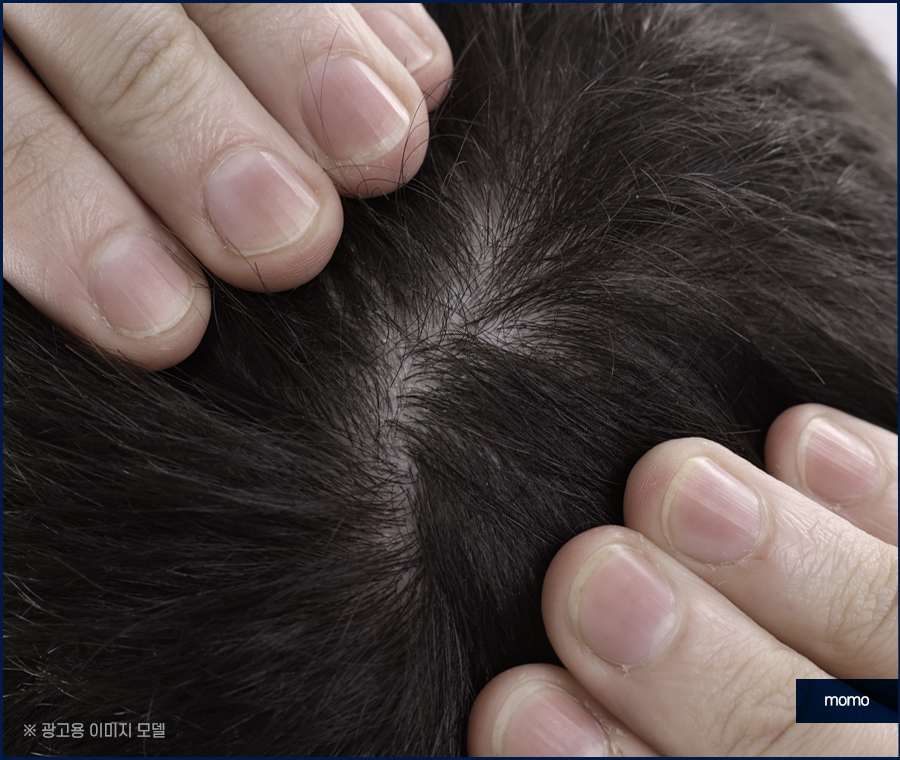
As time passes and people grow older, hair
naturally becomes weaker and gradually finer.
However, while life expectancy is steadily
increasing, it is also true that the age group
experiencing hair loss is actually getting
younger than in the past due to various factors
such as an unbalanced and Westernized diet,
an irregular lifestyle caused by busy daily
routines, excessive stress arising from school
and work, and extreme dieting.
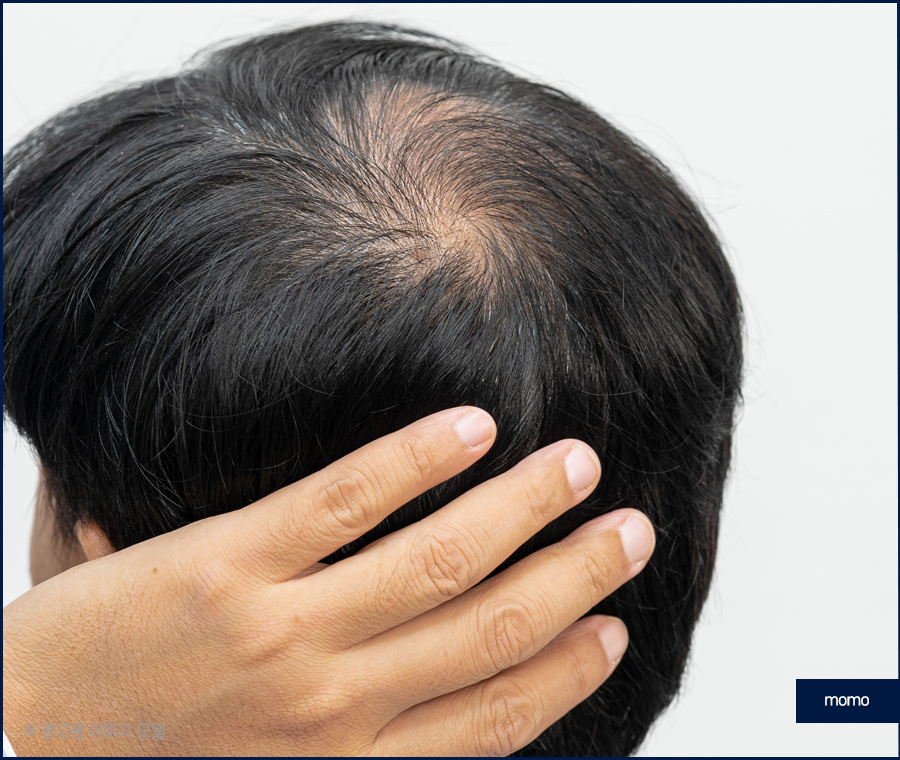
For this reason, people of middle and older age,
as well as younger age groups regardless of
gender, often visit related clinics in hopes of
improving the issue of hair loss, which causes
significant psychological distress and lowers
self-confidence in life, and receive medical help
for a new change.
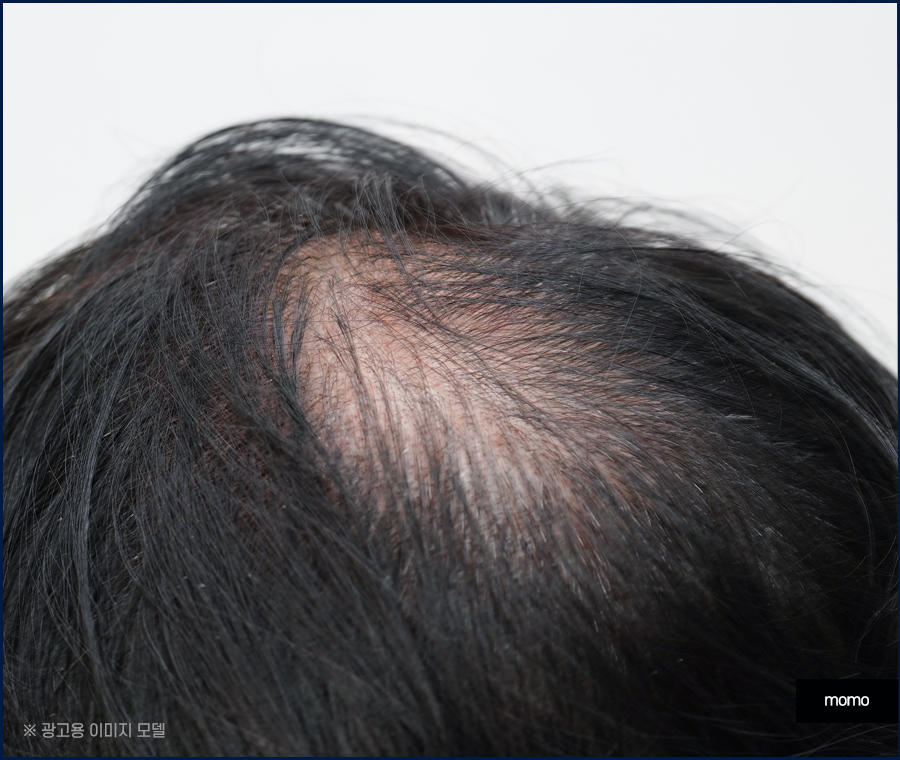
In general, hair loss caused by physical illness
or mental and environmental factors tends to
ease to some extent over time as the cause is
resolved or the problem improves, but male
pattern and female pattern hair loss, which are
strongly related to genetic factors, have the
characteristic of progressing gradually from the
moment they first appear, so they can be seen
as a serious issue that causes hardship.
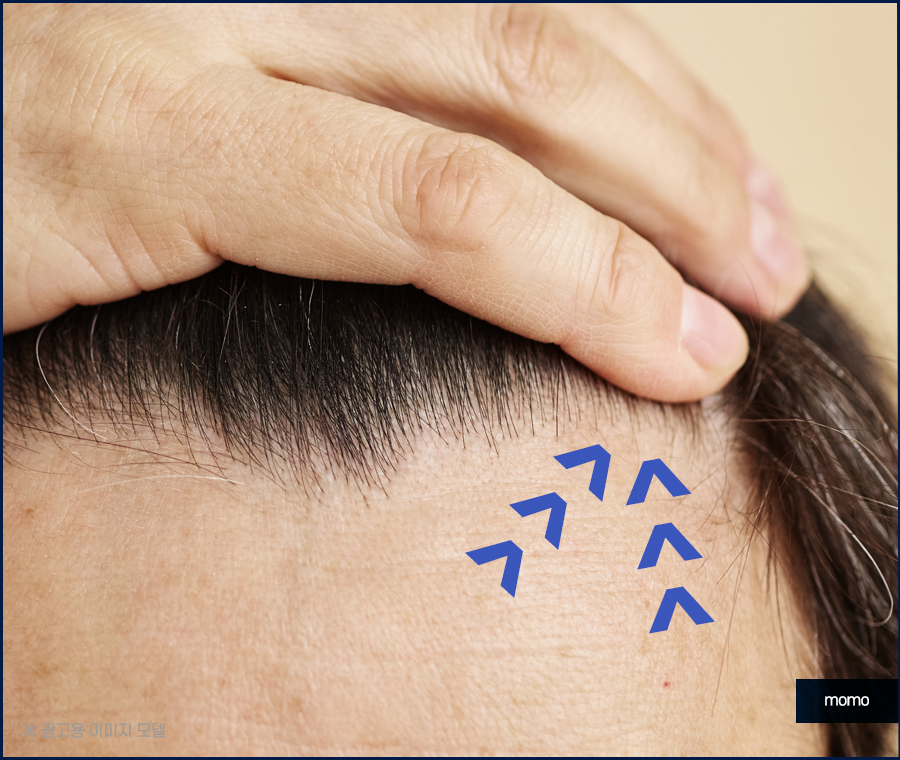
In addition, there are various accompanying
conditions such as seborrheic dermatitis,
which can make the situation even more
difficult. Not only that, but the image of looking
older than one’s actual age, as well as the
complexes, feelings of inferiority, depression,
and prejudice felt from the other person’s gaze
that arise from this condition, can greatly affect
both outward appearance and inner thoughts.
For that reason, many people invest a large
amount of money, time, and effort in products
or folk remedies that are said to have been
famous for a long time, but when their condition
does not improve, they become even more
concerned. Since that was not enough to stop
hair loss, most people ultimately visit a clinic,
and among the related inquiries, questions
about the graft survival rate of hair transplants
seem to come up often.
Among the points mentioned above, because
the symptoms of hair loss are divided into
various types, it is important to carefully check
the health and condition of your scalp and hair
and find the appropriate improvement method.
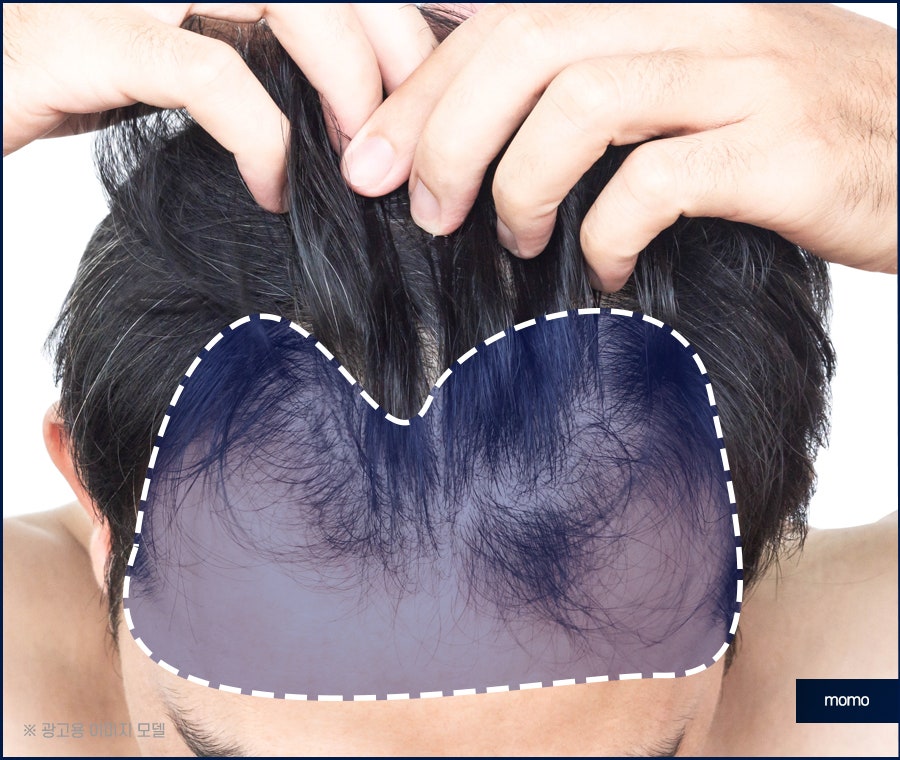
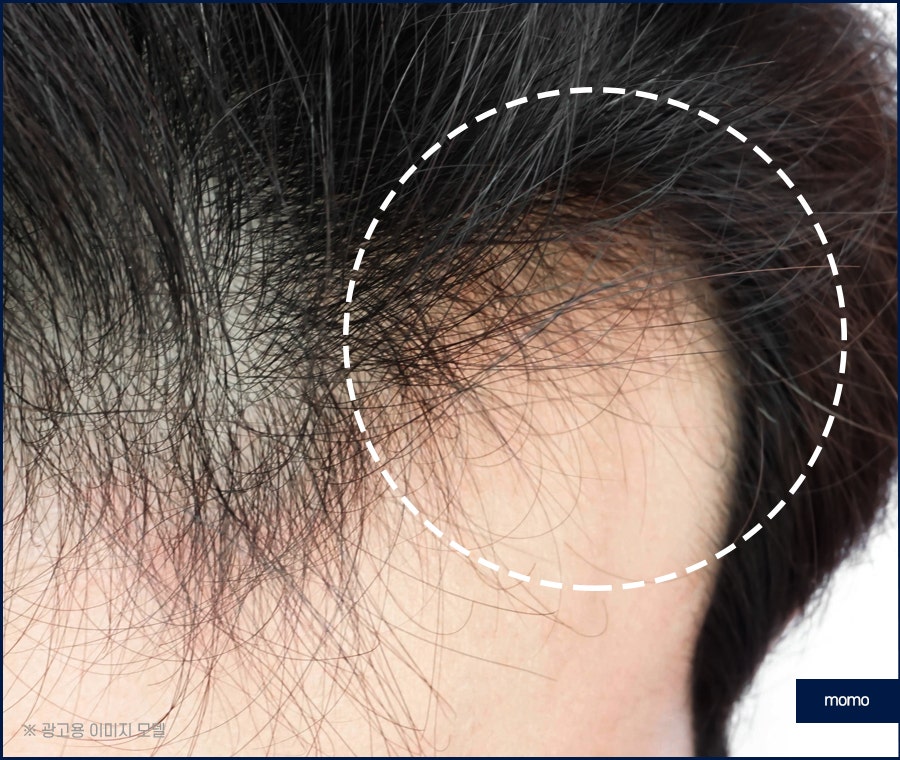
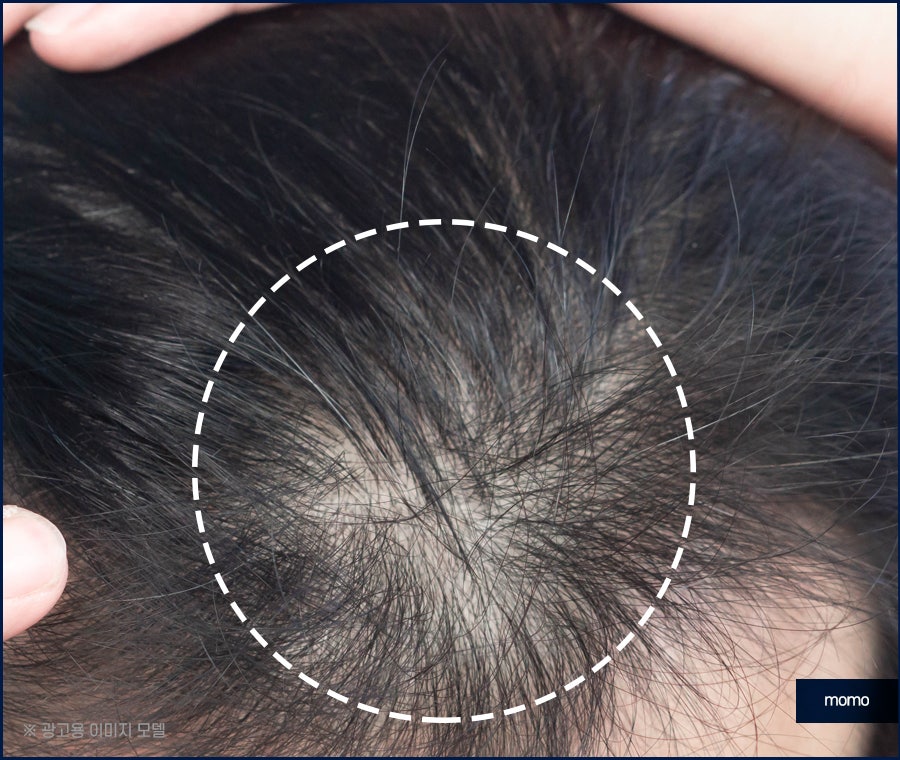
Generally, depending on the area where the
symptoms appear, it can be viewed as crown,
alopecia areata, or M-shaped hair loss. In order
to address these various types of hair loss, the
solution chosen through careful consideration
can be broadly divided into incision and
non-incision methods. The traditional incision
method and the more recently spotlighted
non-incision technique do not show a major
difference in hair transplant graft survival rate,
but in the case of the former, because excision
is essential, there may be pain and scarring
during the process of suturing and treating the
area where a section of the scalp has been
removed, which can make it difficult to return
immediately to daily life. However, since hair
follicles can be collected all at once, it can be
more economical in terms of cost.
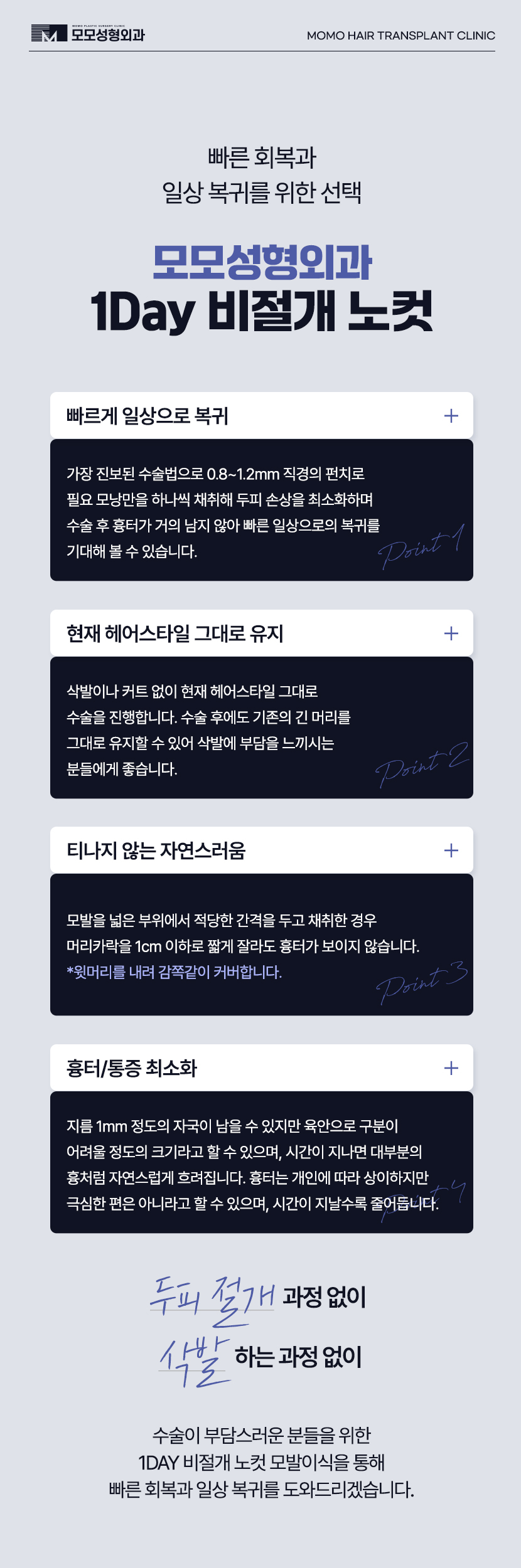
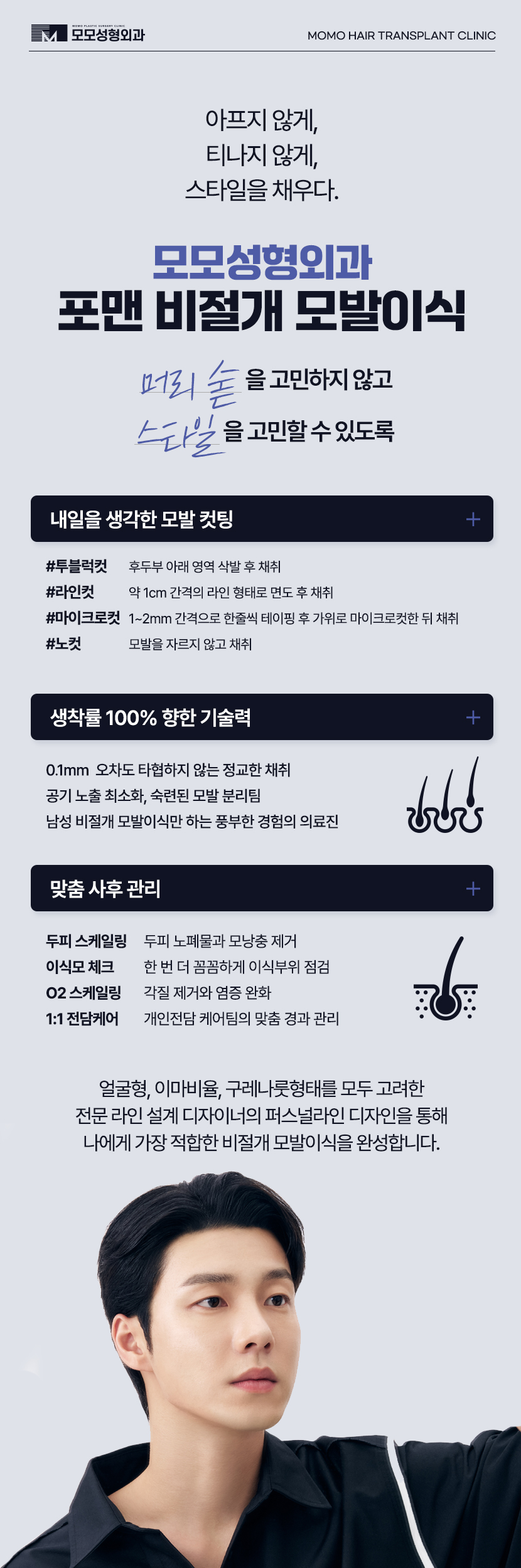
The procedure itself does not take that long.
Recently, the non-incision method has become
the preferred option for people experiencing
hair loss. Depending on the type, follicle
harvesting can be attempted without shaving
the head, and it is said that social life and daily
life can resume as early as the day after the
procedure.
In addition, because this method proceeds by
selecting and transplanting the healthiest hair
follicles you have one by one, it has the
advantage of allowing a natural and harmonious
style later on.
In addition, this solution has abundant
experience-based data and case studies from
various related cases, and it can meet the
deficiencies in aesthetic elements through a
surgeon with a high level of understanding and
knowledge, delicate design sense, and skilled
technique and know-how. Only after careful
consultation, accurate diagnosis, and detailed
examination, and after setting criteria from
multiple angles and comprehensively considering
them with caution, can you expect a result that
feels that natural.
And for this method to lead to the satisfying
results you expect, whether the transplanted
hair takes root well can determine the prognosis.
The hair transplant graft survival rate mentioned
earlier refers to the percentage of transplanted
hair that successfully takes root and survives
after the procedure, and even if the same
number of grafts is implanted, the degree of
fullness and density can differ.
This hair transplant graft survival rate may be
determined by several factors, including the
basic ability of the surgeon carrying out the
procedure, the unique skill used to harvest the
follicles, your own steady effort during the
post-procedure graft survival period, and the
aftercare system provided by the clinic. Therefore,
if you are considering this type of solution or
are at the point of deciding whether to proceed,
it is most important to carefully choose the
clinic and the surgeon. Since the procedure
itself is not simply a matter of moving and
transplanting hair, but rather a method that
requires highly precise, advanced technique,
you should choose a related institution with rich
experience and many cases so that you can
pursue the most suitable response for yourself.
And because the process is not completely over
after the solution is finished, it is also an
important point to keep in mind to focus on
post-care and the hair transplant graft survival
rate, which begin in earnest afterward.
Since there is still a possibility of unexpected
adverse reactions in the treated area and the
surrounding area, it should be remembered that
during the recommended graft survival period,
careful cleanliness and delicate management are
needed to help maintain healthy hair.
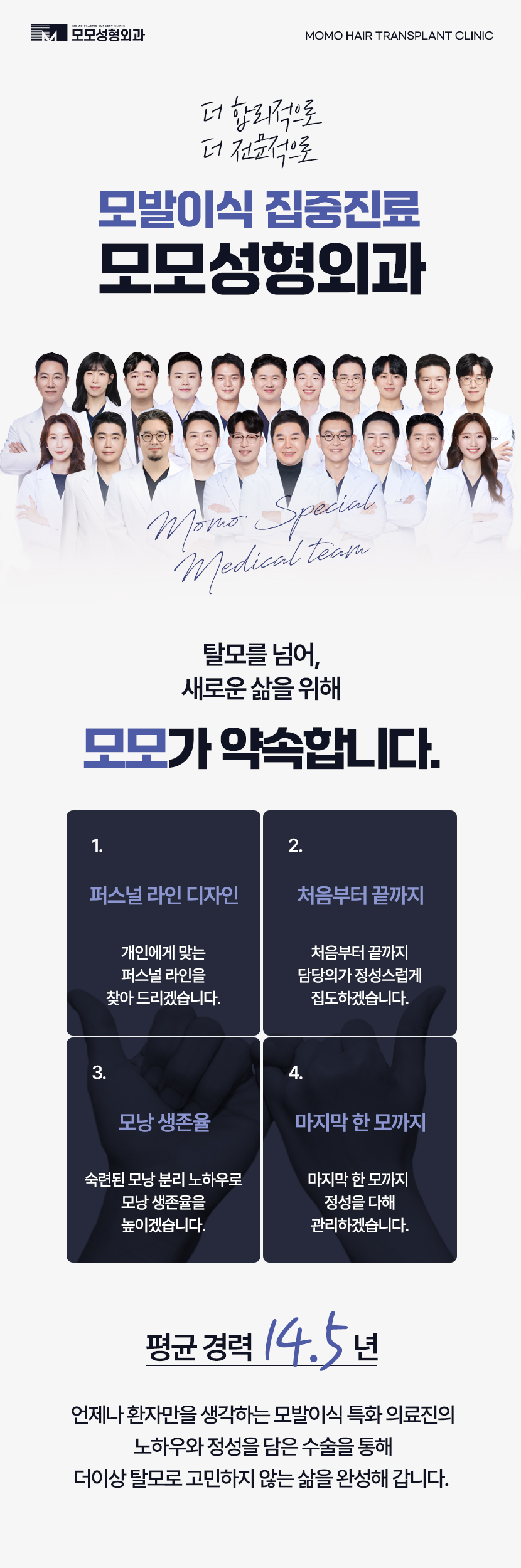
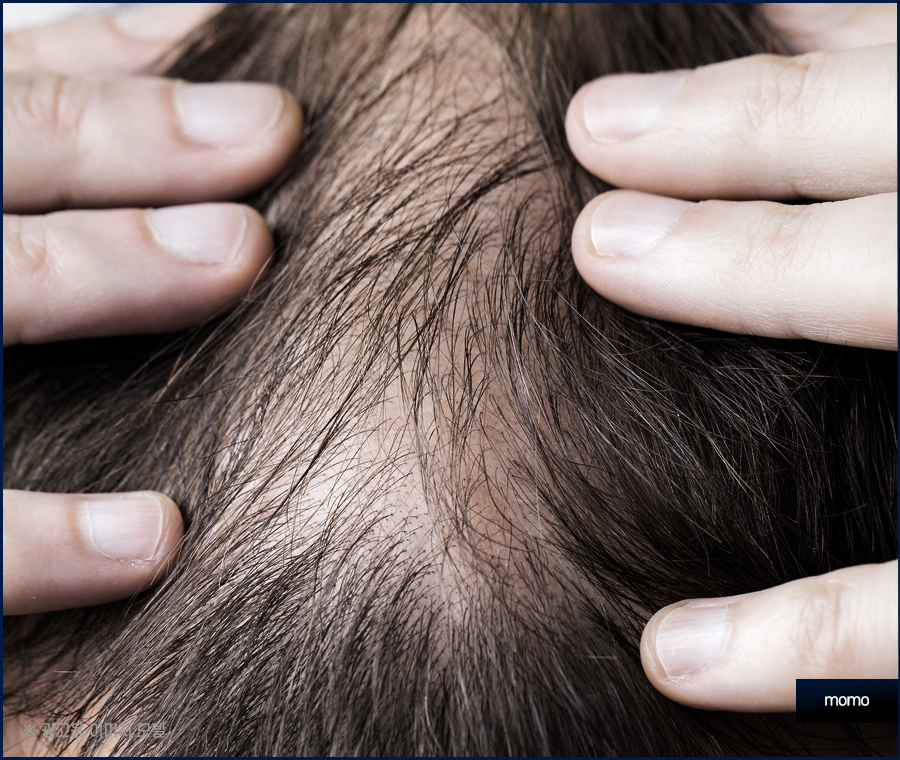
In addition, if the amount of hair shedding has
increased compared with before, or if changes
have begun to appear in areas such as the hair
line, crown, or parting line, it is better not to
overlook or leave untreated symptoms and
problems that may seem minor. Instead, visit a
clinic as soon as possible and, through a
diagnosis appropriate for your current symptoms
and condition, carry out suitable improvement
measures so that you can regain the appearance
confidence and life confidence you had lost.