These days, people of all ages and genders pay attention to their outward appearance,
carefully grooming themselves and trying not to fall behind current trends and fashions.
They are also often willing to take on the challenge of trying a variety of different elements
for themselves. In particular, women tend to invest an enormous amount of time and
effort in pursuing beauty.
Some receive a personal color diagnosis that best suits them and use the results as a
reference when buying clothes and cosmetics. Others follow makeup tutorials or fashion
styles from popular celebrities or influencers, maintain an appropriate weight for a
healthy and toned body line, and consistently eat a balanced diet with a variety of
nutrients. In this way, they pursue diverse and new changes.
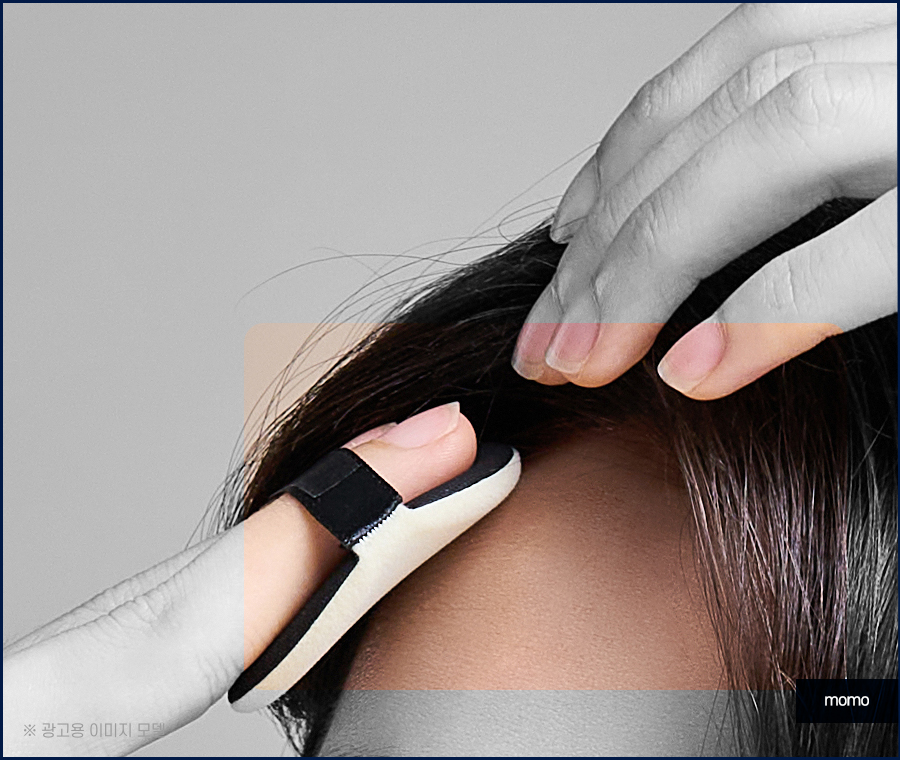
Among these factors, it is hard to leave out the important role of hairstyle.
In particular, coloring that suits one’s image and perms that create a soft yet refined
look are not an exaggeration to call central elements of appearance that shape how
one is seen by others.
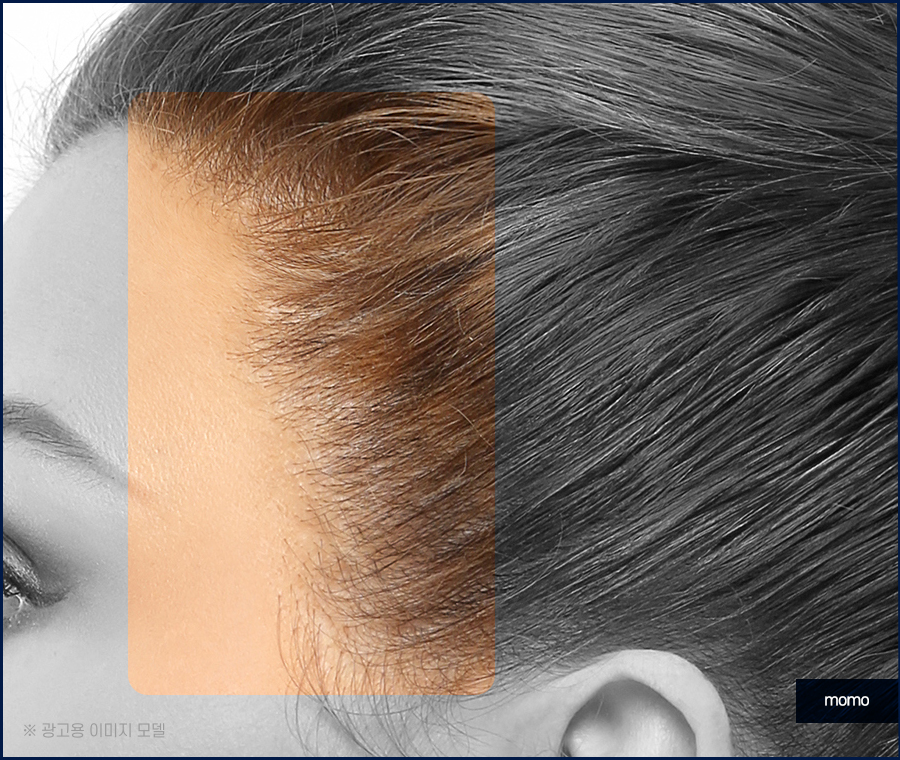
For that reason, many women do not miss information about their hairstyles and how to
care for them. However, even after investing countless amounts of effort, time, and
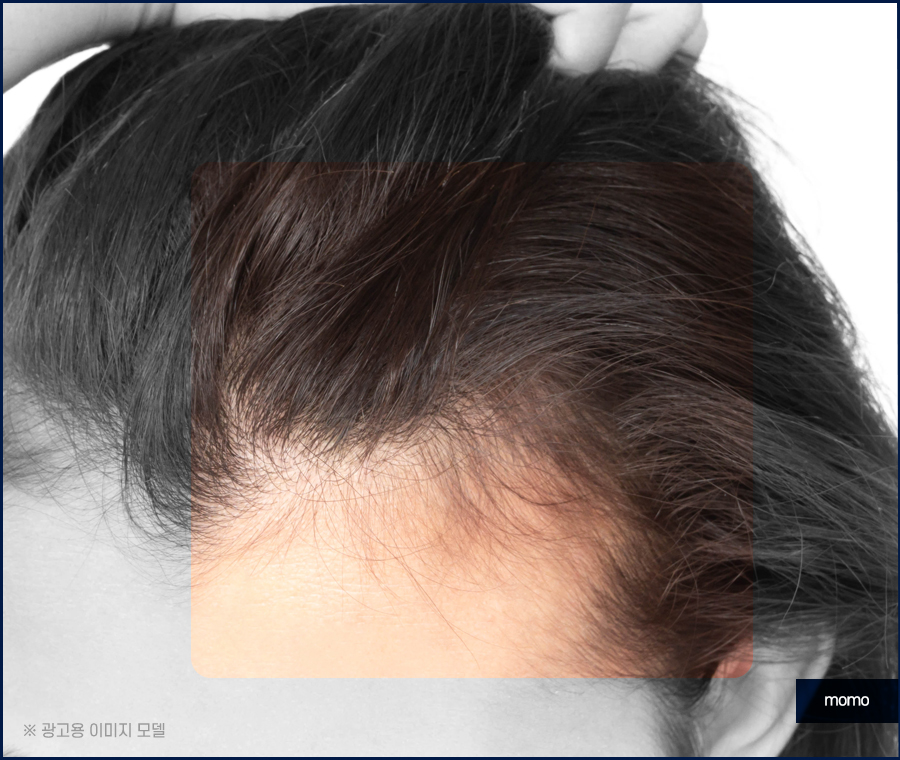
money, if hair loss occurs in various places around the boundary between the center of
the forehead and the hairline, or if the line becomes uneven and irregular, this can
quickly lead to severe appearance-related complexes and, in addition, expand into a
serious problem that brings about stress and various psychological issues.
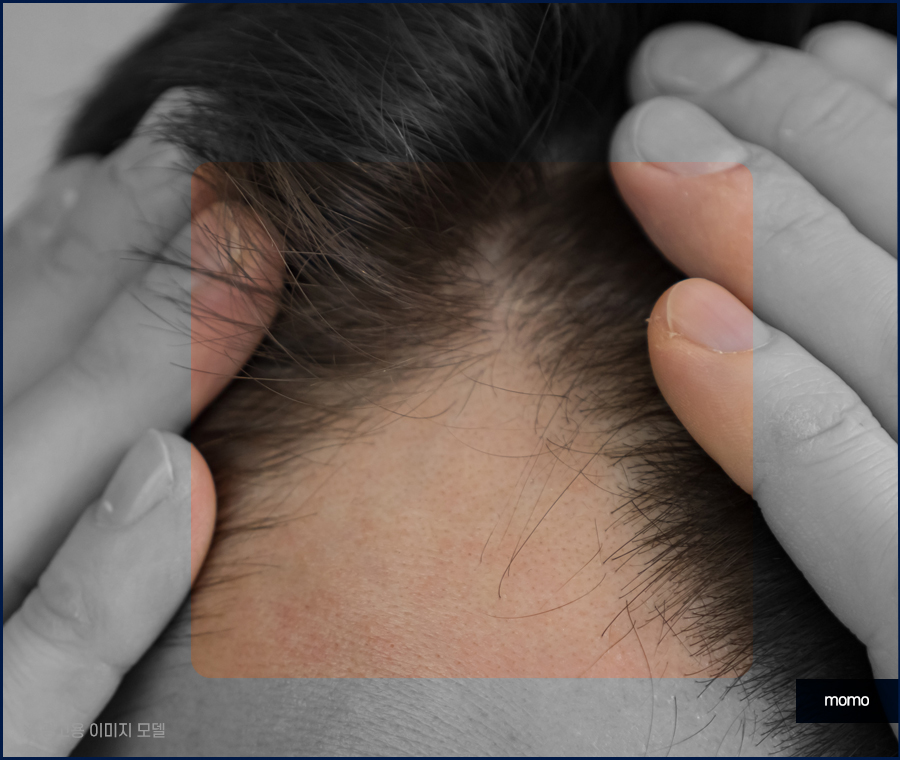
If these symptoms occur, since that area is usually noticeable, the first thought is often
to let the bangs down or cover it as much as possible with products such as hair fibers.
However, these methods are only temporary stopgap measures and can be difficult and
inconvenient to use depending on the weather, temperature, and other conditions.
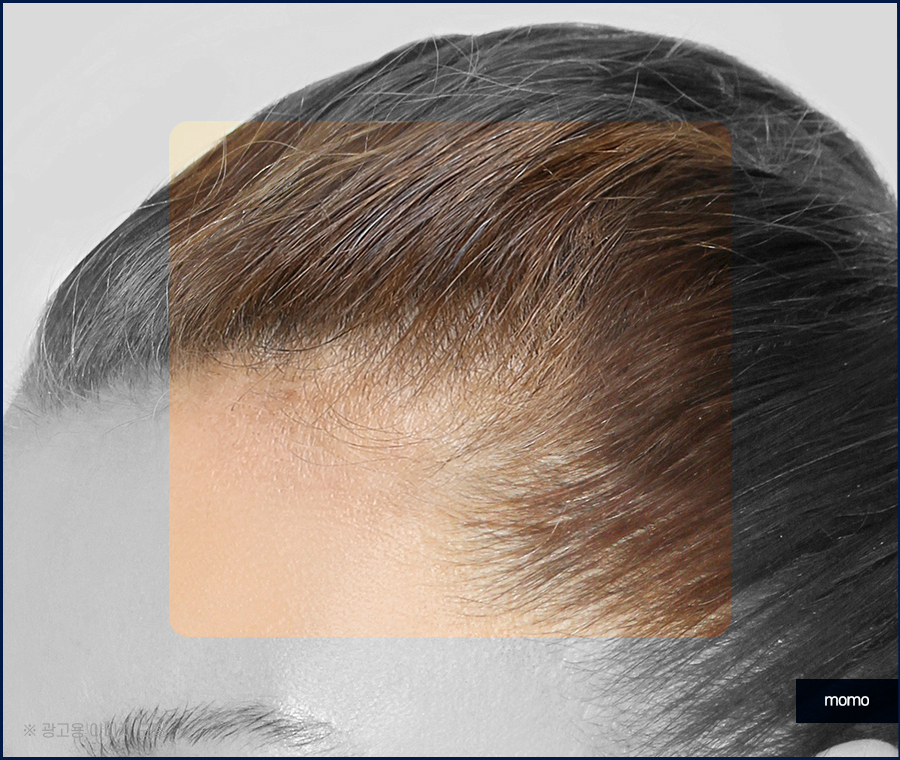
There is a growing trend of people visiting clinics to seek medical help and thoroughly
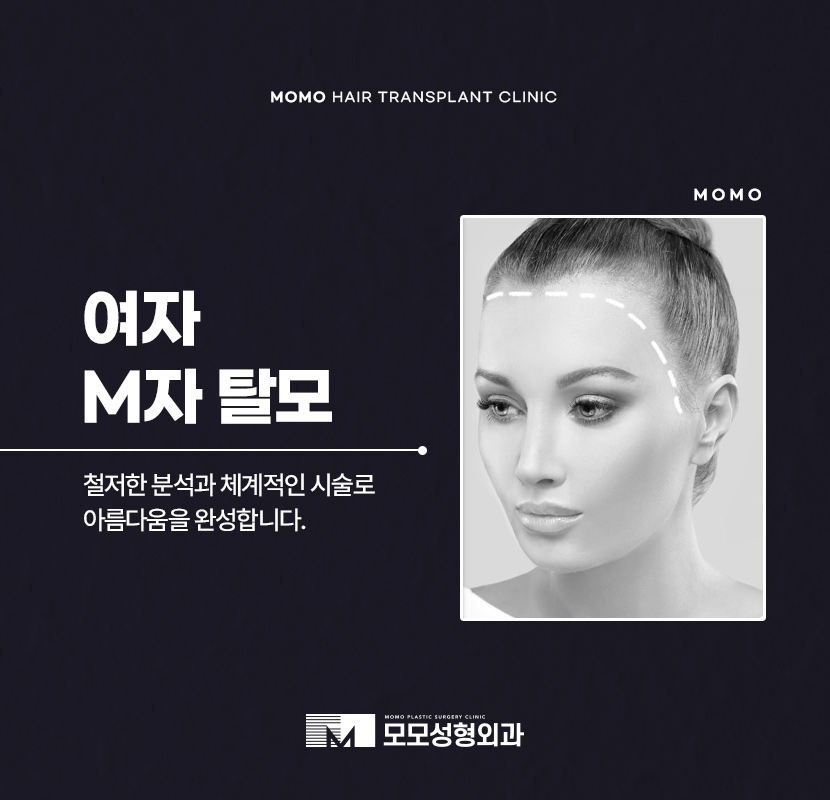
improve these persistent symptoms once and for all, asking about female M-shaped hair
loss and related concerns, and having detailed consultations with the doctor in charge
about the symptoms currently appearing. If proper response is neglected from the moment
the issue begins, or if it is left unattended with a careless attitude, difficult situations
may arise.
As the left and right sides of the forehead gradually recede, the face may appear larger
than before even though it did not used to look that way, and it may also take on a more
aged appearance than one’s actual age. Therefore, it is most important to seek a
professional clinic as soon as any abnormal signs are found and receive a clear diagnosis
of one’s symptoms and condition.
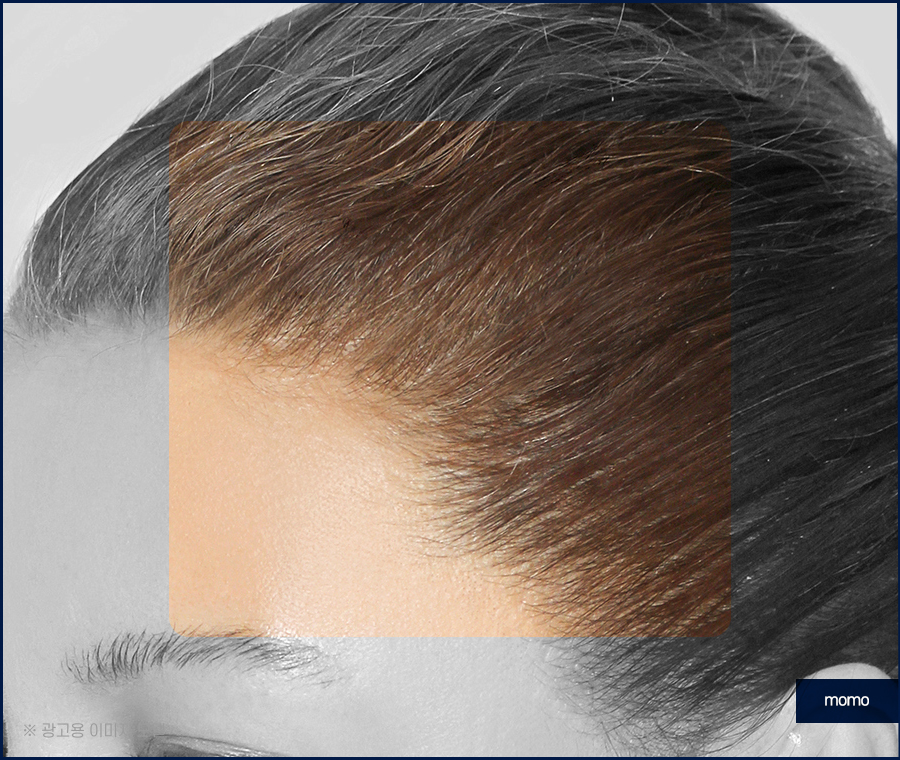
To improve female M-shaped hair loss in a way that matches the level of satisfaction one
expects, it is advisable to proceed with a hair transplantation solution that can bring
about a new change full of volume and naturalness. At this time, it is advisable to
carefully examine the overall process of the solution, how it is carried out, and whether
there are any important standards that need to be considered.
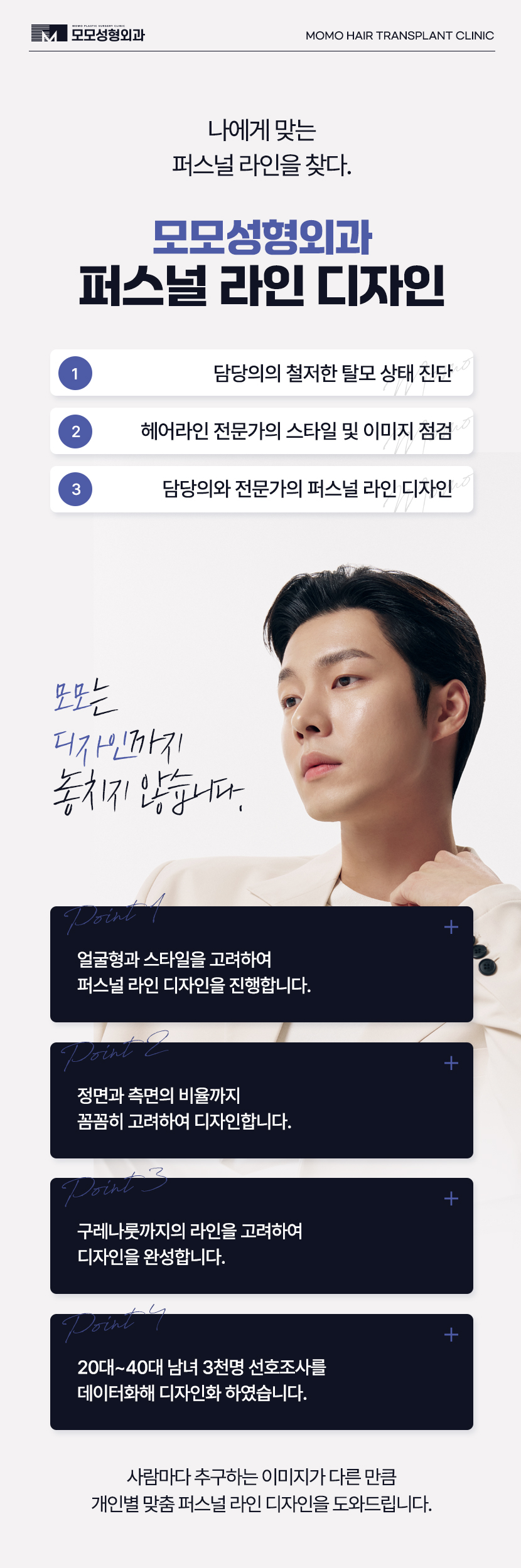
First, because the areas affected by female M-shaped hair loss are mainly located at the
boundary between the forehead and the hairline, it is important to build a personal
design that analyzes each area in detail. In particular, the height and proportion of the
forehead should be designed as key elements.
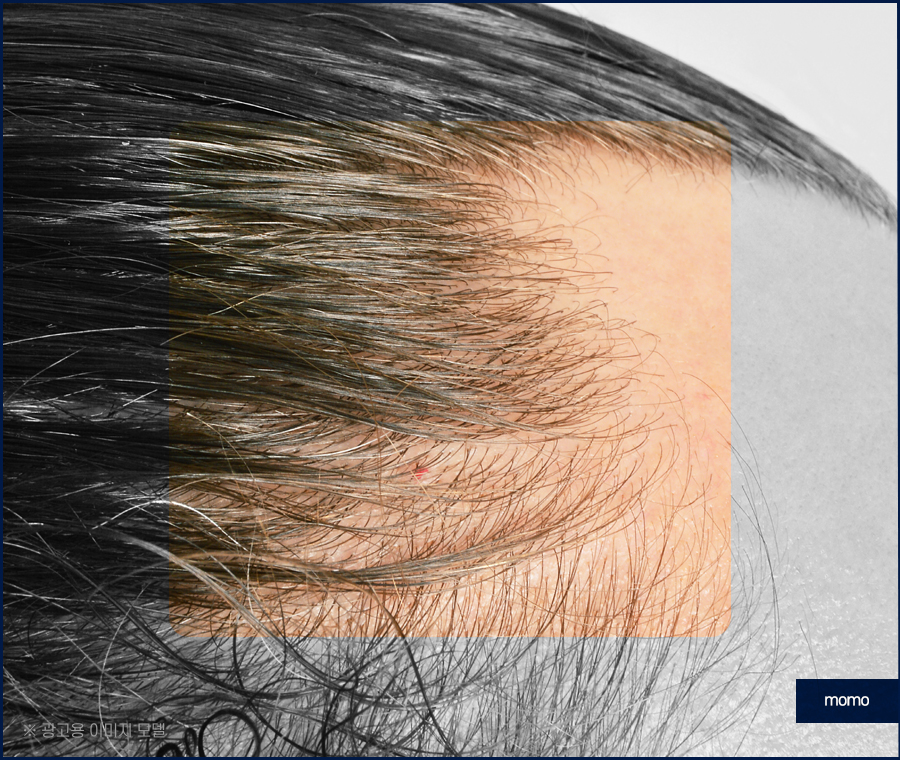
It is important to adjust the sense of height based on ideal measurements and complete a
beautiful proportion. In addition, considering the angles viewed from the front and from
the side as much as these other elements allows for a result that creates a natural line.
For example, if the design is styled too narrowly when viewed from the front, the forehead
may instead look awkwardly narrow from the side.
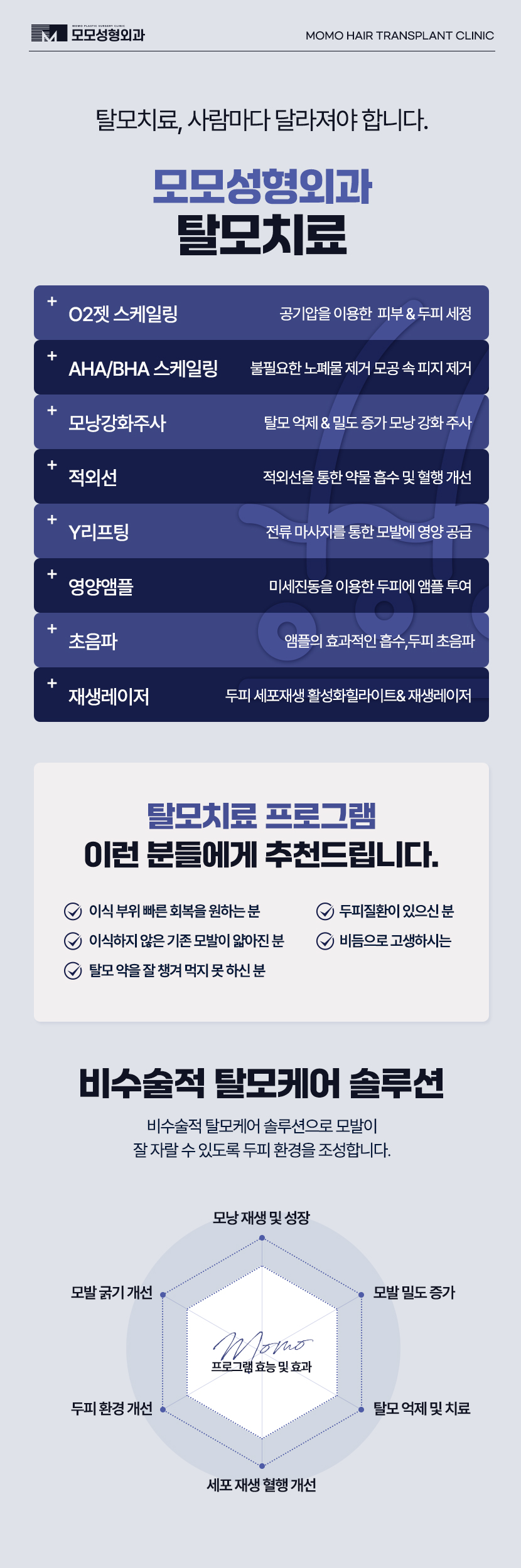
That is why a personal design that values the proportions and angles of each area
mentioned above must be planned, and it is far more desirable to form a hairline with a
slight openness and naturalness while addressing female M-shaped hair loss.
In addition, considering face shape is also a key point. Because every person has a
different face shape, it is important to examine it in detail so that the face can be
broken down into ideal proportions according to each unique shape and the most suitable
style can be created.
It is also advisable to consider the harmony of the shape, including the sideburns and
the temple area that connect from the hairline. In addition, characteristics of the
existing hair, such as thickness, length, density, and the direction of growth, should be
considered so that the desired design can be realized. A proactive attitude of
participating together with the doctor is also an important part.
Furthermore, if your purpose and mindset are to improve female M-shaped hair loss,
which has long only increased severe complexes and stress and has even lowered your
self-confidence, through a solution such as hair transplantation, then the process of
carefully selecting the clinic and the doctor in charge should be considered first and
foremost.
In particular, before proceeding, it is necessary to check whether the doctor has rich
practical data and cases from years of experience with a variety of cases, as well as
extensive knowledge and understanding of the subject. It is also important to see
whether they have refined design sense and high technical skill that can further improve
the aesthetic elements that felt lacking, along with outstanding know-how. In addition,
you should always be aware of and follow the precautions you must continuously observe
for the sake of the survival rate, which is regarded as a key issue along with the
solution itself, and it would also be good to check whether systematic programs such as
aftercare and responsibility guarantee systems provided by the clinic are in place and
being applied smoothly.