There are people who, if they have a style or
design they like,
tend to stick with that form for a long time,
but on the other hand,
there are also many people who do not fear
new changes in appearance and enjoy
taking on different challenges.
In particular,
such people often try to change themselves into a different look in various fields.
Among them, you can see people making efforts to imitate fashion styles that have created a fresh response on various media platforms, or incorporating makeup tutorials from famous stars or influencers who lead trends into their own routines.
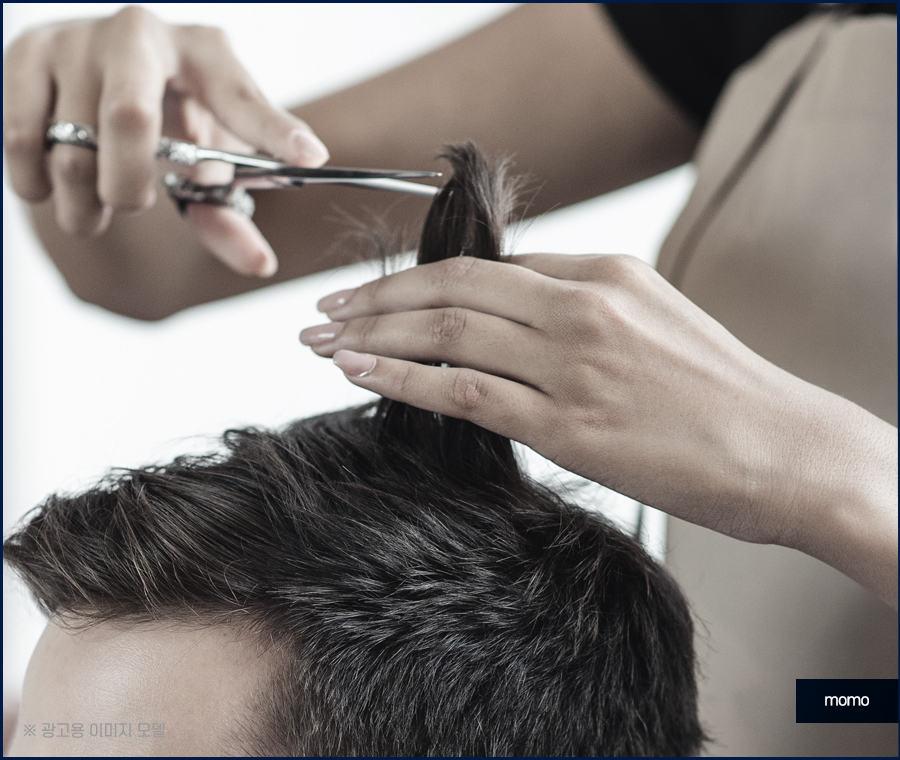
They also try changing their hair styling to create a visual transformation.
They may apply colors suited to their personal color type to the whole head or just part of it, or present themselves through techniques such as curling and perms to emphasize a softer and more refined image.
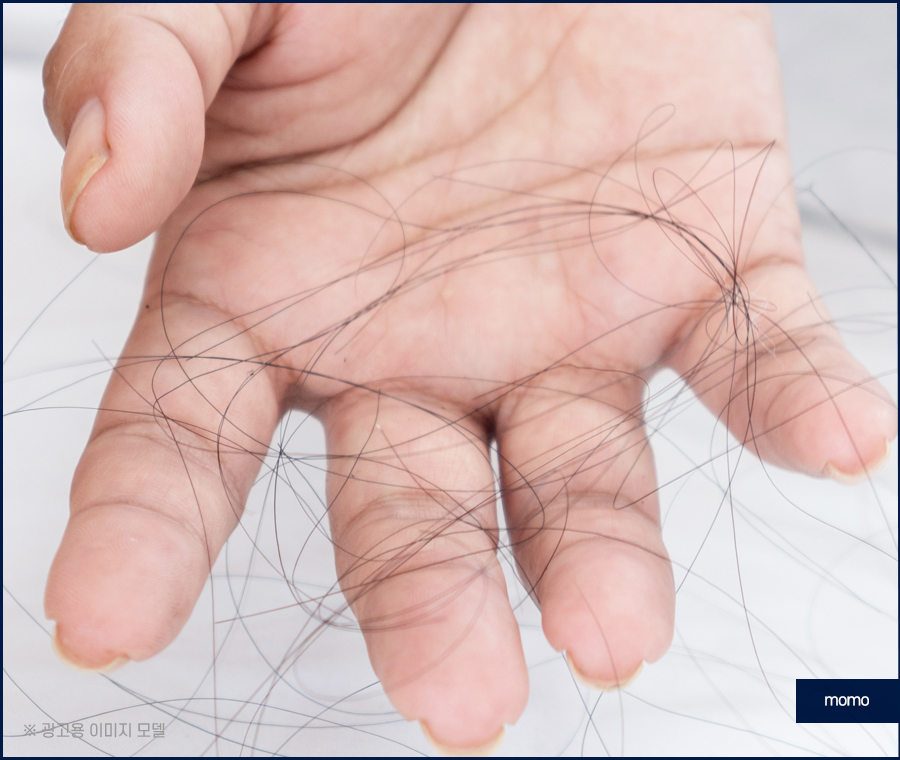
However, to freely make such design changes as desired, abundant hair volume, healthy hair, and a neatly arranged hairline must be in place.
If, on the contrary, the boundary between the forehead and the head is uneven, rough, and overly broad, it can be uncomfortable to expose it, so one may only keep bangs down or find it difficult to create various styles.
As these restrictions continue, not only can stress increase, but it may also lead to an appearance complex, so finding a solution to improve this issue becomes urgent.

The irregular shape in this area may be congenital, but sometimes it may have developed later due to frequent changes in hair procedures, an unbalanced lifestyle and eating habits caused by a busy daily routine, excessive dieting, and hair loss that has caused some degree of hair loss.
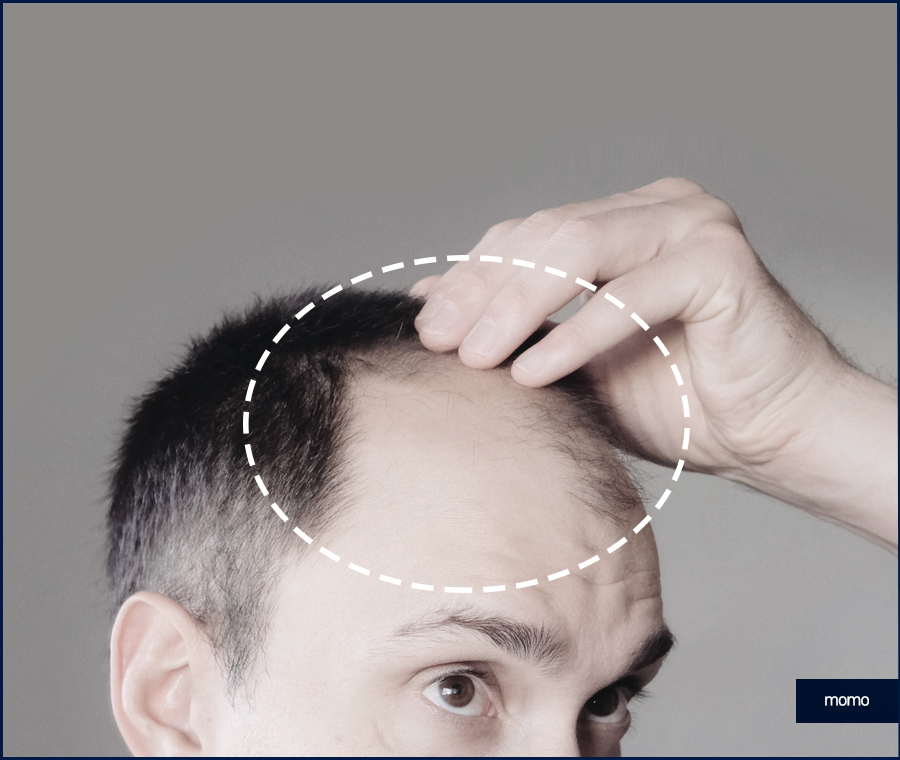
If such problems arise in this area for various reasons, it can only become a very serious concern.
If the situation progresses so that the amount of hair gradually decreases, it can create a more aged appearance than one's actual age, lowering confidence and interfering with daily life.
It may even lead to psychological symptoms such as becoming reluctant to meet people or avoiding social interactions altogether.
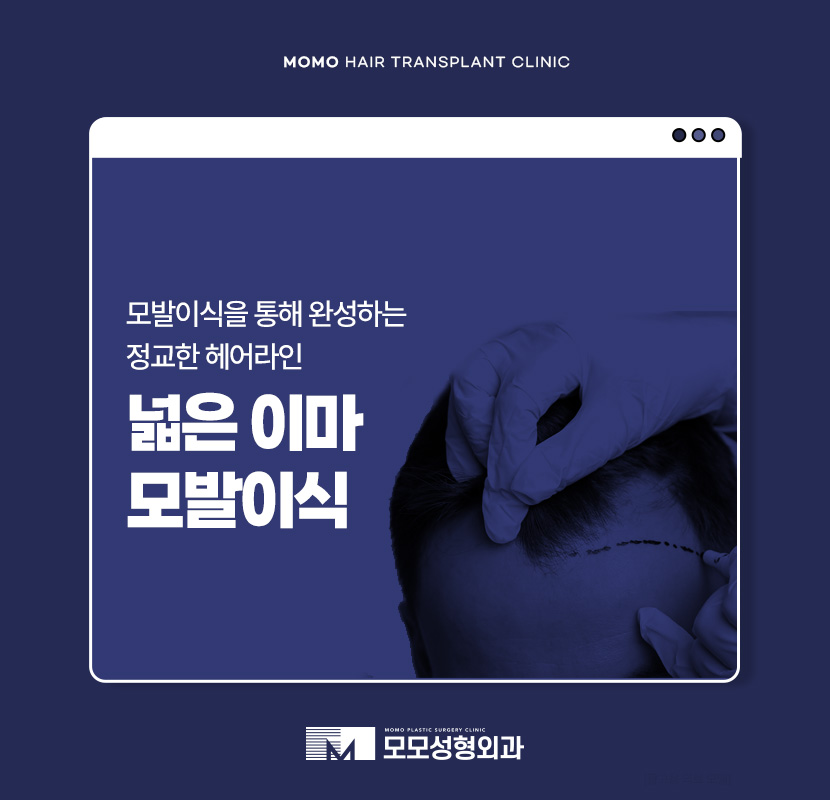
Because of this, many people who have repeatedly worried about it visit related clinics to seek advice on solutions such as hair transplantation for a wide forehead and consult about whether they can expect a clearly improved change.
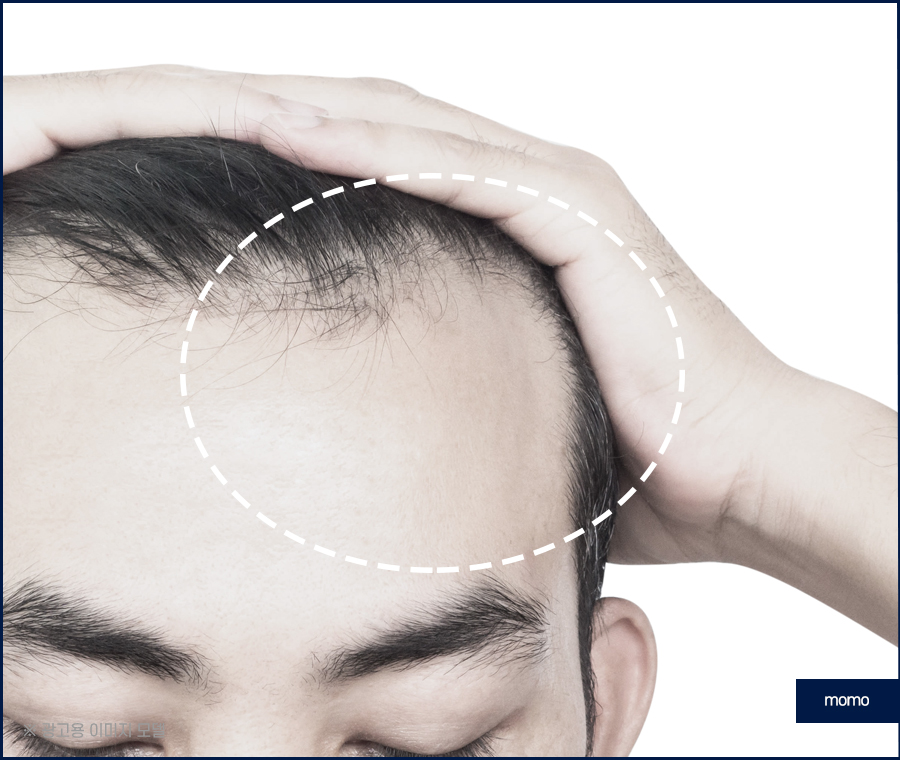
First of all, in order to hope for such a satisfying change, it is advisable to consider a wide forehead hair transplant together with the doctor and proceed with detailed consultation, a clear diagnosis, and an examination regarding your current symptoms and condition, as well as the unique characteristics of your existing hair.
After that, the next step is to establish an overall solution plan in a way that supplements the areas that had been a concern and tidies them up neatly.
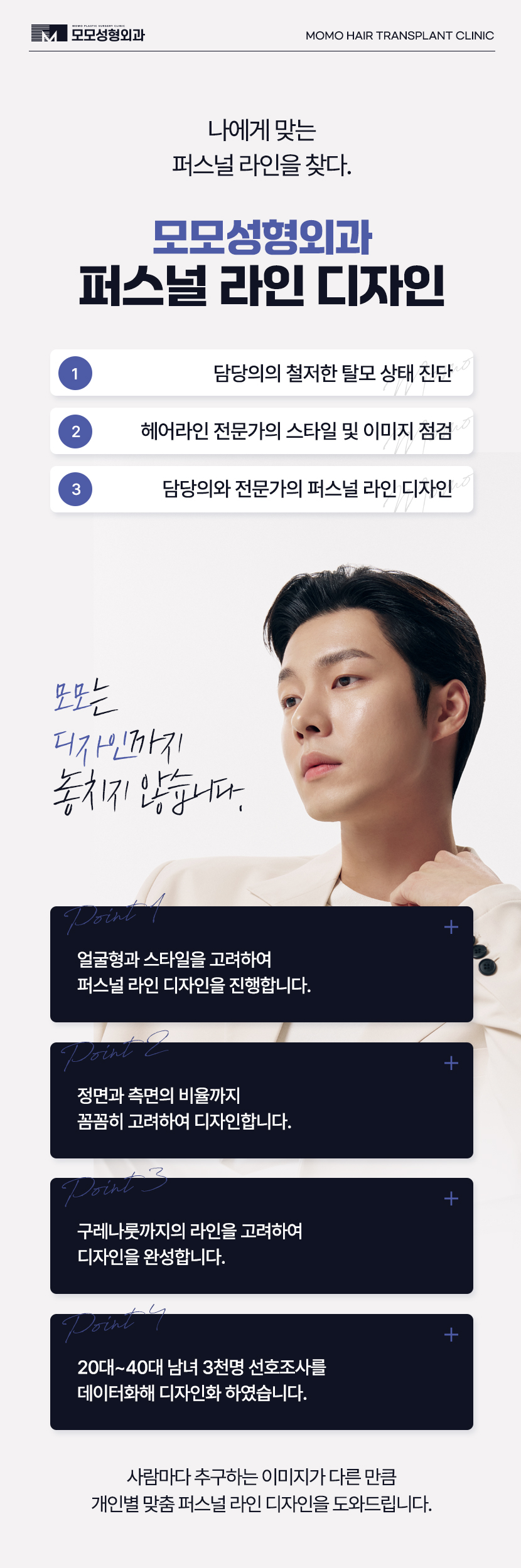
At this time, smooth communication between the patient and the doctor can be said to be very important.
If there is a purpose of realizing the desired needs and image, it should be actively conveyed so that it can be reflected, and the doctor must be able to incorporate those conditions into the personal design process.
And in order to carry out the solution as if it were the patient's original hairline, it is important to pay careful attention to personal design and placement accordingly.
If, by chance, only part of the line is considered and the procedure continues, the hair around it may become completely unbalanced, creating a very awkward and artificial feeling.
Therefore, it can be said that an essential condition of wide forehead hair transplantation is a skill that allows not only the hairline of the forehead itself but also the temples and sideburn areas connected to the point where this boundary ends to blend naturally and harmoniously.
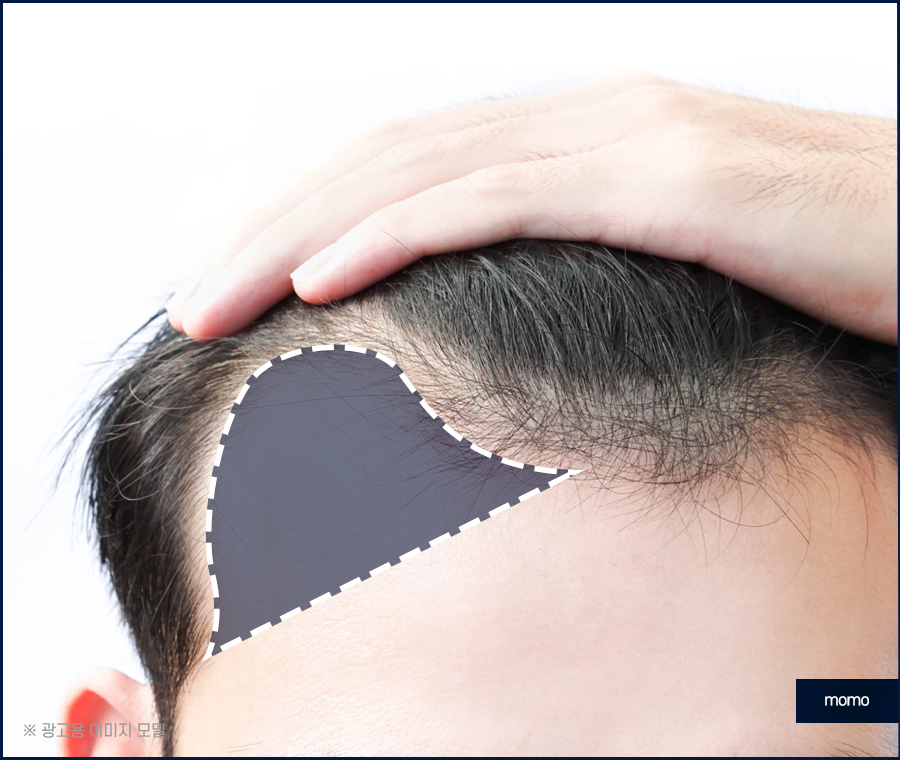
In addition, by carefully examining the proportions of the face shape and facial features, as well as the angles seen from multiple directions such as the front and side, maintaining a consistent angle can create a neat impression and also produce the result of making the overall face look smaller.
It is also important to closely understand the growth direction, thickness, density, distribution, and type of natural hair already present.
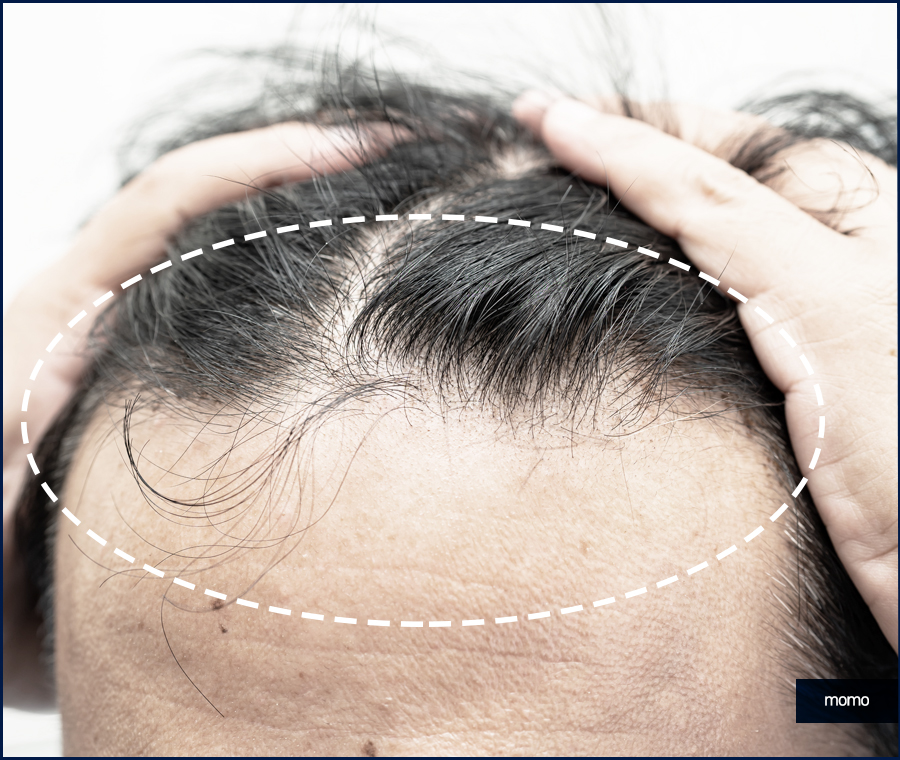
When people hear "wide forehead hair transplant," they may think it is a process of transplanting natural hair one by one, but in reality, it is a solution that moves the follicles, the root-based units, rather than using individual hairs.
Based on an understanding of the characteristics of these follicles, placement is necessary.
Since one follicle can grow as few as one hair and as many as two or more, it is possible to create a fuller appearance with fewer follicles, so it is desirable to use various types of follicles to create a gradient effect.
It is important to start with relatively thin follicles and then place the more typical thickness toward the back to create a fuller appearance.
In this way, a more natural change can be expected through personal design that encompasses not only an understanding of follicle types but also their placement.
And the direction of the solution that can be chosen for a wide forehead hair transplant is broadly divided into incision and non-incision methods, and this is an area that can be decided by comprehensively understanding one’s symptoms, current condition, and the detailed characteristics of the hair one has.
These days, there is a growing tendency to prefer non-incision methods that are less noticeable from the outside.
It is good to keep in mind that non-incision procedures can also be divided depending on whether the head is shaved or not, but since this is not something one can decide entirely on one’s own, careful selection through detailed consultation and sufficient communication with the doctor is important.
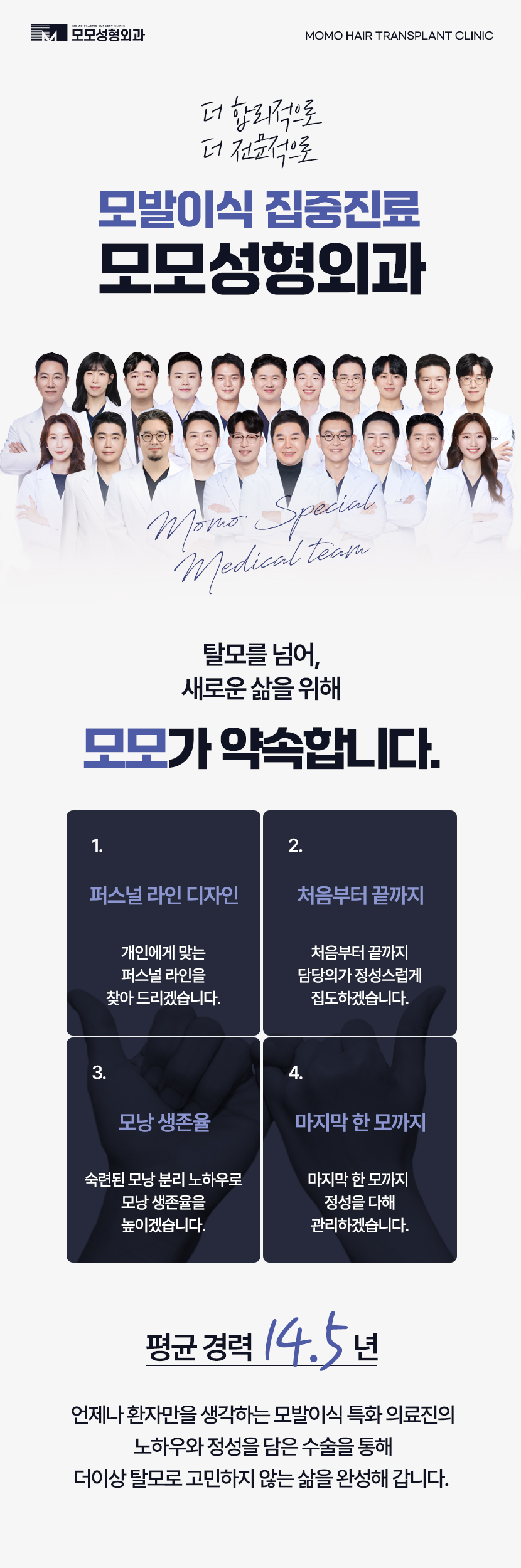
Above all, the essential condition that should be considered first is that before proceeding with the solution, one must carefully check the clinic and the doctor’s capabilities in detail.
It is important to determine whether they have a strong track record, rich in experience-based data and cases over many years, solid knowledge and a high level of understanding, as well as excellent design sense, skilled technique, and know-how that can better satisfy the lacking aesthetic elements.
Rather than making a hasty decision, proceeding with great caution will be the moment when you can face the satisfying result you have long hoped for and desired.